
Ever noticed a tiny speck on your reef fish and wondered if it meant something more? Our saltwater friends often give little hints of trouble way before any big problems show up.
Maybe you've seen a fin that isn’t quite its usual shape or a spot that looks out of place, these are like the soft ripples in your tank that tell you something’s off. Catching these early signs can help you act fast, just like spotting a drifting flake of seaweed before it gets swept away.
This guide swims into some common reef fish ailments and offers simple, quick tips to keep your underwater world bright and healthy. With a watchful eye and a bit of know-how, you can create a lively, thriving aquarium that feels as calm and clear as a quiet ocean bay.
Overview of Common Reef Fish Diseases
Reef aquariums are like little underwater worlds, full of life and surprises. Even a small change in the water or a fish acting a bit off can hint at a hidden problem. Keeping a close watch helps you catch issues early and keep your saltwater friends healthy.
I like to think of early detection as noticing a gentle ripple before a big wave. When you see something unusual, like spots on the fish or odd fin shapes, you can step in fast. Quick action can stop a small issue from turning into a full-blown outbreak.
Fish troubles in reef tanks often come from tiny parasites, bacteria that cause infections, or pesky fungi. Each one leaves its own mark. For instance, parasites might give a fish a sprinkle of salt-like spots, while bacterial or fungal infections can lead to patches or lesions on the skin. Spotting these clues guides you toward the best treatment plan.
Keep an eye out for these signs:
- White spots that look like grains of salt
- A yellowish-brown, velvety coating on the skin
- Fading or discolored fins
- Eyes that appear swollen or stick out
- Cotton-like growths or lesions on the body
- Bumpy, cauliflower-like lumps on the skin or fins
- Fish that act off by floating too much or sinking
- Erosion along the fish’s lateral line
Noticing these symptoms early is key. When you catch them at the first sign, you can separate the affected fish, adjust your water setup, and jump into a simple care routine. Many seasoned aquarists have saved their tanks by tuning in to those small changes and checking water quality right away. This proactive approach helps keep your underwater paradise vibrant and thriving.
Classifying Reef Fish Disease Categories
Figuring out what might be ailing your reef fish lets you act fast. There are different types of worries, and each needs its own kind of care. It helps to know if your fish is dealing with issues caused by bacteria, fungi, parasites, or viruses.
Bacterial Infections:
Bacterial problems can show up in different ways. Sometimes they hide inside your fish and affect its organs, while other times you might see signs on its skin or fins. Usually, bacteria take hold when a fish is already stressed out. Look for signs like red patches, swelling, or odd spots, they’re like little clues that bacteria might be causing trouble.
Fungal Diseases:
Fungal infections often appear as a white, cotton-like coating on your fish. They aren’t as common as bacterial or parasitic issues. Fungi jump in when a fish’s natural defenses weaken, leaving soft growths that can spread if not treated. Catching these signs early can mean easier fixes with better water care or special antifungal medicine.
Parasitic Infestations:
Parasites can be a big worry. For example, the white spot disease shows as tiny grains on your fish, like a sprinkle of salt. Then there’s velvet, which covers the skin with a fine yellowish-brown film and might be more serious. Both of these need quick treatment so the parasites don’t get a chance to multiply.
Viral Syndromes:
Viral infections are rarer and can be tricky because there aren’t many direct treatments. They tend to work slowly and quietly in the background. Since you can’t really fight viruses head-on with medicine, keeping your tank water clean and stress levels low is the best way to help your fish stay healthy.
| Category | Pathogen Type | Primary Symptoms | General Treatment |
|---|---|---|---|
| Bacterial | Bacteria | Red patches, swelling | Antibiotics, improved care |
| Fungal | Fungi | Cotton-like growths | Antifungal treatments |
| Parasitic | Protozoa/Parasites | White spots, velvety skin | Temperature control, quarantine |
| Viral | Viruses | Lethargy, fading colors | Supportive care, clean water |
Identifying and Treating Key Reef Fish Diseases
Ever notice tiny white spots on your fish's scales? That could be Ich, a common parasite. To help your swimmer, try raising the tank temperature to 79–82°F (25–28°C). This gentle increase speeds up the parasite's life cycle, making it easier to fight off. But if you see a soft, yellowish-brown coating on a fish's skin, almost like a light dusting, it might be Marine Velvet. In that case, it’s best to isolate the fish and use copper-based medication to clear the infection. Quick, proper treatment is crucial to keep your tank safe and healthy.
Sometimes, you might spot a fish with a thick build-up of mucus. This is a sign of Clownfish Disease, also known as Brooklynella. Isolating the affected fish and giving it formalin dips can slow the spread of the disease and ease its symptoms. Meanwhile, another dangerous parasite, Uronema marinum, often targets fish that are already weak. Keeping your water spotlessly clean and using malachite green treatment helps prevent this infection. And if flat flukes settle on your fish’s gills or skin, a freshwater dip or treatment with praziquantel should do the trick. It’s like having a toolbox tailored to each problem in your underwater world.
Bacterial infections can be trickier, sometimes affecting internal organs or causing lesions like Head & Lateral Line Erosion (HILLE). Improving water quality and adding vitamin supplements can help your fish regain balance. For issues like swim bladder problems or other internal infections, adjusting the diet and using targeted antibiotics or probiotics are the keys to recovery. Lastly, if you encounter lymphocystis, which shows up as bumpy, cauliflower-like growths, maintaining top-notch tank conditions can let the fish’s body heal naturally over time. Taking swift action turns potential losses into wins for your vibrant aquatic community.
Prevention and Quarantine Protocols for Reef Fish Diseases
Taking care of your reef tank every day and week is like giving your fish a warm hug. Keeping the tank’s salt level steady between 1.023 and 1.025 SG, the temperature around 75–82°F, and the pH close to 8.1–8.4 helps stop infections before they start. A weekly water change of 10–20% washes away tiny troublemakers, much like cleaning leaves off a garden path. Using a UV sterilizer and scrubbing your tools well also cuts down on germs. Even a quick daily look at the water’s clarity and nutrient balance can save you from bigger problems later.
When you welcome a new fish or care for one that’s not feeling well, setting up a proper quarantine is key. Isolating your fish for 2–4 weeks lets you catch any hidden bugs before they join the family in your main tank. Set up a small, cozy space with similar water settings and gentle filtration, so your little friend stays comfortable. And don’t forget to clean the quarantine tank and your tools regularly. For a little extra help, check out the troubleshooting tips on the Sweetfysh website. These simple steps help keep your aquatic buddies safe and your reef tank a happy, healthy home.
4. common reef fish diseases: Bright care tips
Fish health really depends on how steady the water around them is. When the pH jumps all over the place or when ammonia goes over 0.02 mg/L and nitrite climbs above 0.05 mg/L, your fish start feeling stressed and open up to disease. It’s a bit like when a sudden storm throws everything off balance. Ever notice how one small increase in ammonia can be as upsetting as missing your bus on a rainy day? That little change can really knock your fish’s strong immune system out of gear.
Keeping the water temperature between 75 and 82°F, along with the right salt levels and enough oxygen, is like making sure your fish have a cozy home. When everything is just right, your fish flourish and can fight off bugs much better. Just imagine setting your thermostat for a cool, comfortable evening at home, steady conditions go a long way to easing stress and keeping your fish happy.
Using tools to check water quality and jotting down your results is a smart way to catch troubles before they grow. Automated sensors can let you know when things start to shift, while regular manual checks give you a backup. It’s a bit like keeping a daily journal to spot patterns and fix problems before they affect your underwater pals.
Long-term Health Monitoring and Care to Mitigate Reef Fish Diseases
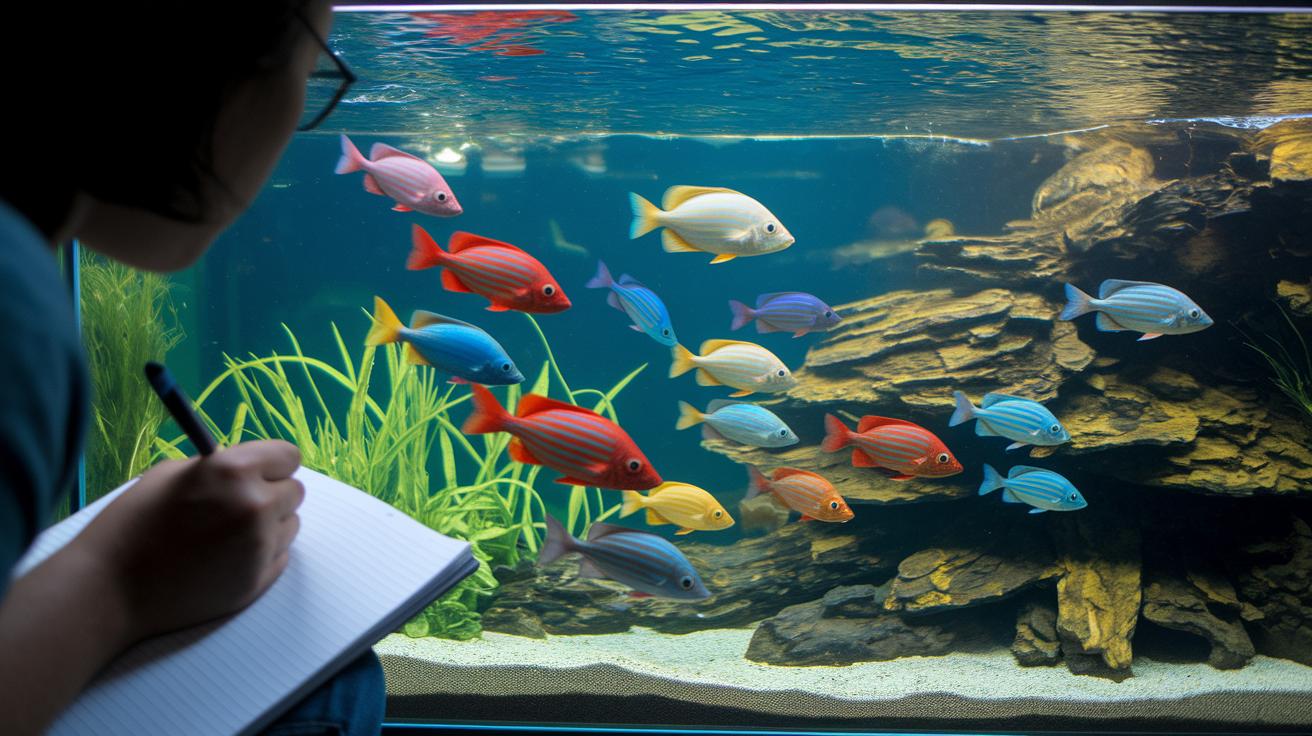
Keeping your fish happy and healthy starts with a daily check. Each day, spend a few minutes watching them as they eat, swim, and interact with one another. If you notice a fish eating less or moving slower than usual, it might be trying to tell you something is wrong. Take a quick look at its gills and skin for any new spots or changes that could hint at stress.
It helps a lot to keep a simple log of what you observe both daily and every week. Jot down any odd behaviors or changes in their routine, and note the water test results. If you see the same signs repeating or if several fish seem off, consider chatting with a marine veterinarian. This careful record keeps track of how your fish are doing and guides you to make smart tweaks with the tank or their diet.
Final Words
In the action, the post walked through spotting health signs in reef fish and sorting out illnesses by type. It explained key symptoms, treatment steps, quarantine tips, and upkeep of water quality.
The piece also shared ways to monitor long-term fish health and keep tanks bright and inviting. Keeping an eye on common reef fish diseases can help catch early signs and keep your underwater family happy. Keep your care routine steady, and your fish will thank you with vibrant little moves in your tank.
FAQ
Q: What are the most common reef fish diseases?
A: The most common reef fish diseases include parasitic infections like Cryptocaryon irritans (Ich) and Marine Velvet disease from Amyloodini ocellatum, along with bacterial, fungal, and protozoan issues affecting reef aquariums.
Q: What does Marine Velvet disease look like and how is it treated?
A: Marine Velvet disease appears as a yellowish-brown, velvet-like coating on fish. It typically requires quarantining the affected fish and applying copper-based medication to treat the infection effectively.
Q: What does Ich look like on saltwater fish?
A: Ich shows as tiny white spots resembling grains of salt on saltwater fish. Recognizing these white specks early leads to faster treatment, typically by raising the tank temperature to speed up the parasite’s cycle.
Q: Where can I find visual guides or PDFs for reef fish diseases?
A: Picture guides and PDFs serve as visual references to help aquarists spot common reef fish diseases. They highlight symptoms like white spots, lesions, and unusual behaviors to assist in early diagnosis.
Q: What diseases affect reef fish and what causes them?
A: Reef fish diseases span bacterial, fungal, parasitic, and rare viral syndromes. Parasitic infections like Cryptocaryon irritans and Brooklynella hostilis are major concerns that trigger specific treatments to combat the infection.
Q: How do freshwater fish diseases compare to marine ones?
A: Freshwater fish diseases share some similarities with marine ones but involve different pathogens. Visual guides highlight distinctions through spot patterns and lesions, ensuring each type receives proper treatment.
Q: What are Cryptocaryon irritans and Brooklynella hostilis?
A: Cryptocaryon irritans causes Ich-like symptoms in saltwater fish, while Brooklynella hostilis often leads to rapid mucus buildup. Each pathogen shows unique signs that require prompt, focused treatments.
Q: What roles do Uronema and Epistylis play in reef fish diseases?
A: Uronema is a ciliated protozoan causing severe disease in weakened fish, whereas Epistylis is linked to fungal-like growths. Recognizing these pathogens guides water quality improvements and specific treatments to support fish health.