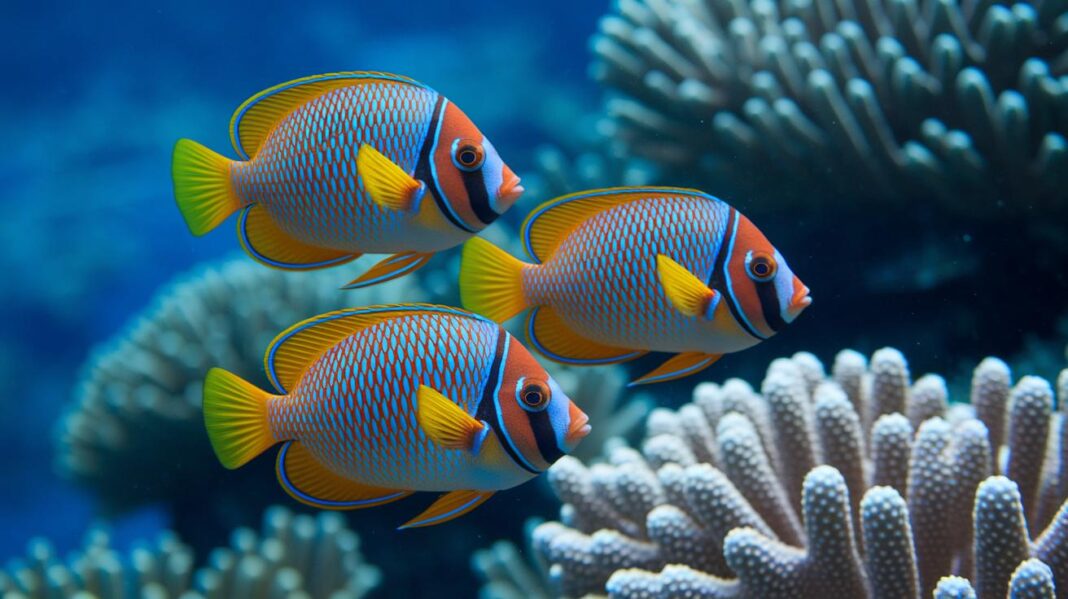

Have you ever thought that a few well-matched fish friends could brighten up your reef tank? When your fish share similar food preferences and enjoy a calm school of company, the whole tank feels more relaxed. I’m excited to show you three tank mates that slide right in with your reef, creating a soothing, balanced underwater scene. Picture graceful swimmers gliding gently through the water, each one adding its own quiet charm and a touch of excitement to your aquatic haven. Keep reading to see how these choices can make your reef tank thrive.
Essential Criteria for Reef‐Safe Tank Mates
When choosing tank buddies that are safe for your reef, start by checking out their temperament. Look for fish that are calm and friendly; these species naturally blend well, much like water merging with a gentle current. A relaxed fish drifting along can set a peaceful vibe that soothes everyone in the tank.
Next, think about their eating habits. It’s best to pick friends that have similar diets so they don’t compete for food. If your fish usually go for algae or tiny invertebrates, choose companions that enjoy the same snacks. This helps keep mealtime smooth and stress-free for all.
Also, matching water conditions is a must. Find fish that thrive in similar settings, like similar salt levels, pH, and temperature. Keeping your water between 75 and 82°F with a pH of 8.1 to 8.4 creates a cozy home where every creature feels right at ease.
When you combine a mellow temperament with shared food preferences and matching water needs, your reef tank turns into a calm, balanced ecosystem. Both science and personal experience show that these simple steps can really boost the health and vibrancy of your aquatic world.
Top Reef Fish Companions Beyond Clownfish
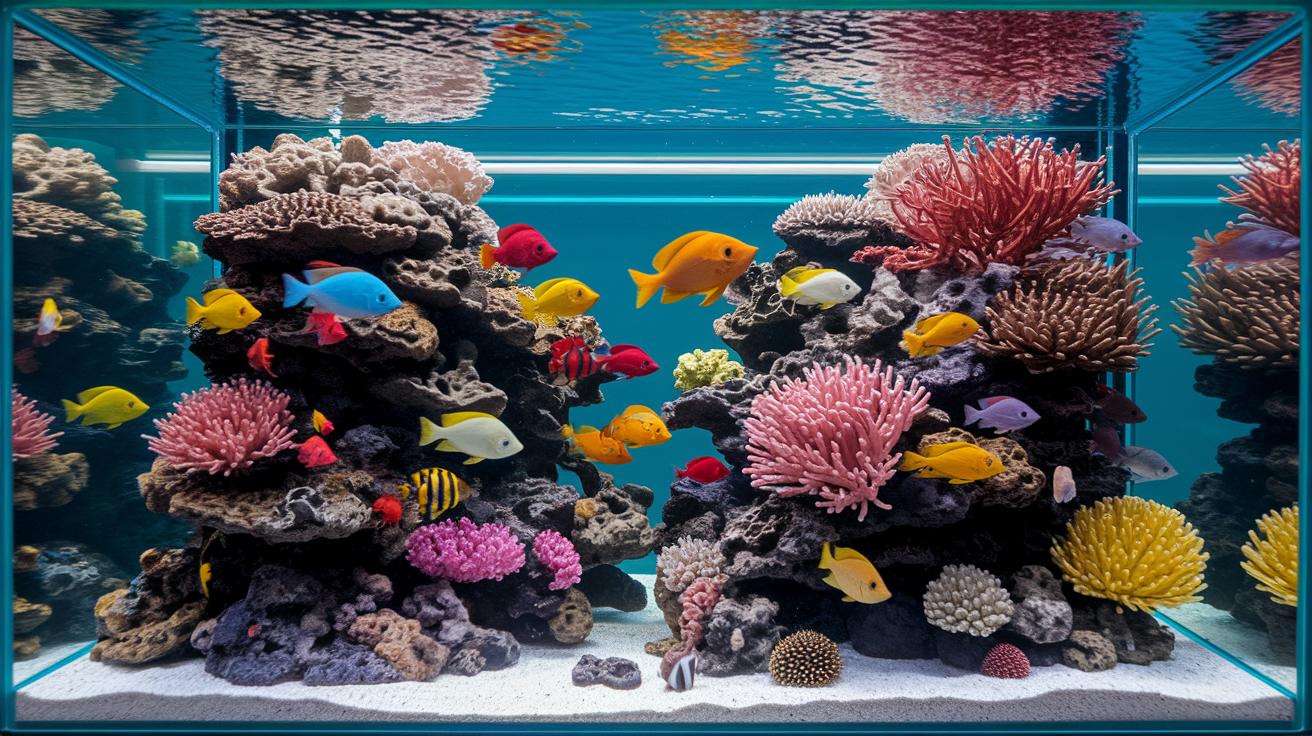
If you’re looking to mix up your reef tank beyond the usual Ocellaris and Percula, consider adding some less common species. Sticking with only the familiar faces might hold back your tank’s natural beauty and depth.
Trying out these alternative fish can really brighten up your underwater world. They bring diverse habits and feeding styles that work together to create a lively, healthy environment.
- Firefish: This bright little fish zips around happily and gets along well with other reef mates.
- Banggai Cardinalfish: With its calm and peaceful vibe, it helps make your tank feel even more soothing.
- Yellow Watchman Goby: Always alert, this fish quickly finds its spot and blends in with your reef décor.
- Royal Gramma: Its vivid colors and relaxed attitude make it a real standout without causing any fuss.
- Blue-Green Chromis: These social swimmers travel in groups, filling the tank with energetic movement.
- Coral Beauty Angelfish: Their gentle charm and just-right size add a thoughtful touch to the scene.
- Clown Goby: Compact and lively, this fish slips into tight spots effortlessly while keeping the peace.
- Pajama Cardinalfish: Known for its quiet and nighttime nature, it brings a calm presence when the tank settles down.
Each of these fish adds its own special character and helps create a balanced, attractive underwater display. Mixing up the species not only beautifies your tank but also supports a more stable and vibrant reef community.
Invertebrate Allies for Coral Habitats
When setting up a reef tank, consider inviting some friendly invertebrates into your aquatic world. Little helpers like cleaner shrimp, emerald crabs, and Nassarius snails work hard to keep algae in check and even reduce pesky parasites on both corals and fish. They munch on unwanted bits in the tank, much like nature’s own cleaning crew, to help maintain clear, healthy water.
These tiny critters naturally ease common tank challenges and create a balanced home for all its residents. Their busy work means your tank stays as vibrant and inviting as a glittering stream under the sun.
But be careful when choosing your tank mates. Some species might attack delicate corals or small neighbors, so it’s important to select only those that contribute to harmony. Also, double-check that the water conditions, like temperature and salt levels, are just right for these little creatures. With thoughtful pairing and regular care, your reef tank can transform into a thriving, lively underwater retreat that feels as refreshing as a cool ocean breeze.
Aligning Diet & Environmental Needs for Reef Cohesion
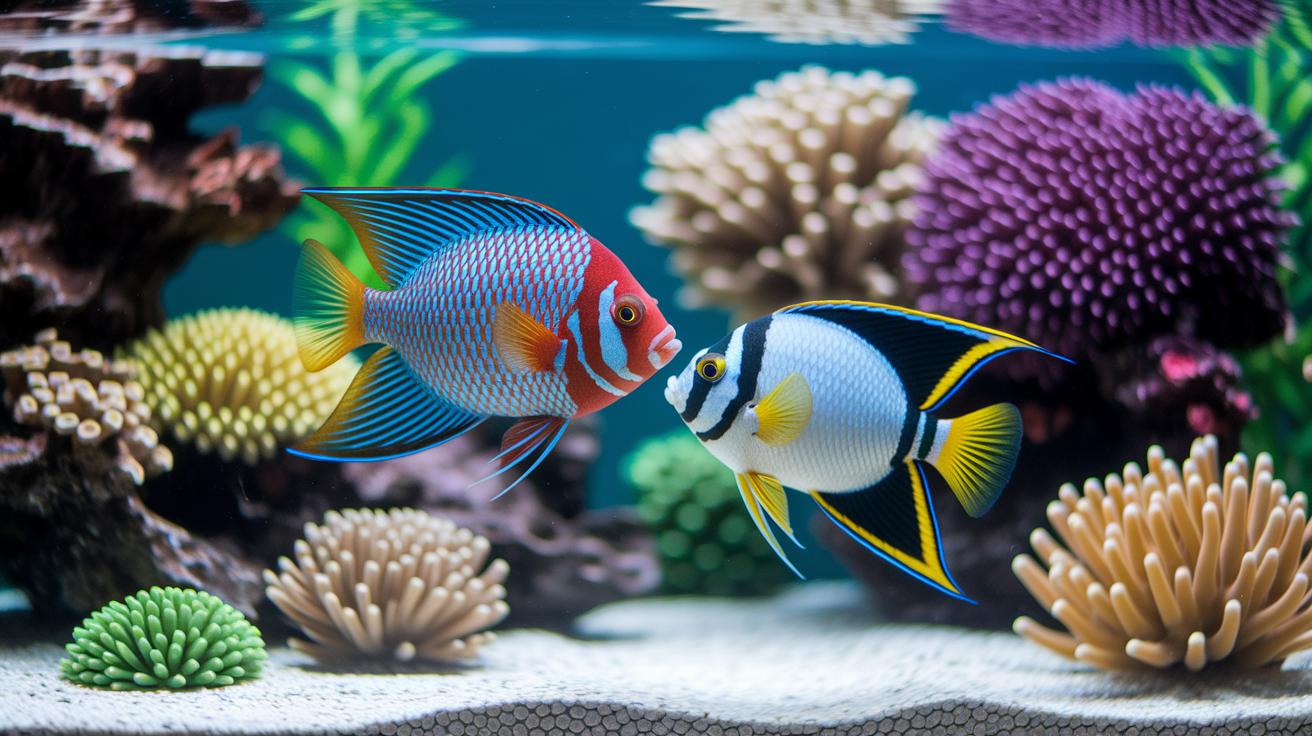
Matching fish with the right food is like sharing your favorite snack with a good friend. When you pair fish that eat similar diets, each one can enjoy mealtime without extra stress.
Next, keeping the water just right is key for a happy tank. Aim for a temperature between 75 and 82°F, a salinity of 1.023–1.025, and a pH level from 8.1 to 8.4. Keeping nitrate levels below 5 ppm is like reducing the extra chatter in a busy room, it helps your fish feel calm and thrive.
| Parameter | Ideal Range |
|---|---|
| Temperature | 75–82°F |
| Salinity | 1.023–1.025 |
| pH | 8.1–8.4 |
| Nitrate | <5 ppm |
Monitoring Behavior & Adjusting Community Dynamics
Keep an eye out for little signs that your fishy friends might be feeling stressed. If you spot fin-nipping, sudden hiding, or changes in their eating habits, it’s like your fish is trying to tell you something is off. For instance, if one fish keeps darting behind a piece of coral when another swims by, it might be avoiding a scuffle. Notice these signals early to help you nip problems in the bud. And if you see ongoing aggression, take a peek at our guide on common aquarium issues.
Sometimes, a few gentle changes can clear the water and ease tension in your tank. Adjusting how many fish are in one area or shifting decor around can break up tight spots. Adding extra hiding places or moving items around can reduce stressful encounters. By tweaking group sizes or changing positions, every fish can find its own safe zone. These simple shifts can help create a balanced, lively environment where all your aquatic pals feel at home.
Step-by-Step Guide to Introducing New Tank Mates
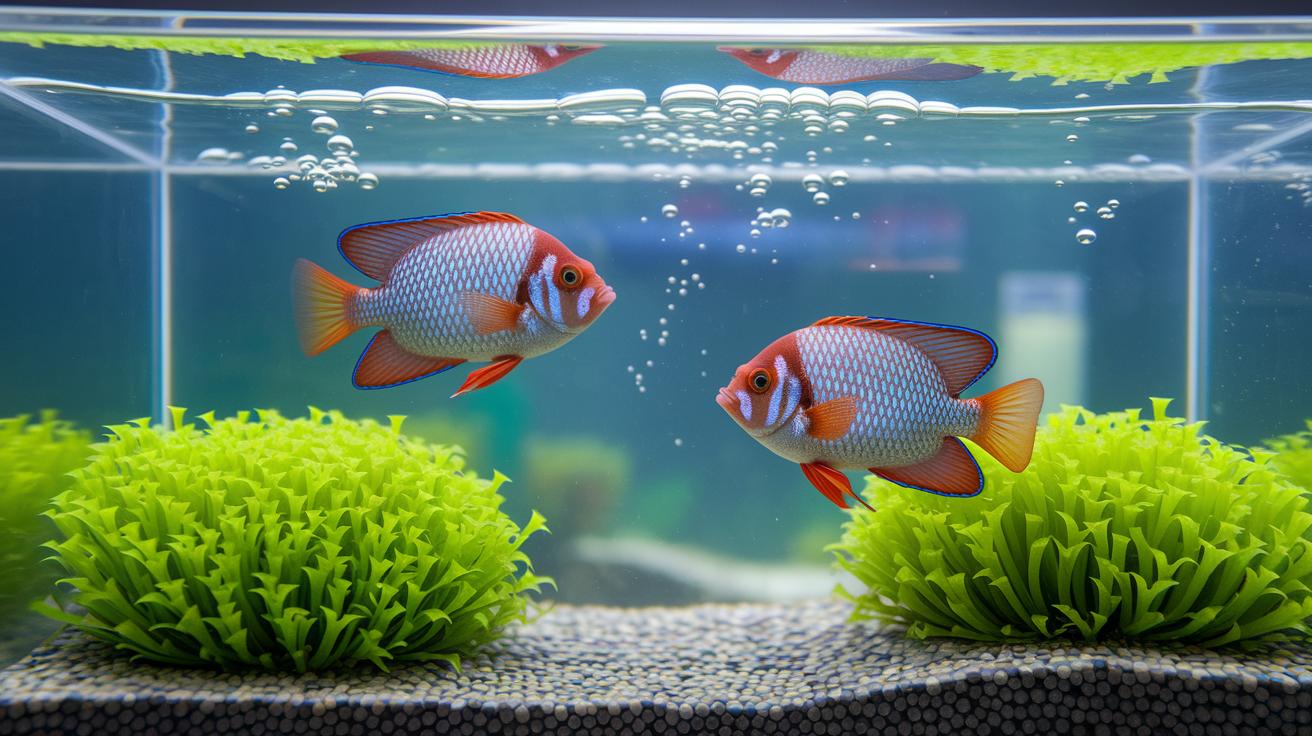
Before you welcome in any new fish, give them a special quarantine period of 2–4 weeks. This simple step helps make sure any hidden illness stays away from your current tank. Keep the water in this quarantine area similar to your main tank, same temperature and salt levels, to make the fish feel right at home. Picture a fish easing into a gentle current that feels just like its natural habitat.
Next, it’s time to focus on acclimation. When you’re ready to move your new pals, you can safely choose between the bucket method or the drip method. The drip method is a gentle process that lasts 1–2 hours. It works by slowly mixing a bit of your tank water with the water your new fish came in, helping them adapt without any sudden changes.
Finally, introduce your new friends gradually and keep a close eye on them. Start with a few fish to see how everyone adjusts together. Run daily water tests and check the fish’s health weekly to make sure the tank remains a calm and balanced environment. By watching how the fish interact and checking the water quality, you’re helping create a peaceful home for all your aquatic companions.
Final Words
In the action, we explored how tank mates with calm temperaments, matching diets, and ideal water needs come together for a thriving reef setup. We also covered overlooked fish, beneficial invertebrates, and smart ways to watch behavior and adjust community setups. Each approach works together like a gentle school of fish, creating a balanced and visually enticing aquatic home. The guide aims to help you select the best tank mates for reef fish while keeping your underwater world as harmonious as a serene tide.
FAQ
How do I choose the best tank mates for my reef tank?
The best tank mates are chosen by assessing species compatibility, temperament, and care needs. Reef fish should be peaceful and share similar water conditions to keep your display balanced.
How can I use saltwater fish compatibility charts or calculators?
Saltwater fish compatibility charts and calculators work by matching species based on diet, behavior, and water conditions. They help you quickly decide which fish will thrive together.
Where can I find saltwater fish for sale, especially for beginners?
Beginners can look to trusted marine shops or reputable online listings for saltwater fish sale. Choose hardy species noted for peaceful behavior and ease of care for a stress-free start.
What is the best saltwater fish for a 40-gallon tank and reef setup?
Ideal choices for a 40-gallon reef tank include small, reef-friendly species like Ocellaris clownfish or certain wrasses. Their size and calm nature suit the tank’s setting.
What is the least aggressive reef fish?
The least aggressive reef fish are usually small, community-friendly picks such as some gobies or pajama cardinalfish. They rarely nip fins and help keep your tank peaceful.
What is the best utility fish for a reef tank?
The best utility fish serve roles like pest control or algae management. Many wrasses are valued for naturally cleaning the tank and supporting a healthy reef ecosystem.
Can freshwater fish and reef fish be kept together?
Freshwater fish and reef fish cannot be housed together as they have different water requirements. Stick to saltwater species for a harmonious and thriving reef tank.