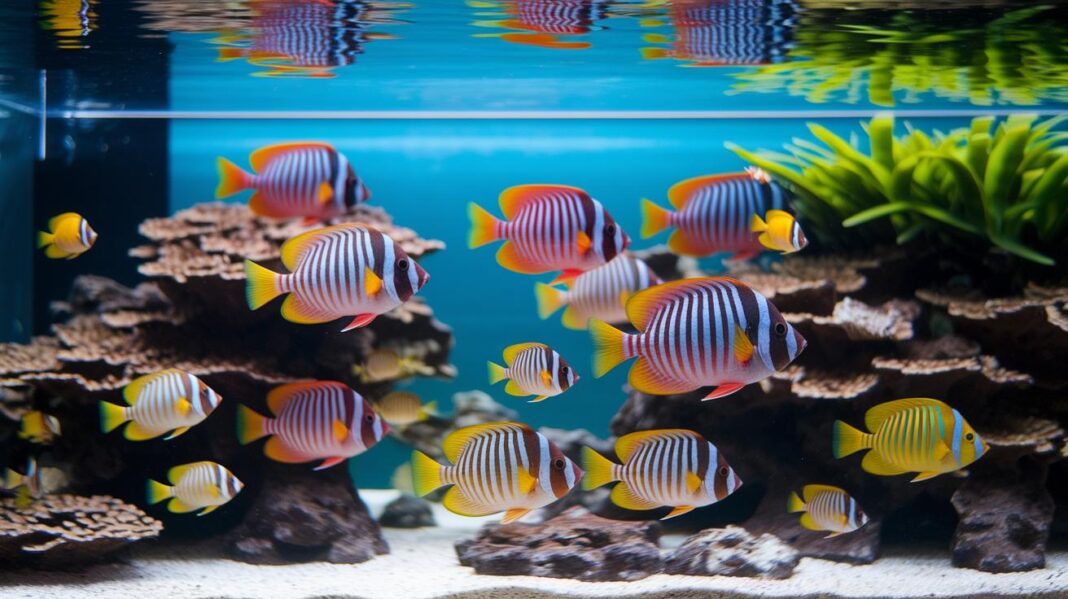

Ever noticed how a perfectly lit aquarium can feel like a slice of the ocean right in your home? When your tank gets the right light, it does more than simply brighten the space, it gives your corals the energy they need and really makes your fish colors pop.
Finding the right lighting for your reef aquarium is a bit like setting up your own underwater party. With the perfect glow, your display turns into a vibrant scene that reminds you of a sunny day by the sea. This guide takes you through the simple basics of reef aquarium lighting and shows you how to bring that natural, bright touch to your tank.
Reef Fish Aquarium Lighting Fundamentals
Reef tanks do best when they get about 9 to 12 hours of light each day. This amount of light helps both the corals and other light-loving organisms get the energy they need. PAR, which stands for photosynthetically active radiation, is the light that powers coral photosynthesis, kind of like how sunlight fuels plants. It's amazing to know that, much like plants, corals rely on visible light to stay healthy and strong.
Different types of lighting bring different mixes of light colors to your tank. LED lights, for example, give off a balanced blend of both visible light and some extra, non-visible rays. Those hidden wavelengths, like UV blue, add a pop of color by making your corals glow and shine. It’s a bit like setting up a seaside picnic where the right mix of light makes everything look naturally vibrant.
Key things to remember:
| What to Check | Why It Matters |
|---|---|
| Light intensity (PAR values) | Helps meet the needs of different corals |
| Stable light schedule | Creates a routine that minimizes stress for reef fish |
| Mix of cool and warm light | Mimics the natural ocean and boosts coral growth and fish visibility |
Fine-tuning your tank’s lighting is much like adjusting the brightness on your phone for the perfect view. When you get it just right, your reef comes alive with colorful corals and playful, lively fish. Ever notice how a simple change in light can completely transform the feel of your aquarium?
Comparing Lighting Technologies for Reef Fish Aquariums
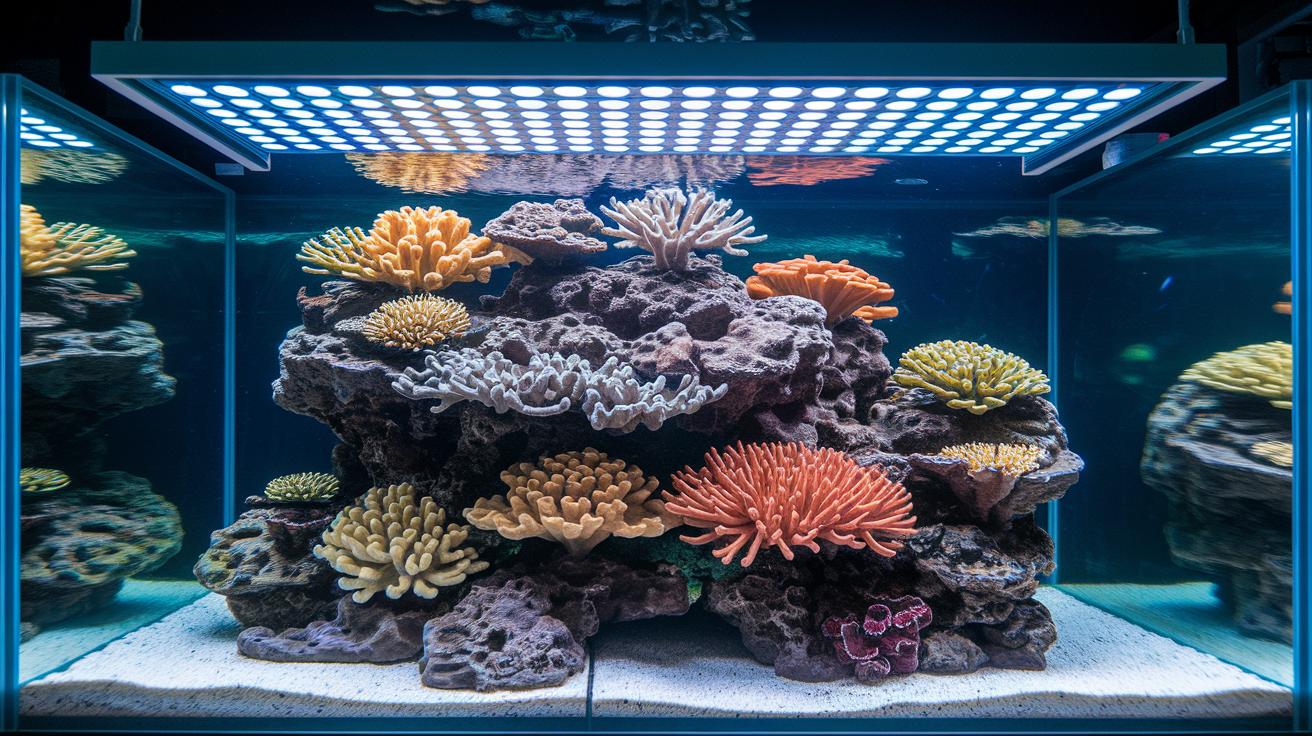
Fluorescent T5 bulbs cast a gentle, natural light that brings out the beautiful colors of your corals. They mix the shades really well, so every little detail in your reef swims into view. Just keep in mind that these bulbs need changing every 6 to 12 months to keep the glow vibrant. It’s a bit like replacing an old battery in your favorite gadget, routine, yet essential. Many beginners find them easy to use and reliable.
LED lights bring a modern twist that lasts for 5 to 10 years and keeps cool like a shaded lagoon. You can adjust these LEDs just like tweaking the settings on your favorite video game, ensuring every coral gets the perfect splash of light. Even though the initial cost is a bit higher, the long-term savings and low fuss make LEDs a wise pick for many reef tanks.
Metal Halide lights work like an underwater spotlight. They beam out a powerful, intense light that makes coral colors pop and deep hues come alive, turning your tank into a glowing underwater show. But watch out, they also give off a lot of heat, so you might need some extra cooling, like a small fan or a chill zone, to keep everything balanced. Think of it as setting up a dramatic stage underwater, exciting and brilliant, but with a need for careful temperature checks.
| Lighting Type | Longevity | Operating Temperature | Cost | Color Blending |
|---|---|---|---|---|
| Fluorescent T5 | 6-12 months (bulb) | Moderate | Low initial, regular replacement | Excellent |
| LED | 5-10 years | Cool | High initial, low maintenance | Very good |
| Metal Halide | Varies | High heat output | Moderate | Vibrant, intense |
Each lighting option has its own personality, so choose the one that fits your tank’s vibe, your budget, and how cozy you want the setup to be with maintenance.
Optimizing Light Spectrum and Intensity for Reef Fish and Coral Health
Setting up the right lighting in your reef tank is like creating a living work of art. The perfect balance of light colors and strength helps your corals feed on light and makes your fish feel right at home. For the most vibrant colors, aim for settings between 10,000 K and 20,000 K. It’s similar to how an artist mixes colors to bring a beautiful picture to life.
A touch of UV blue light is a must. These gentle rays help your corals grow strong and let other colors shine a bit deeper in your tank. When you balance the UV blue with other light shades, it creates a scene where the coral seems to glow and your fish move in a lively underwater dance.
Another important part is the PAR, or photosynthetically active radiation. Think of PAR as the energy your corals need to thrive. Too little light and they can't grow well; too much and it might stress your more delicate aquatic friends. Finding just the right amount is key.
Here are some simple steps to help tune your setup:
- Check the light strength using a reliable PAR meter.
- Adjust the settings so they match what your specific coral species need.
- Keep an eye on the mix of UV blue and other light to ensure both coral and fish are comfortable.
With a few careful tweaks, you can create an aquarium that feels like a sparkling underwater wonderland. Enjoy watching your tank come to life, much like the gentle ripple of water on a calm morning!
Automated Photoperiod Scheduling and Day-Night Transitions
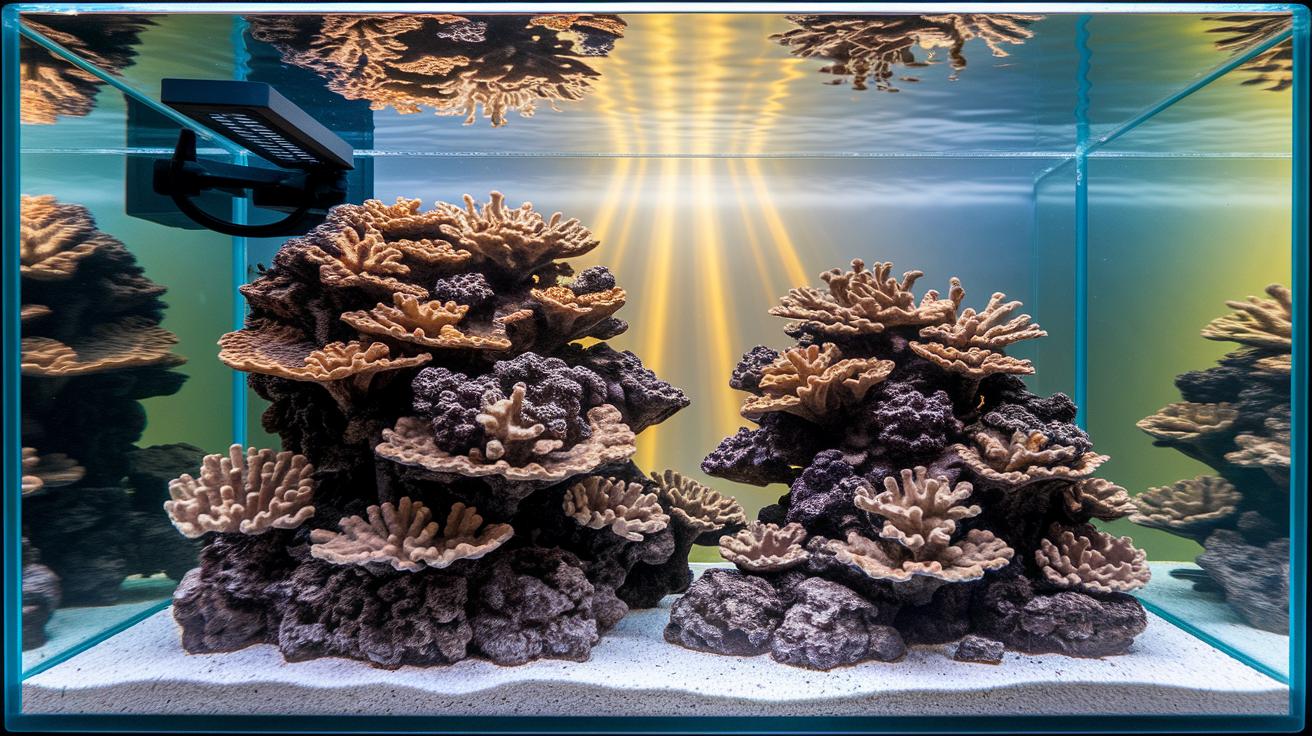
Imagine setting up your reef tank so that every day feels like a mini sunrise and sunset. Most reef setups shine for around 9 to 12 hours, giving your corals the light they need to thrive. With smart timers and digital controllers, you can make the light change as naturally as the ocean. For example, you can have your lights gradually brighten over 15 to 20 minutes, just like a gentle sunrise that slowly wakes your tank and eases your fish into the day. Later, the lights dim slowly, creating a calm, soothing sunset effect that helps reduce stress.
Using a smart controller is like having an automatic coffee maker, but for your aquarium. It frees you from adjusting the lights all day and keeps the rhythm true to nature, much like the ebb and flow of sea tides. So, set your timers, let the system run its course, and enjoy watching your reef shift naturally from day to night.
Fixture Positioning and Installation Best Practices for Reef Tanks
Getting even light across your reef tank is like letting the sun shine on a calm pond, it makes everything look bright and welcoming. Start by hanging your lights about 6 to 12 inches above the water so every corner gets a gentle glow. This setup helps keep dark spots and harsh glare at bay.
For T5 lights, a stable setup really makes a difference. Use mounting brackets meant for these fixtures so they stay secure and level, much like a sturdy rock holds a quiet current steady.
If you’re using a hybrid lighting model, consider adding diffusers. They soften intense light spots, creating a smooth, natural glow like the soft shimmer of water on a sunny day. The key is to place the diffusers so that light spreads out evenly across your tank.
Remember to space your fixtures evenly. This simple step stops unwanted shadows and glare that can disturb your fish and spoil the overall calm of your underwater scene.
- Hang your fixtures 6 to 12 inches above the water.
- Use the right mounting brackets for T5 lamps.
- Add diffusers on hybrid models to soften bright spots.
- Spread out fixtures evenly to avoid shadows and glare.
For more on combining smart light placement with your tank’s overall design, check out the design principles for a thriving aquarium ecosystem at https://sweetfysh.com?p=1197.
Maintenance, Troubleshooting, and Upgrading Reef Aquarium Lighting
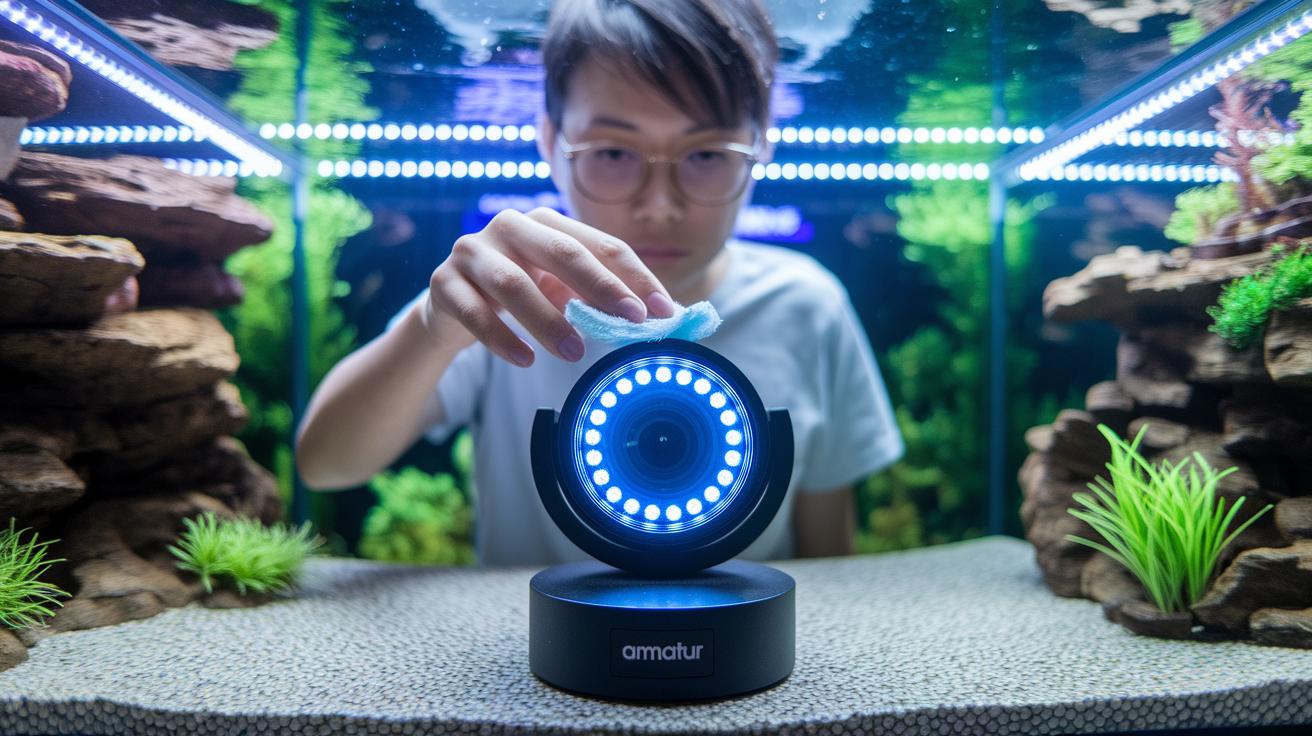
LED systems tend to shine brightly for 5 to 10 years, but you gotta clean their lenses regularly so they keep that steady glow. T5 bulbs, on the other hand, slowly lose some of their sparkle over time and usually need swapping out every 6 to 12 months. Metal Halide fixtures pack a punch but need you to regularly wipe down the reflectors and keep an eye on the temperature. Regular care not only brightens up your tank but also stops issues like flickering or patchy light from ruining the view.
Here are some friendly, step-by-step tips to help you maintain your aquarium lighting:
- Check your tank’s light intensity every week with a reliable meter.
- Clean LED lenses gently, scratches can really cut down on the light.
- Swap out T5 bulbs as soon as you notice they're getting dim; this helps keep the color vibrant.
- Look over Metal Halide reflectors for dust or salt buildup and give them a clean during your regular tank check.
- Try setting up automated reminders for your maintenance tasks so nothing gets overlooked.
If you run into problems like uneven lighting or unexpected flickering, take a close look at the lamp or its diffuser to figure out the source. Upgrading your setup can be a smart move too; you might consider adding dimmable modules or even retrofitting with programmable LED strips. These changes can help you adjust the brightness, lower heat output, and create smoother light transitions. And don’t forget, sometimes the water circulation around your tank can affect light distribution, it's like how currents shape the flow of water in a stream.
Final Words
In the action, we covered how to set up and care for your ideal reef tank lighting. We explored lighting fundamentals, compared LED, T5, and Metal Halide options, and discussed optimizing light spectrums, scheduling, and fixture positioning. This reef fish aquarium lighting guide showed the importance of matching photoperiod, PAR levels, and proper maintenance for a thriving aquatic scene. Keep experimenting with your setup, maintain your equipment, and enjoy a lively underwater home that brings a bright smile to every fish fan’s face.