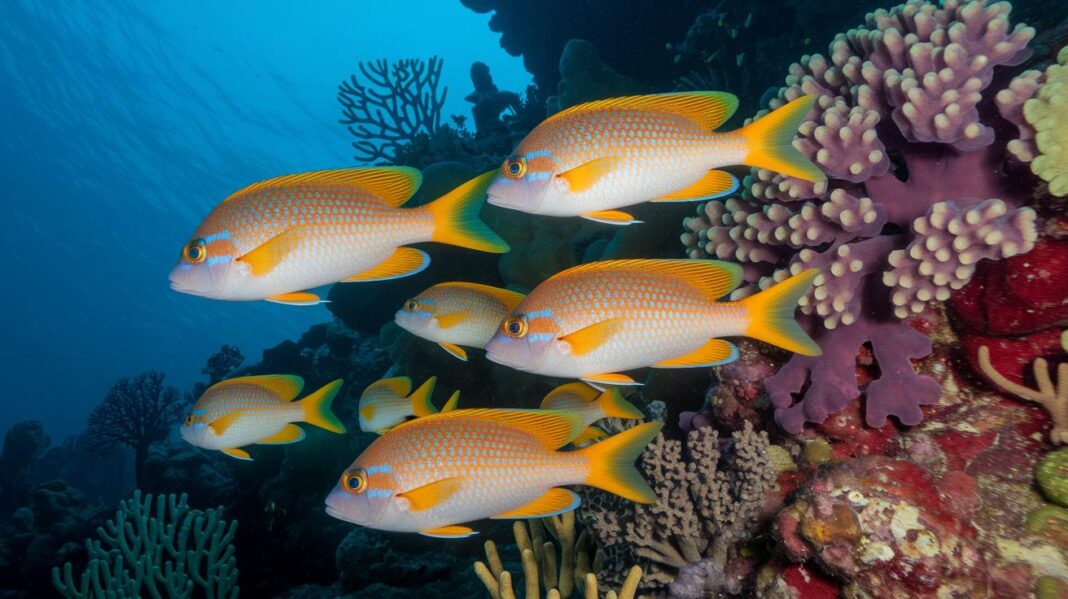

Ever wondered if breeding reef fish might be easier than you think? In this chat, I'll show you how to set up a tank that feels just like a real reef for your fish.
We keep things simple by making sure the water stays at just the right temperature, saltiness, and pH level, all of which help create a cozy hideaway where your fish can feel safe. With these basic steps, you'll see that setting up a natural home for your fish to start their families might not be as tricky as it seems.
Comprehensive Overview of Reef Fish Breeding Basics
Marine fish have their own special ways of having babies. Some fish release eggs into the water (spawning), others keep their eggs inside until the young are ready to swim (live-bearing), and some lay eggs and leave them to hatch on their own. Each method needs its own kind of tank setup that feels as natural as a cozy reef. It’s like creating different corners in your home for different moods.
Creating a tank that mimics the natural reef is key if you want your fish to breed happily. You’ll want to keep the water steady with temperatures between 76 and 82°F, salinity levels around 1.023 to 1.025, and a pH between 8.1 and 8.4. Adding live rock, sand beds, and plenty of hiding spots creates a familiar home for your fish and helps reduce their stress. Think of it as designing a mini underwater garden with all the elements that make nature so beautiful.
Here are a few important points to remember:
| Essential Element | Why It Matters |
|---|---|
| Stable Water Conditions | Keeping the temperature, salinity, and pH just right |
| Substrates and Live Rock | They offer shelter and a natural vibe |
| Lighting | Helps mimic the natural cycles of day and night |
| Filtration and Water Flow | Ensures the water stays clean and moves gently |
| Broodstock Nutrition | Special food to boost breeding success |
Taking the extra time to plan and monitor your tank makes all the difference. Setting up a dedicated rearing tank and moving eggs or larvae when needed can protect the young ones from being mistaken as a snack by bigger fish. Regular health checks before and after spawning help you catch any issues early. These careful efforts create an environment where your reef fish can thrive and feel right at home, just like enjoying the gentle sway of water on a peaceful day.
Reef Fish Breeding: Selecting and Conditioning Broodstock
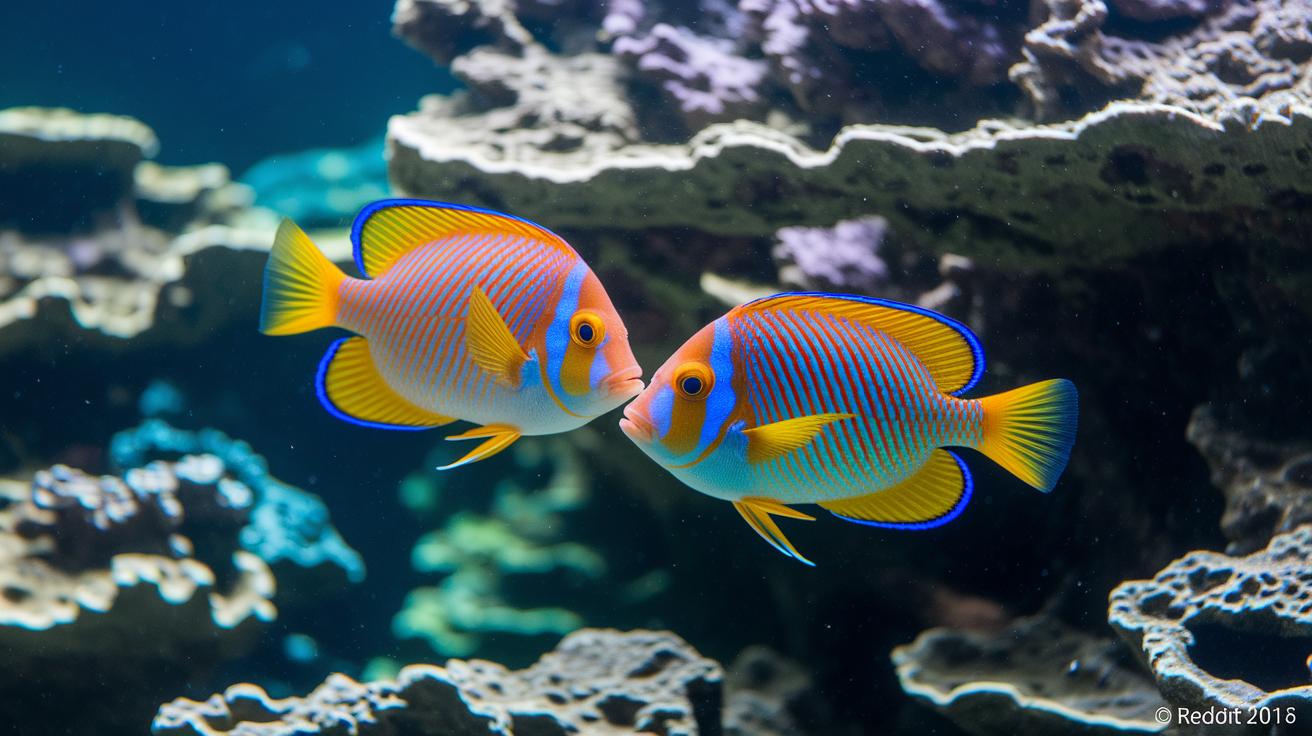
Picking healthy fish as your breeders is the first splash toward successful reef fish breeding. These fish do more than just look great, they show you they’ve been cared for well and point to a bright future for their young. Fish ready to breed usually hit maturity between six and 12 months old. They are active, strong, and get along nicely with one another, making them perfect to contribute to a varied and vibrant family line.
- Species that naturally get along and come from a good lineage
- Overall physical health without any signs of illness
- The right age and being fully mature
- Showing behavior that hints they’re a good pair
- A history of successful spawning
- A mix of genes for healthy offspring
Once you’ve chosen your ideal breeders, it’s time to get them ready. Over about 3 to 4 weeks, feed them live foods rich in vitamins and special feeds designed to boost fertility. Slight tweaks like a change in water temperature and more daylight can mimic nature, helping the fish find their rhythm and pair off. Keeping a close eye on parasites with regular checkups and quarantine keeps your breeders in top shape during this important time.
Reef Fish Breeding: Optimizing Tank Setup and Water Chemistry
Start by keeping your water temperature just right. You want it between 76°F and 82°F, and try to keep day-to-day changes under 1°F so your fish stay relaxed. Use a refractometer to check the salt levels, shooting for a specific gravity of 1.023 to 1.025. Think of it like keeping your favorite dish at just the right warmth so everything blends perfectly.
Next, focus on the pH level. It should be between 8.1 and 8.4. You can reach this range by using dosing kits or adding aragonite, which is like crushed seashells that gently balance the water. This pH range mirrors natural reef conditions, helping your fish manage their daily routines much like a well-prepared meal.
Then, set up your tank with thoughtful touches like live rock and fine-grain sand. These natural additions create cozy hideaways and let the good bacteria settle in to break down waste. They bring the charm of the natural ocean right into your tank, encouraging your fish to breed and flourish.
Finally, focus on keeping the water clear and healthy. Protein skimmers teamed with mechanical and biological filters work together to give you clear water, while a UV sterilizer can help keep unwanted germs at bay. Before adding any fish, run your new tank through a cycling process until ammonia and nitrite levels hit zero. Aim for a flow rate between 300 and 500 gph so your water remains well-oxygenated and balanced. Enjoy creating your own little underwater haven!
Reef Fish Breeding: Monitoring and Inducing Spawning Behavior
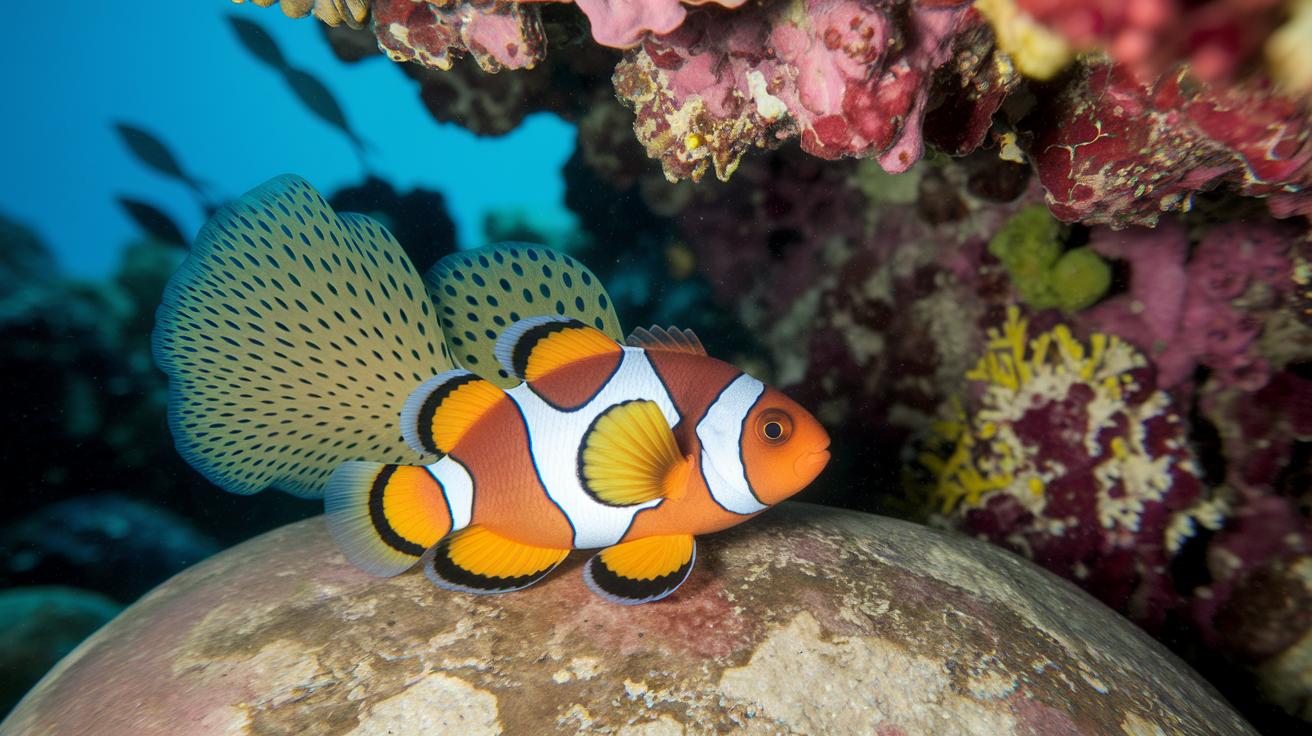
When you see the water warm up just a bit, by about 2 to 3°F, and notice that the light stays on for up to 14 hours, it's like nature is whispering a secret: it's time for courtship. You might catch a glimpse of a clownfish lazily hovering near its favorite smooth rock or a goby slipping into a cozy little crevice. These moments are the fish's way of saying, "Get ready, new life is coming!"
Each fish has its own special way of signaling that it's ready. Clownfish will often pick a flat spot to lay their eggs, while gobies might choose a burrow or a hidden nook to keep their spawn safe. Look out for signs like a brightening color, excited fin movements, or even a flurry of nest cleaning. It’s like the fish are sending little text messages through their behavior: "Hey, I'm ready!"
Sometimes, even these natural hints need a little extra help. When the usual cues aren’t enough, experts might use gentle methods like hormone injections (handled with care, of course) or slowly adjust the light schedule. This helps nudge the fish into their natural rhythm so that every fish gets its chance to shine during spawning.
Reef Fish Breeding: Egg Care and Larval Rearing Techniques
Right after spawning, move the eggs to a special rearing tank within 12 hours. This quick move helps keep adult fish from eating the precious eggs and makes a safe space for the tiny embryos. Think of it like taking delicate treasures to a hidden nursery where they have a better chance to bloom. Handle them gently to avoid any stress that might harm their future.
When the eggs hatch, add soft bubbles to the rearing tank and keep a steady level of microalgae, about 50,000 to 100,000 cells per milliliter. The new larvae need a meal of rotifers, with about 10 to 20 rotifers per mL, boosted with Nannochloropsis so they get extra nutrition. Picture these little rotifers swirling around like tiny dancers, giving the larvae a nourishing start.
During the first week, as the larvae grow, slowly switch their food from rotifers to copepods and Artemia nauplii, usually between day 7 and day 10. This gradual shift is like introducing a young child to new foods, helping their digestive system learn and grow. Keep a close eye on how they feed so they always get the nutrients they need.
To help the young fish feel calm, use dim lighting with short blackout periods at levels of about 0.2 to 0.5 µmol·m⁻²·s⁻¹ for the first five days. Also, try not to overcrowd, less than 50 larvae per liter is best. Imagine a serene underwater scene, softly lit and peaceful, where each larva has the room and care it needs to flourish.
Reef Fish Breeding: Troubleshooting Common Challenges
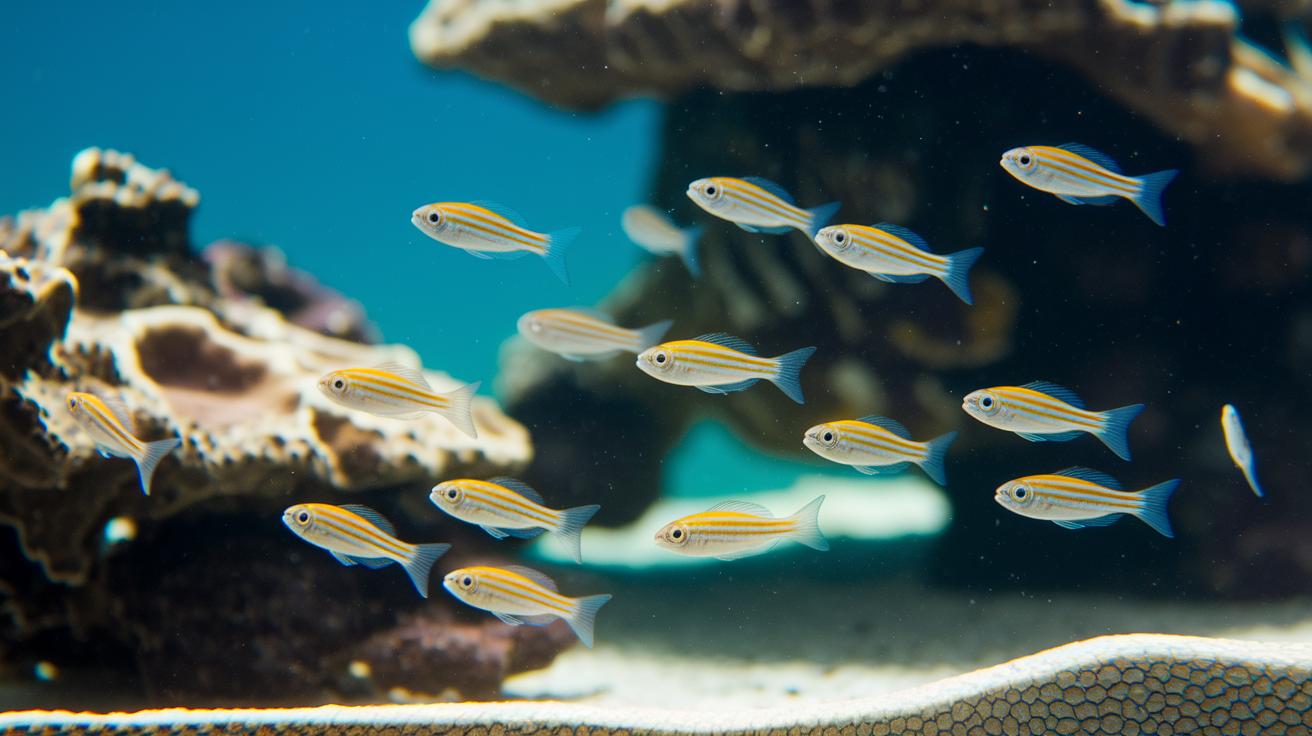
Even a tiny shift in water quality, like a small change in salinity, pH, or temperature, can stop baby reef fish larvae from settling, much like a gentle ripple can disturb a still pond. Keeping these numbers stable is key, so make sure you check them regularly and adjust slowly if you spot any odd behavior or skipped settlements.
When too many larvae are crammed together, it can stress them out, just like overpacking a small suitcase. Lowering the number to about 20 to 30 larvae per liter and adding extra hiding spots creates a calmer space where they can relax and grow. A quick daily look into the tank can help you spot crowded conditions and make adjustments as needed.
Eggs and larvae are delicate and can quickly fall prey to infections from fungi or bacteria. A mild iodine dip, around 5 to 10 ppm, before moving eggs to a different tank can help keep these germs away. Also, checking ammonia and nitrite levels each day, and using tools like UV sterilization, keeps harmful bacteria in check. Simple fixes, such as changing 10 to 15% of the water daily or tweaking the water flow, help maintain a pristine, safe environment for your fish.
Final Words
In the action, we explored reef fish breeding basics, covering everything from natural reproduction modes to the perfect tank setup. We looked at ideal water conditions, broodstock selection, and strategies for nurturing eggs and fragile larvae.
The article broke down critical steps like maintaining water quality, monitoring fish behavior, and troubleshooting common challenges. With clear guidance and practical tips, every fish lover can create a vibrant aquatic sanctuary. Here's to healthy, thriving tanks for all your aquatic pets!