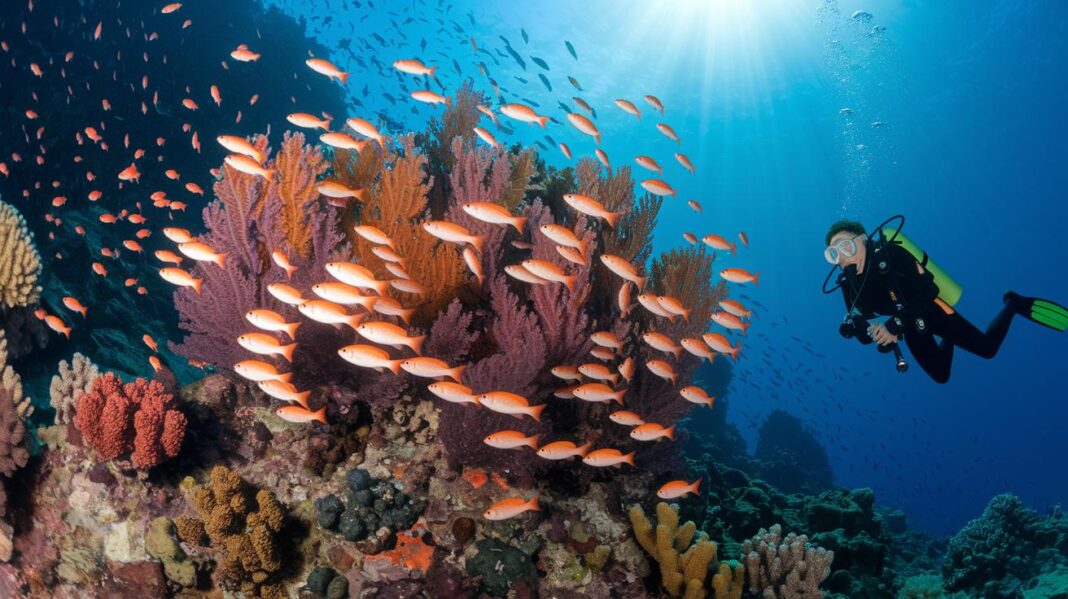

Have you ever thought about whether human-made underwater structures really do wonders for fish, or if nature’s own plan is the secret? Creating a reef out of natural materials gives fish safe places to snack, hide, and grow. Picture smooth rocks, native plants, and weathered logs coming together like a picture-perfect puzzle that fish call home. This post shows how following nature’s own recipe can balance the underwater world and create a buzzing marine neighborhood.
Natural Reef Foundations for Fish Habitat
Natural reef structures are like secret underwater hideouts, giving fish a safe place to rest and play. They create cozy spots where fish can munch on food, lay their eggs, and hide from danger. Picture a mix of smooth rocks, familiar local plants, and bits of fallen trees coming together to build a vibrant underwater retreat. This natural setup forms the backbone of a thriving marine home, offering different little corners for fish to enjoy every day.
This gentle, natural setting does more than just provide shelter. It acts like a little workshop where fish find constant nourishment and protection. Imagine rocky crevices mixed with patches of wandering plants and scattered logs that become safe nurseries for young fish and perfect spawning grounds. It’s a reflection of the balanced, bustling life you’d expect in pristine, untouched waters.
When you line up these natural setups against man-made habitats, the difference is clear. Artificial structures may be simple to install, but they rely on plain, uniform materials like cinder blocks. They just don’t capture the free, wild spirit of nature. In contrast, building a natural reef uses elements like sturdy boulders, native plants, and logs that slowly decompose to feed the ecosystem. This approach not only creates an authentic fish sanctuary but also preserves the organic balance of the marine world. Embracing these natural treasures invites a lively mix and enduring benefits for the entire underwater community.
Selecting Optimal Sites for Reef Fish Sanctuary Planning
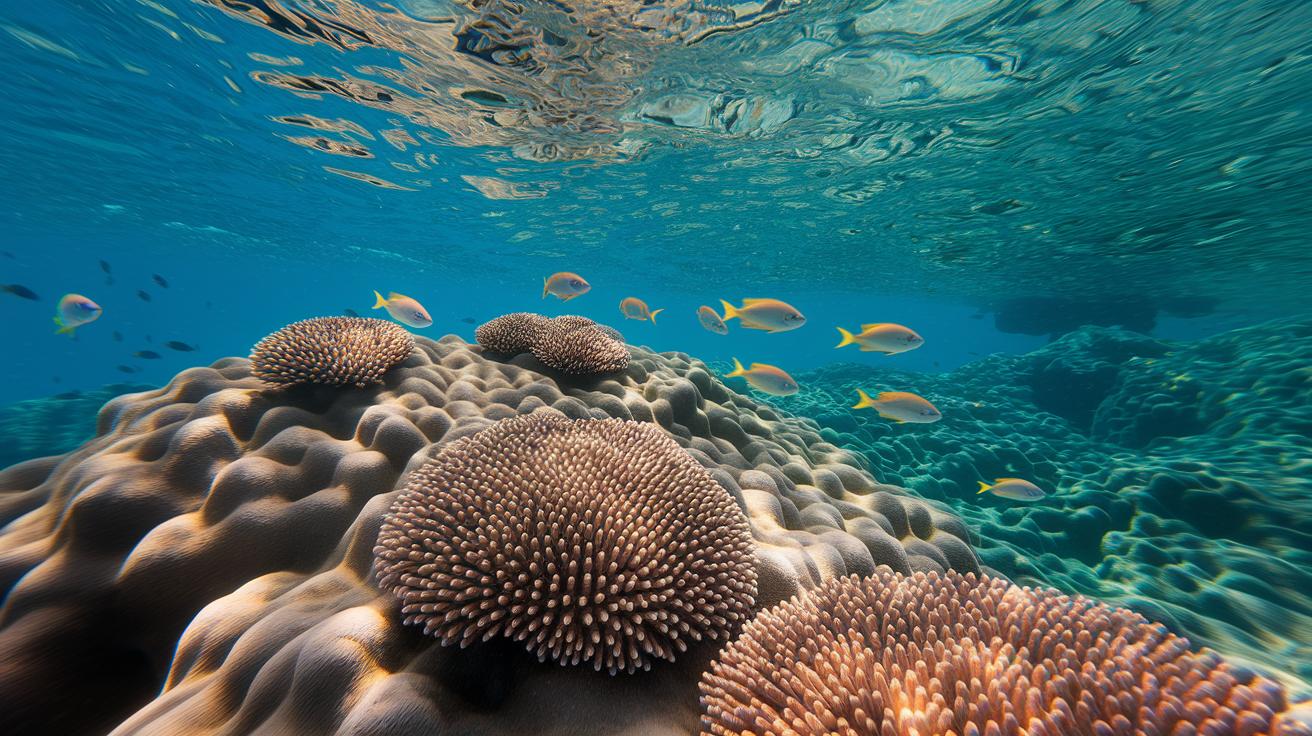
Finding the perfect spot for a reef fish sanctuary is like selecting the best corner of a peaceful pond. You want a calm, clear place where fish can easily nibble on food, grow strong, and find safe nooks to hide and breed. Picture a quiet underwater space where everything flows gently, and every ripple feels like a soft whisper of nature.
Here are some friendly tips to help guide your choice:
- Current flow: Look for spots where the water moves slowly. A gentle flow helps fish find food and care for their young.
- Sturdy ground: A clean, steady base of sand or rock gives fish a safe place to settle.
- Depth: Areas that are between 5 and 30 feet deep work best. This range supports many kinds of marine life.
- Clear waters: See-through water lets sunlight help algae grow, providing both food and shelter for the fish.
- Storm shelter: Choose spots that naturally shield the habitat from harsh weather.
- Local rules: Make sure to check local permits and regulations. It’s important to have all the proper permissions to create a thriving sanctuary.
In sunny places like Florida and Costa Rica, experts have discovered that calm currents and firm, clean bottoms help baby and adult fish thrive alike. They also keep an eye on local laws, just like double-checking your aquarium setup, to ensure everything stays safe and secure.
Mixing the natural needs of the fish with local guidelines sets the stage for a successful and long-lasting habitat. It’s all about getting the little details right, from the soft murmur of the water to the stable ground beneath, so your fish feel right at home.
Materials and Bio-Structuring Techniques for Eco-Friendly Reef Development
Picking the right materials is the first step to building underwater homes that feel like nature while keeping our marine friends cozy and safe. We mix natural items with smart methods to create structures that nurture life, much like arranging smooth pebbles by a bubbling stream. For example, big natural rocks over two feet wide help slow the water's flow and give algae a friendly spot to settle. Native water plants drop in extra shade, keep erosion at bay, filter out extra nutrients, and even add a bit of oxygen to the water, making the whole scene healthier for everyone. Heavy trees and logs also add layers that create secret spots for fish, though sometimes they need a little clean-up when they start to decay. And when natural options are hard to find, cinder blocks prove to be a sturdy, lasting alternative. If you want to dive deeper into this idea, check out Using natural decor to support aquarium ecosystems for more tips on blending local materials into your design. This mix of choices helps build a balanced, eco-friendly reef that truly feels like home.
| Material | Function | Pros | Cons |
|---|---|---|---|
| Boulders (>2 ft diameter) | Slow down currents and give algae a spot to grow | Strong, natural support that boosts algae growth | May need heavy gear to move them |
| Native aquatic plants | Add shade, control erosion, filter nutrients, and oxygenate the water | Enhances water quality and makes the habitat more inviting | Seasonal changes require replanting at times |
| Weighted trees/logs | Create layers and hidden nooks for fish | Mimics a natural setting and boosts fish diversity | Breaks down over time and needs scheduled removal |
| Cinder blocks | Offer a lasting, sturdy base when nature falls short | Reliable with a consistent shape | They miss that natural look and might need tweaks to blend in |
Step-by-Step Underwater Construction Methods for Coral Ecosystem Design
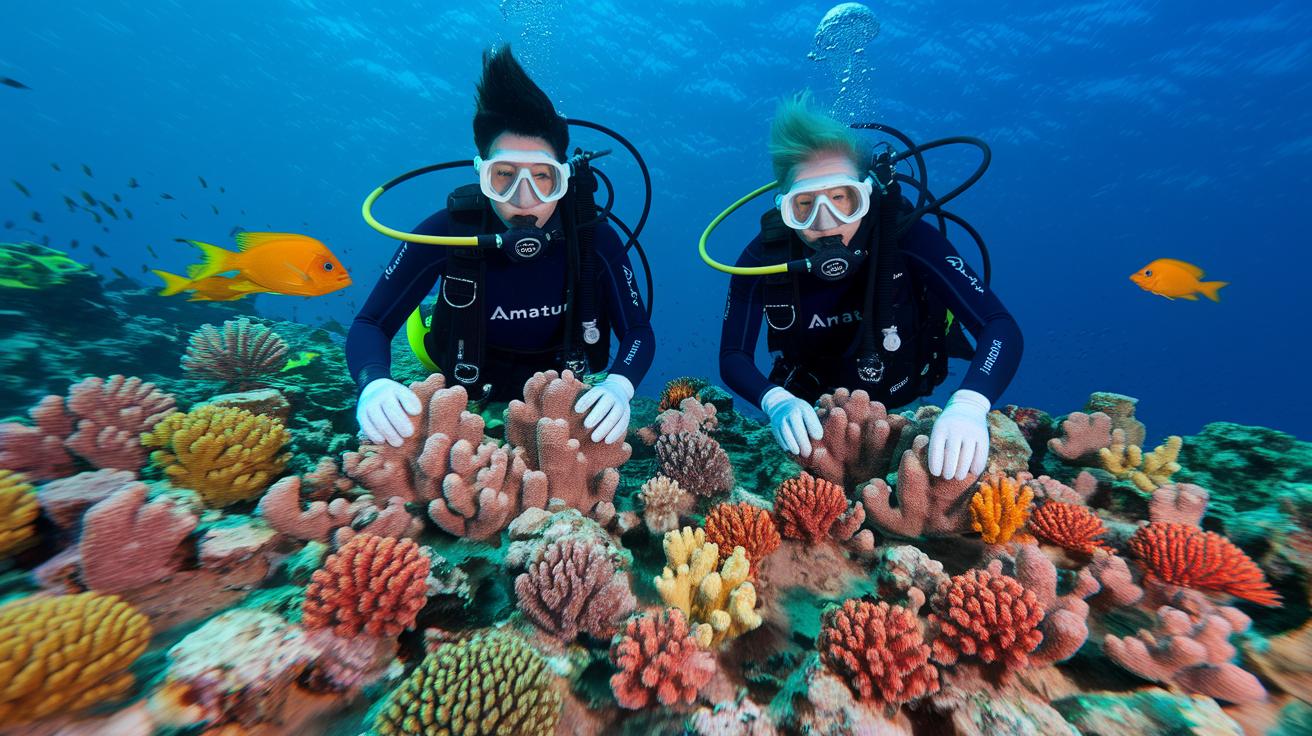
Before you dive in, it’s smart to try out your coral design on land. This lets you fix any bumps in the plan without the pressure of deep water. It’s like practicing a play before the big underwater show.
Once your design is good on land, it’s time to move your pieces to the water. Whether you’re using natural rocks or sturdy blocks, boats and barges help bring everything over safely. Each piece needs to arrive in one piece so your setup stays strong.
Now, with all your materials in place underwater, start by creating a solid base. You carefully level the seabed to set the stage for everything that follows. A smooth base means you won’t have to worry about extra anchoring if the water moves gently.
After your base is set, add more layers one after the other. Each new level builds on the one before it, providing cozy hiding spots and little corners for your fish friends. This step turns your reef into a lively maze where marine life can explore.
Next, install a center support column in your reef. This extra piece is like the beams in a house, giving the whole structure more strength. The added cross-bracing helps the reef stand strong against nature’s gentle pushes.
Then comes the fun part, shaping your reef into an underwater home. Carve out crevices and overhangs to create perfect little habitats. This careful sculpting invites corals and fish to settle in, turning your creation into a thriving community.
Finally, give your reef a close inspection to check that everything fits well and stays steady. Make a few tweaks if needed so your design is ready to welcome its new residents.
Enhancing Aquatic Biodiversity and Native Species Protection in Reef Fish Habitat
When a natural reef starts to take shape, it's like watching a hidden underwater town come to life over the course of a year. Soft corals, crabs, fish eggs, and algae slowly cover the new structure, much like colorful brushstrokes spreading over a canvas. These early settlers set the stage for a lively community, and every new species that joins in makes the ecosystem even richer. It's a promising sign for anyone eager to see more life flourish in their reef design.
Picking the right local plants and animals is the secret to long-lasting success for your habitat. Experts suggest introducing pioneer species like fast-growing corals and quick-spreading algae to jump-start the growth process. Adding native coral fragments and local fish larvae gives the reef a natural boost, keeping everything in balance and true to the local environment. This thoughtful approach not only helps marine plants thrive but also protects the native species that make the habitat unique.
Keeping a simple timeline lets you see how the reef’s life steadily builds up. In the beginning, the habitat draws in fast-growing newcomers, and soon a mix of different reef creatures adds deeper layers of life. With regular checks, you'll notice a growing variety and a stable home emerging underwater. As the ecosystem matures, the lively community shows just how resilient and in tune with nature the reef has become, a perfect blend of science and the beauty of our oceans.
Long-Term Monitoring, Maintenance, and Sustainable Marine Preservation
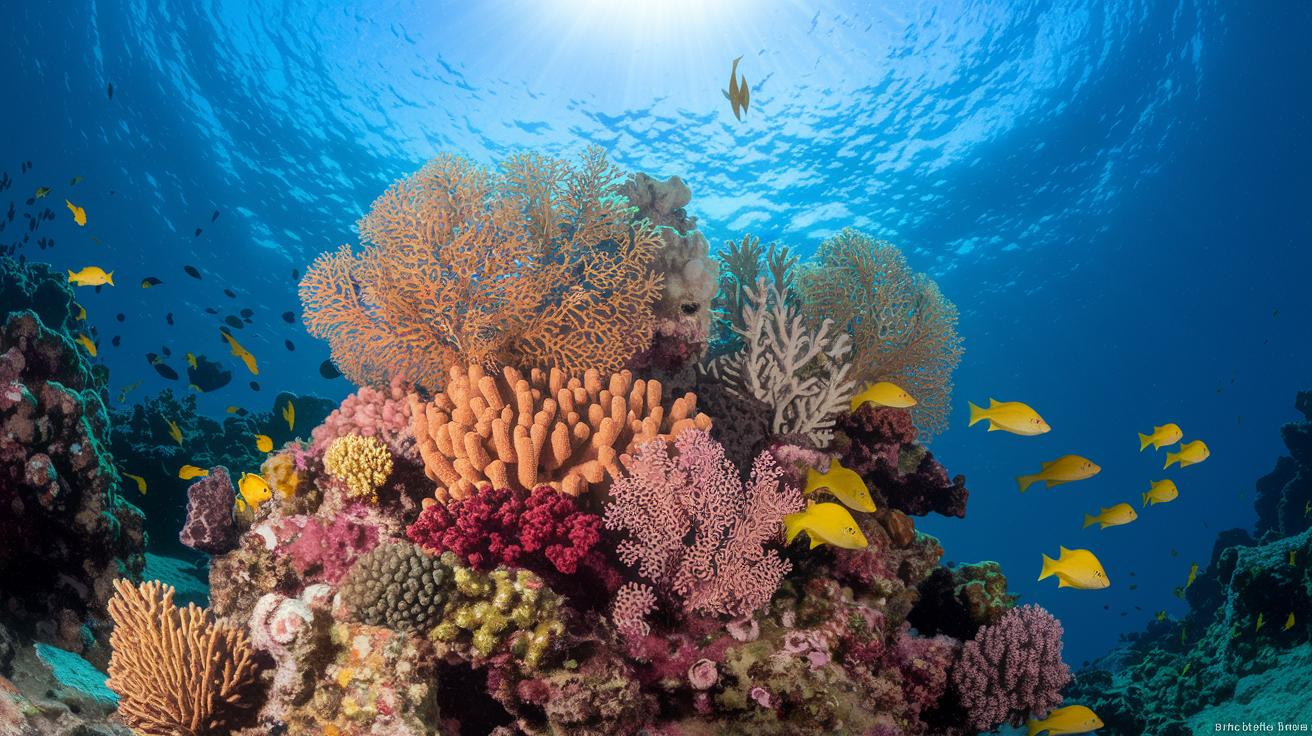
Weekly visits are like checking on your favorite aquarium. These friendly check-ups help you see if the reef’s structure is holding strong and if the coral and new critters are thriving. When you inspect, take a moment to ensure every part of the reef stays in place and watch as tiny residents begin to claim their spots. It’s a bit like noticing a small change in your aquarium that might save you from bigger problems later. Sometimes, a subtle shift in texture or color quietly hints at what's happening, much like reading the mood of a gentle tide.
Caring for your underwater home is just as important as setting it up in the first place. As the reef grows, remove any weathered logs and add fresh, approved pieces to keep the scene tidy and inviting. Think of it as knowing when to let go of the old and welcoming the new, a method that helps helpful organisms grow while keeping erosion at bay. This steady routine creates a balanced, welcoming underwater space where every resident has a place to be.
It’s also important to follow local coastal protection rules. By staying in line with these guidelines, you help prevent damage from anchors and meet environmental standards, ensuring that your marine habitat stays safe and abundant.
Final Words
In the action, we've stepped into the world of natural reef foundations, optimal site selection, and eco-friendly building methods. You learned how using boulders, native plants, and a well-planned underwater set-up can support diverse aquatic life.
We wrap up by focusing on creating a natural reef fish habitat that offers protection, nourishment, and the chance for underwater beauty to flourish. With proper upkeep, your aquatic space can remain a vibrant, healthy haven.
FAQ
How can I create a natural reef fish habitat in the ocean?
Creating a natural reef fish habitat means imitating the complex layout of natural reefs using rocks, native plants, and logs to offer safe feeding, breeding, and hiding spots for fish.
What types of fish habitat exist and what defines them?
Various fish habitats include coral reefs, mangroves, estuaries, intertidal zones, atolls, and forested riverbanks. They each provide unique shelters, food sources, and breeding grounds that support different fish species.
How do fish habitats supply food and shelter?
Fish habitats offer food by supporting algae, plants, and smaller prey while their physical structures provide essential shelter for protection and breeding, creating balanced ecosystems for marine life.
What is a coral reef habitat and which animals call it home?
A coral reef habitat is built by living coral and creates a vibrant underwater structure that serves as a home to various fish, invertebrates, and algae, all thriving together in a balanced ecosystem.
What methods are used in coral reef restoration and can coral reefs be cultivated?
Coral reef restoration involves transplanting healthy coral and using artificial structures to support regrowth, proving that coral reefs can be cultivated by mimicking natural growth and recovery patterns.
How can I build a homemade fish structure for my pond?
Building a homemade fish structure involves using safe, natural materials such as rocks, logs, or cinder blocks to create crevices and open spaces that mirror natural reef features, attracting and sheltering pond fish.
What types of trees or vegetation support fish habitats?
Trees like mangroves and overhanging native vegetation support fish habitats by providing shade, stabilizing banks, and forming soft, natural cover that benefits aquatic life.
What are examples of natural aquatic areas and how do they differ?
Natural aquatic areas include lively coral reefs with intricate structures, estuaries where fresh and salt water mix, dynamic intertidal zones, atolls with ringlike formations, and dense mangrove areas nurturing marine diversity.