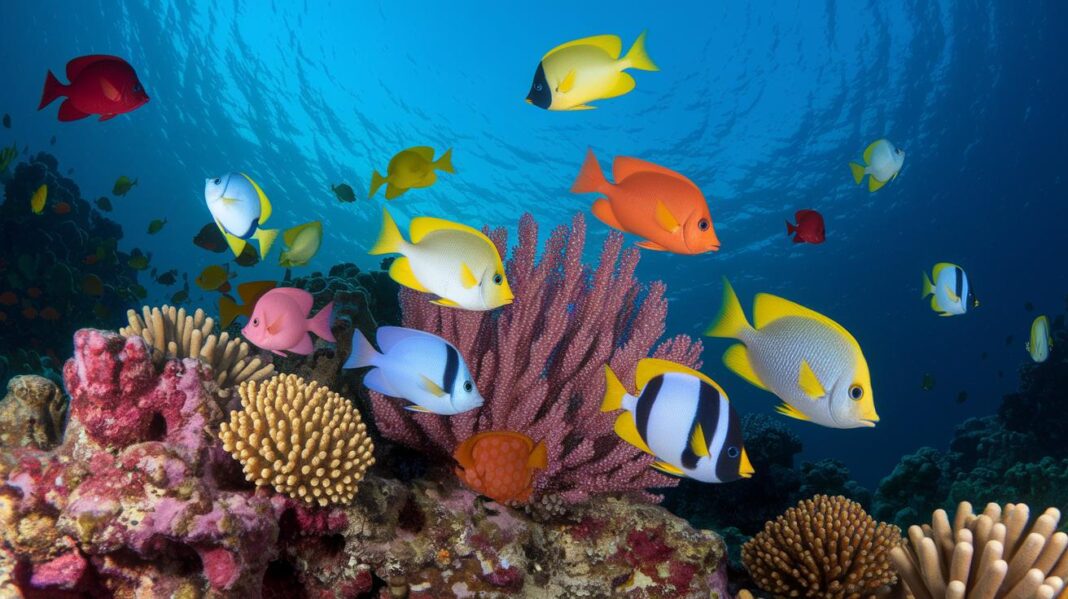

Ever notice how your reef fish might not be getting all the good stuff they need? Many of our underwater pals love a diet that feels just like nature’s own buffet of fresh live, frozen, and dry treats. Imagine your fish lighting up with brilliant colors and playful energy after enjoying a meal that's balanced like a natural current.
In this blog, we’ll dive into how proteins, fats, and key fatty acids work together to keep your fish strong and full of life. Join us as we explore ways to serve up a meal plan that feels as natural as a gentle stream, making sure your reef fish stay happy and healthy.
Reef Fish Dietary Needs: Bright, Balanced Bites
When it comes to feeding reef fish, it’s all about echoing nature’s own menu. Every fish has its favorite dishes, so offering a mix of live, frozen, and dry foods feels just right. Think of it as setting up an underwater picnic featuring treats like brine shrimp, mysis, and top-quality flakes or pellets. In these meals, protein should cover 40–55% of what they eat, while fats contribute 10–20% for the little ones and 5–10% for the grown-ups. And those essential fatty acids, EPA and DHA, are like little helpers since the fish can’t create them on their own. Imagine a reef fish munching on a meal that sparkles with nutrition, much like a favorite engine purring on premium fuel.
Taking a moment to rinse frozen foods before serving sweeps away any extra preservatives and keeps those nutrients pure. Switching up food types often helps avoid a buildup of vitamins or minerals that might throw off balance. A good rule of thumb is to offer just what your fish can finish in five minutes. This ensures that every fish gets its fair share and that the water remains clear. Feeding smaller amounts several times a day also mimics the natural rhythms of life in the wild.
Keeping the diet balanced means watching both the amount and the type of food served. Supplements should only step in when they add real value, because too many extras might even lead to growth issues. A blend of live, frozen, and dry foods gives your reef fish the perfect mix of nutrients. Plus, varying the types of food encourages natural eating habits and helps ease any competition among the fish. Regular checks and a tidy tank further support healthy feeding routines and crystal-clear water. In the end, a bright, balanced bite keeps your aquatic friends strong and happy, just like a well-tended underwater garden.
Key Food Types for a Balanced Reef Fish Diet
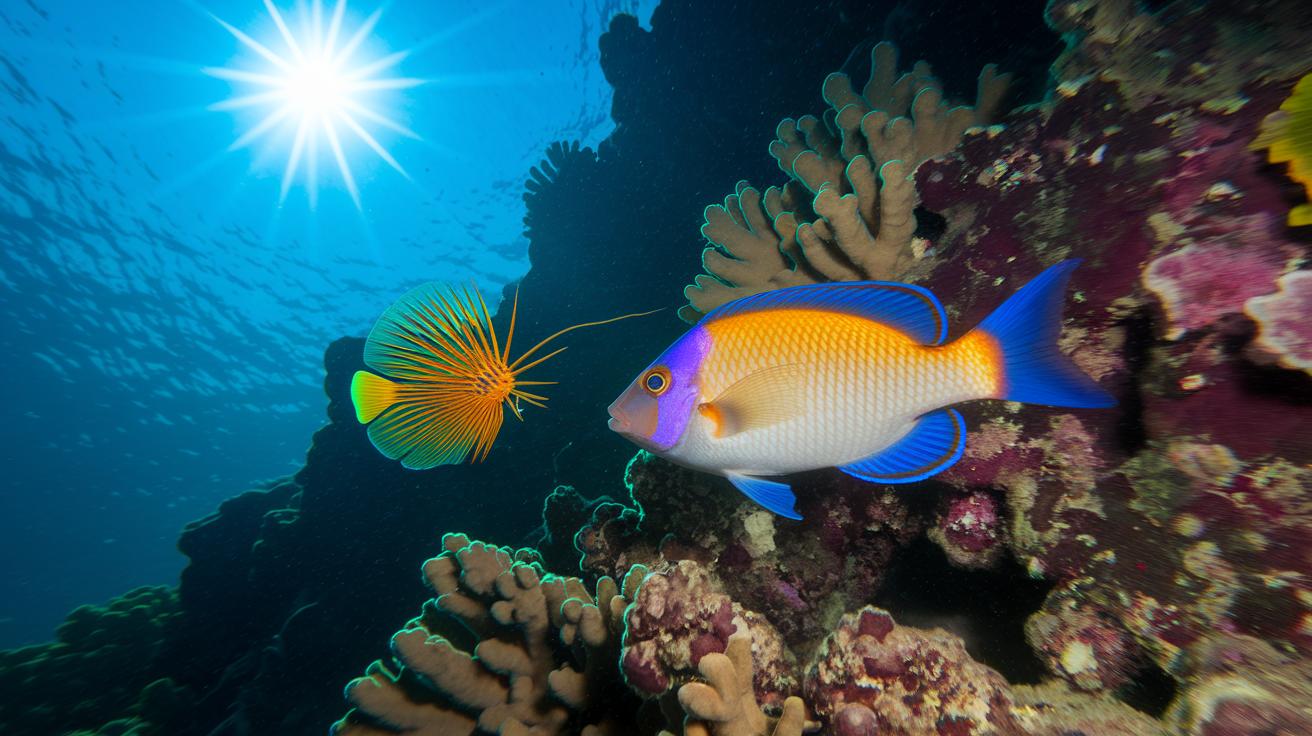
Live foods tap into the real instincts of your reef fish. Choices like brine shrimp, copepods, rotifers, and krill remind them of their natural home where tiny bits of life swirl around. It’s like watching a fish dart after a quick, shiny copepod in a ray of sunlight. These treats add excitement and give a fresh burst of nutrients with every nibble.
Frozen foods are another handy way to boost nutrition. Mysis shrimp and phytoplankton are favorites among many hobbyists. Just give them a good rinse to clear out any unwanted bits, and you’re set. Think about serving up a cool plate of rinsed mysis that brings every bit of goodness to light. It’s a simple step that can really brighten up your tank’s meal plan.
Dry foods also play an important role, especially for those fish that feed near the surface or along the bottom. High-quality flakes offer light nourishment for fish that love the upper waters, while sinking pellets are perfect for those who prefer feeding lower down. Matching the pellet size to your fish’s mouth and its feeding habits is a smart move that helps every bite count.
Algae-based feeds are key for herbivorous fish. Seaweed sheets, Nori, and algal wafers provide essential fatty acids like EPA and DHA, which are super important for health. And if you mix in a few high-protein treats for the carnivorous types on a weekly basis, you’re ensuring a balanced menu for all.
- Live foods for natural stimulation
- Frozen foods for maintaining nutrient integrity
- Dry feeds for targeted feeding
- Algae-based options to support herbivorous needs
Establishing a Reliable Feeding Schedule for Reef Fish
Reef fish usually enjoy small meals about two to five times a day. Keeping their portions tiny is like letting them eat just the way they would in nature. Try the five-minute rule, offer only as much food as they can finish in five minutes. This simple trick helps them nibble steadily and keeps your water clean.
It’s a good idea to spread out meals during the day. By feeding your fish slowly and often, everyone gets a fair share and the water stays balanced without sudden bursts of extra nutrients. Using a timer or an automatic feeder can be a real lifesaver, especially if some fish prefer feeding when it’s a bit dark.
Keep a watchful eye on what’s left after each meal. If any food remains, cut back a little next time. This way, your fish always get fresh bites, and you prevent extra food from upsetting your tank’s harmony. Tweak your schedule bit by bit until it feels as natural as watching the gentle ripple of water on a quiet pond.
Tailoring Reef Fish Diets to Herbivores, Carnivores, and Omnivores
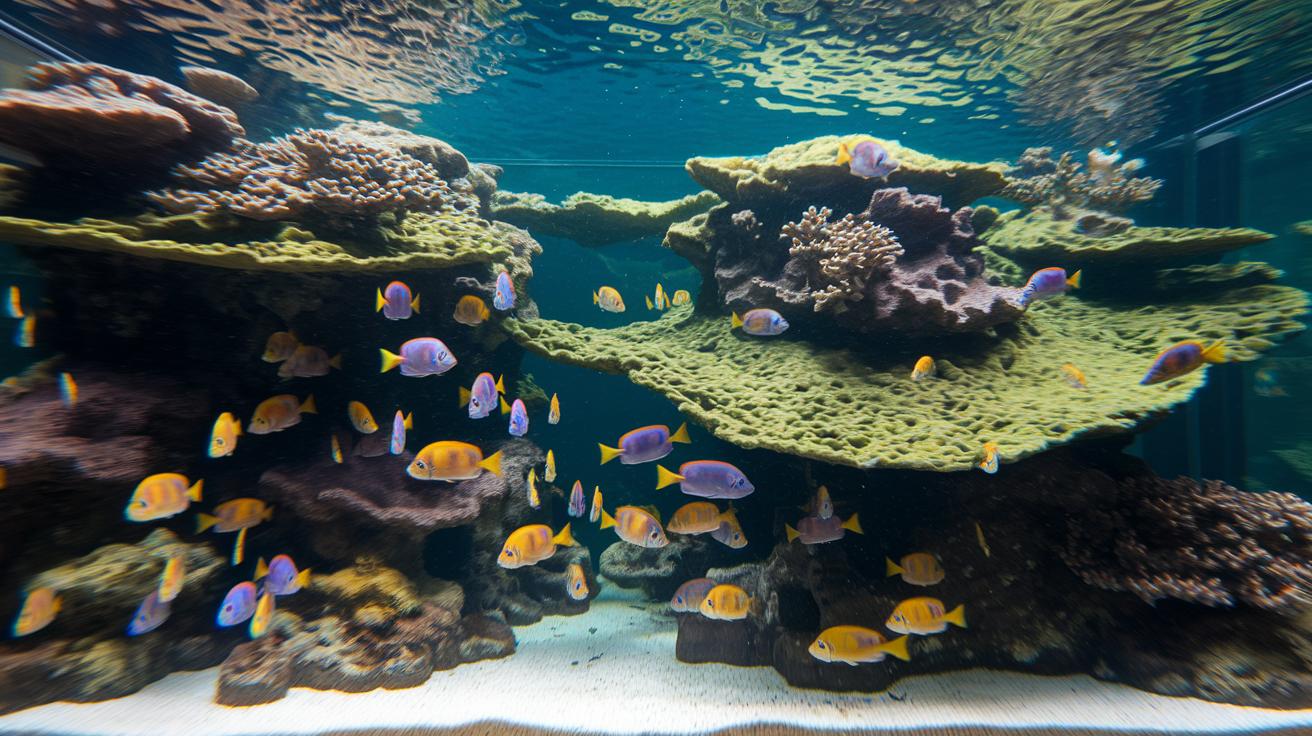
Herbivorous reef fish like tangs and blennies are natural grazers. They love nibbling on algae sheets, spirulina flakes, and even grazing on live rock, just like they would in the wild. Their feeding style is much like gently scraping algae off smooth stones, giving them the nutrients they need to stay vibrant and full of energy.
Carnivorous species such as firefish and wrasses have a taste for protein-packed meals. They do best with high-protein treats like mysis shrimp, krill, and even the occasional live prey. Because these active fish dart around quickly, they need food that’s not only nutritious but also easy to grab. Feeding them this way keeps them growing strong and feeling lively.
Omnivores, including anthias and gobies, thrive on a balanced mix. Their diet should include a blend of pellets, flakes, and plenty of zooplankton to cover both surface and bottom feeding. Bottom dwellers appreciate sinking formulas so every bite is just within reach, while surface feeders naturally go for floating flakes. This approach helps support healthy eating habits and sparks natural behavior in your fish.
Feeding techniques should match each species' natural style. A pipette works wonders for timid swimmers that need small, precise portions, while loose, scattered feeding is perfect for schooling fish. For more on aligning food with natural feeding behaviors, check out our guide on species-specific feeding strategies.
| Type | Food Items |
|---|---|
| Herbivores | algae sheets, spirulina flakes, live rock grazing |
| Carnivores | mysis shrimp, krill, live prey |
| Omnivores | pellets, flakes, zooplankton |
Advanced Reef Fish Feeding Techniques to Boost Health
Tweaking the way you feed your fish can really transform mealtime into a more natural and happy experience. Try using tools like pipettes or feeding syringes to deliver frozen or live treats directly to those shy or territorial fish. Picture this: you discover a quiet spot in the tank where a timid fish likes to hide, and you gently drop a small morsel right at its doorstep, much like surprising a friend with their favorite snack.
Broadcast feeding works wonders for schooling fish too. By softly scattering tiny bits of food around the tank, you create a lively, natural feeding show that gets all your fish darting around with excitement. And when you’re not around, automated feeding systems step in to serve up steady portions so your aquatic pals never miss out.
Looking to boost nutrient absorption? Enzyme-treated pellet dips are a neat trick. These pellets come pre-treated to help your fish digest their food better, making every bite count. You can also set up specific feeding spots near the tank’s rockwork, giving bottom dwellers easy access to their meals in a way that suits them best.
Lastly, before offering frozen food, be sure to rinse it under fresh water to wash away any lingering preservatives. This little step keeps the food as natural as a clear, bubbling stream.
Preventing Nutritional Imbalances in Reef Fish and Protecting Water Quality
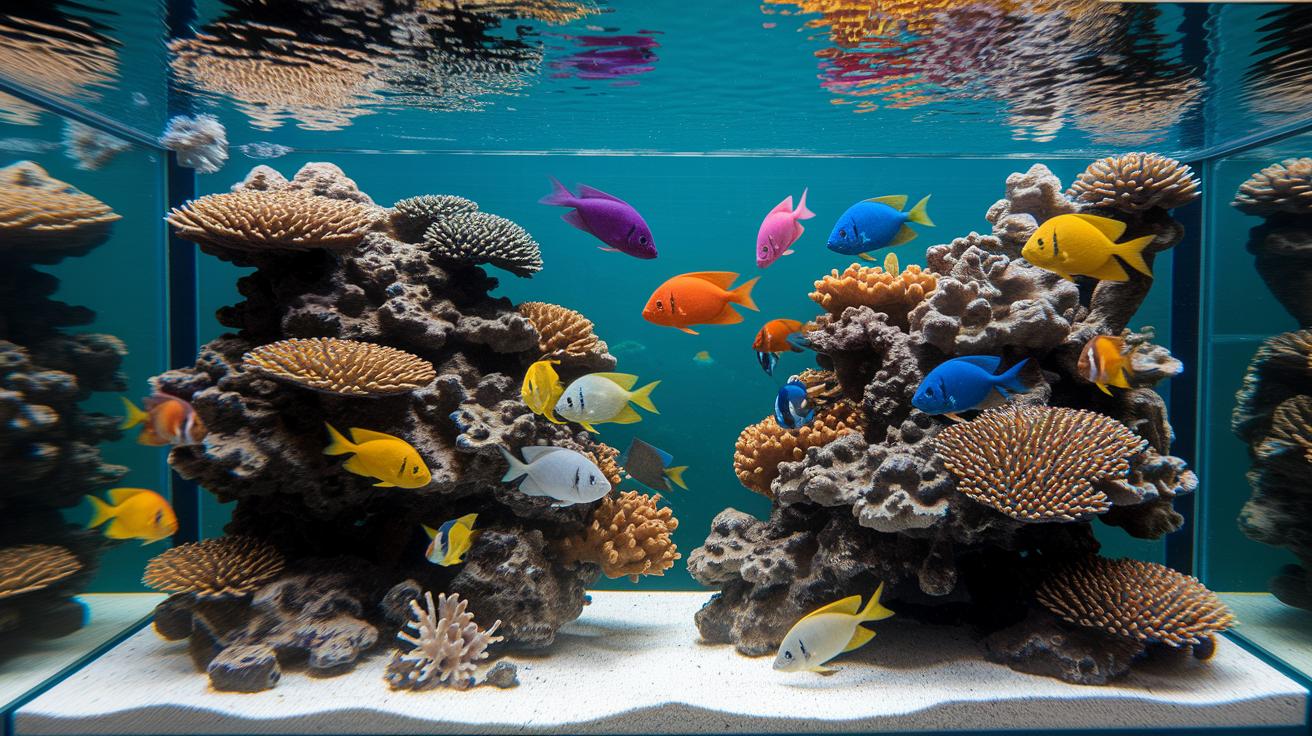
Overfeeding your reef tank or leaning too much on vitamin supplements can quickly upset its natural balance. Think of supplements as a backup plan, not as the main meal for your fish. Keep your dry food in a cool, dark, air-tight spot, like a hidden cove that guards its treasures, to help maintain its nutrients.
A simple tip is to remove any food that isn’t eaten after about five minutes. Set a timer, and if you see leftover food, scoop it out to avoid ammonia buildup that can stress your fish.
- Try rotating the types of food each week so that no single nutrient overloads your tank.
- Test your water daily for nitrites and nitrates. This way, you can catch any water quality issues early, much like keeping an eye on the gentle ripples in your tank.
- Use protein skimmers and activated carbon to clear out unwanted organics, just like a well-tuned filtration system that keeps water clean and inviting.
By mixing these easy techniques into your routine, you’re setting up a well-rounded plan that supports both balanced nutrition and the optimal water quality your reef fish need to thrive.
Final Words
In the action of feeding and nurturing reef fish, we learned that blending live, frozen, and dry foods forms a healthy diet. Each tip, from crafting feeding schedules to rotating meals, shows how to maintain water quality and meet species needs. The article painted a clear picture of care, from matching portion sizes to keeping balanced feeding routines. Keeping a focus on reef fish dietary needs helps build an underwater space that thrives with life and color. Enjoy putting these simple methods into practice and watch your aquatic home come alive.
FAQ
What are reef and freshwater fish dietary needs according to the dietary needs chart?
The dietary needs chart explains that both reef and freshwater fish require a balanced mix of live, frozen, and pellet foods, along with proteins and fats in proper percentages based on their age and species.
What do reef fish eat and what is the best diet for tropical fish?
Reef and tropical fish thrive on a varied diet that includes live foods like brine shrimp, frozen options like mysis shrimp, and high-quality flakes or pellets to supply proteins, fats, and vital fatty acids.
What eats reef fish?
In the wild, larger predators such as groupers, snappers, and other sizable fish prey on reef fish; in aquaria, careful species selection helps prevent such predation.
How often should saltwater fish and corals be fed?
Saltwater fish typically need to be fed 2–5 times per day with food they can finish in about five minutes, while corals require small, frequent feedings to mimic their natural environment.
What are the best saltwater fish food pellets?
The best pellets are high-quality feeds matched to the fish’s mouth size and feeding style, providing a balanced mix of nutrients and fatty acids for long-term health.
What is coral food?
Coral food comes in liquid or powdered forms designed to supply the nutrients, proteins, and trace elements corals need to grow and maintain a healthy reef environment.