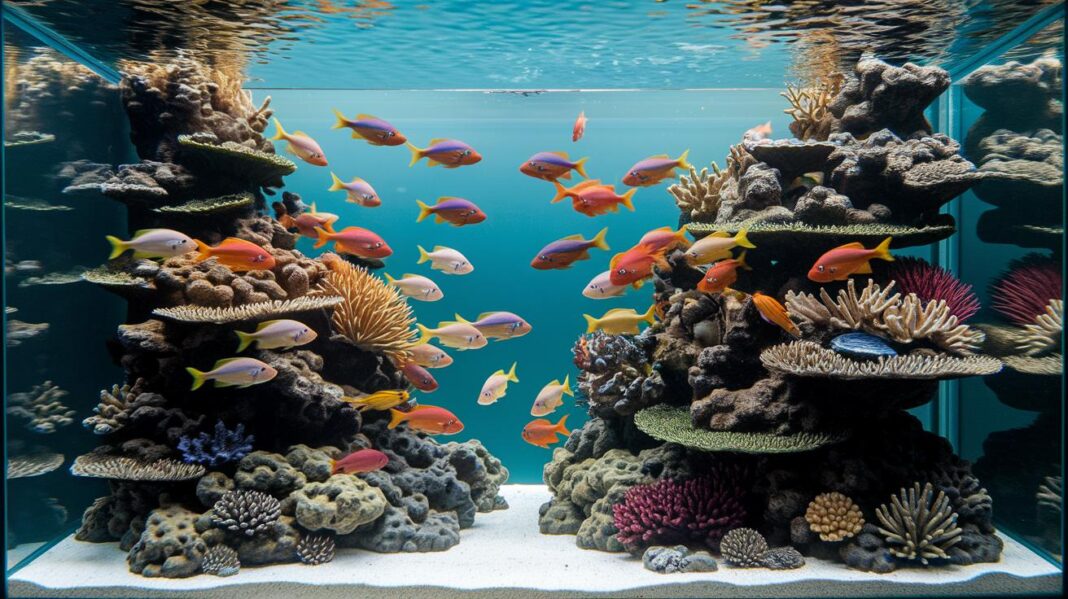

Ever notice how some reef tanks burst with chaos while others flow like a calm stream? When fish are squeezed together or simply don't vibe, tension can rise faster than a bubble in the water.
The secret is pairing fish that naturally click, giving them plenty of room to glide, and adding snug hideouts where they can relax. With a little thoughtful planning and smart design tips, you can turn a crowded tank into a peaceful underwater retreat that feels just right for every finned friend.
Core Strategies for preventing aggression in reef fish aquariums
Many saltwater fish can act territorial when crammed into a small space. Pairing fish that naturally get along is like inviting friendly neighbors over for a calm fish party. For example, if you choose fish that swim side-by-side in the wild, your tank feels more like a true underwater home. Just think of it like this: "Just like neighbors with common interests, fish with alike social behaviors settle in quietly beside each other." When you keep together fish that are equally active and social, you're lowering the chance of drama.
Tank size is another key piece of the puzzle to ease stress and keep peace. A big tank not only gives plenty of room to swim but also lets fish carve out their own little spaces, sort of like having your own secret reading nook. A smart design with plenty of hideaways, like nicely arranged live rocks or safe decor spots, offers each fish its own cozy corner. Even simple decorations can act like gentle barriers, so fish feel less tempted to wander into someone else’s space.
Careful choices when adding new fish, matching the tank size, and creating secret spots all work as smart plans to stop conflict before it starts. Take a little time to learn about each fish’s nature and how they mingle in the wild. By setting up your tank to fit these natural needs, you’re choosing fish that truly click, giving them enough room, and designing a layout that feels like a soft underwater landscape. This thoughtful setup keeps many of those territorial sparks from even lighting up.
Habitat design and decor for aggression deterrence in reef fish aquariums
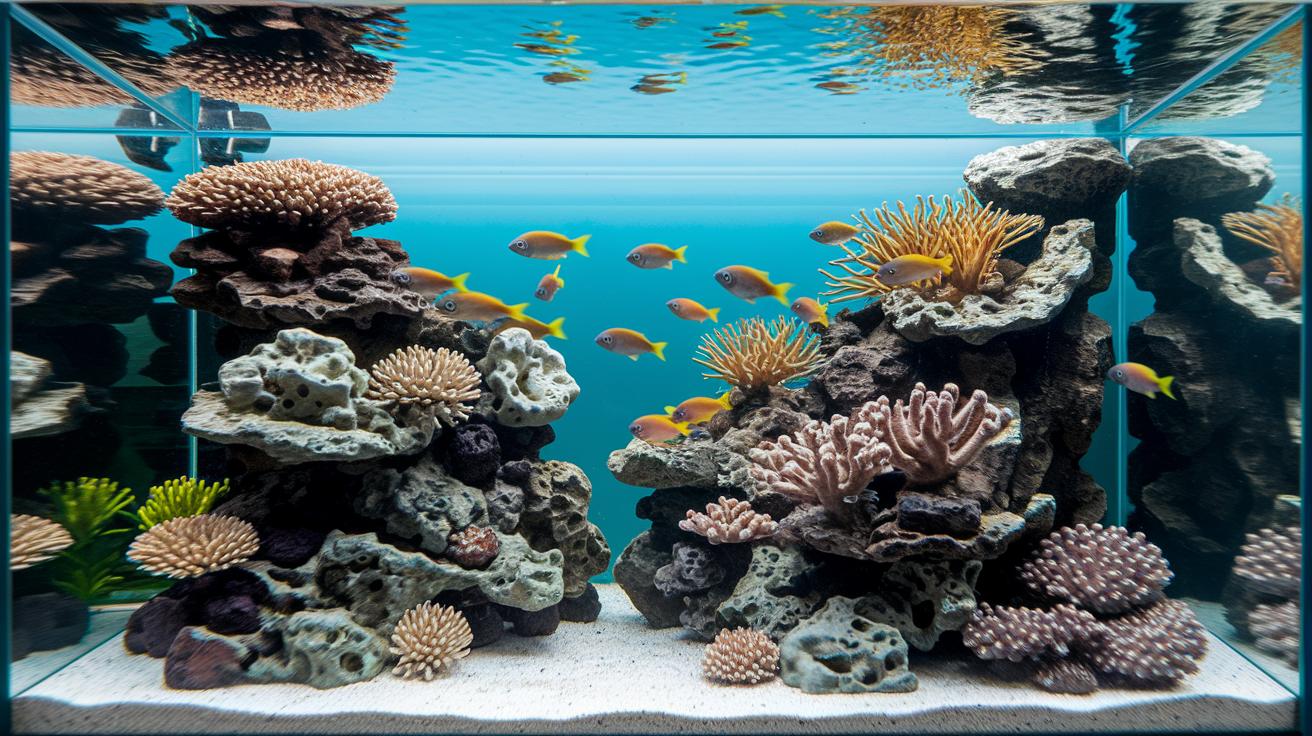
A smart tank setup really helps keep fish happy and peaceful. Arranging live rocks into natural walls or clusters gives each fish its own cozy corner, just like mini islands where they can feel safe. Even coral pieces act like little hideaways, offering personal retreats.
Adding natural decor like driftwood and carefully picked plants gives a gentle nod to the open ocean. This design creates a friendly vibe while keeping each fish's space just right. It’s amazing how simple touches can help fish understand their boundaries.
On top of that, cool equipment like biopellet reactors and calcium reactors does wonders for keeping the water balanced, which in turn keeps corals vibrant and tough. When your live rock and coral fragments stay healthy, they continue to offer serene spots for fish. A little tweak in your tank layout can really change the mood, so why not explore some fresh ideas to turn your aquarium into a calm community haven?
Taking the time to plan your decor and layout truly makes for a peaceful, harmonious tank environment.
Selecting compatible species to avoid conflicts in reef fish aquariums
Your tank can be a peaceful home when you choose fish that naturally get along. Reef fish have their own unique personalities, so it really helps to know which species will be friendly with each other. For example, Banggai Cardinalfish and Regal Blue Tang are pretty chill, while yellow tangs and some wrasses might need extra room. Think of it as setting up a neighborhood where each fish has its own space and role.
Before you add new fish, a little research on their behavior goes a long way. Check out how much space each species likes and how they usually interact. For instance, studies show that Fairy Wrasses and Flasher Wrasses thrive in settings where they can show off their colors without crowding each other. It’s like planning a party where everyone can dance freely without bumping into someone else.
Also, consider the size of your tank. In small tanks, mixing aggressive fish might stir up trouble, while larger setups let species like Leopard Wrasses, Pencil Wrasse, or Possum Wrasses swim together peacefully. Matching fish with similar social needs is a bit like pairing dancers who share the same rhythm, everything flows smoothly. This thoughtful planning helps create a calm underwater community where every fish gets to shine.
Behavior monitoring and early intervention in reef fish aquariums
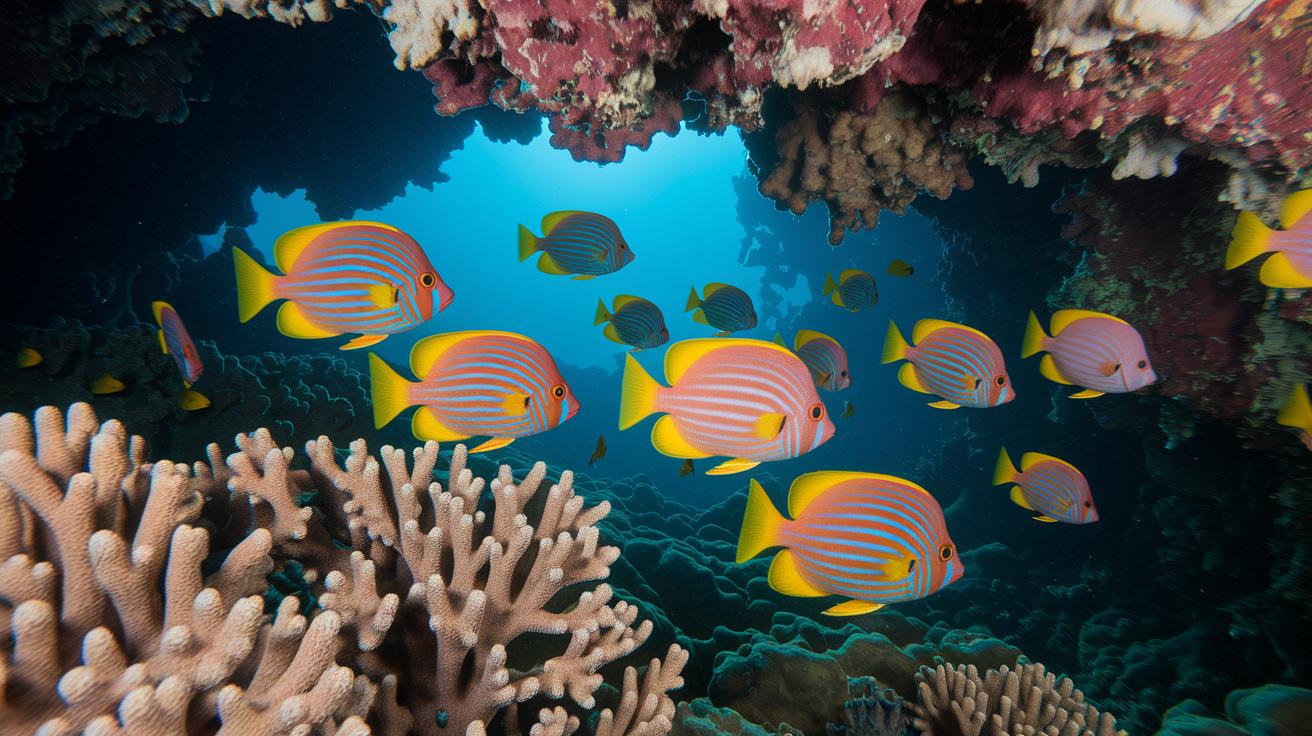
Watching your fish is like listening to the gentle murmur of water, it helps you catch early hints of trouble before things get out of hand. When you see a fish with flaring fins, chasing its tank mates, or showing a sudden burst of color, it's often a quiet way of signaling stress, kind of like a friend giving you a knowing look.
Sometimes, you might miss these subtle signals with just a quick glance. Using video or time-lapse recordings can be a real lifesaver, capturing those little moments you might not see otherwise. A brief look at the footage can reveal repeated behaviors that tell you something isn't quite right. When you notice these signs, a little intervention, like giving the fish some extra space or putting up a small divider, can stop small tensions from growing into bigger issues.
It also helps to jot down what you see. Keeping a written log can reveal patterns over time. For example, note things like:
| Behavior | What it might mean |
|---|---|
| Fin flaring | Signs of stress |
| Chasing | Tension among the fish |
| Sudden color changes | A possible cry for help |
Taking action early can be the key to keeping your aquarium peaceful and your fish happy, like making sure every ripple in the water remains calm and clear.
Environmental enrichment and stress reduction in reef fish aquariums
If you want your reef fish to feel right at home, give them a taste of the natural ocean. Try using dosing pumps and aquarium controllers to create gentle water flows. It’s like mimicking the soft currents of the sea, inviting your fish to swim around and explore.
Next, spice up your tank with cool decor like coral caves, ledges, and even delicate corals such as Bubble Coral or Chalice Coral. This gives your fish little hideouts where they can take a break and feel snug. Imagine each fish having its very own safe nook, pretty neat, right?
Another simple trick is mixing up the lighting. Switching between warm and cool lights can set a calming mood for your fish, much like dimming the lights in your living room after a busy day. It’s an easy way to let your aquatic friends know it’s time to relax.
These ideas keep your fish both mentally engaged and physically active. With a blend of gentle water motion and inviting decor, every moment becomes a little adventure, reducing stress and keeping the tank peaceful.
Maintenance protocols to reduce aggression in reef fish aquariums
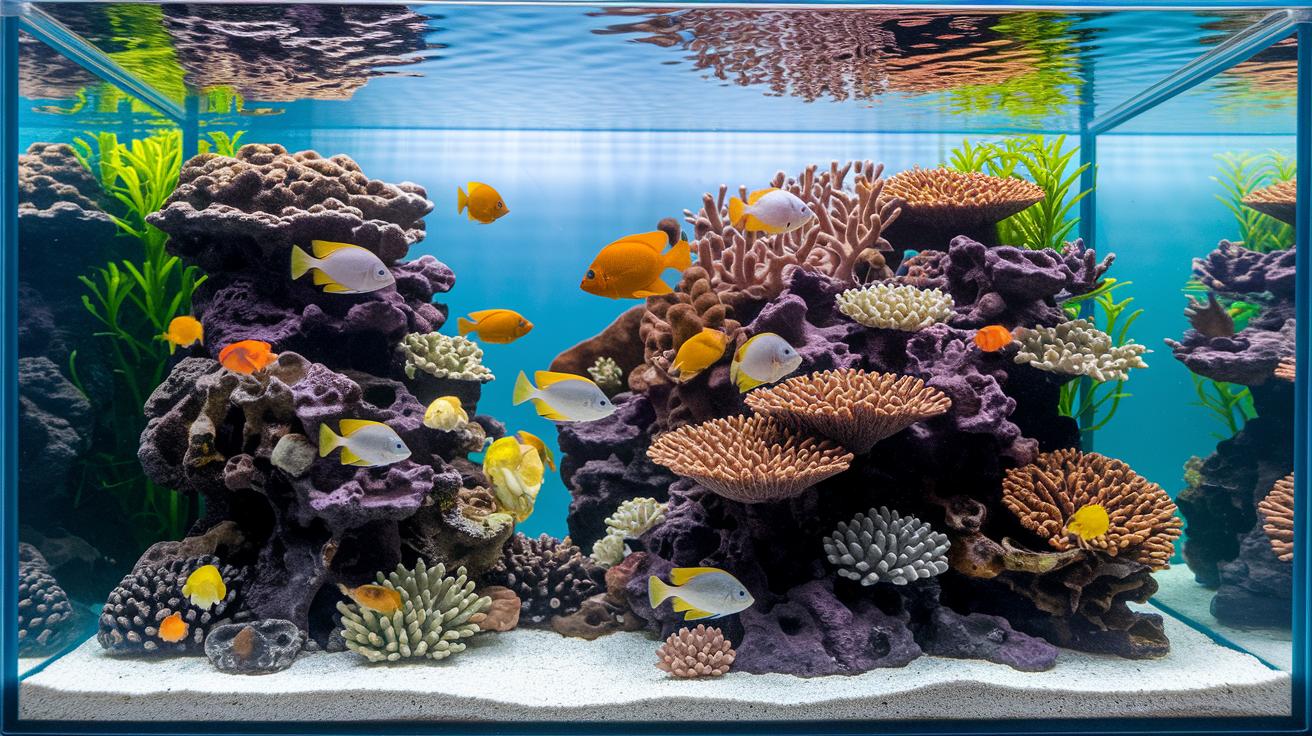
An auto top-off system keeps your tank's salinity as steady as a heartbeat, ensuring that your underwater friends stay relaxed and stress-free. When the salt levels remain constant, the fish feel secure and calm, much like the gentle ripple on a quiet pond. Regular pH and temperature checks with your aquarium controller help you catch tiny changes before they turn into bigger issues.
Regular inspections of nutrient reactors, such as calcium and biopellet systems, work like a safety net to prevent water-quality problems. This steady care keeps the environment predictable so that fish never feel the need to defend their space aggressively. A small adjustment in flow rates can be surprisingly effective, giving each fish a little personal zone to enjoy without the pressure of competing for currents.
For instance, using equipment that creates smooth water paths is similar to how a well-organized stream prevents overcrowding. In truth, keeping up with routine maintenance, steady salinity, and careful flow adjustments all work together to naturally reduce aggressive behavior. It’s a simple yet effective way to help your aquatic community thrive and remain peaceful.
Introducing new fish without triggering aggression in reef fish aquariums
When you're ready to add new fish to your reef tank, start by giving them their own little quarantine tank. This small space lets you watch for any signs of illness while giving the newcomers a gentle start. It's a bit like letting a guest settle into a hotel room before joining the party.
Next, try the drip acclimation method. This means slowly mixing your tank’s water with the new fish’s water over time. Think of it as easing into a cool shower after a steamy bath, it helps the fish adjust without feeling overwhelmed.
Then, set up temporary barriers or visual shields in your main aquarium. These dividers let your current fish see the new ones from a distance, so they can get used to the idea of a new friend without a sudden close-up meeting. This gradual introduction helps keep everyone calm and lowers tension.
| Step | Action |
|---|---|
| Quarantine | Place new fish in a separate tank for a few weeks to check their health. |
| Acclimation | Use a drip system to slowly mix the water, easing the fish into their new environment. |
| Barriers | Introduce temporary partitions so the resident fish can adjust gradually. |
Using these friendly steps makes the move smoother and keeps your reef aquarium a peaceful, happy place. Have you ever seen how calm an aquarium can be when every fish feels at home?
Final Words
In the action, we explored smart tank layouts, careful species pairing, and reliable water quality checks, all aimed at making your underwater canvas serene. We touched on using natural decor, reading fish cues, and introducing new friends with care. Each step gives you ways to keep your aquatic friends safe and comfortable in their slice of water. With a bit of creativity and steady attention, preventing aggression in reef fish aquariums is a win-win for both you and your fish.
FAQ
Q: How can I reduce aggression and territorial behavior in my reef fish aquarium?
A: Lowering aggression in your reef tank means pairing compatible species, using ample tank size, and designing the layout with plenty of hiding spots. This calm setup helps your fish feel secure and eases territorial tensions.
Q: What saltwater fish are known for aggressive behavior?
A: Some saltwater fish, like certain wrasses or triggerfish, can show aggression when space is limited. Knowing their natural behavior helps you choose the right tank mates and setup to keep the peace.
Q: What should I know about aggressive freshwater fish?
A: Aggressive freshwater fish can bully others if the tank is too small or crowded. Providing plenty of hiding places and careful species selection helps minimize conflicts and promotes a more harmonious tank.
Q: What is the least aggressive reef fish?
A: Generally, gentle species such as Banggai Cardinalfish or Regal Blue Tang rank among the least aggressive reef fish. Their calm nature makes them a good choice for a peaceful aquarium environment.