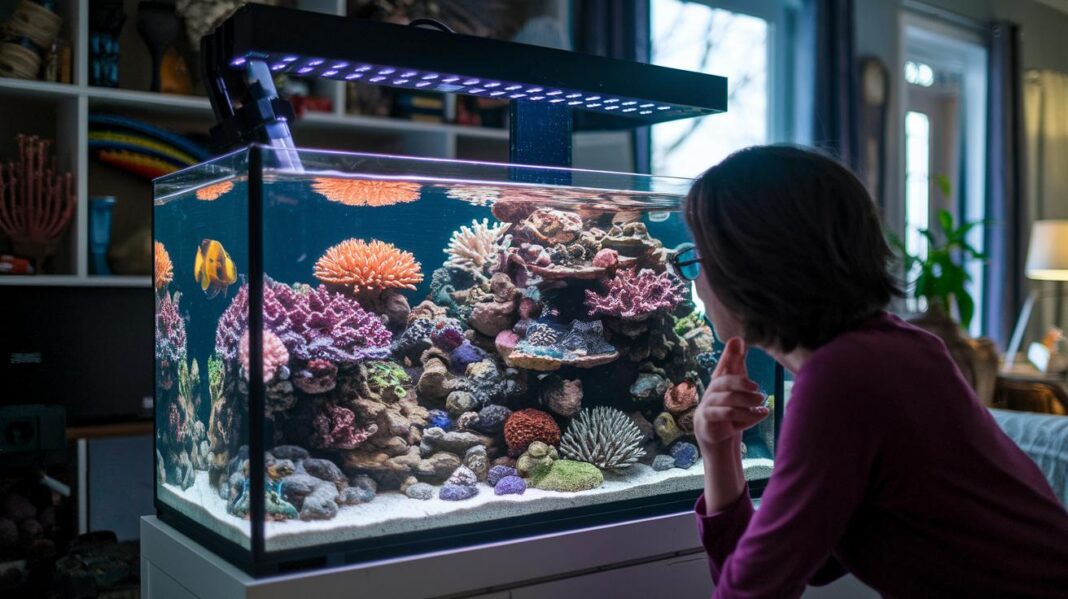

Ever notice how your reef fish tank can seem to fight back sometimes? One moment, there’s just a small ripple, and the next, it's like a wild splash that feels out of control. In this post, we take a calm look at common issues, like water chemistry mix-ups (that is, when the minerals and water aren’t balanced right) or pesky pump glitches, by breaking them into easy, step-by-step fixes. You'll see how a few careful checks can smooth out your underwater world, turning your tank into a peaceful, cozy spot where your fish can truly relax.
Essential Step-by-Step Guide to Troubleshooting Common Reef Fish Tank Problems
First, make sure your tank is big enough. When you have more water, things stay calm and steady, giving you extra time to fix any issues. For instance, many aquarists love the Coralife BioCube Aquarium. It comes in 14-, 16-, and 32-gallon sizes and includes a built-in pump, LED lights with a sun and moon timer, and a compact filtration chamber, all designed to keep your aquatic world balanced.
Next, check your water parameters regularly. Use a simple test kit to measure ammonia, nitrite, nitrate, and pH levels. Even a slight change can upset your tank’s natural flow and stress your fish. I remember my first tank setup, one small shift in chemistry felt like a tidal wave to my little friends.
Then, inspect your filtration and circulation systems. Poor water flow or a glitchy pump can throw off your water conditions fast. Take a moment to review the protein skimmer, ensure your pump is humming along nicely, and clean out any clogged areas in the mechanical media. Good movement in your tank is like a gentle current that spreads out beneficial bacteria and keeps everything in balance.
Also, keep an eye on your substrate. Regular cleaning is key to removing waste and keeping your tank as clear as a peaceful lagoon. A tidy substrate goes a long way in making your underwater display shine.
Finally, consider your coral lighting. Hard corals need well-calibrated LED lights to avoid pigment stress and bleaching. Sudden or drastic changes in light can unsettle them, so keep things steady to protect both your corals and your fish.
| Step | Action |
|---|---|
| Tank Size | Ensure your tank is large enough to stabilize water conditions |
| Water Testing | Regularly measure ammonia, nitrite, nitrate, and pH levels |
| Filtration & Circulation | Check your protein skimmer, pump, and filters to keep water moving |
| Substrate Cleaning | Clean the substrate to remove waste and enhance water clarity |
| Coral Lighting | Use properly calibrated LED lights to prevent coral stress |
Working through these steps is a bit like experiencing the gentle ripple of water on smooth stones, it brings calm and clarity. A balanced tank makes every swim feel more vibrant, and your fish will certainly appreciate the extra care!
Diagnosing Water Quality Imbalances in Reef Fish Tank Systems
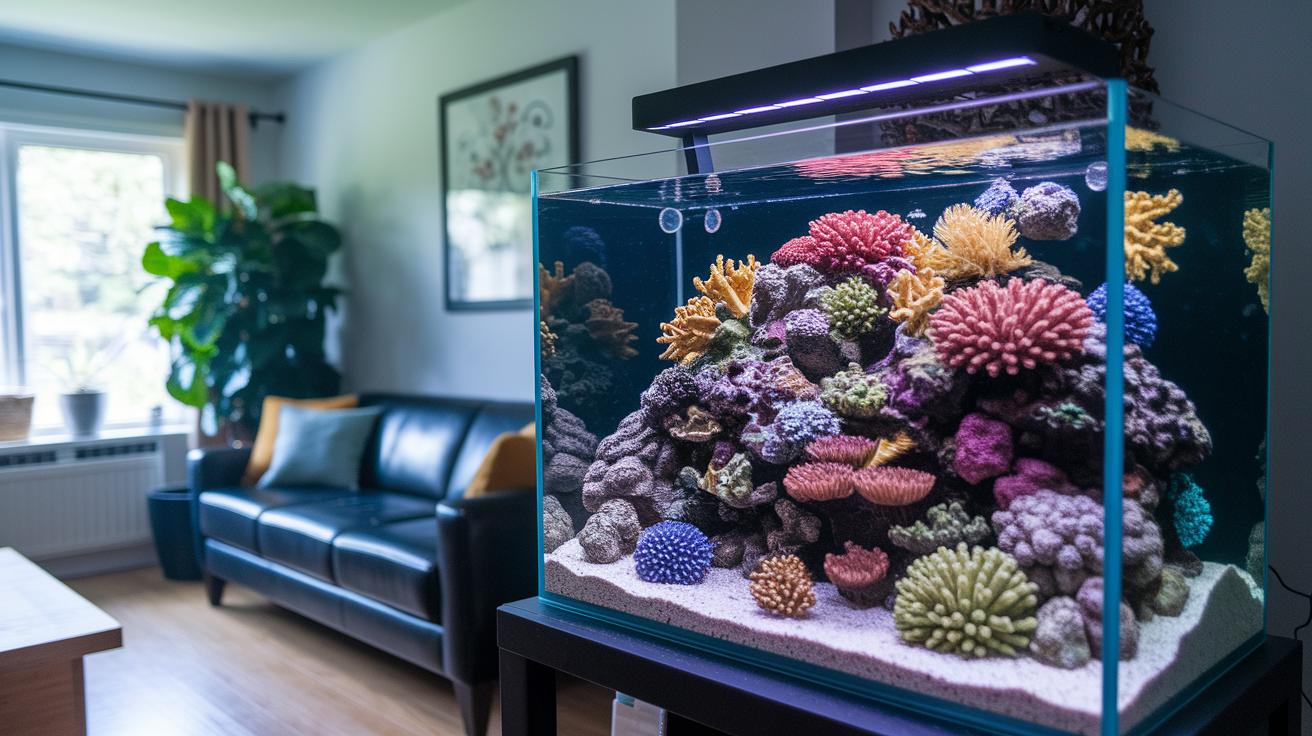
Regular water tests are like a friendly chat with your reef tank. They help you catch even the tiniest changes early on, much like noticing a small ripple before it turns into a big wave. Marine tanks are more delicate than freshwater ones, so even a small shift in ammonia, nitrite, or nitrate can upset the balance and stress your fish.
It’s a good idea to check your water parameters at least once a week using a reliable test kit. Focus on ammonia and nitrite first, they should read at zero, like a calm sea. Nitrate should also stay low because a sudden spike could mean your biological filter is having a tough time. If you see higher levels, a gradual water change might do the trick. And don’t forget to check your salt mix; adjusting salinity slowly helps keep both your fish and the good bacteria at ease.
Follow these simple steps to keep your tank happy:
- Check your water parameters regularly
- Handle ammonia surges with small, gradual water changes
- Keep nitrate spikes in check by reducing waste and cleaning filters
- Adjust salinity slowly with the right salt mix
Staying on top of water quality is like keeping your own little ocean in balance, helping your aquatic residents thrive and enjoy life in a smooth, calm environment.
Fixing Filtration and Circulation Issues in Reef Fish Tanks
Every reef tank thrives on proper filtration and steady water flow, just like a little underwater breeze that keeps everything in balance. If your filtration system isn’t up to par, your fish and corals might feel stressed and out of sorts.
Take a look at your protein skimmer first. If it’s not bubbling along like the gentle ripple of a calm stream, something might be off. I remember one time when my skimmer was running slower than usual. A quick clean of the collection cup and a slight tweak in the airflow was all it took to get it back to its bubbly best.
Next, check your mechanical filter media. Carefully remove it and give it a rinse with some tank water. If you see lots of dust and buildup, it means your tank’s good bacteria, the tiny workers behind the nitrogen cycle, aren’t getting the fresh start they need. A simple clean can really help rejuvenate your filter, kind of like a quick shower to refresh your day.
Also, take a moment to review the pump and its water circulation. Pumps can lose their oomph over time, and sometimes one part of your tank may feel like a quiet, unmoving corner. If you spot sluggish water movement, it might be time to reposition your pump or clean its impeller. You know how a little adjustment can turn a drab spot into a lively current!
Follow these steps:
- Inspect and adjust protein skimmer settings
- Clean mechanical filter media regularly
- Verify pump efficiency against manufacturer standards
- Check wave makers to clear any dead spots
| Step | Action |
|---|---|
| Protein Skimmer | Tweak airflow and clean the collection cup to restore optimal bubbling |
| Mechanical Filter | Gently rinse with tank water to remove debris and keep beneficial bacteria active |
| Pump | Compare performance to the manufacturer’s guidelines and clean the impeller if needed |
| Wave Makers | Reposition or inspect to eliminate areas with weak water flow |
Optimizing Lighting and Environmental Conditions in Reef Fish Tanks
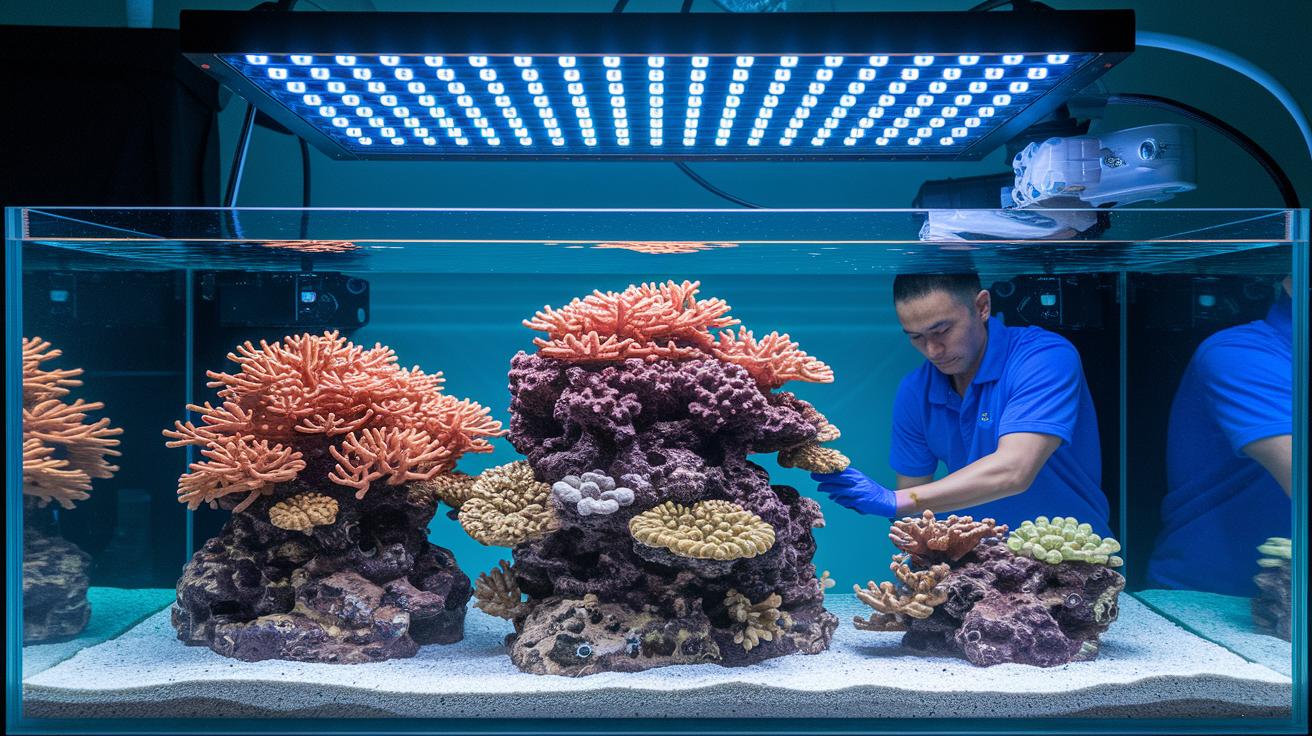
Before you dive into your tank’s setup, take a moment to check that your LED connections are secure. These lights, made especially for saltwater, work wonders with hard corals by offering them the soft glow they need. Think of it like tuning your favorite musical instrument, the right wavelengths can boost coral growth without stressing your aquatic friends.
I like to say, start by lovingly inspecting each LED connection and adjust the settings slowly, just as you would tune a delicate instrument to hit that perfect note.
Next, give your illumination system a quick test. Ensure your timers and intensity controls are spot on, and make small tweaks to the photoperiod. Adjusting the light cycle in little 15-minute segments over several days is like slowly turning the tide, letting your coral and fish ease into a natural day and night rhythm.
| Step | Action |
|---|---|
| 1 | Check your LED fixture connections and settings |
| 2 | Calibrate the light spectrum using a reliable tool |
| 3 | Gradually adjust the photoperiod in 15-minute increments |
| 4 | Confirm that timers and intensity controls provide steady light |
By blending careful light calibration with thoughtful environmental tweaks, you’re setting the stage for a balanced and healthy reef tank, a true underwater ballet that brings calm and beauty to your aquatic world.
Tackling Fish Stress and Disease in Reef Fish Tank Environments
When your reef tank goes through sudden changes, it can really shake up your fish. You might notice quick movements in their gills, colors that seem to fade, or odd patterns as they swim. These signs mean your fish could be stressed. Even a small change in the water quality, like a tiny bump in ammonia levels, might make them more open to getting sick.
When you add new fish to your tank, it's a good idea to set up a little quarantine tank first. This separate space lets you check if they're carrying any parasites or early signs of disease. Keep a close watch on these newcomers for a few weeks and do basic parasite checks during this time. It really helps stop any unwanted bugs from spreading in your main display.
In your main tank, it's important to regularly check your fish for stress and health issues. Take a moment to look at how they behave and see if there are any spots or marks that might show an infection. Doing routine water tests helps you catch any imbalances early, keeping the tank environment calm and stable.
- Watch for signs like fast gill movements and color fading
- Set up a special quarantine space for new fish
- Check each fish for indications of parasites or disease
- Regularly test the water to maintain a healthy tank environment
Routine Maintenance and Preventive Care for Reef Fish Tank Stability
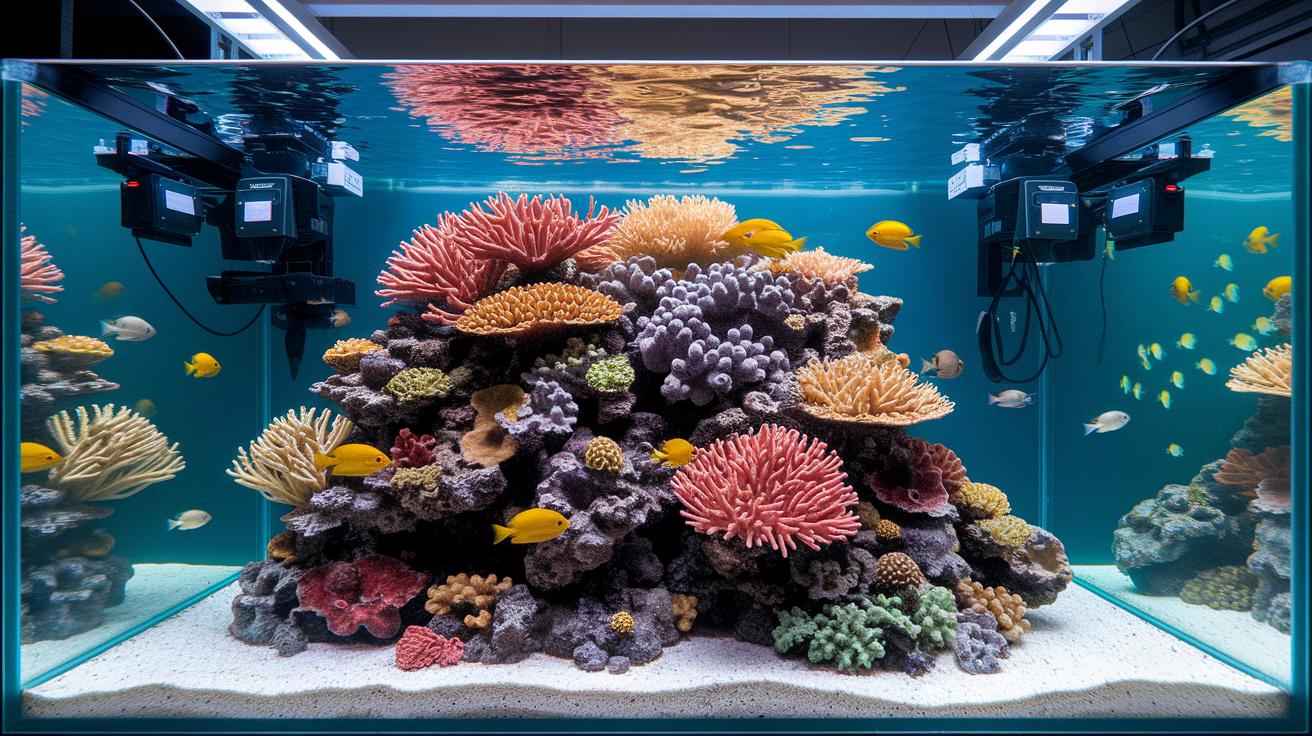
Creating a steady and healthy reef tank is much like tending to a beautiful underwater garden. Instead of simply doing the usual water tests or substrate scrubs, why not set up a detailed calendar with special to-dos? A quick glance each morning to check water clarity might just spot tiny changes before they turn into bigger problems.
| Frequency | Task |
|---|---|
| Daily | Look over the water and check that all your gear is running smoothly |
| Weekly | Inspect the substrate for any debris and make sure pumps and lights are in top shape |
| Biweekly | Change 10–20% of the water to help reduce any build-ups |
| Monthly | Clean the surfaces of your equipment to fight off biofilms and salt creep, and adjust the lighting if needed |
| Quarterly | Give your filter media a deep clean and check the whole system, including new arrivals |
Simple steps can make a big difference. A daily peek at your water not only shows you any slight ripples in the tank’s balance but also helps prevent problems before they start. Regular equipment cleans keep that unwanted salt creep and slimy biofilm at bay. And when you plan deeper checks, like monthly or quarterly reviews, you’re making sure every part of your tank, pumps, filters, lights, stays in perfect harmony.
Taking the time for these thoughtful inspections sets your routine apart from just basic troubleshooting, allowing you to catch little issues early. It’s like noticing the gentle ripple of water before it turns into a wave, ensuring your underwater world remains calm and vibrant.
Advanced Monitoring Tools and Emergency Protocols for Reef Fish Tanks
Keeping an eye on your reef tank is like enjoying the gentle ripple of water on smooth stones. Modern monitoring tools let you know exactly how your tank is doing at all times. Devices like dosing pumps (which add chemicals gradually), water quality monitors (that check if your water is clean), and wave makers (that keep the water moving) give you constant feedback about what’s happening in your tank.
It’s important to check that your test kits and salinometers (the tools that measure your salt levels) work properly. Doing this is like following a trusted recipe for perfect saltwater conditions. Plus, keeping a calibrated refractometer nearby is like having a friendly guide that ensures your seawater stays just right.
And what happens if something goes wrong? When equipment fails or a power outage hits, having an emergency backup plan is essential. A battery-backed pump or generator can quickly restore your tank’s balance before your fish or corals feel any stress. Regularly checking these devices is like having a step-by-step map to troubleshoot any unexpected hiccups in your marine setup.
Imagine it like this: first, verify your monitoring tools are working well; then, calibrate them carefully; and finally, be ready with a backup plan. These steps help you tackle sudden challenges with ease, keeping your reef tank steady and healthy. Stay on top of things and update your backups often to protect your underwater friends.
Final Words
In the action, every tip on setting up and maintaining your reef tank builds a stronger, healthier underwater world. We walked through water checks, equipment care, light tuning, and routines that keep your setting sparkling and your fish happy. This guide helps you face troubleshooting common reef fish tank problems with steady confidence and clarity. Enjoy every step as you nurture a stunning aquatic space that feels just as lively as the playful creatures within it.
FAQ
What are the signs of poor water quality in an aquarium?
The signs of poor water quality in an aquarium show up as sluggish fish, cloudy water, and unusual odors. These indicators help you step in early to clean and improve the environment for your pets.
How do I fix poor water quality in a fish tank?
Fixing poor water quality in a fish tank means routinely testing the water, cleaning the tank, and doing partial water changes. Better filtration and consistent maintenance really help keep fish healthy.
Why is my fish tank water turning pink?
The fish tank water turning pink could mean a bacterial bloom or algae overgrowth is present. Checking your filtration system and water chemistry can help control the unwanted tint.
What is the aquarium problem crossword about?
The aquarium problem crossword challenges you with clues related to common tank troubles. Solving it can introduce you to a range of issues and helpful tips to keep your aquarium in top shape.
What are the symptoms of ammonia in a reef tank?
The symptoms of ammonia in a reef tank include stressed, rapid breathing in fish, algae blooms, and murky water. Spotting these signs early helps prevent further harm to the marine life.
What is the most common disease in saltwater fish?
The most common disease in saltwater fish often shows up as small white spots on the body, paired with sluggish behavior and loss of appetite. Quick isolation and treatment can stop it from spreading.
How can I tell if magnesium is low in my reef tank?
Low magnesium in a reef tank may show up in weak coral growth or unusual calcification issues. Regular water tests help you notice if magnesium levels are off so supplements can be added appropriately.
What does vinegar do in a reef tank?
Vinegar in a reef tank is used as a mild acid to remove stubborn mineral deposits from tank surfaces. When used carefully and in small amounts, it can help keep equipment clean without harming the tank.