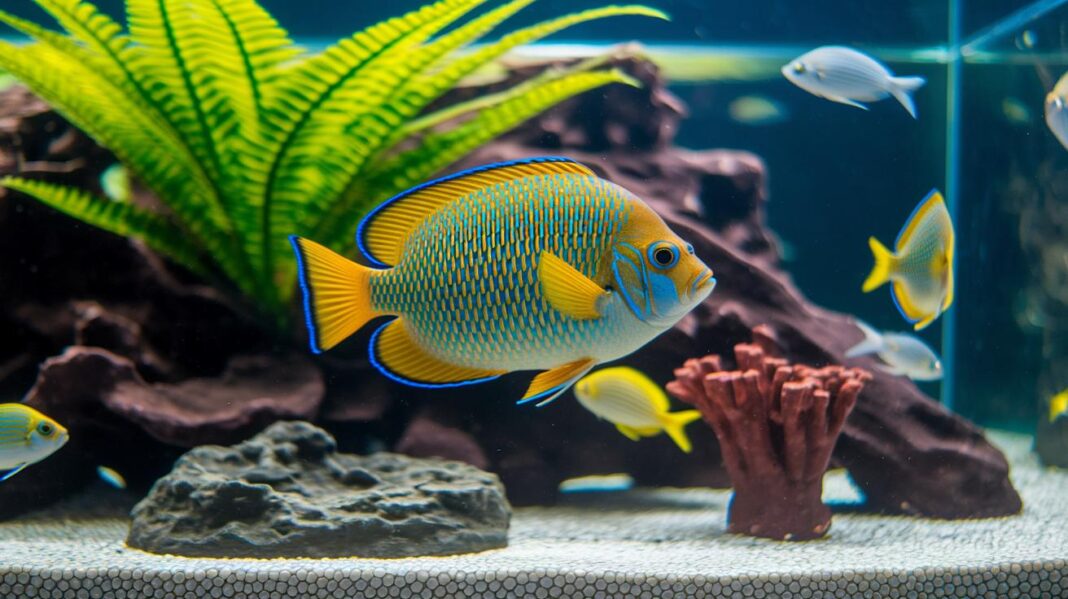

Have you ever been fascinated by tropical fish that flash bright reds, oranges, and yellows? It’s not magic, it’s all about what they eat. When fish get the right mix of proteins, fats, vitamins, and minerals, they have the energy they need to be vibrant and full of life.
Good water and fresh, natural foods are like little reminders of a bustling coral reef. They keep the tank as lively as a day by the sea. Today, we’ll talk about these must-have nutrients and share some simple tips to help you create an aquarium that's as healthy as it is beautiful.
Meeting Nutritional Requirements of Tropical Aquarium Fish
Tropical aquarium fish do best when they enjoy a balanced mix of nutrients, just like a vibrant coral reef full of variety. When you look at fish food labels, you'll notice a section called a Guaranteed Analysis. This simply shows the percentages of protein, fat, fiber, and moisture, and helps you know if your fish is getting the energy it needs along with stunning colors.
High-quality proteins, such as fish meal, shrimp, and prawn, are the building blocks of a good diet. These proteins offer essential amino acids that help your fish grow strong muscles and thrive overall.
Fats and fatty acids also play a big role. They not only deliver energy but also support a robust immune system and boost the bright reds, oranges, and yellows you see in many tropical species. Vitamins like A, C, D, E, and the B complex join forces with minerals like calcium and phosphorus. For example, vitamin A is great for keeping vision clear and tissues healthy, while vitamin D helps keep calcium and phosphorus levels in check for sturdy bones.
Water quality is another key part of the puzzle. Stable pH, temperature, and hardness make it easier for fish to digest their food and absorb all those beneficial nutrients. Adding live foods like Moina macrocopa and Daphnia magna can further enrich your fish’s diet with natural proteins, fats, vitamins, and minerals. These live options also lend a fun, natural feeding experience that mimics their wild habits.
Keep an eye on the fish-food label and make sure your water conditions are just right. This thoughtful combination makes for a perfect recipe that supports both health and those striking, lively colors we all love to see in our tropical friends.
Role of Protein and Lipids in Tropical Aquarium Fish Nutrition
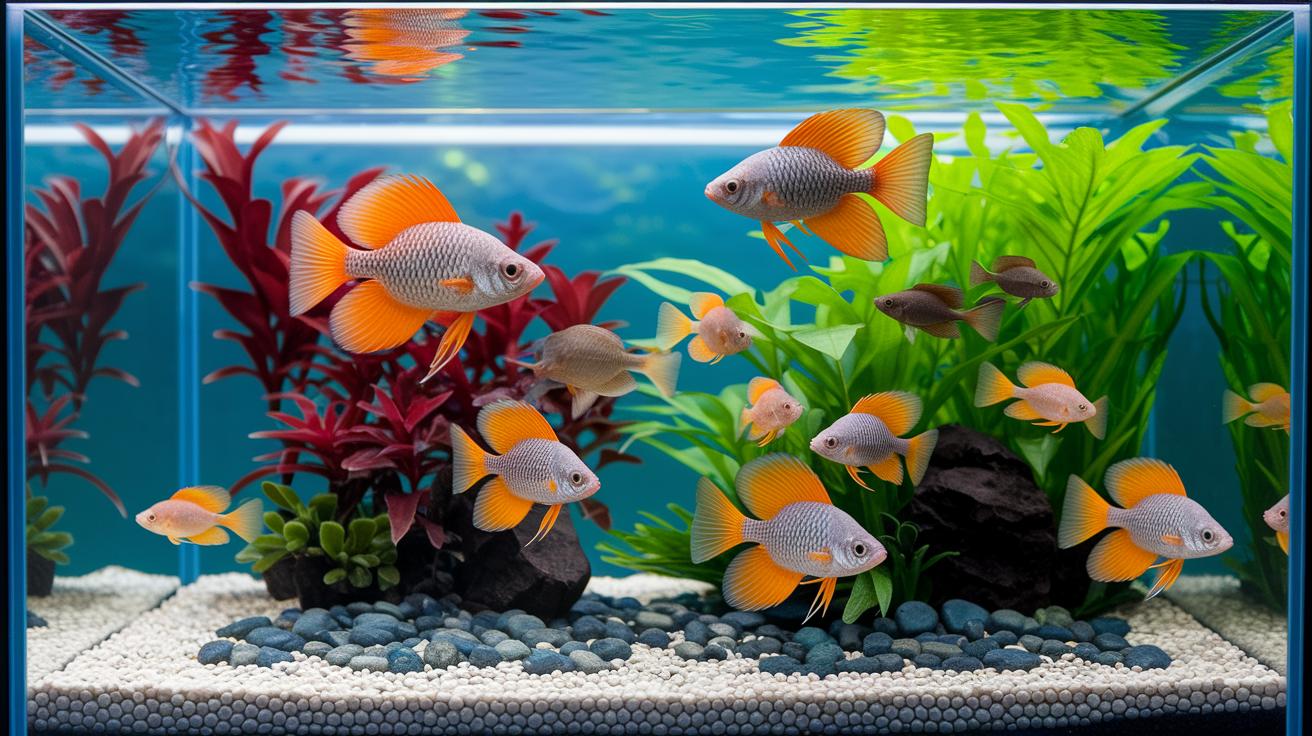
Proteins and lipids are like the natural fuel that tropical fish need to thrive, they help build muscles, give energy, and keep the immune system strong. When you watch your fish dart around, know that meals rich in these nutrients, like Moina macrocopa water fleas, help young and small fish like bettas, guppies, and tetras grow strong and vibrant.
Think of Daphnia magna as nature’s little superfood. With loads of protein and key minerals, they boost the health and brilliant colors of medium-sized fish like angelfish and mollies. And for bigger fish, scuds (Gammarus sp.) offer a protein-packed treat that supports muscle growth. If you offer Tubifex worms, rinsed well to remove any toxins, they deliver a concentrated burst of protein. Meanwhile, many commercial feeds use high-quality ingredients such as fish meal, shrimp, and prawn to provide essential amino acids that keep fish lively and healthy.
Below is a simple table of top protein sources that work like a team, building strong muscles, fueling energy, and keeping immune systems in top shape:
| Protein Source |
|---|
| Moina macrocopa water fleas |
| Daphnia magna |
| Scuds (Gammarus sp.) |
| Tubifex worms |
| Fish meal, shrimp, and prawn |
Using these ingredients feels a bit like adding just the right mix of ingredients to a tasty meal, you get the muscle strength, energy, and vibrant colors that make every feeding a celebration of aquatic life. Ever notice how a bright, active fish can light up your day like the gentle ripple of water? That’s the magic of good nutrition at work.
Essential Vitamins for Warm-Water Tropical Fish
Vitamin A is like nature's way of keeping your fish’s vision bright and their bodies healthy. It helps them see clearly while they glide around in your aquarium. A little goes a long way, so a few small drops mixed into their food help keep their eyes sharp without overdoing it.
Vitamin C works like a mini shield for your fish. It acts as an antioxidant, helping them fight everyday stress while boosting their immunity and healing. Adding a water-soluble vitamin C supplement in moderate amounts to both the food and water can keep their colors vivid and their energy lively.
Vitamin D is all about balance. It helps your tropical fish manage calcium and phosphorus so they can build strong bones and scales. Since low lighting in tanks might mean less natural vitamin D, it’s a good idea to follow the feeding guidelines for extra vitamin D in your fish’s diet.
Vitamin E helps protect the tiny cells in your fish from everyday wear and tear. A little, low-level supplement blended into their food makes sure their colorful scales stay healthy and bright.
B Complex vitamins are the fuel that powers your fish’s day. They help convert food into energy so your fish can be active and vibrant. While these vitamins are usually part of high-quality fish food, you can add a modest boost if you feel your fish could use a bit more pep.
Mineral Requirements and Trace Elements for Tropical Aquarium Fish
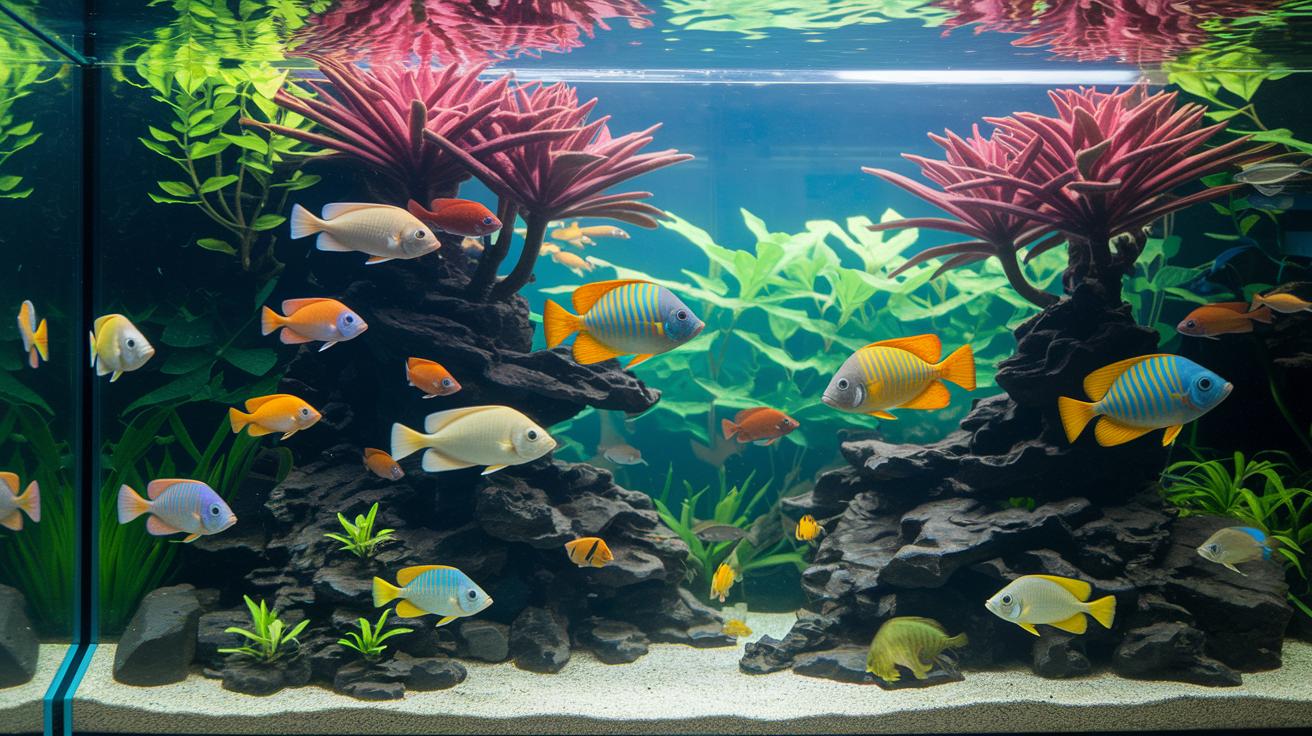
Tropical aquarium fish need a solid mix of minerals to stay healthy and full of life. Calcium and phosphorus are two key players here. Calcium helps build strong bones and supports many important body functions, while phosphorus works hand in hand with calcium to keep things balanced inside their bodies and give them energy. When the levels of calcium and phosphorus aren’t just right, you might notice fish with odd shapes or slower growth. Keeping a close watch on what they eat is a simple way to help them develop strong bones and avoid health issues.
Trace elements like iron, zinc, and magnesium are also important because they help with enzyme tasks, getting oxygen where it’s needed, and keeping the water balance in check. Sometimes, having too much of these elements can change the water’s hardness or its pH, which is something to keep in mind. Research on different calcium sources and phosphorus levels in fish diets shows just how important it is to keep these smaller minerals in a good balance for the overall well-being of your fish.
Live and Prepared Foods to Deliver Nutrients for Tropical Aquarium Fish
When it comes to helping your tropical fish thrive, mixing live foods with prepared feeds is like bringing together two best buddies in your aquarium. Live foods let your fish experience a natural, wild feeding feel that sparks their hunting instincts while adding extra proteins, vitamins, and minerals for those brilliant, vibrant colors.
At home, you can culture live foods with simple methods. For instance, you might raise Moina macrocopa using yeast or a bit of spirulina. Daphnia magna, on the other hand, do well when grown in a mixture of green water or yeast solution. Microworms multiply quickly on an oatmeal-yeast mix, and vinegar eels get reared nicely with apple cider vinegar and apple slices, creating a culture packed with nutrients.
Prepared feeds, whether they’re fortified flakes or pellets, come with labels that break down details like protein, fat, fiber, and moisture. They also include natural pigments such as astaxanthin, which help boost the reds, oranges, and yellows in your fish. Plus, algae-based choices like spirulina powders or wafers add extra proteins, vitamins, and a burst of color that nicely rounds out the diet.
Here’s a quick rundown of live food options and their special benefits:
- Moina macrocopa: Packed with proteins and lipids, making them great for small fish and fry.
- Daphnia magna: Loaded with protein and essential minerals, perfect for medium-sized fish.
- Scuds (Gammarus sp.): A dense protein source that supports muscle development.
- Microworms: Multiply quickly and serve as a nutrient-rich first meal for fry.
- Tubifex worms: Offer a concentrated protein boost when rinsed properly to remove toxins.
- Vinegar eels: Cultivated naturally to provide balanced nutrients with a healthy bacterial base.
- Bladder snails: Supply supplemental nutrients well-suited for species like crayfish and certain cichlids.
Together, prepared feeds and algae-based diets create a full menu that gives your tropical fish a balanced and nutrient-rich meal. This combo not only brightens their colors but also supports the natural behaviors that make your aquarium feel like a lively underwater world.
Feeding Recommendations and Water Quality for Tropical Aquarium Fish Nutrition
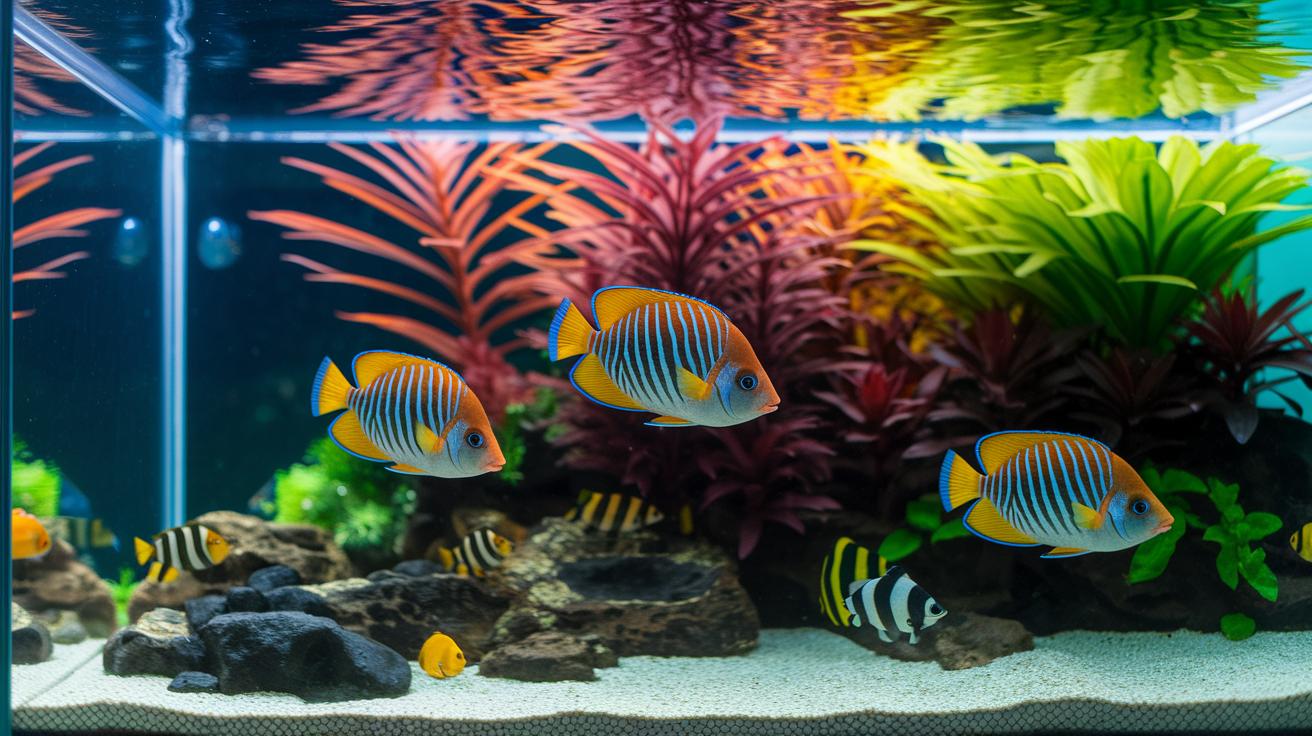
Feeding your tropical fish is as easy as giving them a few small meals throughout the day. Try offering two to three tiny portions daily. This gentle feeding routine works well with their natural metabolism and stops them from feeling overwhelmed by too much food.
Taking care of the water is just as important as feeding. Think of your aquarium like a calm, clear pond where your fish love to swim. Keeping an eye on the pH, temperature, and hardness makes it easier for your fish to digest their meals. And don’t forget to remove any leftovers quickly, leftover food can cause ammonia to build up, making the water less inviting for your little aquatic friends.
Here are some friendly tips for a thriving aquarium:
- Feed two to three small meals daily to match their energy needs.
- Remove any uneaten food promptly to prevent ammonia spikes.
- Keep watch over water conditions like pH, temperature, and hardness.
Imagine giving your fish a tiny snack at just the right time, their energy sparkles, and they remain lively all day. This simple plan not only boosts their nutrition but also keeps your underwater world balanced and inviting.
Final Words
In the action, we explored how balanced feeding brings life to your tank. We walked through choosing high-quality proteins, essential vitamins, and the right minerals to support a lively underwater scene. We examined various live and prepared foods as well as the right feeding routines that keep water quality in check.
This guide helps build a bright, thriving habitat with essential nutrients for tropical aquarium fish. Enjoy creating a beautiful, healthy space for your aquatic friends!
FAQ
Frequently Asked Questions
Essential nutrients for tropical aquarium fish chart
The essential nutrients chart for tropical fish typically highlights high-quality proteins, beneficial lipids, vital vitamins, minerals, and color-enhancing ingredients that support growth and vibrant appearance.
Best essential nutrients for tropical aquarium fish
The best essential nutrients for tropical fish include proteins, healthy fats, vitamins like A, C, D, E, B-complex, and minerals such as calcium and phosphorus to promote growth, immunity, and bright coloration.
Vitamins for fish growth
The vitamins for fish growth play key roles in developing strong tissues and boosting immunity. Vitamins A, C, D, E, and B-complex support metabolism and overall wellbeing in tropical fish.
What are the 5 essential ingredients in fish nutrition?
The 5 essential ingredients in fish nutrition are high-quality proteins, healthy fats, vitamins, minerals, and natural color boosters. Together, they build muscle, support health, and enhance vibrant coloration in fish.
What do tropical fish need in a tank?
Tropical fish need a tank with quality water, stable temperature, appropriate pH, and balanced nutrition from both live and prepared food to support their growth, overall health, and natural colors.
What nutrients do fish need the most of?
The nutrients fish need the most are high-quality proteins and fats, along with essential vitamins and minerals that help build muscle, maintain energy, and boost the immune system.
Are pellets or flakes better for tropical fish?
Pellets and flakes each offer balanced nutrition when enriched with quality ingredients. The best choice depends on the fish species and their feeding habits to ensure they receive the complete nutrients they need.