
Ever notice how some fish seem to shine a bit brighter than others? Chances are, it has everything to do with the protein in their food. Protein acts like the fuel that helps them build strong, healthy bodies, kind of like using just the right mix of ingredients to whip up your favorite meal.
For example, fish that eat meat need a bit more protein to keep their energy up, while other fish get by with just a little. This little chat will dive into how feeding your fish the right kind of protein can help them grow bigger and light up with color, much like sunlight dancing on rippling water.
So, if you're curious to see your fish thrive and sparkle like a clear, flowing stream, stick with me and let's explore this aquatic secret together.
Protein Requirements in Aquarium Fish Nutrition: A Comprehensive Overview
Fish need just the right amount of protein to build strong bodies and keep their colors vibrant, kind of like how a beautiful reef sparkles under sunlight. Each type of fish handles protein in its own way. For example, carnivorous species crave more protein because their bigger bellies are built to digest hearty, meaty meals, think of it like feeding a lion compared to a gentle rabbit.
Balanced feeding is key to a happy, healthy tank. When we overfeed, it can upset the water’s balance and lead to issues like ammonia and nitrate build-up. These chemicals can stress out your fish and even help unwanted algae to take over. On the other hand, skimping on protein might slow growth and weaken their natural defenses. I once heard a fellow aquarist say, "Changing the feed just slightly can be as subtle as adding a pinch of salt to a salad, yet it makes all the flavors come alive."
Simple feeding guidelines recommend offering protein-packed meals in the right amounts. Avoid giving too much at once to keep your tank as clear as a mountain stream. This careful balance not only supports strong, lively fish but also helps maintain an environment where everyone swims happily together.
Protein Needs by Feeding Type in Aquarium Fish
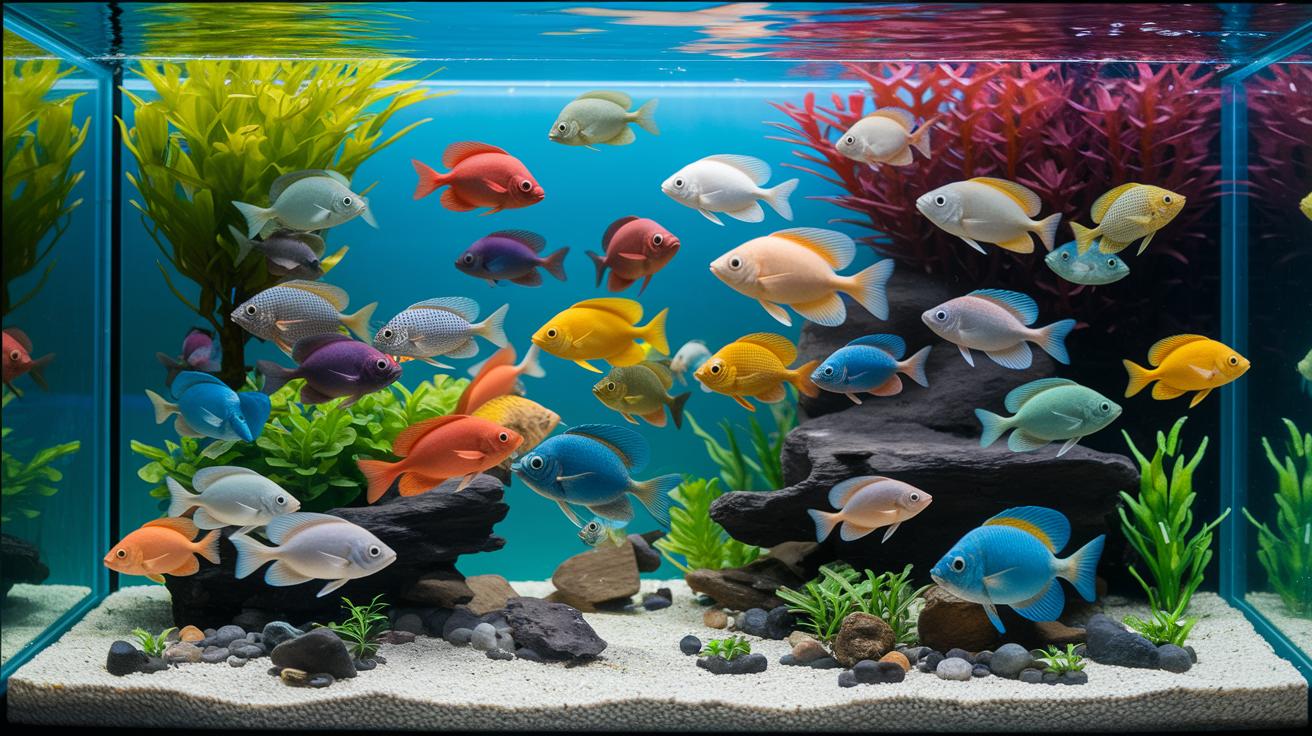
Every fish has its own way of nibbling on food, especially when it comes to protein. Some fish naturally lean toward plants, while others prefer meaty treats. Herbivorous fish, for example, are built to graze on greens like algae. They have long intestines and no stomach, which helps them get the most out of plant proteins. On the other hand, carnivorous fish have bigger stomachs designed for hearty, protein-packed meals. Then there are omnivores, like discus, that enjoy a mix of live, frozen, and other protein treats, balancing both plant and animal proteins. In tanks with different fish, swapping protein sources can help everyone thrive and grow strong.
Here’s a simple guide for each feeding type:
- Herbivores: They munch on algae and other plant proteins, using their long intestines to soak up all the good nutrients.
- Carnivores: They need meals rich in animal protein because they’re built to handle meat-based food.
- Omnivores: They do best with a mix of plant and animal proteins, which keeps them healthy and active.
- Mixed-species tanks: Switching up protein types helps meet the different needs of all your fish.
Matching the right protein with each type of fish not only helps them grow but also keeps your aquarium lively and healthy.
Aquarium Fish Protein Sources: Natural and Commercial Options
When it comes to fueling your aquatic friends, there are plenty of protein-packed options to choose from. Live feeds, for example, like brine shrimp and blackworms, are not only easy for your fish to digest but also bring back that natural hunting vibe. It’s a bit like offering them a little adventure with every meal.
Frozen foods, such as bloodworms and mysis shrimp, hold onto their rich nutrients even after a quick thaw and rinse. These treats balance convenience with the kind of nutritional boost that feels like a special surprise for your fish on any day.
Then there are freeze-dried treats. These offer a strong protein hit that a lot of fish really enjoy. Plus, they help brighten those brilliant fins and scales, giving your tank a little extra sparkle. And with a long shelf life, they’re a handy choice when you want to mix things up without constant trips to the store.
Commercial pellets and flakes are another great pick. With protein levels around 30–50%, they blend ingredients like fish meal, shrimp meal, and plant proteins for a steady, balanced nutrition that supports overall fish health and steady growth.
| Food Type | Key Benefits |
|---|---|
| Live Feeds | High digestibility and natural hunting behavior stimulation |
| Frozen Foods | Nutrient-rich and convenient to use |
| Freeze-Dried Treats | High-protein boost and color enhancement |
| Commercial Pellets and Flakes | Balanced nutrition with consistent quality |
Optimal Protein Levels and Feed Formulation Strategies

When it comes to feeding your aquatic pals, getting the right mix is just as important as the protein itself. Experts say herbivores do best with 25-35% protein, omnivores with 30-45%, and carnivores with 40-55%. It’s like matching a fish’s favorite current, herbivores enjoy a gentler boost from plant proteins, while carnivores thrive on a richer, meat-based blend.
But protein isn’t the only hero here. A great fish food also includes 5-10% fat and 10-20% carbohydrates, plus the vitamins and minerals your fish need. These ingredients work together, much like the smooth flow of water over pebbles, to keep energy levels up and support overall health. A balanced formula even helps your fish turn food into growth more efficiently. One smart tip from a fellow aquarist: finding the right pellet size and noticing whether the food sinks or floats can greatly influence how much your fish actually eat.
| Feed Type | Recommended Protein % Range |
|---|---|
| Herbivore Feeds | 25–35% |
| Omnivore Feeds | 30–45% |
| Carnivore Feeds | 40–55% |
Mixing and matching these feed components helps ensure you meet each fish’s nutritional needs while supporting their vibrant growth. Adjusting pellet size and whether the feed sinks or floats can really optimize each meal, making feeding time a success every time.
Effects of Protein Imbalance on Fish Health and Growth
When our fish don't get the right amount of protein, it can really affect their well-being. Without enough protein, fish may grow slowly, lose their bright colors, struggle to fight off sickness, and even see their fins wear away. It’s a bit like trying to build a house with too few bricks, it just doesn’t hold up.
On the other hand, giving too much protein isn’t any better. When there’s an excess, it messes up the tank’s natural balance by raising ammonia and nitrate levels. This extra protein can even spark algae blooms and mean more work on the filter. Over time, these changes can hurt water quality and even cause long-term organ issues, cutting short a fish’s life.
Below is a simple table that shows the differences:
| Protein Deficiency Effects | Excess Protein Effects |
|---|---|
|
|
Protein requirements in aquarium fish nutrition boost growth
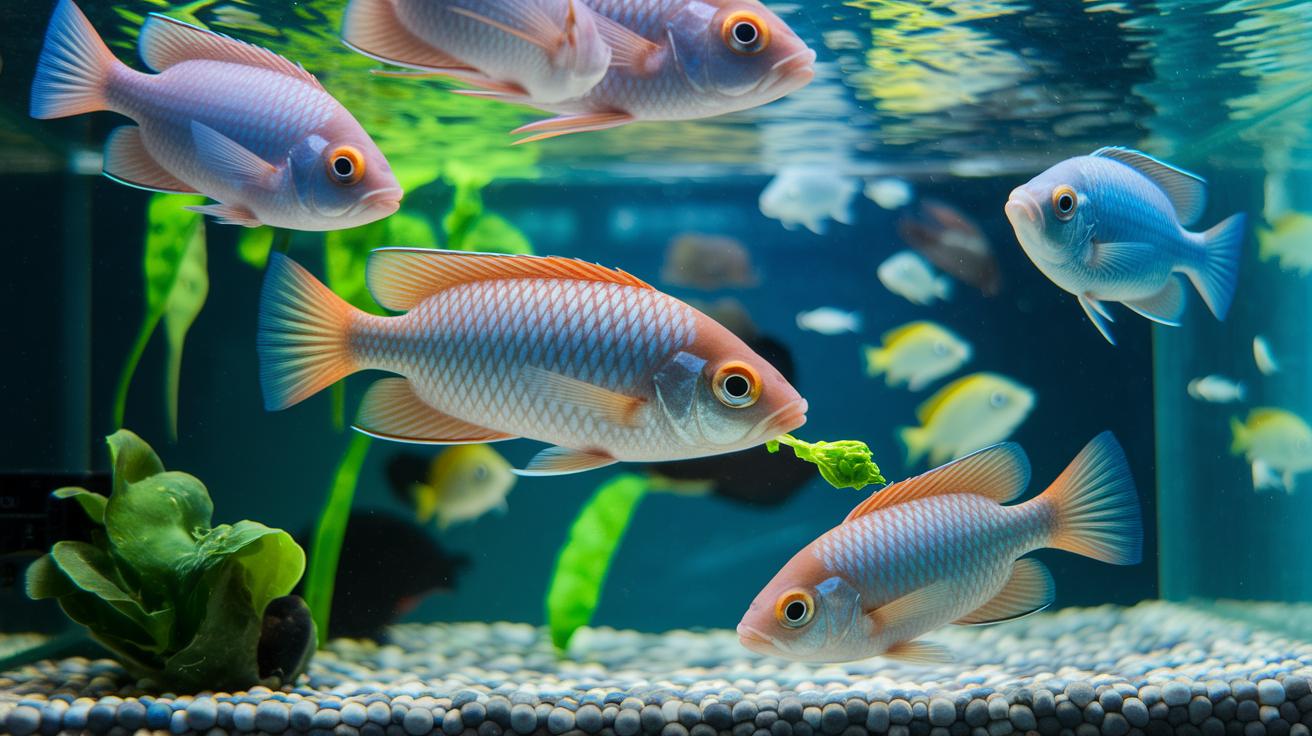
In your mixed-species tank, try switching between plant and animal feeds. This simple trick makes sure every fish gets a turn at tasty nutrition, almost like a relay race in a glistening stream. Maybe one fish will enjoy the fresh crunch of greens while another leaps for the savory meat treats.
Plan to feed your fish two to three times a day, based on what species you keep. And don't feed them right before the lights go out, it only means extra food left over, making your cleaning job tougher later. I once heard a friend say that sticking to a feeding schedule feels as satisfying as catching a perfect wave, showing just how rewarding a steady routine can be.
Once or twice during the week, offer your fish a high-protein treat for a little extra variety and boost. Think of these snacks as tiny treasures that keep your fish engaged. And if you use frozen feeds, be sure to rinse them well first to wash away any phosphates or preservatives. This helps keep your water as clear as a calm sea.
- Alternate plant and animal feeds
- Give high-protein treats 1-2 times each week
- Feed 2-3 times daily, and avoid meals before dark
Final Words
In the action, we saw how balanced protein plays a key role in keeping your fish healthy. Protein requirements in aquarium fish nutrition vary depending on species and their feeding habits. We explored different protein sources, from natural live feeds to commercial options, and discussed the best feeding practices to avoid water-quality issues. Keeping an eye on protein levels helps maintain a clean, lively tank and improves overall fish health. Enjoy cultivating an underwater space where every ripple speaks of care and joy for your aquatic pets.
FAQ
What do protein charts and PDFs show about aquarium fish nutrition requirements?
The protein charts show that different fish need varied protein levels—herbivores do well with 25–35%, omnivores with 30–45%, and carnivores with 40–55%—supporting healthy growth and vivid colors.
What is the typical protein amount per 100g of fish?
The protein in 100g of fish typically ranges from about 20 to 30 grams, though this amount can change with species and preparation, helping meet essential dietary needs.
How does fish protein compare with chicken protein?
Fish protein is often similar to chicken protein in quantity but tends to be leaner and offers beneficial fatty acids, supporting heart health and overall nutrition.
What is fish protein powder?
Fish protein powder is a concentrated supplement made from fish proteins, offering a quick boost that can be mixed into feeds or shakes to improve nutrient variety and support growth.
What should aquarium fish food include?
Aquarium fish food includes a balanced blend of proteins, fats, carbohydrates, vitamins, and minerals from both natural and commercial sources, ensuring optimal health and growth.
How much protein does a fish need?
Protein needs vary by species and life stage; carnivores require around 40–55%, omnivores about 30–45%, and herbivores roughly 25–35% protein for balanced growth and overall well-being.
What are the main elements of nutritional requirements for aquarium fish?
The key elements include proteins, fats, carbohydrates, vitamins, and minerals; each supports energy, growth, and proper immune and physical functions in your aquarium fish.