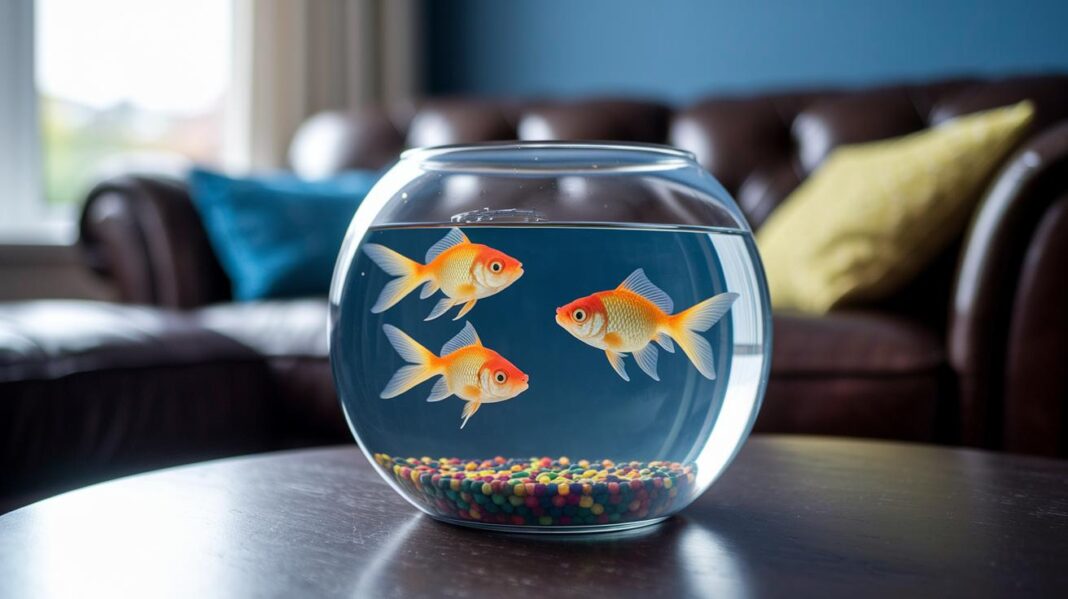

Ever notice how your goldfish can seem a bit dull even when you feed them regularly? Sometimes it’s not about how often you feed them but what you feed them that makes all the difference.
A well-chosen mix of ingredients can work wonders. It helps your fish digest their food more easily, supports their natural defenses, and even makes their scales gleam like the soft morning light on water.
In this post, we’re exploring some tried-and-true fish food options that bring pure, wholesome nutrition to the table. Stick around to discover which choices can help your goldfish truly thrive and shine.
Essential Goldfish Fish Food Options for Optimal Nutrition
Goldfish thrive on a mix of foods that match their unique needs, almost like setting up a perfect little underwater buffet. Years of careful breeding have given them special digestive quirks, so using top-notch food can help keep their bellies happy, their colors bright, and their immune systems strong. For example, one goldfish owner switched to sinking pellets and soon saw their fish feed more calmly at the bottom, bringing a noticeable boost in vitality.
Saki-Hikari Fancy Goldfish pellets come as 3 mm sinking pellets loaded with friendly ingredients like probiotics, wheat germ, and seaweed. They add a splash of red with astaxanthin and spirulina while vitamins E and C give your fish a natural boost of protection. Meanwhile, Hikari Gold koi flakes are a wallet-friendly option that keeps digestion smooth and colors vibrant without too much fat.
For those wanting a bit more variety, Xtreme Aquatic Foods Pellets offer different sizes, whether you prefer 1.5 mm floating or slow-sinking pellets or the 3 mm Big Fella Pellets made in the USA. They’re like choosing the right bait for any fish feeding style. Xtreme Spirulina Flakes are another stellar pick; this mix of blue-green algae is rich in protein, iron, and beta carotene, with a blend of vitamins and fatty acids that even supports baby fish when crumbled to the right size.
Hikari Blood Red Parrot+ gives you floating pellets spiced up with chili pepper, phaffia yeast, krill, astaxanthin, and marigold, plus extra probiotics to boost color intensity and immune health. And for sensitive goldfish, Repashy Super Gold Gel Food offers a moist formula that mixes ingredients like krill, algae, black soldier fly larvae, squid, seaweed, eggs, fruits, and flowers with added vitamins, calcium, and beta carotene to ensure gentle digestion.
| Product | Type | Key Ingredients | Primary Benefit |
|---|---|---|---|
| Saki-Hikari Fancy Goldfish | Sinking Pellets (3 mm) | Probiotics, wheat germ, seaweed, astaxanthin, spirulina, vitamins E & C | Improves digestion, enhances color, and supports immunity |
| Hikari Gold koi flakes | Flakes | Easy-to-digest ingredients, color promoters | Budget-friendly with a boost for vibrant color |
| Xtreme Aquatic Foods Pellets | Floating, slow-sinking, & sinking (3 mm) | High-quality proteins and balanced nutrients | Offers versatile feeding options for goldfish of different sizes |
| Xtreme Spirulina Flakes | Flakes | Blue-green algae, protein, iron, beta carotene, vitamins | Provides a rich nutritional boost, even for baby fish |
| Hikari Blood Red Parrot+ | Floating Pellets | Chili pepper, phaffia yeast, krill, astaxanthin, marigold, probiotics | Enhances red/orange pigmentation and boosts immune health |
| Repashy Super Gold Gel Food | Gel Food | Krill, algae, black soldier fly larvae, squid, seaweed, eggs, fruits, flowers, vitamins, calcium | Offers a moist and easy-to-digest formula ideal for sensitive fish |
These choices give you a smooth and complete plan to feed your goldfish, letting you select the perfect food based on your little friends' needs. Enjoy building a healthy underwater world for your pets!
Ingredient Benefits in Goldfish Fish Food: Key Nutrients Explained
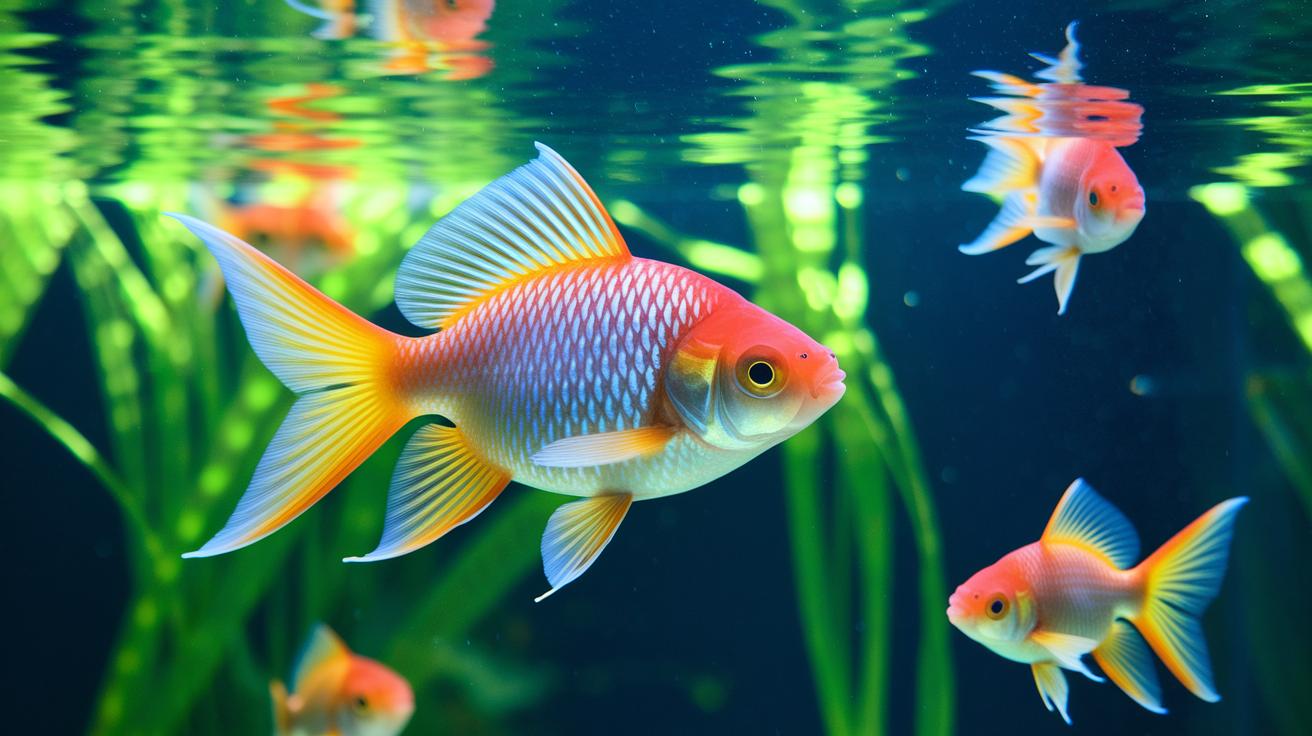
Every ingredient in your goldfish’s diet plays a crucial role in keeping them happy and healthy. Probiotics act like little helpers that keep your fish’s tummy running smoothly, much like a natural cleaning crew for their insides. Imagine your goldfish enjoying a meal that not only tastes yummy but also supports smooth digestion from beginning to end.
Wheat germ brings in vitamin E and essential fatty acids, which help keep skin soft and cells strong, almost like a gentle shield for your fish. Then there’s seaweed and spirulina, which are packed with antioxidants such as beta carotene and iron. They boost overall vitality, much like the sparkle of sunlight on water.
Astaxanthin and phaffia yeast add a pop of color to your aquarium by enhancing vibrant red and orange hues in your fish. This means your goldfish can look even more striking while swimming gracefully among their aquatic plants.
High-quality proteins from krill, shrimp, and squid provide the building blocks that help repair muscles and tissues. For those fancy goldfish, a formula like Repashy Soilent Green, with its 8% fiber, can help ease discomfort from constipation. Additionally, vitamins A, D3, and E, featured in formulas like Hikari Cichlid Excel, further support a robust immune system and healthy growth.
Each natural nutrient works together in a preservative-free blend to keep your goldfish energetic, radiant, and ready to brighten up any aquarium.
Feeding Schedule and Techniques for Goldfish Fish Food
Keeping your goldfish healthy starts with a steady routine. Think of it like the gentle flow of water that refreshes a pond. Young fish benefit from small, frequent meals, while adult goldfish do great with two balanced feedings a day.
In the morning, offer a measured amount of dried food like flakes or pellets. This gives your fish a burst of energy to start their day, and using a good feeding technique helps keep your tank clean.
Then in the evening, mix it up with blanched vegetables or a serving of thawed frozen treats. These options are easier on their digestion and add a new texture to their diet. Scatter the food around the tank so your fish can forage naturally, just as they would in a wild, bubbling stream.
For fancy goldfish, sinking pellets are a must. They help prevent your fish from gulping air, which can lead to swim-bladder issues. Adding a few live plants not only supports natural grazing but also boosts their nutrition. Using a feeding ring is another smart trick; it keeps floating food contained and helps maintain clear water.
- Give measured dried food (flakes or pellets) in the morning.
- Offer blanched vegetables or thawed frozen treats in the evening.
- Scatter the food around to encourage natural foraging.
- Use sinking pellets for fancy goldfish to help avoid swim-bladder problems.
- Employ a feeding ring to keep food from floating and to maintain water clarity.
Homemade Goldfish Fish Food Recipes and DIY Meals
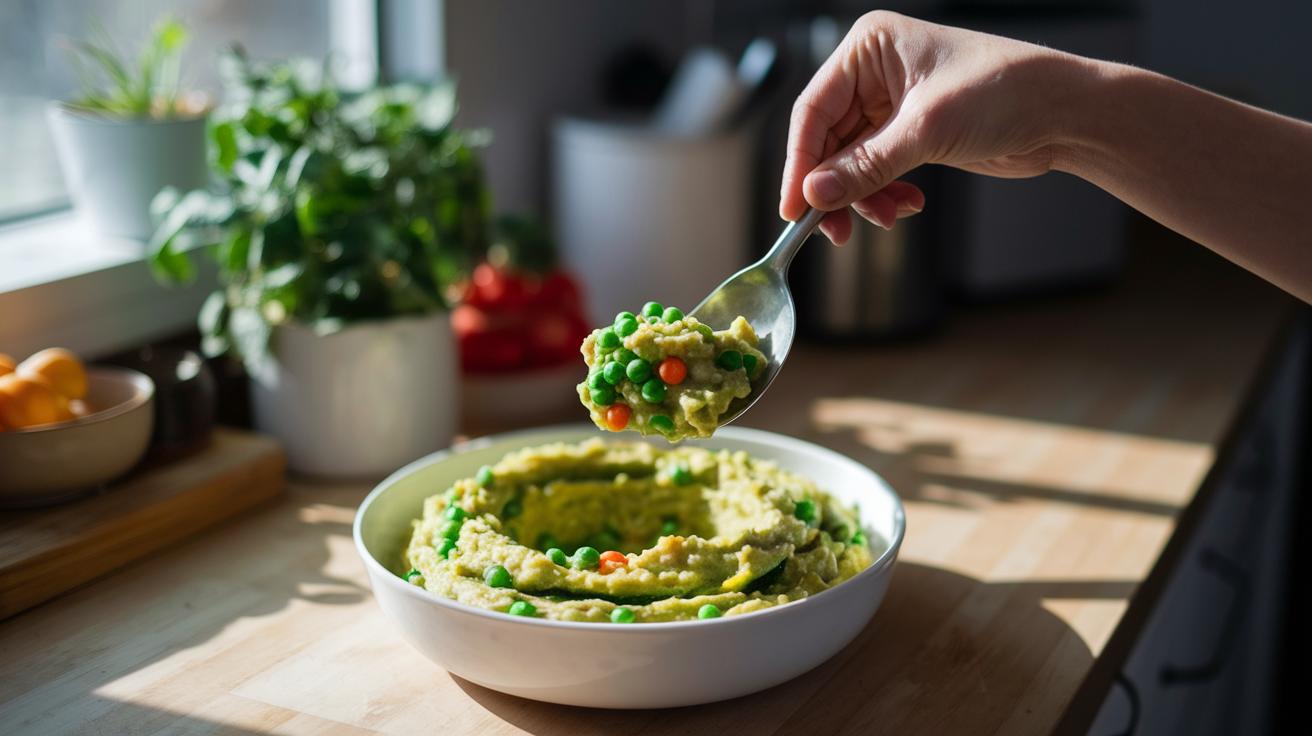
Make your own goldfish meals using fresh, simple ingredients that feel as gentle as a warm stream on a calm day. These recipes are meant to help your fish digest their food easily and put a little extra splash of joy in their day.
Vegetable-based Meal
Mix equal parts of unshelled peas with zucchini slices, carrot slices, and spinach. Start by dipping the veggies into boiling water for about a minute, just long enough to soften them while keeping their goodness intact. If needed, peel off any tough skins and mash the veggies so they’re mostly smooth but still have a little bite. Scoop out one or two pea-sized portions for each fish. This meal is full of fiber to help with digestion while giving your goldfish a fun change of flavors. For example, try giving each fish one spoonful of these mashed veggies to support a happy tummy and keep them buoyant.
Protein-enriched DIY Gel Food
Blend together a mix of krill, algae, black soldier fly larvae, and squid until you have a smooth puree. Stir this mixture into unflavored gelatin that has been dissolved in warm water, and add in the vitamin supplement you like best. Pour the mix into a shallow dish, then pop it in the fridge until it turns into firm cubes. Once set, cut the gel into small, bite-size pieces and treat your goldfish with them once or twice each week. This protein-packed treat helps your fish build strong muscles while offering a refreshing switch-up to their usual routine, all without upsetting their sensitive tummy.
Choosing the Right Goldfish Fish Food for Fancy vs Common Varieties
When it comes to feeding your goldfish, it's a lot like picking the perfect spot in a clear stream, every fish has its own needs. Common goldfish have a tough tummy and do well with both floating pellet formulas and sinking pellets. In my experience, many folks with larger common goldfish opt for 3 mm sinking pellets. These bigger pellets are not only easier to handle but also help cut down on leftover food, making meal times smoother for everyone.
Fancy goldfish, on the other hand, are a bit more delicate. They can struggle a little with breathing if they gulp too much air at the water's surface. That’s why slow-sinking pellets, like the Saki-Hikari sinking pellets, are a smart choice. They let the fish eat at a relaxed pace, giving their bodies time to process the food without causing swim bladder issues.
Pond goldfish have their own seasonal twists too. In the warmer months, these fish benefit from a higher protein diet that supports their active, fast-paced lives. When the water cools down, a formula enriched with wheat germ is a gentle option, balancing their energy with a milder appetite. And as the temperature tickles past 65°F, many pond owners find that floating premium goldfish flakes keep their fish lively and well-fed.
| Goldfish Type | Recommended Food |
|---|---|
| Common | Floating flakes or sinking pellets (3 mm for larger goldfish) |
| Fancy | Slow-sinking pellets to help avoid gulping air |
| Pond | High-protein options in warm weather, wheat germ formulas and floating premium flakes when needed |
Live and Frozen Treats to Enhance Your Goldfish Fish Food Variety
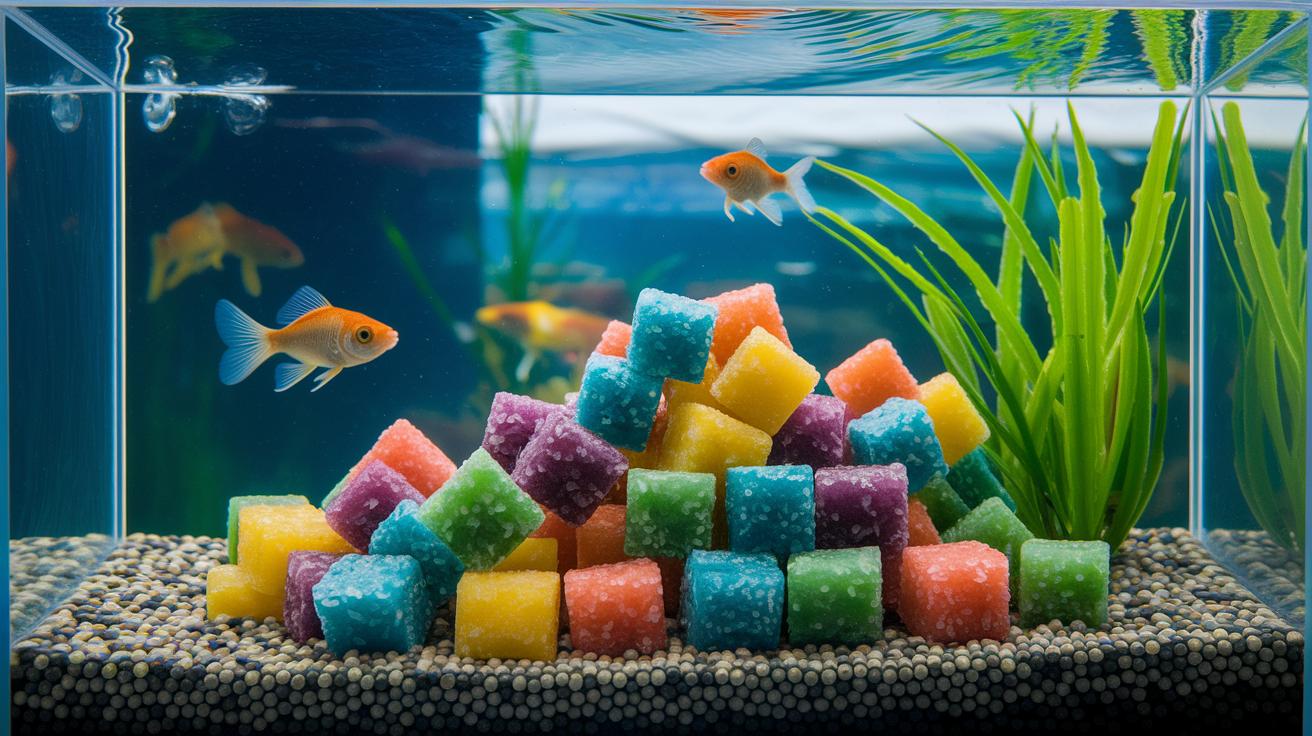
Fresh treats can bring a burst of fun to your goldfish’s daily meals, much like a cool splash of water on a sunny day. Live treats like daphnia get your fish moving and foraging like they would in a natural pond. They even help keep your tank clear by cutting down on green water buildup. Spirulina-enriched brine shrimp, with their protein and antioxidants, work like a little health-packed snack that keeps your fish strong and happy.
Frozen treats have their own charm too. Take frozen krill cubes for example, they slowly melt in the water, letting your goldfish nibble gently over time while helping with smooth digestion and even muscle strength. Frozen bloodworms are another tasty option, though you should offer them in small amounts to keep the water quality just right.
- Offer live daphnia to encourage natural foraging.
- Serve spirulina-enriched brine shrimp for a protein-packed snack.
- Add frozen krill cubes to support easy digestion and muscle tone.
- Provide bloodworms in moderation to boost protein without affecting water quality.
Both live and frozen treats bring variety and balance to your goldfish’s diet, helping them enjoy a healthy and natural feeding routine in a clear, lively tank.
Comparing Goldfish Fish Food Types: Pellets vs Flakes vs Gel
Flakes give your goldfish a quick snack that almost disappears into the water. This can sometimes make the tank look a bit cloudy. If you notice your fish darting to the surface or gulping air, try cutting back on the amount of flakes or mix in some sinking treats. For instance, you might start with half of what you’d usually give and adjust as you see how they react.
Pellets come in sizes like 1.5 mm and 3 mm and offer options that float, sink slowly, or sink right away. These options help reduce the chance of your goldfish swallowing too much air, which is important for those with sensitive swim bladders. If your fancy goldfish seem to have trouble feeding, consider switching to a slow-sinking pellet instead. You could swap out the floating pellets for slow-sinking ones and see if your fish settle down a bit more during mealtime.
Gel foods, such as Repashy Super Gold, are packed with moisture and fiber. This makes them a great choice for goldfish that tend to have swim bladder issues. If you have any goldfish that struggle to eat regular food, adding a bit of gel food to their daily diet might help them digest better. A good start is to mix in about 10% gel food and change the mix as needed.
| Food Type | Key Points |
|---|---|
| Flakes | Quick snack; may cloud water; can cause air gulping |
| Pellets | Available in various sizes and sinking types; helps reduce air intake |
| Gel | High in moisture and fiber; supports digestion for sensitive fish |
If you're not sure which type works best, try mixing different foods gradually. Keep an eye on how your goldfish behave, and adjust their meals step by step. Isn’t it interesting how a small change in feeding can make such a difference?
Final Words
In the action of choosing the best options, this post covered top goldfish fish food types, ingredients that promote colorful health, and tank feeding tips that suit daily routines. We talked through feeding schedules, home-prepared recipes, and even how to pick food for both fancy and common goldfish. It showed clear comparisons between pellets, flakes, and gel, offering practical ideas to keep your tank clear and your fish content. Enjoy mixing these expert suggestions with tried-and-true goldfish fish food practices for a thriving aquatic home.
FAQ
Goldfish fish food Walmart
Goldfish fish food available at Walmart offers a range of types like pellets, flakes, and gel food that supply essential nutrients for vibrant color and growth. It provides accessible, budget-friendly options for pet owners.
Best goldfish fish food
The best goldfish fish food delivers balanced nutrition with high-quality proteins, vitamins, and probiotics. This feed supports overall fish health and vibrant coloration, catering to both fancy and everyday goldfish needs.
Gold fish food snack
Goldfish food snacks are designed as occasional treats that complement a regular diet. They provide a quick burst of energy and aid in enriching the overall nutritional profile of your pet’s meals.
Best goldfish food for clear water
The best goldfish food for clear water has a low dust formula, often found in pellet or gel form. This minimizes waste particles in your tank, helping maintain water clarity and reducing the need for frequent cleaning.
Gold fish Food Flakes
Gold fish food flakes are a popular option that float on water and enrich your fish with essential vitamins. They can boost color and energy although pairing them with pellets or gels may help balance your goldfish diet.
Best food for goldfish Growth
The best food for goldfish growth includes high-quality proteins, vitamins, and additives like probiotics. This balanced nutrition encourages robust growth, brighter colors, and overall long-term health in your goldfish.
Hikari goldfish food
Hikari goldfish food is a well-known brand that offers specialized formulas, such as sinking pellets and premium flakes. These foods are formulated to support digestion, color enhancement, and overall vitality.
Repashy Goldfish food
Repashy Goldfish food uses a moist, nutrient-dense gel formula that combines ingredients like krill, algae, and black soldier fly larvae. It supports digestion and vibrant coloration, making it a favorite for many goldfish owners.
What is the best food for a goldfish?
The best food for a goldfish is one with balanced proteins, vitamins, and probiotics that meets their unique dietary needs. High-quality brands offer various forms, including pellets, flakes, and gels, to suit different feeding habits.
How often should you feed a goldfish?
Goldfish are best fed twice daily—once in the morning and once in the evening. Younger fish may need smaller, more frequent meals to support their energy and continuous growth.
How long can goldfish go without eating?
Goldfish can go a few days without eating safely, though extended periods without food may lead to nutritional deficiencies. Regular, balanced feeding helps keep them active and healthy.
Do goldfish prefer floating or sinking food?
Goldfish feed preferences depend on their type; fancy goldfish benefit from slow-sinking pellets to reduce air gulping, while common varieties can happily eat both floating and sinking foods.