
Did you know that feeding your fish the right way can boost their energy and keep them lively? Think of it like how you feel after a balanced meal, you need proper food to stay strong, and so do your fish.
In this friendly chat, we'll explore the basics of fish nutrition in simple, everyday language. You'll see how proteins, fats, carbs, vitamins, and minerals all work together to help your fish thrive.
Ever notice how a well-fed fish seems to dance around its tank? Let's dive in and discover smart, easy tips for fueling your underwater friends.
Fundamental Principles of Aquarium Fish Nutrition and Metabolism
Fish metabolism works like the motor of a small water current, powering movement, growth, reproduction, and even waste removal. In simple words, providing the right food for your fish is all about fueling these important body processes.
Think of it this way: a fish gets energy through two main processes. First, catabolism breaks down the nutrients, much like blending fruit to make a fresh smoothie where every bit contributes to that burst of energy. Then, anabolism uses that energy to help build new cells and tissues, keeping your fish strong and healthy.
A healthy diet for fish is a bit like a well-balanced meal for us. It includes proteins for patching up tissues, fats for a powerful energy boost and building cell walls, and carbohydrates to quickly fire up energy. Vitamins such as C and the B-complex act as helpers in keeping the body working right, while minerals support things like maintaining proper balance in the fish and strong, healthy bones.
Water quality also plays a big role in how fish take in nutrients. Things like the amount of dissolved oxygen and the pH level of your tank make it easier for nutrients to pass through the fish’s gills and skin. This clean and clear water is similar to a gentle stream that carries life-giving energy to every part of the tank.
These simple ideas form the foundation for understanding feeding strategies and how fast your fish use energy. The secret is in the delicate balance between the food you provide and the condition of the water, all working together to keep your little underwater friends happy and vital.
Essential Nutrient Requirements for Aquarium Fish Diets
A balanced diet is the heart of a thriving aquarium. It makes sure your fish get a mix of big nutrients and little ones too. Think of proteins as a hardworking repair crew that builds and mends fish muscles, much like a handy kit that fixes up your favorite gadget. Lipids, or fats, not only give your fish a burst of energy but also keep each cell strong. And carbohydrates? They offer a quick splash of power to keep those fins flapping happily.
Fish feeds are packed with vitamins and minerals that act like loyal helpers in the background. Vitamins C, A, D, and the B-complex jump in to kick-start important reactions inside the fish, sort of like giving each cell a little nudge. Minerals are there to balance things out, supporting everything from strong bones to smooth osmoregulation (basically, keeping the fish’s salts just right). Even dietary fiber plays its part by helping the gut work like a well-tuned water current, ensuring food moves along nicely.
Manufacturers put a lot of care into making sure every bite is just right. They work with nutrient profiles the same way a chef carefully measures a recipe, adding just the right amount of each ingredient for a perfect balance.
Key components of an ideal diet include:
- Protein: Builds tissues and supports growth and repair.
- Lipids: Provide concentrated energy and essential fatty acids for healthy cell membranes.
- Carbohydrates: Act as a quick energy source for active swimmers.
- Vitamins: Help enzymes kick-start important processes.
- Minerals: Assist in keeping the body balanced and support bone structure.
- Dietary Fiber: Improves digestion and keeps things moving smoothly.
For a deeper dive into the benefits of these nutrients, check out "essential nutrients in fish" at https://sweetfysh.com?p=1578.
Piscine Metabolic Pathways and Energy Production Mechanisms
Fish in your aquarium turn food into energy in two main ways. Most often, they use aerobic metabolism, which is like a smooth, steady stream running through gentle water. In this process, oxygen helps break down sugars and fats completely into carbon dioxide and water, producing plenty of ATP, the little energy packets that help with everything from swimming to growing. It’s a reliable method that keeps your fish moving steadily day by day.
When a fish zips after a snack, though, it switches to anaerobic metabolism. Think of this as a quick burst of water pressure, providing energy in an instant without waiting for oxygen. Although it gives energy fast, it isn’t as efficient as the aerobic way. So, your fish naturally balance between these two methods: one for peaceful moments and one for sudden sprints during a snack chase.
Behind the energy magic are two teamwork processes called catabolism and anabolism. Catabolism breaks down food parts like fats, proteins, and carbohydrates to release energy. Then, anabolism uses that energy to rebuild and repair tissues. Imagine a friendly crew where one team tidies up the old and the other builds something new and improved. This teamwork ensures your aquatic friends stay healthy, active, and full of life.
Factors Affecting Metabolic Rate in Aquarium Fish
Temperature plays a key role in how fast fish burn energy. Tropical fish do their best in water that stays between 78 and 82 °F. When the water cools down, their internal processes slow, they eat less, and they grow at a slower pace, which can sometimes invite illness. On the flip side, if the water gets too warm, fish burn through oxygen and digest food too quickly, which can stress them out.
Water quality is also a big player in keeping fish healthy. High levels of ammonia and nitrites, along with swings in pH, can mess with their natural processes. Having enough dissolved oxygen in the water helps fish breathe smoothly and keeps their energy use steady. Interestingly, fish take in nutrients right through their gills and skin, so clear, clean water really makes a difference.
Unstable water conditions or sudden temperature shifts can stress the fish, and you might notice signs like fast-moving gills or fish gulping near the surface. These signs are little signals that the fish are working harder than usual to stay healthy.
Key things to remember include:
| Key Factor | Impact |
|---|---|
| Temperature | Affects digestion and energy use |
| Water Quality | Influences nutrient absorption |
| Stress Levels | Changes digestion and overall health |
Keeping your water tests regular and managing temperature carefully gives your fish the best chance to thrive. When everything is clear and calm, their scales, fins, and tails seem to sparkle, and watching that is just as soothing as the gentle ripple of a quiet stream.
Digestive Physiology and Nutrient Uptake Processes in Aquarium Fish
Fish have a one-way digestive system that works a bit like a gentle current, carrying food from one part to another. Their pathway starts with the stomach, then moves to the pyloric caeca, and finally to the intestine. This design helps them soak up as many nutrients as possible.
In a way, enzymes such as proteases, lipases, and amylases work like tiny gears, breaking down proteins, fats, and carbohydrates into small pieces that the fish can use. The stomach kicks things off by churning food and mixing it with soft digestive juices. Next, specialized enzymes in the pyloric caeca and intestine break the food down even more so that every bit of nourishment is ready to be absorbed.
A key helper in this process is the friendly community of gut bacteria. These helpful microbes work alongside the enzymes to digest food better and even boost the fish’s immune system. Many fish keepers add probiotic feed supplements to support this natural team in the gut, like giving them an extra boost just when they need it.
There’s also a cool twist to how fish get nutrients. Sometimes, nutrients dissolve directly into the water, and fish can absorb these right through their skin and gills. This two-pronged approach helps the fish make the most of every meal.
In truth, keeping enzyme actions busy with a balanced diet and a healthy mix of gut flora is vital. This well-tuned system turns food into energy and essential building blocks, ensuring your fish stay lively and healthy, much like the sparkle of light dancing over a calm pond.
Formulating Balanced Diets and Practical Feeding Strategies for Aquarium Fish
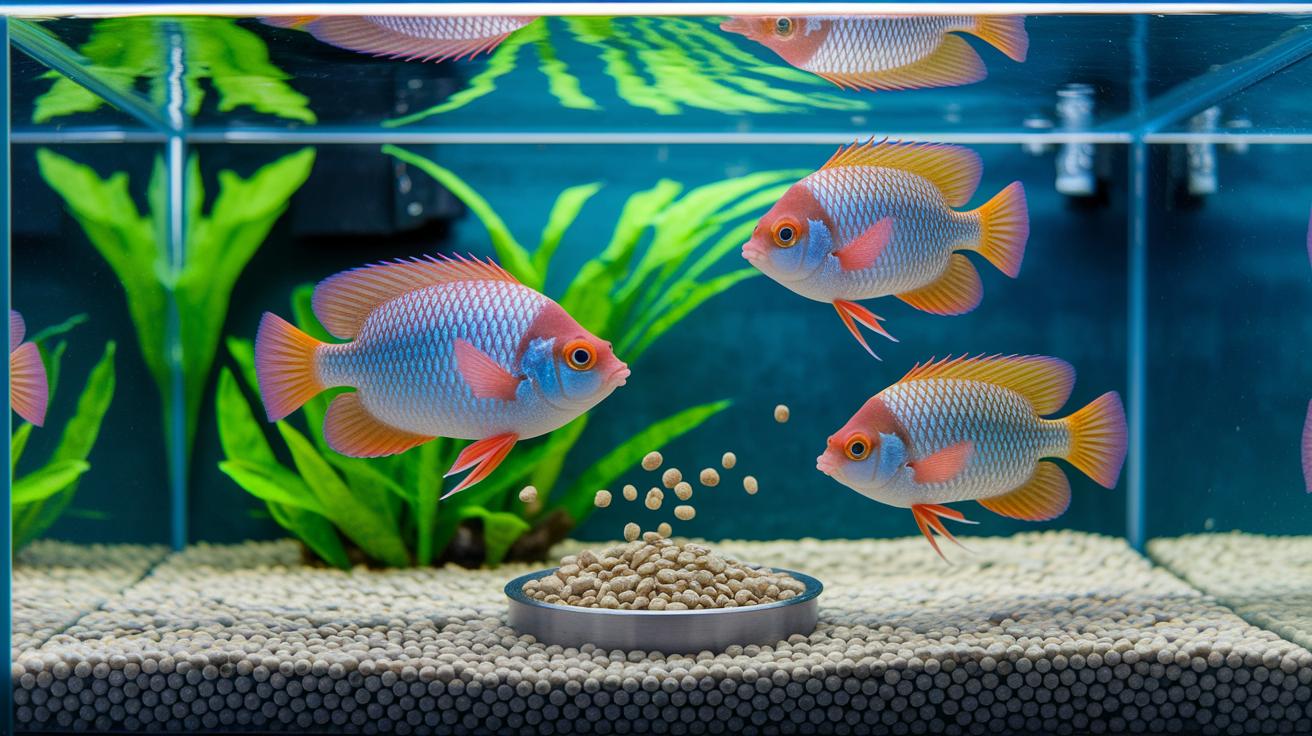
When you're planning meals for your fish, try serving 2 or 3 small meals a day, each meal should vanish within 2 or 3 minutes. This way, you avoid leftover food that can cloud the water and you help your fish absorb nutrients quickly. It’s like setting up little buffets that keep your fish active and content.
Mixing up the food is a win-win. A great approach is to offer a mix of flakes, pellets, frozen bits, and even live foods. This variety gives your fish a complete range of nutrients while making mealtime fun and interesting. You might start with a combo of flakes and pellets, then add a sprinkle of frozen daphnia or live brine shrimp to match different needs.
This diverse strategy means you can tweak the diet according to each fish’s unique needs, whether they’re young and growing, or older and just cruising along. Young fish often need a protein-rich meal to boost their growth, while adult fish thrive on a balanced mix that helps keep them in tiptop shape. Adjusting the diet not only supports growth but also cuts down wasted food.
Keep an eye on the feed conversion ratio (FCR), which is a simple way to check how well your fish turn their food into healthy body mass. Even a basic review can tell you if the food meets their nutritional needs. If the meals feel too heavy or too light, a little adjustment in the recipes can keep things balanced.
It helps to introduce changes slowly. For example, if you try a new pellet brand or change up the food mix, watch your fish over a few days to see how they respond. This step-by-step approach lets you fine-tune the meals, keeping the water clean and your fish happy, turning feeding time into a smooth, well-managed routine.
Identifying Dietary Issues and Metabolic Disorders in Aquarium Fish
Sometimes, your fish might send soft signals that something’s not quite right. If they aren’t growing as they should, their bright colors start to fade, or they seem unusually tired, these could be hints that their diet is missing some essential nutrients.
You might also notice your fish gasping near the water line or their gills fluttering quickly. This is often a sign of metabolic issues, which can get worse when leftover food and waste add too many toxins to the water. Think of it like a cluttered room, it makes it hard for everything to function normally.
To help your fish feel better, try switching up your water change routine and balancing their diet. Using feeds boosted with vitamin C and natural immune helpers can give them a little lift. Plus, when your tank water is clean and fresh, it’s much easier for your fish to take in all those healthy nutrients.
Key signs to keep an eye on include:
- Stunted growth and fading colors
- Gasping and rapid gill movements
- Increased waste levels in the tank
Final Words
In the action, we explored core ideas that support healthy, thriving aquatic environments. The blog explained how proper feeding, water quality, and understanding of fish metabolism come together, with a focus on aquarium fish nutrition and metabolism explained. We broke down how nutrients turn into energy and provide the tools to build a vibrant underwater home. Enjoy setting up your tank with these insights and watching your fish flourish in a balanced, lively space.
FAQ
What is detailed in the aquarium fish nutrition and metabolism explained PDF?
The aquarium fish nutrition PDF explains key nutrients and metabolic processes that power fish growth and energy production. It also covers how water quality affects nutrient absorption.
What does fish metabolism involve in generating energy?
Fish metabolism involves breaking down food to produce energy for movement, growth, and reproduction. It converts nutrients into energy and builds the molecules needed for healthy development.
How does temperature influence fish metabolism?
Fish metabolism adjusts with water temperature. Warmer water boosts energy use and activity, while cooler temperatures slow digestion and growth, making careful temperature control important.
How do fish get energy from the sun?
Fish indirectly get energy from the sun. Sunny conditions help aquatic plants grow, which in turn produce oxygen and nutrients that support fish metabolic and digestive processes.
What role do fish vitamins and minerals play?
Fish vitamins and minerals boost enzyme activity and help repair tissues, support immunity, and maintain overall health. A balanced intake keeps fish vibrant and supports essential metabolic functions.
What happens when aquarium fish experience a vitamins and mineral deficiency?
When fish lack enough vitamins and minerals, they may show stunted growth, dull colors, and lethargy. A balanced diet helps maintain healthy metabolic processes and strong immunity.
What types of fats are found in fish diets?
Fish diets include healthy fats such as omega-3 fatty acids, which help maintain cell structures, supply concentrated energy, and support overall fish health.
How do fish use metabolism for their daily activities?
Fish use metabolism to break down food into energy that powers movement, growth, and reproduction. This energy conversion also aids in maintaining body functions and repairing tissues.
What factors influence metabolism in fish?
Fish metabolism is influenced by water temperature, quality, stress, and nutrient availability. These factors determine how efficiently fish convert food into the energy they need.
Can fish speed up their metabolism?
Fish can speed up their metabolism with warmer water or more active conditions. Sudden changes may stress them, so keeping a stable environment is key to balanced metabolism.
What are the main nutritional elements required by aquarium fish?
Aquarium fish need proteins for growth, healthy fats for energy, carbohydrates for quick fuel, vitamins for enzyme support, and minerals for proper osmoregulation and bone structure.