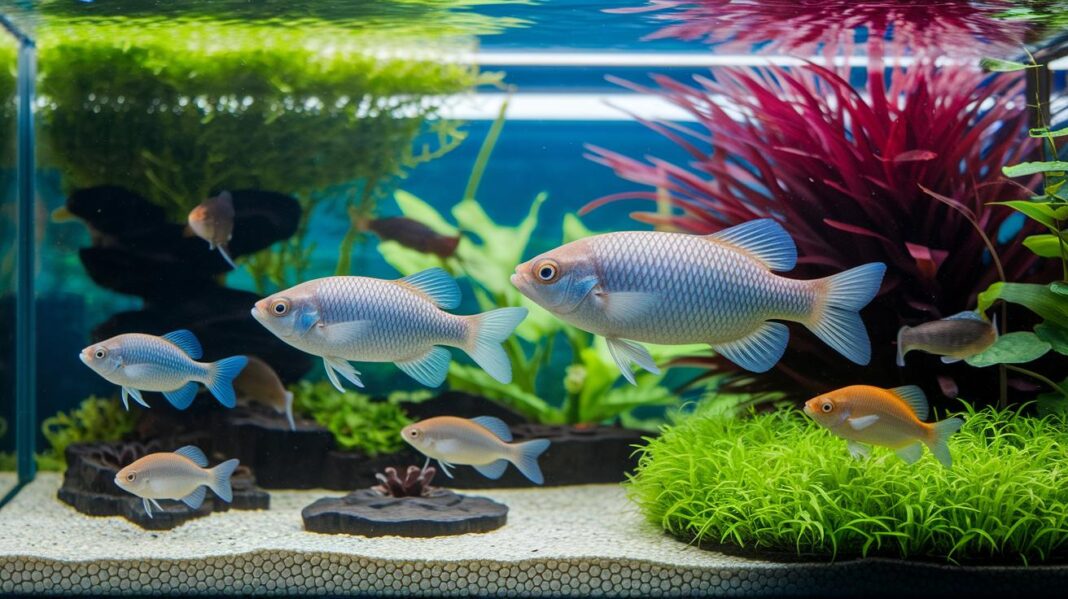

Ever notice how your fish sometimes lose that sparkling glow? It could be as simple as missing some important vitamins or minerals, a bit like a pond missing its light and ripple. When their food isn’t just right, your fish might seem less animated and full of life. Even small oversights can add up over time, leaving them looking a little dull.
Bright Solutions has some easy, natural tweaks, using extracts and amino acids (you know, the little building blocks that help keep things bright), that can give your fish their shine back. Next, take a moment to see how these simple changes can help your aquatic friends regain their vibrant colors and energy.
Understanding Nutritional Deficiencies in Aquarium Fish
Aquarium fish need a balanced diet to stay bright, happy, and full of life. When they don’t get the right mix of vitamins, minerals, proteins, and fatty acids, their colors fade and energy drops. Sometimes, issues crop up because the commercial feed isn’t strong enough in tiny but vital nutrients, or maybe the homemade meals are missing the right ingredients. Even storing food in a damp spot can break down key vitamins, leaving your fish looking a bit washed out.
You might notice signs like dull colors, slower growth, or even changes in behavior, like swimming around in a lazy, erratic way. In some cases, you might see fin erosion or unusual body curves, which are clear hints that the diet isn’t hitting the mark. Imagine a bright tropical fish suddenly showing faded hues, much like a painter who’s lost some of the sparkle in their palette.
The main causes often come down to a recipe that isn’t quite right for each fish. Many commercial feeds aren’t tailored for the different needs of every aquatic friend, leading to these nutrient gaps. And it’s not just the vitamins, a poor mix of proteins or fats can really throw off your fish’s natural glow.
The good news is that you can fix these issues with a few diet tweaks and proper supplements. Special blends like Vita-Chem, which packs over 30 natural extracts and amino acids, are a great way to boost nutrition. Regularly checking and adjusting the feed formula can make a big difference in keeping your aquarium vibrant and full of life.
Key Causes of Nutritional Deficiencies in Aquarium Fish
Many fish can miss out on the good stuff when their meals aren’t planned just right. Low-quality commercial feeds and homemade diets that don’t balance vitamins and minerals can leave your fish short on what they need. Over time, even little mistakes in feeding add up to a big nutrient gap. Wow, it’s surprising how many commercial feeds miss the micronutrients that truly support fish health.
Sometimes the problem isn’t just the food, it’s the tank conditions too. Even when a feed looks complete on paper, less-than-ideal water can break down vitamins and other sensitive nutrients. For instance, if the pH or hardness of the water isn’t just right, your fish might not be able to soak up these important elements.
Another big piece of the puzzle is the lack of dietary supplements. Without extra vitamins, fish can lose their bright colors and resilience. In simple terms, a shaky feeding routine combined with missing vitamins and minerals can weaken your fish, making them less able to handle stress.
The way to handle these issues is simple: choose better feeds, balance your homemade diets with care, and add the right supplements. With these thoughtful steps, you can keep your fish strong, vibrant, and swimming happily in their watery world.
Recognizing Symptoms of Nutritional Deficiencies in Aquarium Fish
When your fish isn't getting the right mix of nutrients, you might notice their bright colors start to fade, their movements change, or even their shape seems off. Missing out on enough vitamins, minerals, proteins, and fats can leave them looking dull and feeling tired. The good news is there are ways to help, but catching these signs early is key. It's a bit like noticing that sparkle on a fish's scales dim when it lacks the right kind of fats and carotenoids.
Below are eight common signs to keep an eye on:
• Faded or dull coloration – Imagine a goldfish that once shined now looking washed out.
• Erratic swimming or lethargy – Your fish might swim oddly or seem unusually slow, almost like it's running low on energy.
• Poor growth or stunted size – Think of it like a plant that doesn't grow tall without enough sunlight.
• Fin splits, erosion, or deformities – Picture delicate fins that have started to split or wear away over time.
• Loss of appetite or feeding refusal – It's similar to when you just aren't in the mood for your favorite snack.
• Weight loss or a “sunken” belly – Much like a pet that loses weight without explanation, your fish might look thinner than usual.
• Spinal curvature or vertebral gaps – Notice if your fish’s back seems oddly curved, a sign something's missing in its diet.
• Increased susceptibility to infection – A fish that’s not well-nourished can have a harder time fighting off illnesses.
Diagnosing Nutrient Shortages in Aquarium Fish
Water-Quality & Uptake Testing
Keeping an eye on your fish is a lot like noticing ripples on a calm pond. Regular visual checks and occasional weight tracking help spot tiny changes before any real trouble shows up. Simple water tests for pH, hardness, and dissolved solids are key because these elements decide how well your fish can get their nutrients. If the water is too acidic or too hard, important vitamins and minerals might not be in the best form for your aquatic friends. Some dedicated aquarists even send water samples off to a lab for a deeper look at its micronutrient balance. And don’t worry, easy-to-use test kits are available to guide you if things aren’t quite right.
Feed Composition Analysis
Just as water quality matters, what your fish eat does too. It helps to check the feed using information from the manufacturer, lab tests, or handy test kits to see if the vitamin and mineral levels are just right. This step shows if the food meets your fish’s needs or if it needs a little extra boost. For the extra curious, some hobbyists send feed samples to labs for a detailed breakdown of micronutrients. Keeping a log of how your fish respond to their meals and watching their growth over time can be really useful. Together, these simple checks let you see where your fish might be missing out so you can adjust their diet and water for a healthier, happier aquarium.
Treatment Protocols for Nutritional Deficiencies in Aquarium Fish
When your fish start showing signs of missing nutrients, it can feel like watching a cloudy day on a clear pond. Often, the problem stems from using food that isn’t quite right or homemade diets that skip important ingredients. By tweaking your fish’s food mix and adding the right vitamin boosts, you help them bounce back to their old vibrant selves. Mixing in high-quality pellets, frozen foods, and even live treats gives your fish a well-rounded diet. For example, following the guidelines for a product like Vita-Chem’s multi-extract formula can help your tank light up again, like the gentle shimmer of sun on water.
When you spot a specific need, say, a drop in vitamin C, it’s easy to add a water-soluble mix to bring that balance back. And if the diet is low in minerals, such as calcium or phosphorus, using mineral blocks or enhanced flakes can help rebuild your fish’s strength. Missing fatty acids can be boosted with high-EPA frozen brine shrimp, while tiny trace minerals are replenished with specialized additives. It’s like fine-tuning your tank’s balance, giving you the freedom to mix and match the right treatment for each need.
| Missing Nutrient | Supplement Type | Recommended Amount | How Long to See Results |
|---|---|---|---|
| Vitamin C | Water-soluble mix | 5 mg per 10 gallons weekly | 2 to 4 weeks |
| Calcium/Phosphorus | Mineral block or enriched flakes | 1 block per 20 gallons every two weeks | 3 to 5 weeks |
| Omega Fatty Acids | High-EPA frozen brine shrimp | 10 ml per 5 gallons per feeding | 4 to 6 weeks |
| Trace Minerals | Specialized trace-mineral additive | 2 drops per 5 gallons daily | 1 to 2 weeks |
By following these nutrient fixes and personalized diet plans, you can help your fish recover and shine with natural beauty. It’s all about giving them that perfect blend of care, just like watching a calm ripple restore a pond’s sparkle.
Preventive Feeding Strategies for Nutritional Deficiencies in Aquarium Fish
Taking care of your fish is a bit like planning a balanced meal. You want to mix protein-rich treats with plant-based options, much like serving a hearty meat dish one day and a fresh veggie meal the next. One idea is to offer bloodworms one day, then follow up with veggie flakes the next.
Try setting up a feeding schedule that uses both ready-made fish food and your own simple recipes. You might even toss in some live or frozen goodies occasionally to make sure your fish get all the nutrients they need.
Here are a few friendly tips:
- Rotate between protein-packed foods and plant-based options to cover every nutrient need.
- Blend commercial fish food with your homemade mixes to tailor the diet to your fish.
- Occasionally add live or frozen foods for a touch of natural variety.
- Give a vitamin boost every two weeks to help keep those colors bright and spirits high.
Mixing up your fish’s meals this way can create a lively, healthy environment that feels as refreshing as a gentle stream on a sunny day.
Final Words
In the action, we explored common signs of lack in diet, ways to pinpoint problems, and smart steps to boost your fish’s health. We looked at why feeding choices matter and how vitamin and mineral fixes can make a splash in your aquarium. Preventive routines and quality feed help keep your tank vibrant. Keeping a close eye on nutritional deficiencies in aquarium fish can lead to happier, healthier aquatic pets. Enjoy the glow of your tank and happy fishkeeping!
FAQ
What charts or PDFs detail nutritional deficiencies and diseases in aquarium fish?
Resources like charts, PDFs, and PPTs on fish nutrition highlight common vitamin, mineral, and protein gaps, offering quick, visual guides to help you spot issues and adjust diets for optimal fish health.
What chart exists for identifying nutrient deficiencies in aquarium plants?
Aquarium plant nutrient deficiency charts show signs of missing nutrients, making it easier to fine-tune fertilization and maintain vigorous, healthy growth for your aquatic flora.
What does vitamin deficiency in fish signify, and what are its symptoms?
Vitamin deficiency in fish suggests an inadequate vitamin supply, often seen as faded color, fin erosion, and low energy, prompting a review of diet quality and possible supplementation.
What are the common symptoms of malnutrition in fish?
Malnourished fish often exhibit stunted growth, weight loss, and a pale or dull appearance along with erratic swimming, signaling the need to reassess feeding practices.
How can you fix nitrogen deficiency in aquarium plants?
Fixing nitrogen deficiency in aquarium plants involves testing water levels and then adding a nitrogen-rich fertilizer to promote robust plant growth and restore natural leaf coloration.
How do I increase nutrients in my fish tank?
Increasing nutrients in your fish tank means switching to high-quality feeds, varying the food types offered, and adding supplements like vitamin boosters to ensure a balanced diet for your fish.
How do I know if my aquarium plants are lacking nutrients?
Nutrient-deficient aquarium plants may display faded leaves, stunted growth, or unusual textures, alerting you to adjust fertilization or nutrient dosing in your tank.