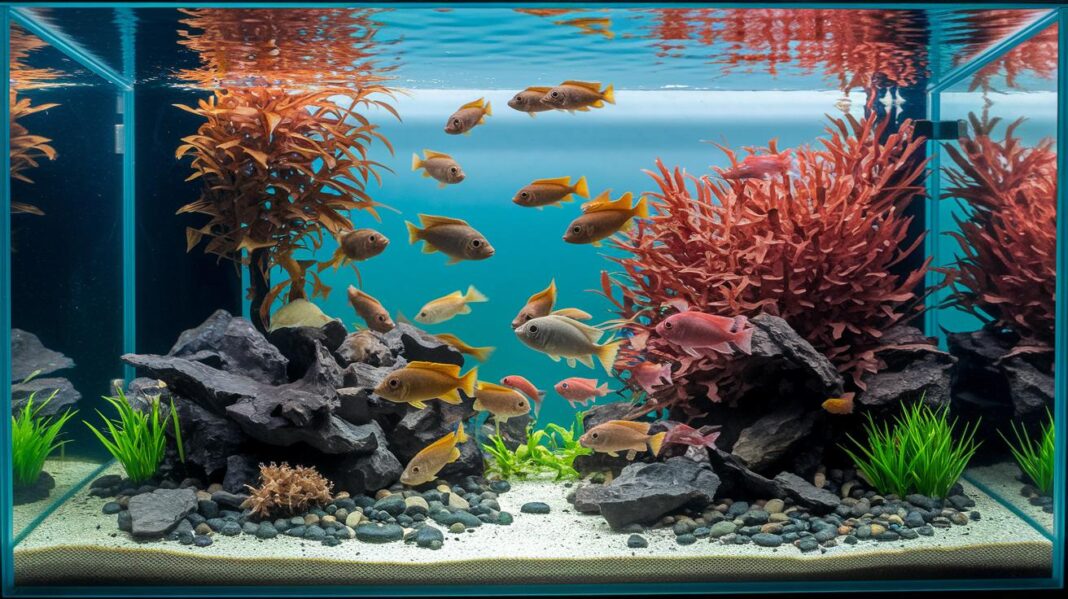

Have you ever caught your fish looking a bit less lively than usual? It might not just be a lazy day. When your fish aren't getting the right food, you might notice their colors seem dim, their fins look worn, and they move slower than normal.
These gentle hints are like little ripples in calm water, nudging you to take a closer look at their diet. If you spot these signs early, you can adjust their meals to keep your tank as cheerful and vibrant as a sunlit stream.
Primary Signs of Poor Nutrition in Aquarium Fish
Keeping an eye on your fish's nutrition is key to making sure they stay active and happy. When your fish miss out on the right nutrients, they give you little hints, much like ripples across calm water. Catching these signs early means you can change up their feeding or check the water quality before things get tougher.
- Faded, dull colors: A fish that usually sports bright hues might start looking washed out when it isn’t getting enough wholesome food.
- Tattered or frayed fins: If you notice the edges of your fish’s fins looking shredded, it could be a sign that their diet isn’t strong enough to keep their defenses up.
- Patchy or less shiny scales: Sometimes, the scales lose their sparkle and appear uneven when your fish isn’t fed quality food.
- Lethargy and low energy: A usually active fish might start spending more time at the bottom of the tank, moving slowly as if weighed down.
- Loss of appetite: If mealtime turns into a quiet affair where your fish shows disinterest, it’s a clear signal that something might be off with their nutrition.
By noticing these gentle cues, you can quickly spot any gaps in your fish’s diet and make simple changes. This way, your aquarium stays as vibrant and lively as a sparkling stream.
Physical Indicators of Poor Nutrition in Aquarium Fish
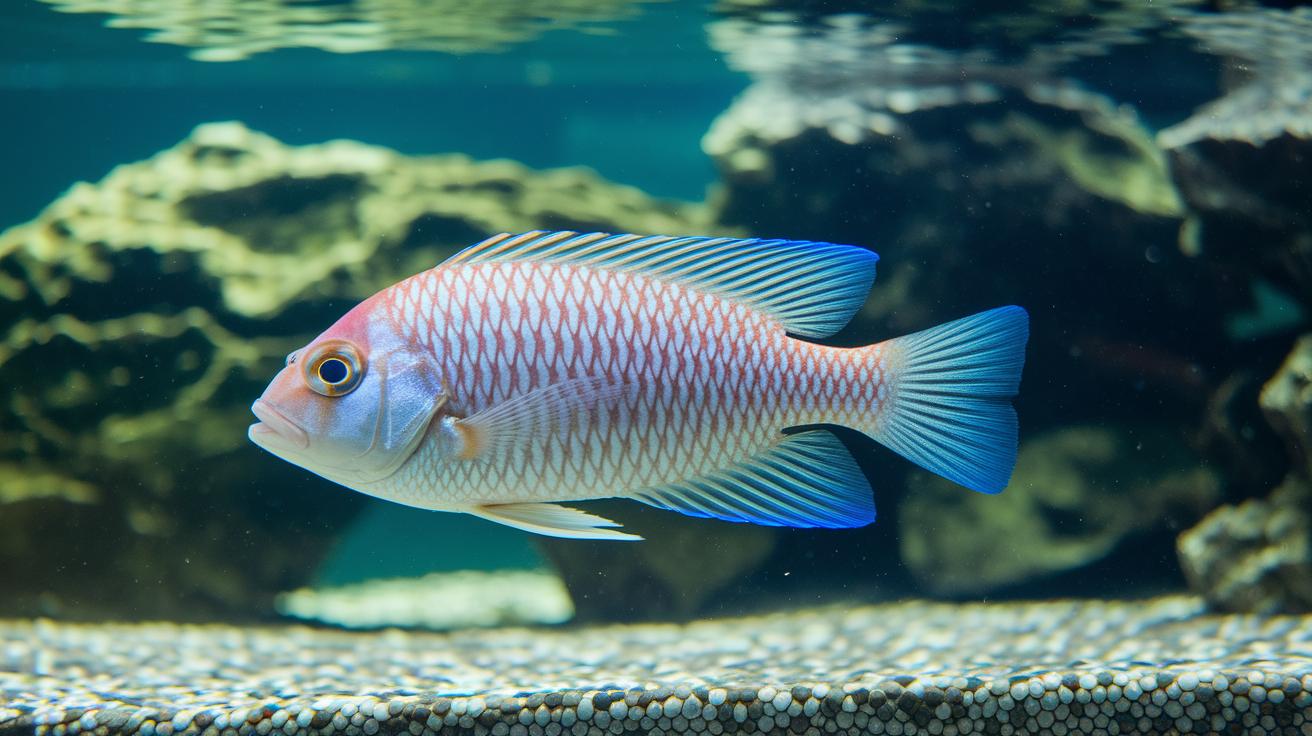
When a fish isn’t getting enough nourishment, little clues start to appear on its body. These signs are like ripples in a quiet pond that tell you something isn’t right. A shortage of vitamins, proteins, or minerals not only affects a fish’s internal health but also changes its colors, textures, and overall shape.
- Fading or pale colors because of missing vitamins and micronutrients.
- Scales that lose their firmness or fall out in patches when proteins or minerals are in short supply.
- Fins that look worn out, with occasional red streaks or signs of rot from poor feeding.
- White spots or skin marks that might be mistaken for common fish diseases but are actually linked to diet issues.
- Bulging eyes (often called Popeye) showing that the tissues are weak due to a nutrient imbalance.
- A thin, wasting look with visible spines and less muscle, signaling that the body lacks proper support.
When fish don’t get the right nutrients, their bodies start to show it. You might notice a fish that used to shine with brilliant colors slowly looking pale and washed out. Its scales, which should be smooth and strong, may turn soft or fall away in patches like a broken mosaic. Even its fins might begin to look tattered or develop red streaks, leaving the fish more open to infections. Sometimes, white patches on the skin could suggest a diet imbalance rather than a typical ailment. And bulging eyes or a skinny, frail body are strong hints that something isn’t quite right with its diet.
It’s also good to remember that water quality can add to these problems. Just like a muddy pond can hide a hidden danger, poor water conditions can make nutritional issues worse. So, when you spot these signs, it’s a good idea to check both the fish’s food and its tank water.
Behavioral Signs Revealing Nutritional Deficits in Aquarium Fish
When you notice your fish behaving in odd ways, it might be their gentle way of letting you know they aren’t getting the right kind of nourishment. Their actions can be like little ripples in the water, hinting that it’s time to dive a bit deeper into their diet and tank setup.
Lethargy
Sometimes, when fish miss out on essential nutrients, they just lose their spark. You might see them resting near the bottom or hiding behind décor, moving slower than usual. It’s as if they’re low on the energy they need to explore their little underwater world.
Appetite Loss
A lively fish usually darts around eagerly when it’s mealtime. But if you find your fish not chasing after food like they used to, it could mean they aren’t receiving the nourishing fuel they need. This quiet change in behavior is a clear signal to review what’s in their feeding bowl.
Erratic Swimming
Have you ever seen a fish swimming in circles or looking a bit upside down? Such odd movements can be a red flag, hinting that they’re running low on energy. These unusual swimming patterns can be compared to a gentle warning from the tank, suggesting that something might be off with their nutrients.
Surface Gasping
If you spot your fish rapidly moving their gills or frequently gulping for air at the water’s surface, this behavior can be worrisome. It shows that even the simple act of breathing is taking extra effort, possibly due to a lack of the right nutrients running through their little bodies.
When these signs pop up, think of them as a friendly nudge from your fish. It’s a good time to check both the food you’re offering and the overall conditions of their aquatic home to keep them feeling vibrant and full of life.
Common Dietary Causes of Poor Aquarium Fish Nutrition
Keeping your aquarium fish healthy starts with choosing the right food. Sometimes little mistakes in feeding can mean your fish don’t get all the good nutrients they need. Simple missteps like using only one type of food or feeding on an odd schedule can leave them lacking. When you catch these errors and correct them, you might see your fish showing off even brighter colors and more lively energy. Just as clean water is key, a balanced diet is just as important for your little tank dwellers to thrive.
-
Relying on basic flakes or pellets that don’t have a complete mix of vitamins and minerals. These foods might be easy to use, but they can leave your fish missing out on vital nutrients for healthy growth.
-
Feeding on an irregular schedule or serving too much food at once. When food comes at random times or in oversized portions, it can confuse your fish and cause stress or even underfeeding.
-
Sticking to just one kind of food, be it only plant-based or only protein-rich. A single-type diet often misses the variety needed to cover all their nutritional bases.
-
Not rotating between live, frozen, and dry foods. Just like a varied meal makes our taste buds happy, mixing up the type of food helps fill in any nutritional gaps and keeps your fish strong.
With a bit of mindfulness about these common mistakes, you can adjust your feeding routine and help your fish swim happily and brightly every day.
Diagnosing Nutrition Deficiencies in Aquarium Fish
Taking a close look at your fish’s health is like giving your favorite tank a little tune-up. Start by checking if your fish look fit, for example, weigh them or see if their body shape is changing. Keeping a daily log of their color, energy, and how eagerly they eat can really help you notice if something feels off. And don’t forget about the water, it needs to be just right. Testing for things like ammonia, nitrite, nitrate, and pH gives you clues about whether the water might be stressing your fish or stopping them from getting the nutrients they need.
It also helps to review the food you give them. Look at the labels or send a sample to a lab to be sure they’re getting all the important vitamins (like A, C, D) and minerals. In truth, these steps work together to show you if your fish are missing key elements in their diet or if their home is causing problems.
| Test/Observation | Purpose | Normal Range |
|---|---|---|
| Ammonia | Check for harmful chemicals in the tank | 0 ppm |
| Nitrate | See how much waste builds up | <20 ppm |
| Color Tracking | Notice any changes in pigment | No change week-to-week |
| Feeding Response | Observe if your fish are energetic when feeding | Active feeding |
Using these methods lets you catch any issues early. Keep an eye on your logs and test results so you can tweak your routine quickly. Regular checks mean you’re giving your fish a balanced diet and a comfy, healthy home, just like the gentle flow of water in a peaceful stream.
Preventive Strategies and Nutrient-Rich Feeding Plans for Aquarium Fish Nutrition
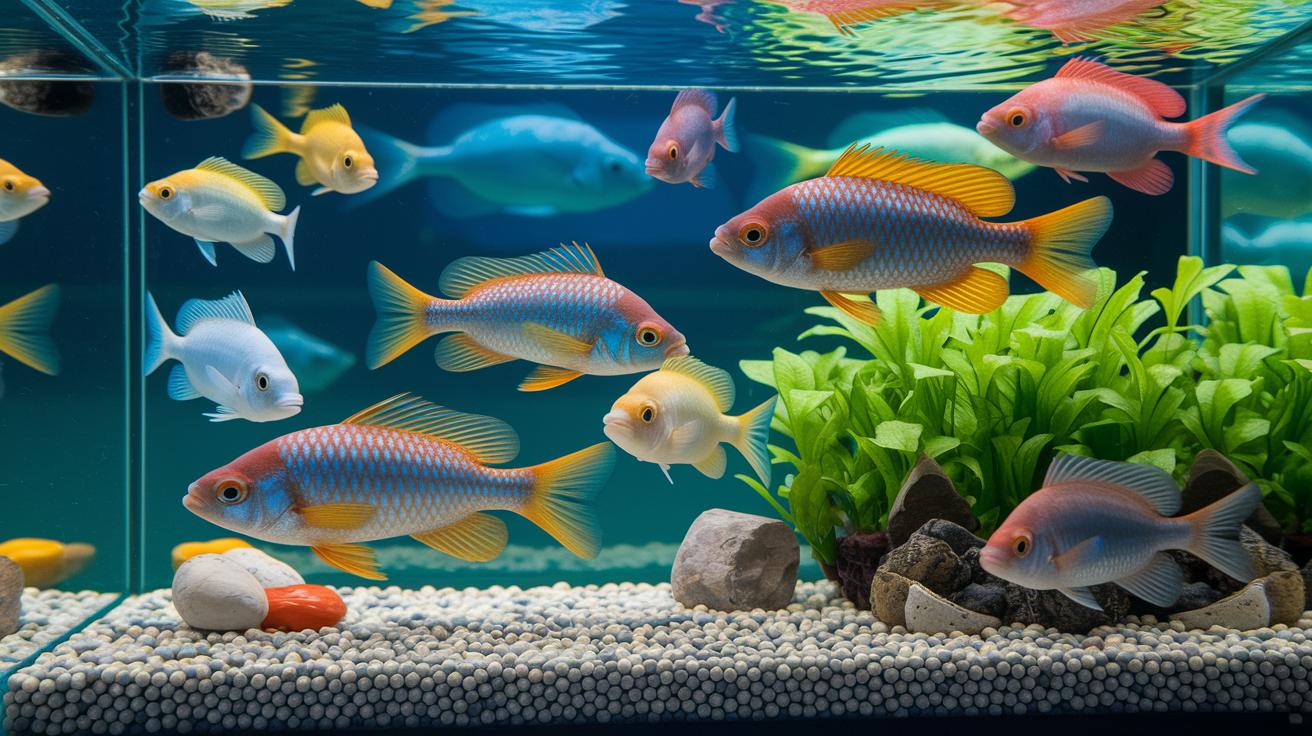
A good feeding routine can keep your fish swimming happily and feeling lively. When you mix just the right nutrients, every fish in your tank gets the boost they need to thrive. The simple trick is to choose foods made just for each type of fish. Using balanced pellets or granules specially designed for your fish gives them all the vitamins and minerals they need. And mixing in some live or frozen treats like brine shrimp, bloodworms, or daphnia adds that extra protein variety, making mealtimes both fun and nutritious.
Adding a bit of veggie goodness to their menu can make a big difference too. Options like spirulina flakes, blanched spinach, or even zucchini bring extra fiber and fresh nutrients to your fish’s diet. Sticking to a regular feeding schedule by offering small portions two or three times a day helps avoid overfeeding and keeps stress at bay. Plus, doing a weekly 20% water change helps your fish absorb nutrients better and keeps the water clear and inviting. It’s a bit like giving your tank a refreshing spring clean!
| Action | Description |
|---|---|
| Species-Specific Feed | Use high-quality pellets or granules that deliver a full mix of vitamins and minerals. |
| Protein Variety | Alternate live and frozen foods like brine shrimp, bloodworms, and daphnia to boost protein intake. |
| Veggie Boost | Add spirulina flakes, blanched spinach, or zucchini for extra fiber and nutrients. | Final Words