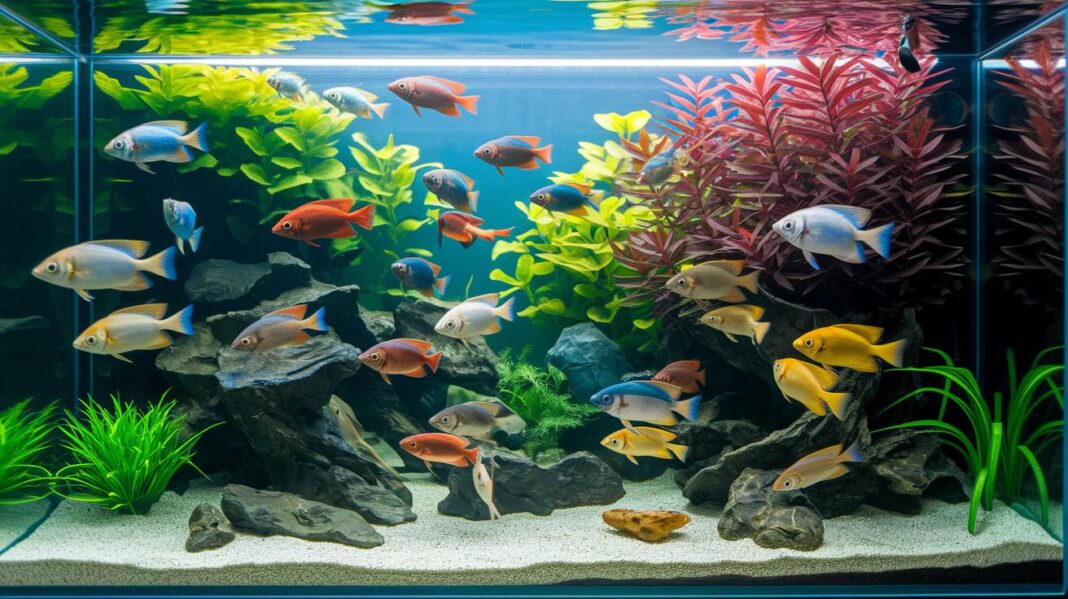

Ever wondered if your fish’s gleam comes from more than just sparkling water? Omega fatty acids act like a gentle tune-up for your fish’s cells, keeping them strong, flexible, and ready to swim. Even a little bit of these healthy fats can boost their energy and help repair cells, so your finned friends stay lively. In this chat, we’ll dive into how adding omega-rich foods can make your aquarium buddies healthier and brighter. It might just change the way you care for your underwater pals.
Health Benefits of Omega Fatty Acids for Aquarium Fish
Omega fatty acids help keep your fish's cell membranes strong and flexible. They work like a smooth lubricant that keeps each cell moving easily, making everyday energy flow nicely. It’s a bit like how a gentle current helps water glide over smooth rocks.
When you add omega-rich food to your tank, it’s like giving your fish the perfect tune-up. These nutrients help repair cells and build new ones, much like a well-kept engine that never misses a beat.
Fish really thrive with a bit of omega in their diet. In plain terms, omega fatty acids include important helpers like docosahexaenoic and eicosapentaenoic acids. They give the fish extra energy and keep cells working smoothly, so every meal is well-used. Fun fact: even a tiny guppy can shine when its cells are treated to the right mix of omega goodness!
By offering the right amount of these fats, you’re boosting energy, helping tissue repair, and boosting overall health. Every omega plays its own part to ensure that all parts of your fish get what they need, keeping them lively day after day.
Omega Fatty Acids and Immune Function in Aquarium Fish
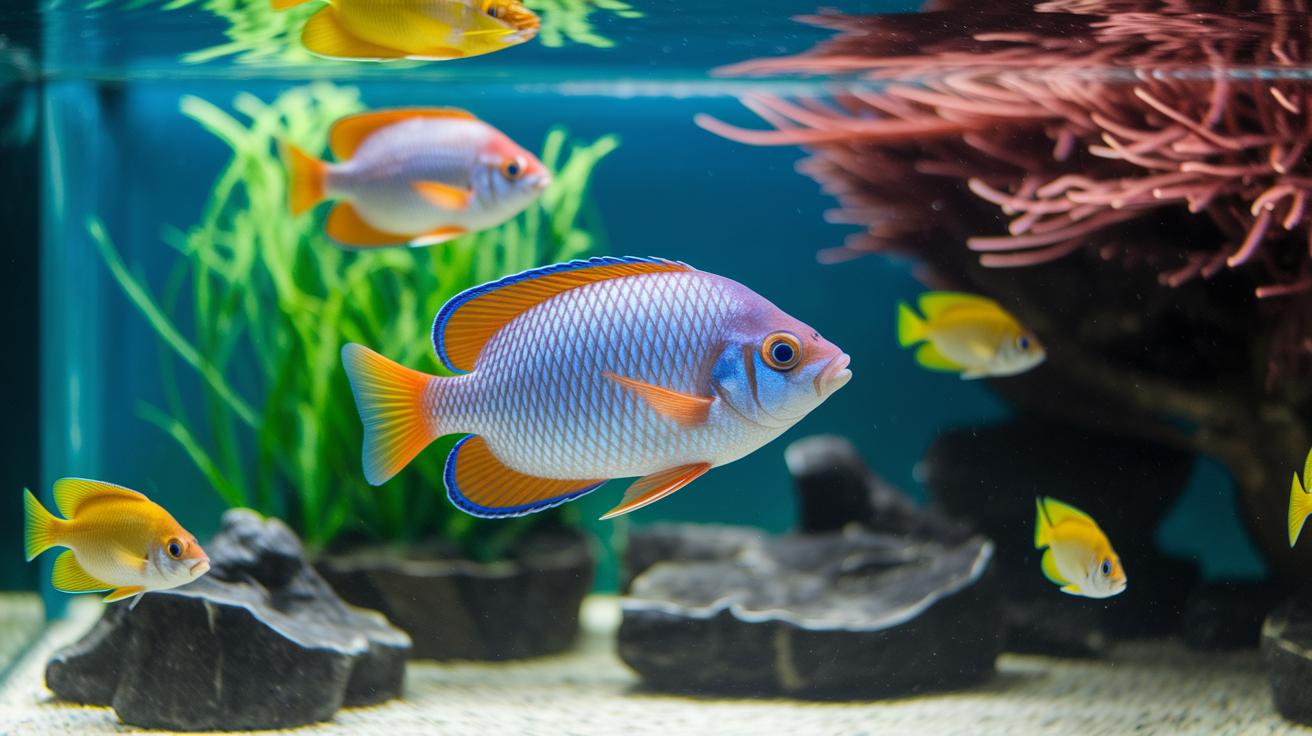
Omega fatty acids act like a gentle boost for your fish’s immune system, helping them stay strong and ready to fend off any unwanted invaders. They work by easing oxidative stress, calming down stressful hormones, and firing up white blood cells, so your fish can defend themselves better. Imagine if your fish’s diet had plenty of these omega lipids, it’s like giving their immune cells a supercharged upgrade.
Adding plenty of omega-rich foods to your fish’s meals can really brighten their health, making their cells cleaner and less worn out by everyday activities. It’s a bit like keeping your tank water crystal clear with a good filtration system.
Key benefits include:
- Lowering the build-up of harmful oxygen compounds that can hurt cells.
- Helping white blood cells work better as nature’s little protectors.
- Reducing stress hormones so that the fish’s natural defenses aren’t weakened.
Think of your fish’s cells like a finely tuned machine, with omega fatty acids acting as the smooth, steady current that keeps everything in sync. Just as a calm stream helps all the water flow together, the right balance of omega oils helps the immune system work as one. By keeping inflammation low and cells balanced, these fatty acids truly set the stage for a vibrant and healthy tank.
Impact of Omega Fatty Acids on Growth and Development
Omega fatty acids act like friendly little assistants, supporting your fish from the inside out. They help boost protein-making, a process where cells join together like craftsmen building strong, efficient muscles. Imagine a small guppy that, after a minor fin injury, quickly regains its bright, strong fins because it got just the right omega support. It’s a bit like a runner improving day by day with a balanced diet.
These helpful fats also strengthen your fish’s skeleton. They work to firm up the bones, making sure that the structure remains sturdy and resilient. When a fin needs repair, omega fats speed things up, much like a well-tuned machine getting back in action quickly.
Key benefits include:
| Benefit | Description |
|---|---|
| Muscle Development | Boosts protein-making for stronger swimming power |
| Bone Reinforcement | Helps maintain a firm and sturdy skeletal structure |
| Fin Regeneration | Speeds up the healing process for any minor damage |
It’s like a soothing current flowing through each cell, steadily building strength and growth. Picture your fish growing day by day, with muscles becoming more defined and fins healing perfectly, a wonderful gift of omega fatty acids in every meal.
Role of Omega Fatty Acids in Coloration and Visual Clarity
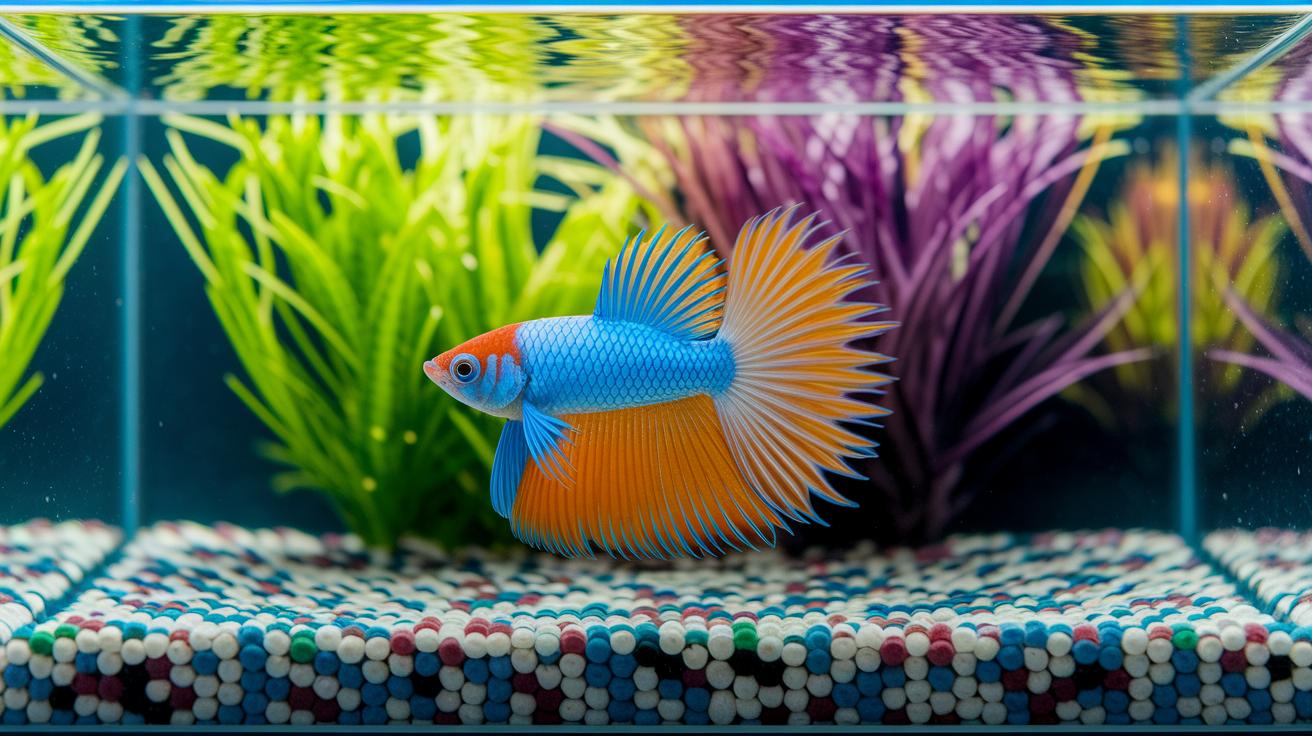
Omega fatty acids are little nutrients that brighten up your fish like a gentle splash of color. They work like tiny painters, helping dull scales transform into lively, shining mosaics. Imagine a tropical betta glimmering with vivid sparkle after enjoying a meal rich in these oils – it’s almost as if nature added a touch of magic.
These fats also help keep your fish's eyesight sharp and clear. They support the health of tiny eyes so every ripple in the water looks crisp and beautiful. Whether you’re caring for tropical or freshwater species, these nutrients ensure that every color pops naturally, just like a clear day by a sparkling stream.
When you mix in a liquid diet laced with omega oils, your fish can show off bright, lively colors. Picture an aquarium where every fish glows with life, their hues as rich as a hand-painted canvas. Sometimes, a simple tweak in their food is all it takes to turn an ordinary tank into a vibrant underwater masterpiece.
Optimal Sources and Dosage of Omega Fatty Acids for Aquarium Fish
Choosing the best feed ingredients can turn your tank into a cozy haven for your fish. When you look for sources packed with EPA and DHA, think of top-notch fish oils, marine algae, or even krill meal. These ingredients are like little power boosters that help your fish grow stronger and keep their defenses sharp. Ever notice how a drop of premium fish oil can brighten a meal? It works like a secret splash of color and energy.
Mixing these omega goodies into your fish’s diet takes a little planning. A custom feed mix lets you fine-tune the amount you add based on your fish's size and how big your tank is. Little fish might need just a dab, while bigger or more active ones can handle a bit more. The goal is to keep the omega-3 to omega-6 balance just right so that your fish can soak up all the good fats, kind of like balancing spices in your favorite recipe.
Here are a few points to keep in mind:
- Pick ingredients known for high EPA/DHA content.
- Mix feeds in measured portions to suit different kinds of fish.
- Time feeding right, try giving your fish a meal when the water is cooler, so their metabolism can do its thing.
Custom feeds let you control exactly how much omega goodness your fish get. Picture stirring up a fresh blend where every scoop gives your fish that daily boost they need to stay lively and splash around happily. This careful mix means every fish in your tank gets just the right dose to keep their world vibrant and healthy.
Practical Tips for Incorporating Omega Fatty Acids into Aquarium Feeds

One important tip is to set up a simple routine when mixing your feed. Start by blending your dry ingredients with omega oils until every bit is mixed well, much like water gently swirling around smooth pebbles. Picture it as an artist carefully mixing vibrant colors to make something special. I once heard of a chef who stirred each spice just right so every bite burst with awesome flavor.
Here’s a step-by-step guide to help you add omega fatty acids smoothly into your fish feed, keeping everything natural and balanced:
- Measure out exact portions and slowly mix in the omega-rich oils.
- Stir the blend until you see the fats fully joining together.
- Spread the mix evenly over your feed so every bit gets the goodness.
- Keep any leftovers in a cool container to preserve their benefits.
- Feed your fish during cooler times when it works best for them.
Follow these simple steps regularly to turn mealtime into a little work of art that boosts nutrient sharing and helps your fish digest better. Every meal you create with care not only supports a natural way of feeding but also adds a spark of lively energy to your tank. With each thoughtful mix, you’re keeping the omega oils fresh and powerful, letting your fish thrive in an environment as calm and clear as a gentle stream on a peaceful day.
Final Words
In the action, we explored how omega fatty acids support aquarium fish health. Their boost to cell membranes, white blood-cell activity, and growth are vital for a lively tank. We touched on how these nutrients help fish shine with brighter colors while ensuring strong muscles and bones. Practical tips on feed and dosage make it easier to bring out the best in your aquatic pets. Let this guide inspire you to appreciate the role of omega fatty acids in aquarium fish health and create an inviting underwater home for your finned friends.
FAQ
What are the health benefits of omega fatty acids for aquarium fish?
The omega fatty acids support cell membrane integrity, boost energy metabolism, and improve overall physiological performance in aquarium fish, helping them maintain steady and healthy body functions.
How do omega fatty acids boost immune function in aquarium fish?
The omega fatty acids boost immune function by reducing oxidative damage, lowering stress hormone levels, and supporting white blood cell activity, which increases the fish’s ability to fight off diseases.
In what ways do omega fatty acids affect growth and development in aquarium fish?
The omega fatty acids affect growth and development by promoting muscle growth, enhancing protein synthesis, reinforcing bone strength, and aiding in fin repair, all of which contribute to improved overall growth of the fish.
How do omega fatty acids influence coloration and visual clarity in aquarium fish?
The omega fatty acids influence coloration and visual clarity by enhancing pigment deposition and scale brightness while supporting ocular health, resulting in fish with more vivid colors and clearer vision.
What are the optimal sources and dosage of omega fatty acids for aquarium fish?
The optimal sources of omega fatty acids include feeds rich in EPA and DHA, and the proper dosage depends on fish species and tank size, ensuring a balanced omega-3 to omega-6 ratio for ideal absorption.
What practical tips can help incorporating omega fatty acids into aquarium feeds?
Practical tips include preparing custom feed blends, timing feedings for better digestion, and storing omega-rich feeds properly to maintain stability and deliver consistent nutritional benefits to your fish.