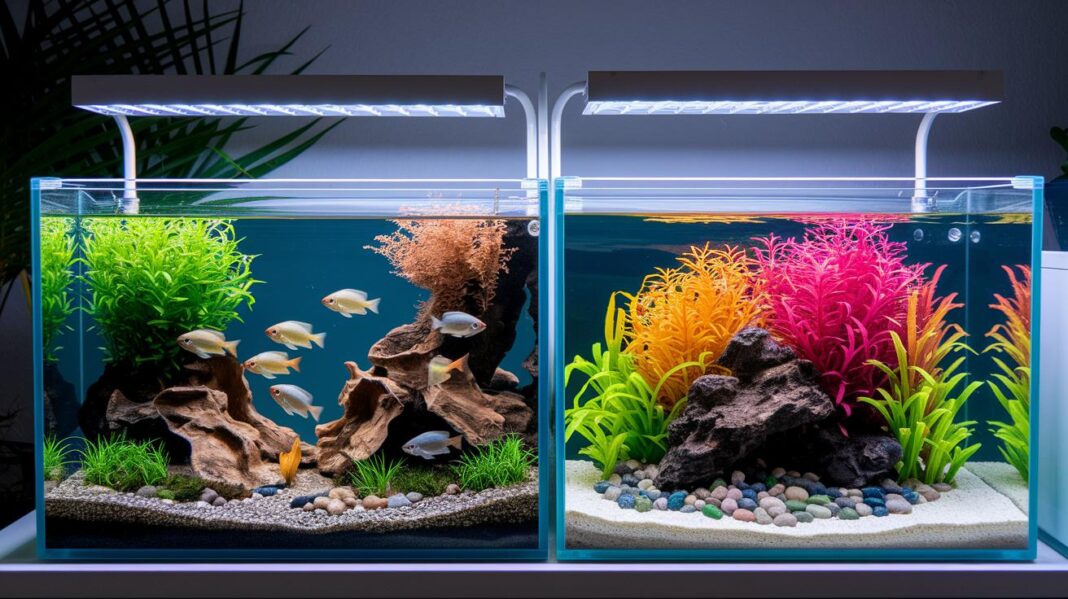

Ever wonder if your fish might prefer nature's treats over store-bought feed? There's a friendly debate among fish lovers about this very topic. Some say that live insect larvae, with nutrients delivered in a flash like a wild meal, are the way to go. Others enjoy the easy, balanced mix that processed food offers, not to mention its handy storage and reliability.
Each option comes with its own perks and a few downsides that can change how your fish feel and behave. Today, let's dive into the details and see which feeding plan might suit your aquatic pals best.
Natural and Artificial Diets in Aquarium Fish: A Comparative Overview
Aquarium fish meals fall into two big groups: natural treats and man-made feeds. Natural dishes come from live sources like insect larvae, tiny crustaceans, and fresh greens, the kind of food that fish might gather in the wild. These foods are packed with easy-to-absorb nutrients such as amino acids, natural enzymes, and healthy fats. Plus, they encourage fish to show their natural foraging behaviors, which can be really fun to watch.
On the other hand, artificial diets are carefully created to offer a balanced mix of nutrients. Think of flakes, pellets, tablets, sticks, wafers, chips, and even freeze-dried options made from ingredients like fish meal, grains, vitamins, and minerals. These feeds bring a lot of convenience, consistency, and a longer shelf life to busy fish lovers. However, any leftover food, whether natural or artificial, can cloud your tank water if not cleaned up quickly.
| Diet Type | Primary Sources | Advantages | Drawbacks |
|---|---|---|---|
| Natural | Live insect larvae, small crustaceans, fresh greens | High nutrient availability, mimics wild diet | Risk of parasites, may be seasonal |
| Artificial | Flakes, pellets, tablets, freeze-dried products | Convenient, balanced macros, long shelf life | Possible lack of micronutrients, additives can be a concern |
Nutritional Advantages of Natural Diets for Aquarium Fish
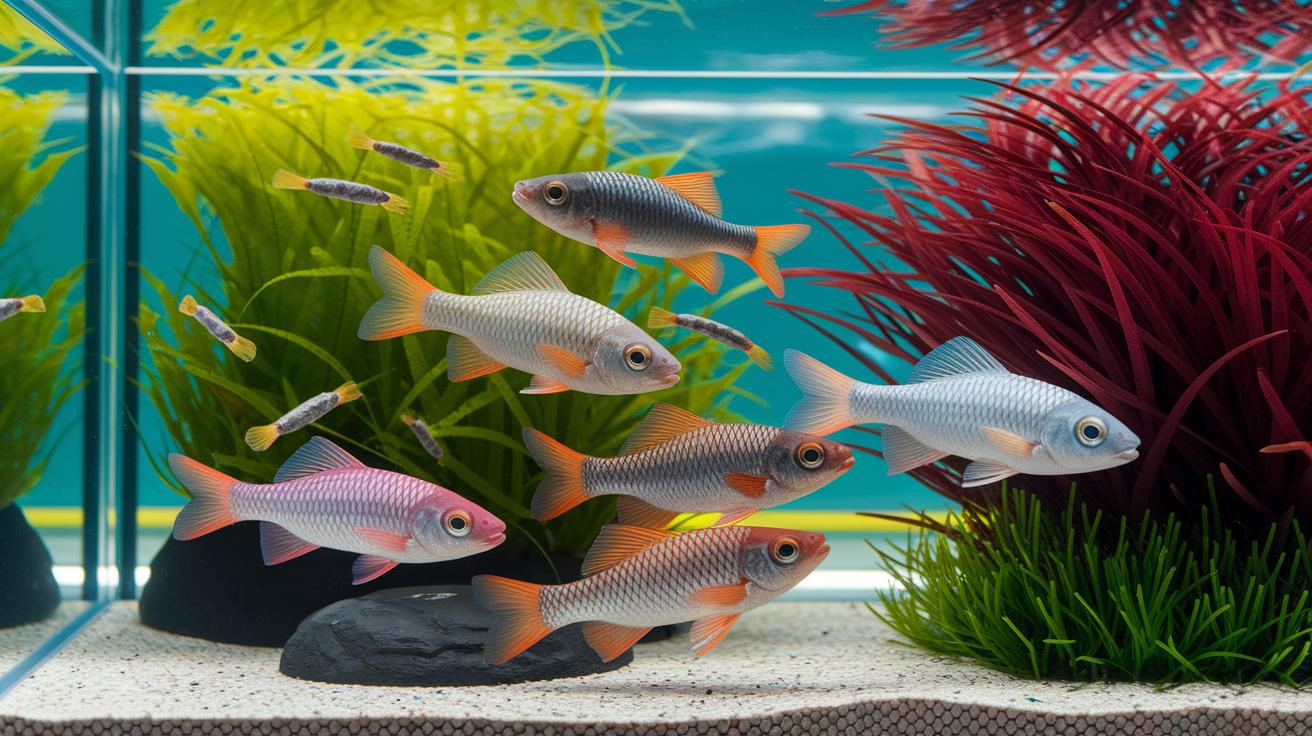
Feeding your fish a natural diet is like giving them a meal that comes straight from their wild home. These diets pack live, nutritious bites that brim with amino acids, enzymes, and fatty acids, all the good stuff that helps fish grow faster, shine with brighter colors, and live robustly. By choosing ingredients that nature provides, you're offering your fish the same kinds of foods they would hunt in the wild. Think of live insect larvae (like mosquitoes or black soldier flies), small crustaceans (such as daphnia and brine shrimp), and wiggly treats like tubifex and bloodworms. They deliver a rich mix of proteins and fats essential for both carnivorous and omnivorous fish. And don’t forget the fresh vegetables and aquatic plants, like spinach and algae wafers, which add a dose of fiber, minerals, and natural chlorophyll.
This natural feeding method not only helps fish soak up more nutrients but also brings out their instinct to forage, making feeding time an exciting display of nature in action. Watching your fish dart after live treats is truly a little slice of wild energy, almost like a mini underwater adventure.
| Food Type | Nutritional Benefit |
|---|---|
| Live Insect Larvae | Full amino acid profiles and active enzymes |
| Small Crustaceans | Essential fatty acids and proteins |
| Vermiform Prey | Balanced proteins and fats |
| Fresh Plant Matter | Fiber, minerals, and chlorophyll |
Evaluating Artificial Diets for Aquarium Fish: Flakes, Pellets, and Beyond
Flakes are crafted from fish meal, grains, vitamins, and minerals to give your fish a nourishing treat. They dance on the water’s surface briefly, then settle down in the gentle current, making them a great option for both surface nibblers and mid-water diners. Picture a tiny flake drifting like a delicate leaf on a calm day before softly sinking, inviting even the pickiest fish to take a nibble.
Pellets come in various sizes and sink at different speeds. Their special design lets water slowly seep in, so they stay sturdy just long enough for your fish to enjoy. Imagine a pellet calmly descending through the clear water, its texture soft enough for gentler mouths yet firm enough to hold its shape for those that feed in mid-water.
There are also tablets that are meant to cling to the glass or settle at the bottom, which makes them ideal for bottom-feeders. Wafers, being quite dense, absorb water slowly to steadily release their nutrients. Meanwhile, chips tend to break into bite-sized pieces, perfectly suited for larger fish. Some brands even offer freeze-dried options like krill or zooplankton, preserving their natural taste, smell, and nutrients through a special vacuum dehydration process.
Quality can vary from one product to another. Some manufacturers add synthetic flavors or chemicals to boost the appeal of the food. This means you have to read the labels carefully to be sure your fish get balanced nutrition that suits their feeding habits.
| Type | Description |
|---|---|
| Flakes | Floats then sinks; ideal for both surface and mid-water feeders |
| Pellets | Various sizes and sinking speeds; holds its shape with sealed pores |
| Tablets | Designed to cling to glass or settle for bottom dwellers |
| Freeze-dried | Keeps natural taste and nutrients intact, without extra additives |
Aquarium Fish Diet Choices and Water Quality Impact
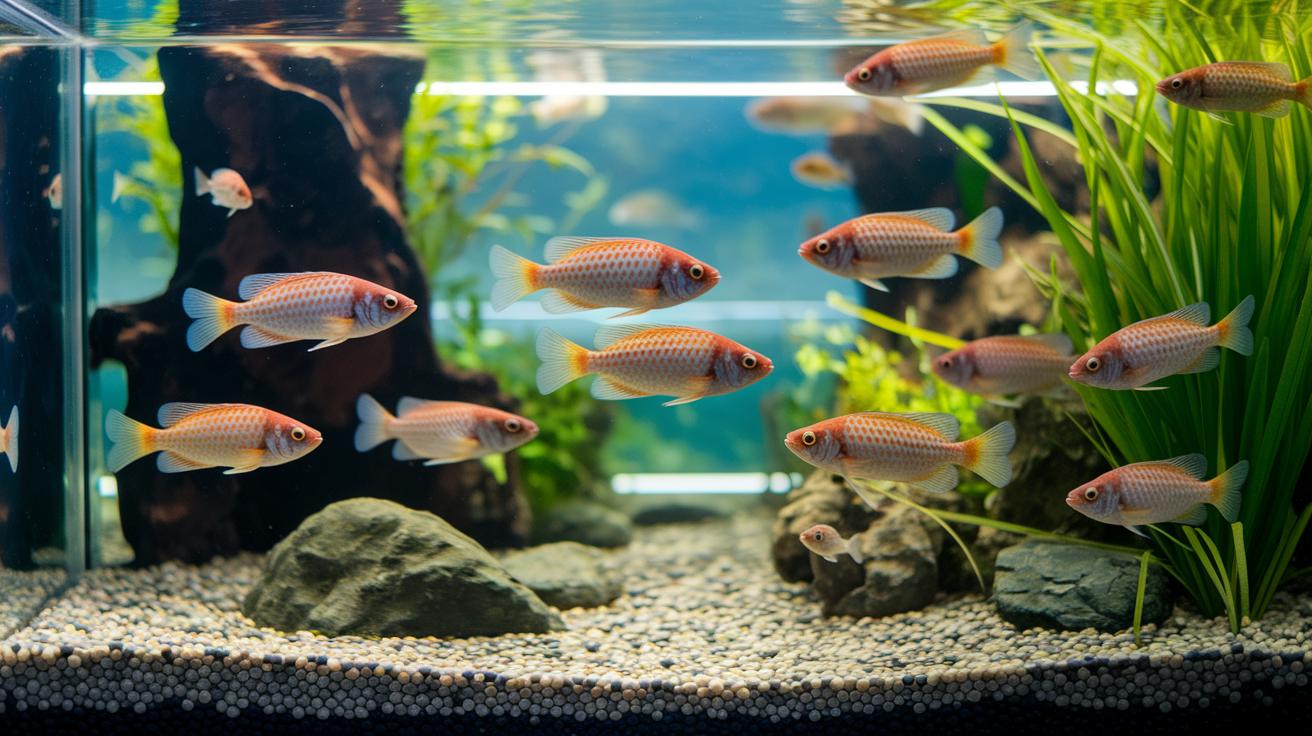
Overfeeding your fish can cause trouble in your tank. When you feed them too much, whether it's flakes, pellets, or live food, the extra bits can break down and release ammonia and nitrites. This is like leaving breadcrumbs for unwanted algae that start to grow and throw off the natural balance of your water.
A simple trick is to watch how your fish eat. Feed them just enough so they finish their meal in a few minutes, then scoop out any leftovers within about 5 minutes. Doing routine partial water changes also helps wash away extra nutrients that can lead to spikes in harmful chemicals.
Keep in mind that adult fish usually take about 16-24 hours to digest their food, so one or two feedings a day are usually enough. Younger fish or herbivores might need a few smaller meals instead. Always keep an eye on any food that lingers and test your water regularly to catch any changes early.
Diet Effects on Aquarium Fish Health and Behavior
High-protein live and frozen foods give your fish a real boost. They help speed up growth and add brightness to your fish’s colors thanks to all the good amino acids and fatty acids in them. Still, if you don’t get these foods from a trusted source or handle them properly, you might risk spreading diseases.
Balanced flakes and pellets work a bit differently. They slowly release nutrients like amino acids and fats that your fish need every day. Imagine a pellet sinking gently through the water, like a tiny meal served at just the right pace. This steady feeding helps keep your fish’s energy levels steady without overloading their bellies.
Special pastes, like Crunchy Cream, take things up a notch. They mix in salmon oil, healing herbs, and beta glucans, a type of natural ingredient that boosts your fish’s immune system and aids digestion with helpful enzymes. It’s a bit like giving your fish a mini health treat with every bite.
Then there are products like Youngfeed and Guppyfeed made just for baby fish and livebearing types. When you mix these with greens full of fiber, it encourages natural foraging and aids digestion. But too much of one feed can tip the balance and even change your fish’s behavior.
Expert Feeding Recommendations for Natural vs Artificial Aquarium Fish Diets
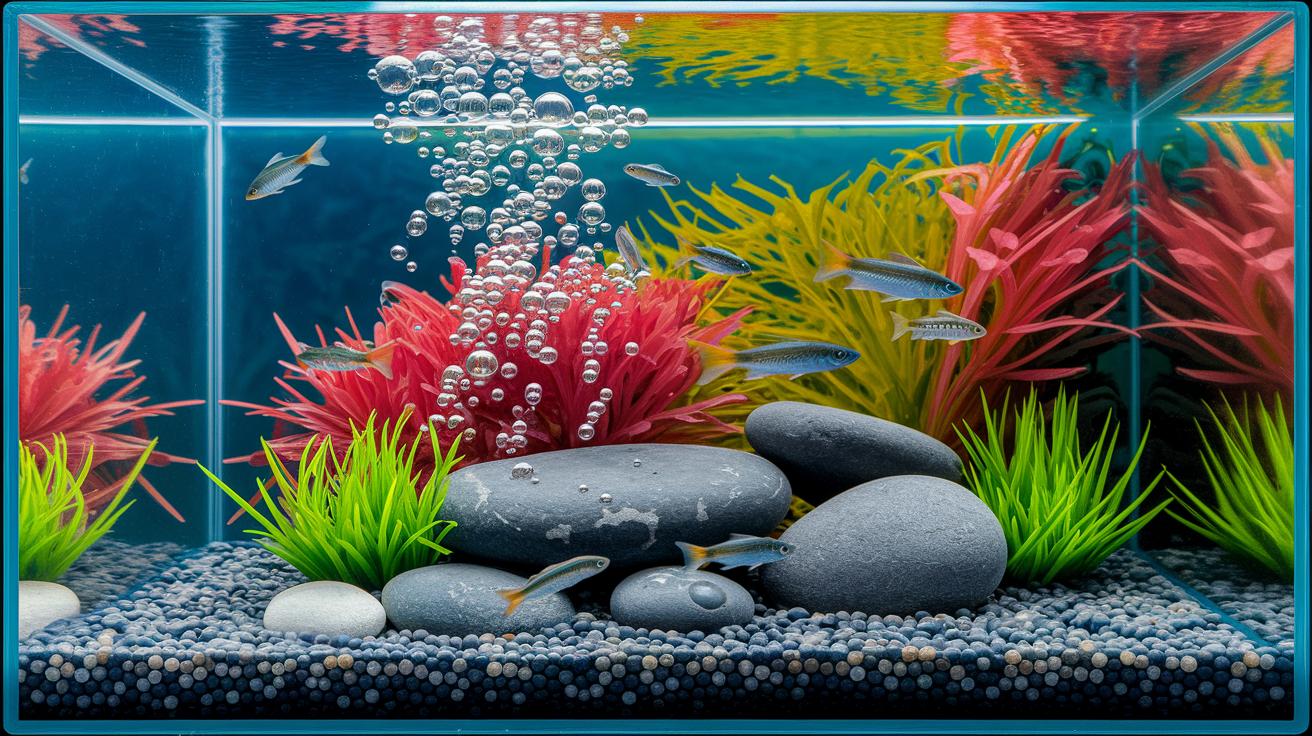
Mixing natural and man-made feeds is a smart way to cover all the big and small nutrients your fish need. When you switch between live, frozen, and quality pellet foods, you're giving your fish a meal that's as balanced as a well-tuned orchestra. Start by slowly swapping live brine shrimp with frozen alternatives over one or two weeks so your delicate, wild-caught fish can adjust without feeling rushed.
For grown-up fish, feed them once or twice a day, but only give them as much food as they can finish in two or three minutes. This simple trick keeps your water clean and stops extra waste from building up. And if you have young fish or those that munch on plants, they might need a little extra food to keep up with their fast-growing energy.
Here are some easy steps to follow:
- Rotate the type of feed each week so your fish enjoy a little variety.
- Soak your pellets in some tank water before feeding fish with fragile tummies.
- Choose the right size: tiny micro feeds are perfect for nano fish, while wafers or tablets work best for bottom dwellers.
Think of it like slowly seasoning your favorite dish, small changes and careful portions create a perfect meal that helps your aquatic friends thrive and sparkle with life.
Choosing the Best Diet for Your Aquarium Fish Species
Finding the perfect food for your fish is a bit like picking the best treats for your pet. It all comes down to matching the food size, how fast it sinks, and its nutrients to what your fish naturally likes and can eat. Every fish has its own needs, and mixing it up with different types of food keeps your tank happy and healthy.
Nano and Small-Mouthed Species
For little fish such as tetras and rasboras, tiny foods like microgranules and nanofeeds work like a charm. These little bites are easy for them to eat and provide the right mix of nutrients without overwhelming their small stomachs. I like to feed them small amounts several times a day, just like offering tiny nibbles during a snack break. Imagine a small rasbora gently picking a few grains from the water; it feels natural and keeps them full of energy.
Mid-Water and Surface Feeders
Fish that swim in the middle or near the top of your tank, like angelfish and gouramis, enjoy a bit more variety. They often do well with flakes that slowly sink or floating sticks that travel on the water’s surface. The flakes drift down slowly, giving them time to pick off morsels as they float around, while the floating sticks let surface feeders grab their bites right at the water’s skin. It’s a bit like having a custom menu where texture and buoyancy work together to mimic their natural way of catching food.
Bottom-Dwellers and Nocturnal Fish
For the fish that like to stick close to the bottom, like corydoras and plecos, food that sinks slowly is best. Options like wafers, tablets, or even spreadable pastes settle gently at the tank’s floor, letting these fish forage just like they would in a natural stream bed. Adding in a paste now and then can boost their protein intake and round out their meal. This slow, careful feeding method helps mirror their natural behavior and ensures they always get a meal that's both balanced and delicious.
Final Words
In the action of feeding our aquatic friends, we examined the pros and cons of natural and synthetic options. Natural ingredients offer real-life nutrients and mimic wild habits, while artificial feeds provide consistent nutrition and ease. Both strategies have a role in crafting a vibrant underwater environment that supports fish health and water clarity. Balancing live foods with processed formula ingredients leads to a thriving tank. Embrace the blend of natural vs artificial diets for aquarium fish and watch your aquatic habitat flourish with life and color.
FAQ
What is the difference between natural and artificial fish feed?
The difference is that natural diets come from live prey or fresh plant material, offering high bioavailability but with seasonal limits, while artificial diets include flakes, pellets, and tablets with standardized nutrients and long shelf lives.
What are common names for aquarium fish foods and home-prepared options?
Common aquarium foods include flakes, pellets, tablets, and wafers. Some hobbyists also make homemade blends using fresh vegetables or ground live ingredients to suit their fish’s dietary needs.
Which fish food types support fast growth, freshwater, and tropical aquarium health?
The chosen food should blend high‐protein live or frozen feeds with quality flakes or pellets. This combination boosts growth and color while meeting the nutritional needs of freshwater and tropical species, keeping aquarium health in check.
What are the disadvantages of artificial fish feed?
Artificial feed may lack some micronutrients and could include additives. Additionally, uneaten portions can pollute the water if not removed promptly, possibly affecting the overall health of the aquarium ecosystem.
What does “types of fish food for humans” mean in an aquarium context?
In this context, the phrase refers to the various processed forms like flakes, pellets, and wafers formulated exclusively for fish. These products are developed for their nutritional benefits and are not foods intended for human consumption.