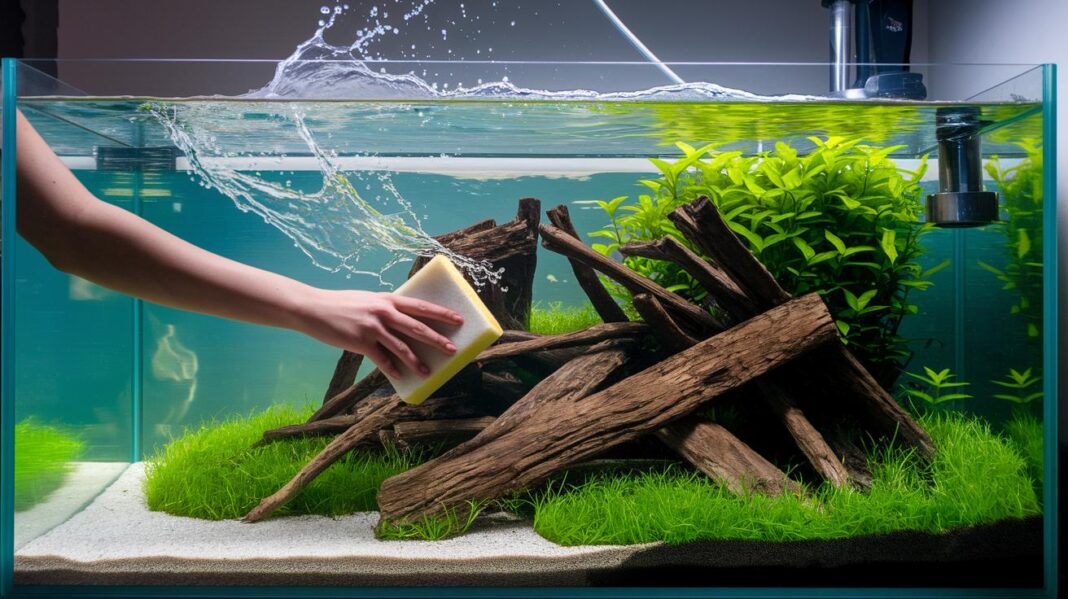

Have you ever wondered if cleaning your aquarium could actually be a fun, uplifting experience? With a simple DIY guide, you can turn a regular cleaning session into a refreshing swim in clear water.
In this guide, you'll learn how to check the water quality (that’s the part that tells you how clean your water is), remove pesky algae, and even trim live plants to create a sparkling, healthy home for your fish. Imagine it like tidying up your cozy little underwater nook where your fish can happily swim and play.
Follow these easy steps and see for yourself how a bit of care goes a long way in keeping your underwater world bright and inviting.
Step-by-Step DIY Aquarium Cleaning Process
-
Test Water Quality
Start by checking your water to make sure it has 0 ppm ammonia, 0 ppm nitrites, and under 40 ppm nitrates. I recently did this and felt a sense of relief seeing my tank in the clear, just like a calm stream under a sunny sky. -
Remove Algae
Take your algae scraper and gently swipe away any green buildup on the inside of your glass. It’s like erasing a foggy window to reveal a bright, clear view of your aquatic friends. -
Prune Live Plants
Give your live plants a little trim by cutting back about 30-50% of any overgrowth and pulling off dead leaves. Think of it like a refreshing haircut that helps them grow healthier and look their best. -
Turn Off Equipment
Before you get messy, switch off your tank’s heaters, filters, lights, and any other gadgets. This keeps everything safe and prevents any equipment hiccups during the cleaning. -
Vacuum the Substrate
Using a gravel siphon, gently vacuum about one-third of the substrate to remove leftover food and debris. Picture it as softly sweeping away crumbs after a meal, leaving the bottom of your tank neat and inviting. -
Clean or Replace Filter Media
Every month, take a moment to clean or swap out your filter media and alternate between modules. This is like giving the heart of your filtration system a fresh start, keeping beneficial bacteria happy and active. -
Refill with Treated Water
Refill your tank with tap water that matches your current temperature, then treat it with a dechlorinator like Seachem Prime to remove harmful chemicals. It’s a bit like adding a rejuvenating burst to your aquarium’s flow. -
Restart Equipment
Once your tank is filled, power your equipment back on and listen for that gentle hum. That sound is your tank’s way of saying, “I’m back in action” and ready for more aquatic adventures. -
Wipe Interior and Exterior
Lastly, wipe down both the inside decor and the exterior glass with an aquarium-safe cleaner. I love how this final touch makes every surface sparkle, much like light dancing on the water during a calm day.
Essential Tools and DIY Aquatic Toolkit for Tank Cleaning
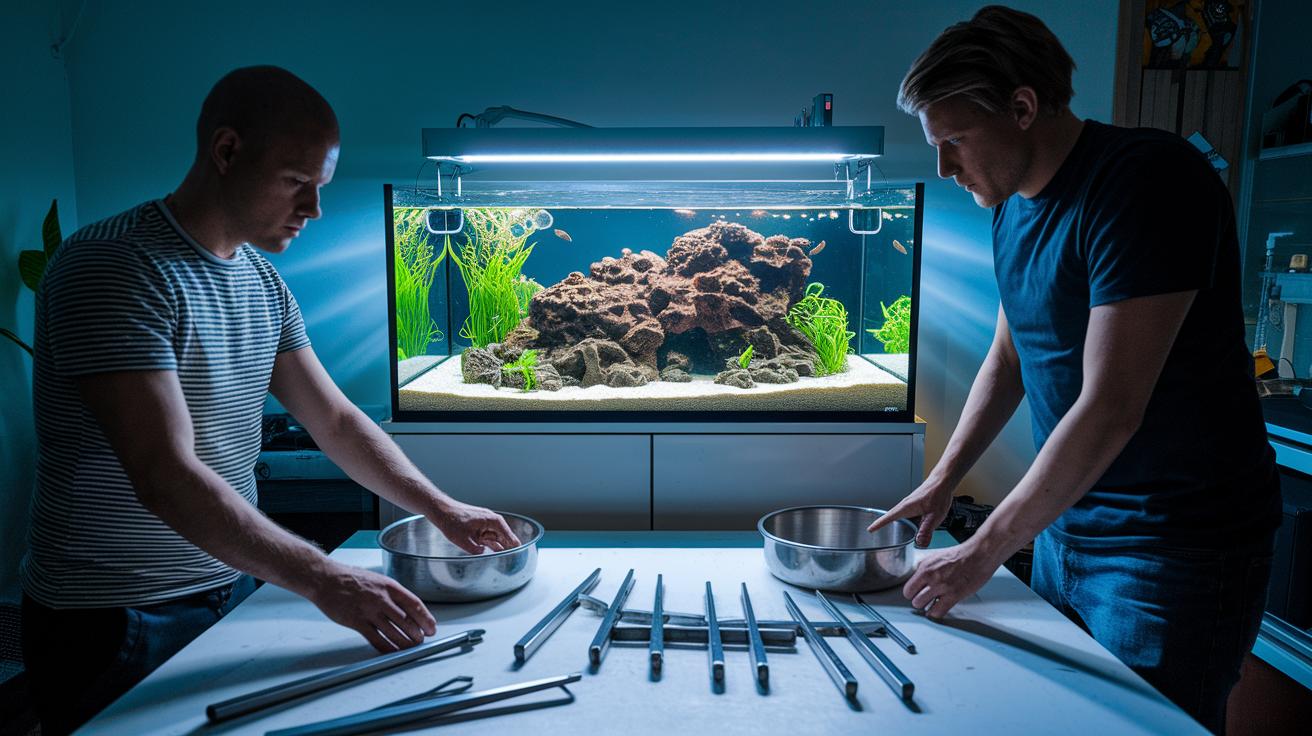
When you’re getting your tank cleaning kit ready, picking affordable supplies can really save you a lot of time and keep your fish happily swimming. Each tool has its own special job to help make your tank bright and safe, almost like getting set for your favorite hobby. I always keep my algae scraper nearby for those surprising patches that pop up!
Here are eight must-have items for your DIY aquatic toolkit:
- Dr. Bronner’s unscented soap is great for wiping down the outside surfaces.
- Stainless steel aquascaping tools help you clean around the decorations with ease.
- An algae pad or scraper clears the interior glass without causing scratches.
- An aquarium gravel vacuum works well on both fine and coarse substrates.
- Seachem Prime dechlorinator treats your water safely by removing harmful chlorine.
- A sturdy bucket or container makes water changes simple and efficient.
- A sponge guard for the siphon helps keep unwanted debris at bay.
- A soft-bristle brush gently cleans your tank decorations without causing any damage.
Using these handy tools makes maintaining your tank feel as smooth as watching gentle ripples in calm water.
Proper Aquarium Fish Relocation and Temporary Habitat During Cleaning
Many fish enthusiasts choose to do a gentle water change, swapping out about 20-30% of the water while leaving the fish in their tank. This little refresh helps clear out debris without stressing your aquatic friends, it’s a bit like giving them a mini spa day, where everything stays familiar and calm.
When it’s time for a full clean or to drain the tank completely, start by moving the decorations out of the way. This extra space helps keep the fish relaxed. Then, carefully transfer your fish to a temporary container that has an air stone and a heater. Fill it with water from the tank or water treated with a dechlorinator so that the pH and temperature remain steady, keeping your fish comfortable and safe.
Remember, avoid using soaps or chemical cleaners near your fish. Stick to non-chemical methods to make sure your little buddies stay healthy. These simple, fish-friendly cleaning tips help keep your aquatic residents secure and happy while you work to make your tank spotless.
Advanced Substrate Maintenance and Troubleshooting
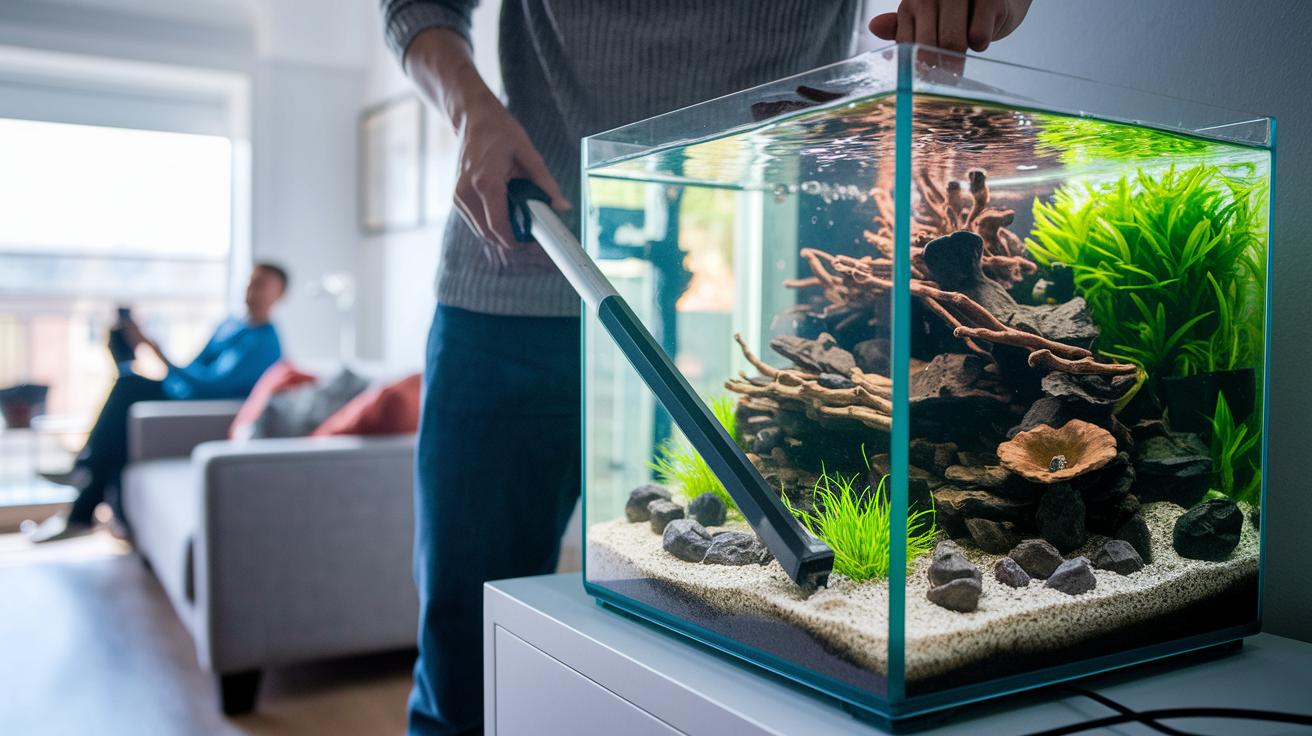
When you're dealing with stubborn bits of debris, try holding your siphon hose at about a 45 to 60 degree angle. This helps you get into those tight spots that a regular vacuum might miss. Switching out your gravel vacuum attachments lets you handle both fine and coarse substrates with ease.
A soft swirling motion can work wonders to free up compacted waste. Slowly move the vacuum in a circular path, which not only lifts trapped debris but also stops too many particles from getting stirred up. If your tank water stays cloudy, a few quick pulses with the vacuum might do the trick. I once gave it a shot by briefly sucking, pausing to let things settle, then repeating until the water cleared up, this helps keep the filter from getting overloaded.
If some parts of your tank always seem stubborn, focus on those areas separately. Rotating your attention during cleaning sessions keeps the whole biofilm healthy, even when you target spots with heavy buildup.
These careful substrate care techniques give you a clear and healthy tank. By fine-tuning your cleaning method and using the right tools, every patch of your tank stays clean and welcoming for your aquatic friends.
Filter Media Optimization: Advanced Maintenance and Troubleshooting
Monitor Biofilter Performance
Start each maintenance cycle by checking the effluent nitrates. This quick test shows if your filter colonies are doing well. If the colonies seem thin, adjust your water rinse to a 1:2 ratio (tank water to rinse water). I once made this change, and it kept the good bacteria safe while making the water much clearer.
Diagnose and Troubleshoot Clogging
Regular check-ups are key. Keep an eye on the flow rate in liters per hour. A sudden drop often means debris is blocking the impeller. Also, make it a habit to clean the intake pre-filters every week, which helps reduce the risk of clogs.
Enhance Biofiltration Capacity
For tanks with a high biological load, adding extra nitrifying surface area is a big help. Rotate your carbon every two weeks to keep it effective, and consider adding ceramic rings to your filter. These rings give more space for the beneficial bacteria to grow, ensuring your filter keeps the water flowing nicely.
Following these steps can boost your system's performance. Paying attention to these details can save you time and trouble, helping your filter stay in top shape while your aquatic friends enjoy a healthy environment.
Advanced Algae Control and Decoration Cleaning Techniques
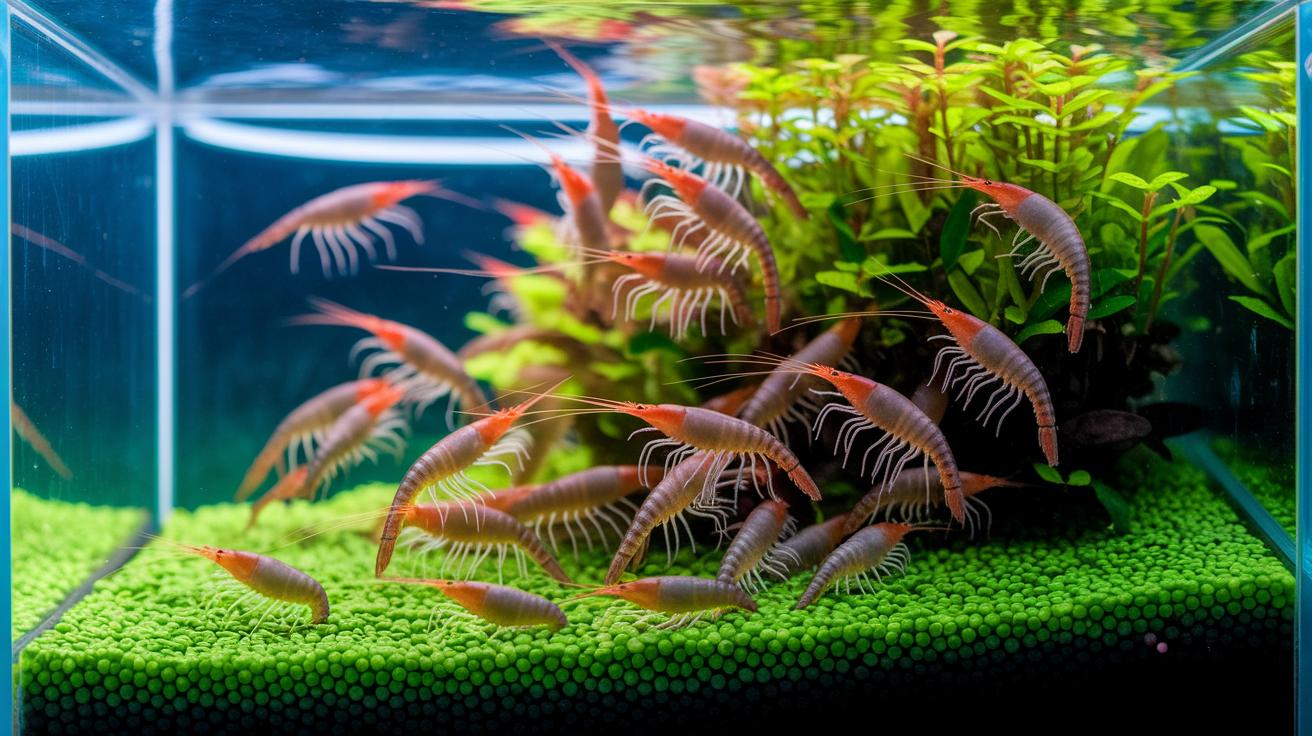
When algae gets stubborn, it might be time to move beyond the usual weekly scrape. Instead, try some smarter moves that work with nature. For instance, adding food-eating critters like Amano shrimp can gently nibble away the extra algae. One fish enthusiast even mentioned, "After I introduced Amano shrimp, the tank's surfaces began clearing up noticeably within just a few weeks."
Another neat trick is to use a light, chelated iron treatment. This helps your plants grow strong and healthy so they can naturally beat the algae in a quiet contest for space and light. And if you notice a spot treatment might be needed, a small inline UV sterilizer can quickly tackle any isolated algae blooms like a mini superhero.
When it comes to cleaning your tank's decorations, imagine giving them a refreshing bath. Soak any porous items in a mix of one part hydrogen peroxide to three parts water for about 10 minutes, then rinse them well. This little soak can feel like a gentle spa day for your décor, leaving every curve sparkling clean.
For those areas where algae likes to hide, grab a fine-toothed brush to gently work into all the nooks and crannies. It can help to switch up your scrapers too, a soft one for delicate spots and a plastic one for tougher areas, to avoid any accidental scratches on your tank surfaces.
These ideas offer friendly, practical solutions for handling stubborn algae while keeping your decorations in top shape. Give them a try and enjoy watching your tank stay as clear and vibrant as a calm, sunlit pond.
Routine Aquarium System Service Schedule and Maintenance Checklist
Keeping your aquarium on schedule keeps your fish happy and makes caring for your tank a breeze. This checklist covers all the important steps, from partial water changes and using liquid test kits to scrape off algae so your tank stays as clear as a mountain stream. By following these easy routines, you'll keep your water balanced and your aquatic world safe.
Below, you'll find a handy maintenance calendar that lets you mark off each task. It's like keeping a daily journal for your underwater friends, making sure every job gets done.
| Task | Frequency | Details |
|---|---|---|
| Partial Water Change & Test Water Quality | Weekly | Change 20-30% of the water, test for ammonia, nitrite, and nitrate with liquid test kits, and scrub away algae when needed. |
| Deep Vacuum of Substrate | Bi-weekly | Vacuum the substrate thoroughly to remove debris and uneaten food. |
| Filter Media Rotation & Equipment Inspection | Monthly | Rotate and clean the filter media while checking your heaters, pumps, and tubing for smooth operation. |
| Exterior Glass Deep Clean & Décor Refresh | Quarterly | Wash the outside glass and freshen up tank decorations to keep everything looking its best. |
Remember to note down the date for each task you complete. This simple log helps you stay on track and ensures your vibrant aquatic system keeps flowing smoothly.
Final Words
In the action, you’ve learned a clear, step-by-step routine, from testing water quality and scrubbing decorations to fine-tuning filter media. This DIY aquarium tank cleaning guide laid out every step, including assembling essential tools and creating safe temporary habitats for your fish.
You now have a simple maintenance checklist to keep your tank vibrant and stress-free. Enjoy the fresh results and the calm, balanced water that reflects your care and commitment.
FAQ
How to clean a fish tank for beginners
The cleaning process for beginners includes testing water quality, scraping off algae, turning off equipment, vacuuming part of the substrate, and gently wiping decorations to create a healthy, clean tank.
How to clean a fish tank without removing the fish
The method to clean a tank without fish removal involves performing a partial water change by 20–30%, turning off heaters and filters, and carefully vacuuming debris while keeping fish safe.
DIY aquarium tank cleaning guide for beginners
The DIY guide for beginners features a step-by-step routine: test water parameters, remove algae, trim plants, turn off equipment, vacuum substrate, clean filter media, refill with treated water, and restart systems.
How to clean a fish tank with no equipment
The approach for cleaning without equipment uses common household items like a plastic cup for water changes and a soft cloth for gently wiping glass surfaces, ensuring a safe cleaning process for your tank.
How to clean a fish tank with vinegar
The method using vinegar involves applying a diluted vinegar solution to non-submerged surfaces only, then thoroughly rinsing them, as vinegar shouldn’t be added directly to the tank water to avoid harming fish.
How to clean a fish tank before use
The preparation for a new tank means rinsing the tank and decorations with just water, without any soap, setting up the equipment, and then filling it with temperature-matched, dechlorinated water to ensure safety.
How often should you clean a fish tank with a filter
The routine calls for a weekly partial water change along with a monthly filter media check, which helps maintain healthy water conditions and preserves the good bacteria needed for filtering.
How to clean a fish tank without a vacuum
The process without a vacuum involves manually removing water with a container to scoop out visible debris and gently wiping the substrate with a clean cloth, ensuring debris is reduced while minimizing disturbances.
How to properly clean a fish tank at home?
The proper home cleaning routine consists of turning off equipment, testing water quality, scraping algae, vacuuming the substrate, cleaning or rotating filter media, refilling with dechlorinated water, and restarting all systems.
How to make your fish tank self-cleaning?
The approach for a self-cleaning fish tank incorporates live plants, an efficient filter system, automated equipment, and regular partial water changes, all working together to reduce the need for constant manual cleaning.
Is bleach or vinegar better for cleaning fish tanks?
Vinegar is preferred over bleach because diluted vinegar safely cleans surfaces without leaving harmful residues that could risk the health of your fish.
What not to do when cleaning a fish tank?
Key pitfalls include avoiding any soaps or chemical cleaners, not using harsh scrubbing, and never performing a full water change at once, as these actions can stress fish and disturb beneficial bacteria.