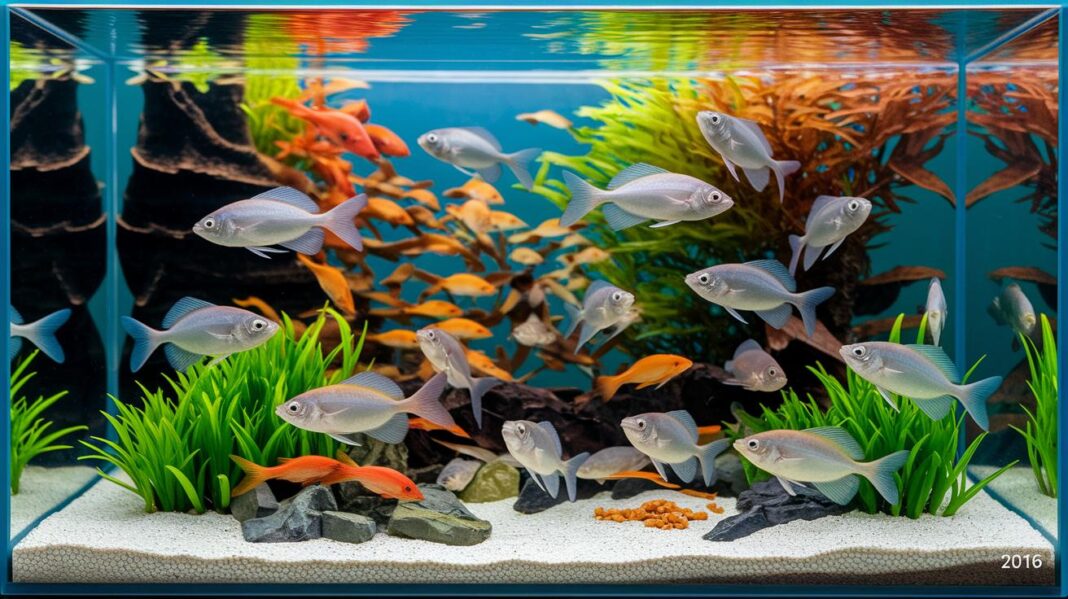

Ever thought about how your fish gleam when they get a little treat that feels like a wild catch? Live food sparks that natural chase, almost like a mini hunt in a clear, bubbling stream.
Instead of regular pellets, tiny delights like brine shrimp pack in the protein and energy your fish need to flourish. Watching them dart after these morsels is not only fun but also helps ease stress and boost their natural defenses. By adding live food to their meals, you're giving your fish a little taste of their natural, serene world.
Live Food Benefits for Aquarium Fish Diets
Feeding your fish live food is like giving them a taste of their natural world. It feels a bit like watching tiny, lively dancers in your aquarium. Offering little treats such as baby brine shrimp or other small organisms means your fish get the natural protein and nutrients they need to grow strong or get ready to breed.
Not only does live food provide great nutrition, but the movement adds a fun little workout and keeps the fish’s minds busy, reminding them of their wild, natural foraging behavior. It might even feel like they're hunting a tiny underwater adventure!
By switching from feeder fish to live food, you also avoid some health risks. Feeder fish can sometimes carry diseases or have thiaminase, which is a substance that might lower vitamin B1 levels if fed too much. Live food, on the other hand, brings real-life excitement and helps lower stress while boosting the fish's immune system.
- Enhanced growth
- Stress reduction
- Immune boost
- Improved digestion
- Vibrant coloration
By mixing in live food with your fish’s regular diet, you give them more than just nutrition. You create an experience that really taps into their natural instincts and helps build healthier, more energetic, and beautifully colored fish. And let’s be honest, watching those bubbles and lively movements can be as calming as a gentle ripple on a sunny day.
Stimulating Natural Behaviors with Live Food in Aquarium Diets
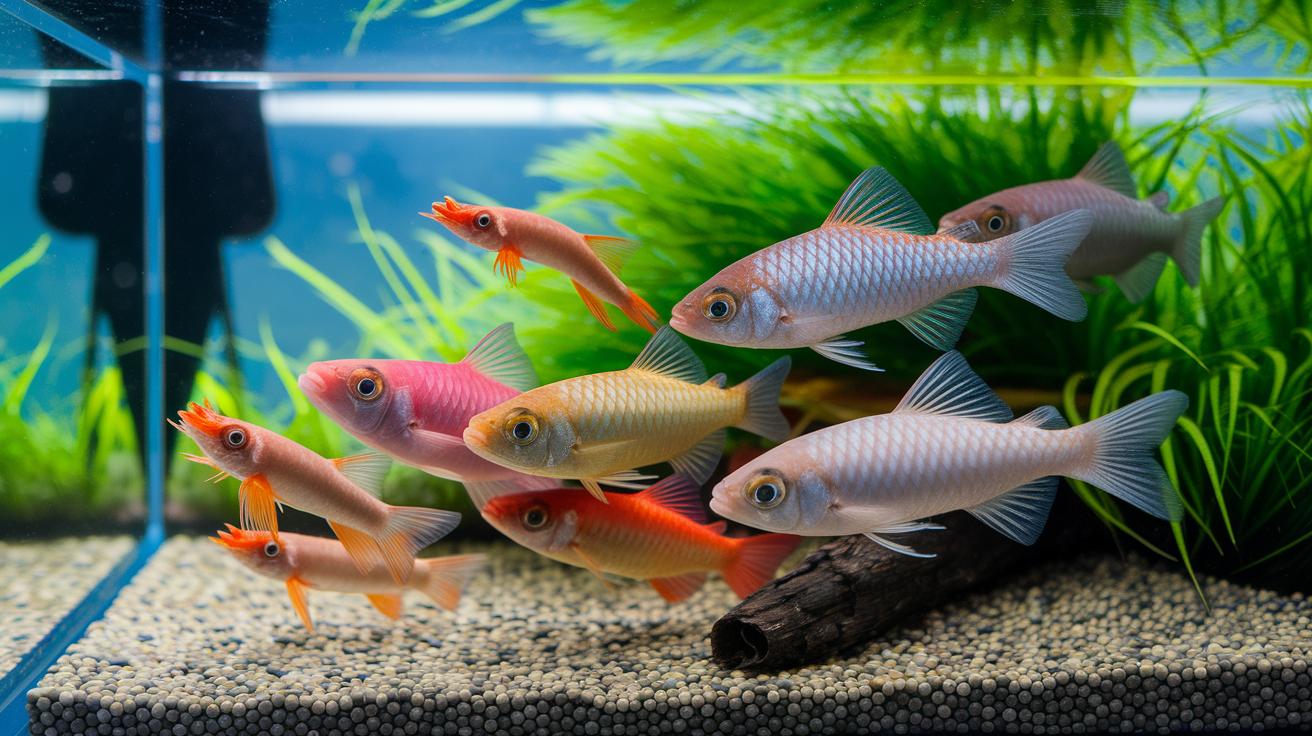
Have you ever watched live prey dart around your tank and noticed how it instantly awakens your fish's inner hunter? Those quick, unpredictable movements feel just like the real deal in nature, bringing the excitement of the wild right into your home. When your fish pounces on a tiny brine shrimp, it's like a flashback to their natural feeding moments.
Live feed does more than just spark their hunting instincts, it also helps keep stress at bay in small tanks. With their food swirling about, fish seem to relax and focus on the playful chase, which not only keeps them active but also boosts their overall health.
Recent trials with brine shrimp have given us some neat insights, showing that both young fish and breeding adults react much more eagerly to live feed. This burst of energy leads to better growth, improved nutrient uptake, and even stronger muscles. In truth, when your aquarium mirrors these natural underwater vibes, it's not just about feeding, it becomes a lively and vibrant mini underwater world.
Enhancing Digestion and Immune Response with Live Diets
When fish snack on bits from insect shells, like those from crickets and mealworms, it's like giving their stomachs a little workout. That crunchy roughage helps food move smoothly through their gut, so they absorb all the good stuff more easily.
High-protein live treats, such as Daphnia and microworms, pack essential vitamins and fatty acids that help keep a fish's immune system in top shape. And lipid-rich blackworms, especially, are great for bottom-dwellers by supporting both their digestion and their natural defenses. Mixing these varied treats creates a balanced diet that boosts nutrient uptake and overall well-being, keeping your aquatic friends healthy and vibrant.
| Food Type | Digestion Benefit | Immune Benefit |
|---|---|---|
| Daphnia | Makes it easier for food to be processed | Supplies key vitamins and fatty acids |
| Microworms | Helps boost nutrient absorption | Strengthens overall immunity |
| Blackworms | Supports smooth gut movement for bottom-dwellers | Provides extra help with natural defenses |
Culturing Live Foods for Wild Diet Simulation in Captivity
Start by creating an infusoria culture. Mix some old tank water with a small piece of banana peel or ½ teaspoon of instant yeast. Warm the blend to 78–80°F so that the tiny critters multiply quickly, much like a gentle wake-up call in a quiet pond. This gives your delicate fry a nourishing first meal.
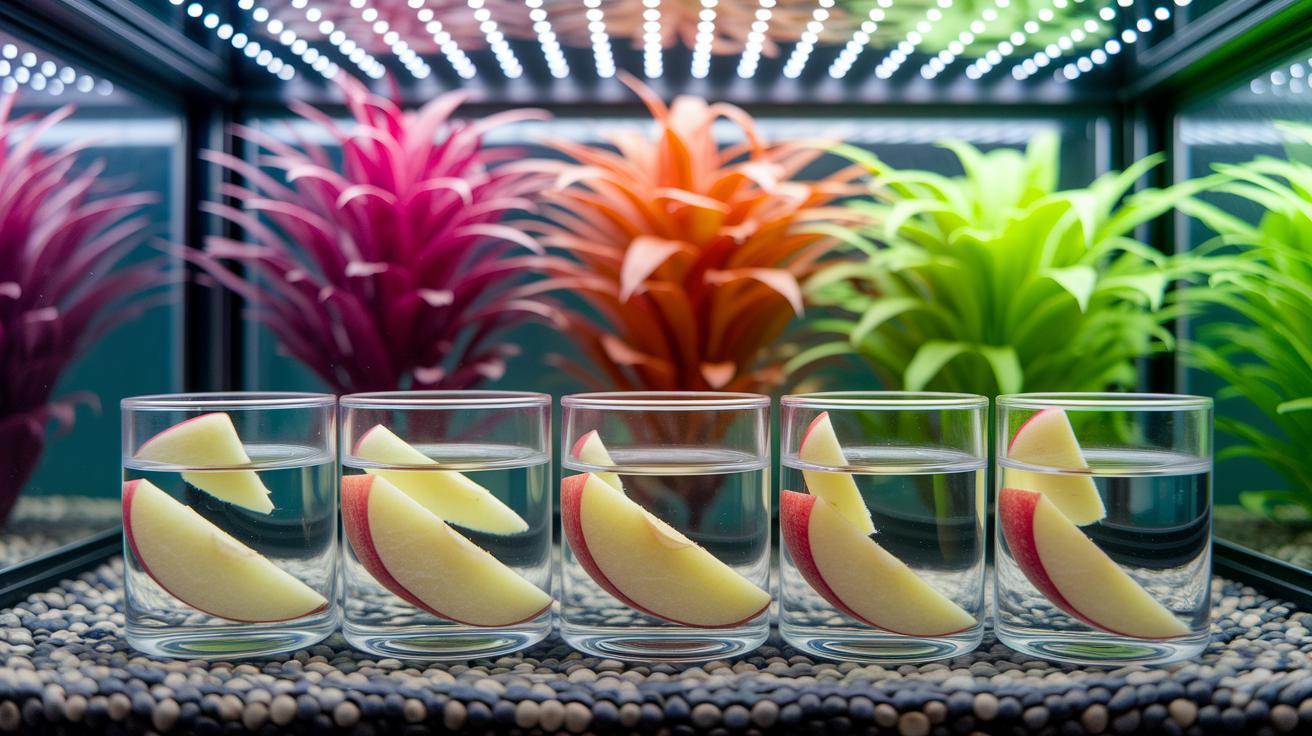
For vinegar eels, combine equal parts apple cider vinegar and dechlorinated water in a clean container, then toss in a few apple slices. These slices act as a simple snack for the bacteria that help the eels thrive. As the eels become lively and more abundant, gently collect them with a pipette to ensure you always have a rich, nutritious treat ready.
Next, keep a Daphnia culture in aged, dechlorinated water kept cool at about 68°F. Feed these small creatures with active dry yeast or a sprinkle of spirulina powder to boost their protein and nutrients, much like adding a pinch of salt to enhance a home-cooked meal. Their healthy environment makes them an ideal food source for fish that need a bit of extra nourishment.
Microworms or Grindal worms do well when grown on a simple mix of oatmeal or mashed potatoes combined with yeast. Before you mix in your ingredients, be sure to sterilize the mixture, either by heating it at 180–200°F for around 30 minutes or by microwaving in short bursts. This step is like cleaning your favorite fishing spot; it helps avoid unwanted pests and keeps your culture clean and thriving.
Finally, store blackworms in shallow, wide containers kept cool between 40–55°F. Keep the worm pile to about 0.5 inches to avoid overcrowding and ensure the water stays clear. This neat setup makes them a balanced, nutrient-rich treat, perfect for fish that like to feed close to the bottom.
Comparing Live Food to Alternative Feeding Methods in Aquarium Diets
When you feed your fish frozen or processed food, they miss out on the lively movements that spark natural hunting instincts. That missing little wiggle means fish might not pick up vitamins as well, and their bodies could struggle with nutrient uptake. Live prey, however, brings a taste of the wild into your tank by mimicking natural feeding cues that kick the foraging drive into action. Plus, relying only on feeder fish can sometimes bring health risks like disease or thiaminase exposure, which can lower vitamin B1 levels, making live food a smart choice for boosting your fish’s vitality.
Commercial diets like pellets or frozen foods often fall short because they don’t show the active movement that makes mealtime exciting. The constant motion of live prey not only provides essential nutrients but also helps reduce stress, encourages feeding, and builds muscle. It’s like letting your fish enjoy a mini adventure every day, reinforcing the natural behaviors that keep them active and healthy for longer. This natural approach supports good digestion and overall well-being.
Mixing live, frozen, and pellet feeds creates a balanced diet that minimizes health risks while ensuring your aquarium stays robust and lively.
Final Words
In the action, our post dove into live food’s perks, from fueling natural feeding habits to boosting digestion and immunity.
We touched on safe culturing techniques and how mimicking nature can improve tank decor and fish behavior.
By embracing the benefits of live food in aquarium fish diets, a balanced, engaging environment naturally supports growth and reduces stress. Enjoy watching your aquatic world come alive with energy and charm!
FAQ
What are the disadvantages of live fish food?
The disadvantages of live fish food mean that these feeds can carry contaminants and uneven nutrients, potentially spreading disease if not handled with care.
Can I purchase live food for fish online?
The phrase “live food for fish online” means you can order live organisms via internet retailers to conveniently provide natural nutrition, though proper transport is key to keep them healthy.
How can I make homemade food for aquarium fish?
The term “homemade food for aquarium fish” refers to preparing fresh meals using common ingredients, which can give fish a balanced diet and promote natural feeding actions.
What live food is best for fish fry?
The question “live food for fish fry” means using tiny live feeds like baby brine shrimp that spark hunting instincts and support rapid growth during early fish development.
Where can I find live food for fish near me?
The question “live food for fish near me” means checking with local pet stores or aquarist groups to source fresh, locally grown live feeds without long shipping times.
How do I culture live fish food and which option is easiest to culture?
The discussion on live fish food cultures and ease of cultivation means setting up simple systems, such as growing infusoria or vinegar eels, to consistently produce fresh feed for your aquarium.
What does “aquarium fish food name” refer to?
The term “aquarium fish food name” indicates the labeling of various feed types—whether live, frozen, or pellet—helping you pick the right option for your fish’s dietary needs.
Are live foods better for fish and what are their advantages?
The inquiry about live food benefits means that live feeds offer improved nutrition, natural hunting stimulation, vibrant coloration, enhanced growth, stress reduction, better digestion, and stronger immunity in fish.
How often should I feed my fish live food?
The question about feeding frequency means that while it varies by species, offering live food a few times weekly usually supports nutrition without overfeeding your fish.