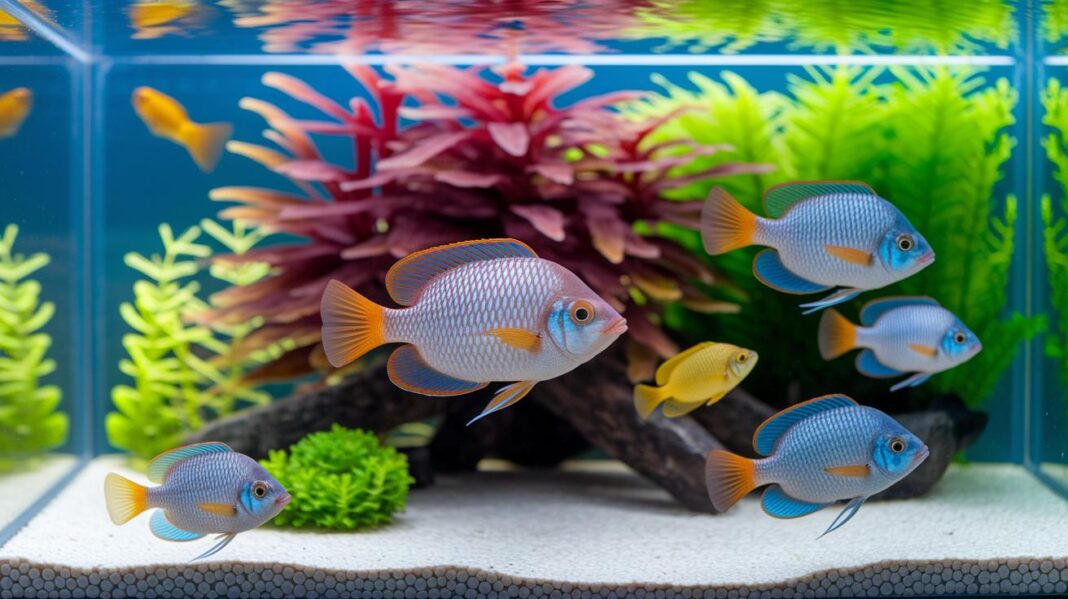

Have you ever thought your fish might be missing a little secret boost? Freeze-dried foods are like a healthy splash of nature, packed with proteins, vitamins, and minerals that make every meal count.
Imagine your fish nibbling on a treat that brings out their natural sparkle. With most of the key nutrients staying intact, these foods flow through your tank like a gentle current, keeping your fish active and vibrant.
Trying this simple switch could be just what your underwater friends need to get that extra dose of nutrition and energy.
How Freeze-Dried Foods Boost Aquarium Fish Nutrition
Freeze-dried foods are like a little treasure chest for your aquarium fish, a natural mix of high-quality protein, essential vitamins such as B-complex and carotenoids, and key minerals that keep them strong and lively. For instance, offering freeze-dried tubifex worms gives your fish a taste of nature, much like a gentle stream of balanced nutrition that enhances their brilliant colors and healthy growth. Did you know that freeze-drying can lock in nearly 95% of those important nutrients? It means every bite is almost as rich as live food.
This method works by carefully removing moisture at low temperatures so that all the good stuff, like proteins and minerals, stays intact. It’s a bit like preserving the sparkle of a sunlit pond without the harsh heat that might wash away its magic. Many fish keepers love these nutrient-dense meals because they spark energy and boost metabolism, all while offering an impressive shelf life of up to 24 months without the need for refrigeration.
On top of that, feeding your fish with these freeze-dried options makes life easier. With a consistent, balanced diet, your fish show off vivid colors and swim with extra vitality. It’s a simple, hassle-free way to provide reliable nutrition, ensuring that caring for your aquatic buddies is as smooth as a calm, clear lake.
Key Nutrient Retention in Freeze-Dried Aquarium Fish Foods
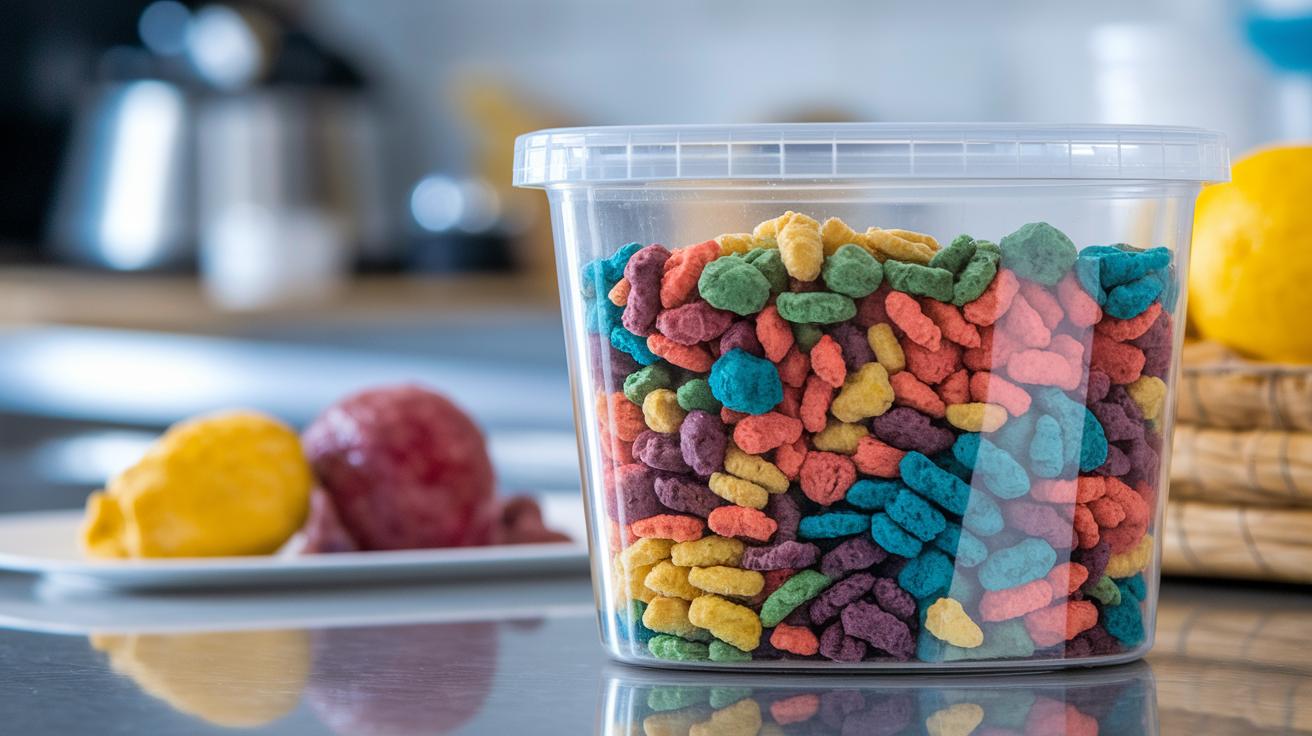
Freeze-drying keeps around 95% of vitamins and minerals, but what really stands out is how it holds onto the delicate nutrients. Unlike air or spray drying, freeze-drying uses very low temperatures that help keep sensitive vitamins like vitamin C and B-complex intact. Recent studies even show that changing the freeze-drying cycle only shifts nutrient levels by 2-3%, meaning a tiny change in temperature really does a great job preserving them.
This method, called lyophilization, works in controlled batches so that oxidation and unwanted chemical changes are kept at bay. Think of it like comparing a cold-pressed juice to one heated too much, the cold process keeps the natural goodness intact. Every batch of our aquarium food ends up with a steady mix of micronutrients, amino acids, and fatty acids, just as nature intended.
Experts now say that even small tweaks in the process, such as adjusting the pressure settings, can make a big difference in how well these key nutrients are absorbed by your fish. This careful handling means that the natural compounds are well-protected from breaking down, giving freeze-drying a clear edge over other drying methods.
| Drying Method | Temperature Exposure | Nutrient Stability |
|---|---|---|
| Freeze-Drying | Ultra-Low | Preserved structure with minimal degradation |
| Air Drying | Ambient | Moderate degradation of heat-sensitive nutrients |
| Spray Drying | High | Significant nutrient loss due to heat exposure |
In experiments, this controlled freeze-drying method not only holds on to essential nutrients but also makes them chemically more stable. In essence, it delivers a nutrient-packed product that supports your fish’s health just like a well-balanced meal supports you on a busy day.
Comparing Freeze-Dried, Live, and Frozen Fish Foods
Freeze-dried fish foods remove moisture without using heat. This method lowers the chance of germs sticking around, and it keeps the important nutrients safe. They can last up to two years and don’t even need a fridge, which saves you time compared to dealing with live foods. For instance, you can sprinkle a powdered treat into the water or mix it into a paste, making it easy to help different fish get just the right meal.
Live foods feel more natural and can really excite your aquatic buddies. But they come with a higher risk of germs and need extra care to keep their nutrients fresh. Frozen fish foods have their own hiccup too. When you thaw them out, some vitamins and amino acids can fade away, meaning your fish might not always get a completely balanced diet.
On the other hand, freeze-dried options skip the freeze-thaw routine altogether. With their nutrient-rich formula, every meal stays consistent and packed with vitamins. This makes them one of the best choices for aquarium lovers who want a safe, reliable, and stress-free way to feed their fish.
Practical Feeding Guidelines for Freeze-Dried Aquarium Diets
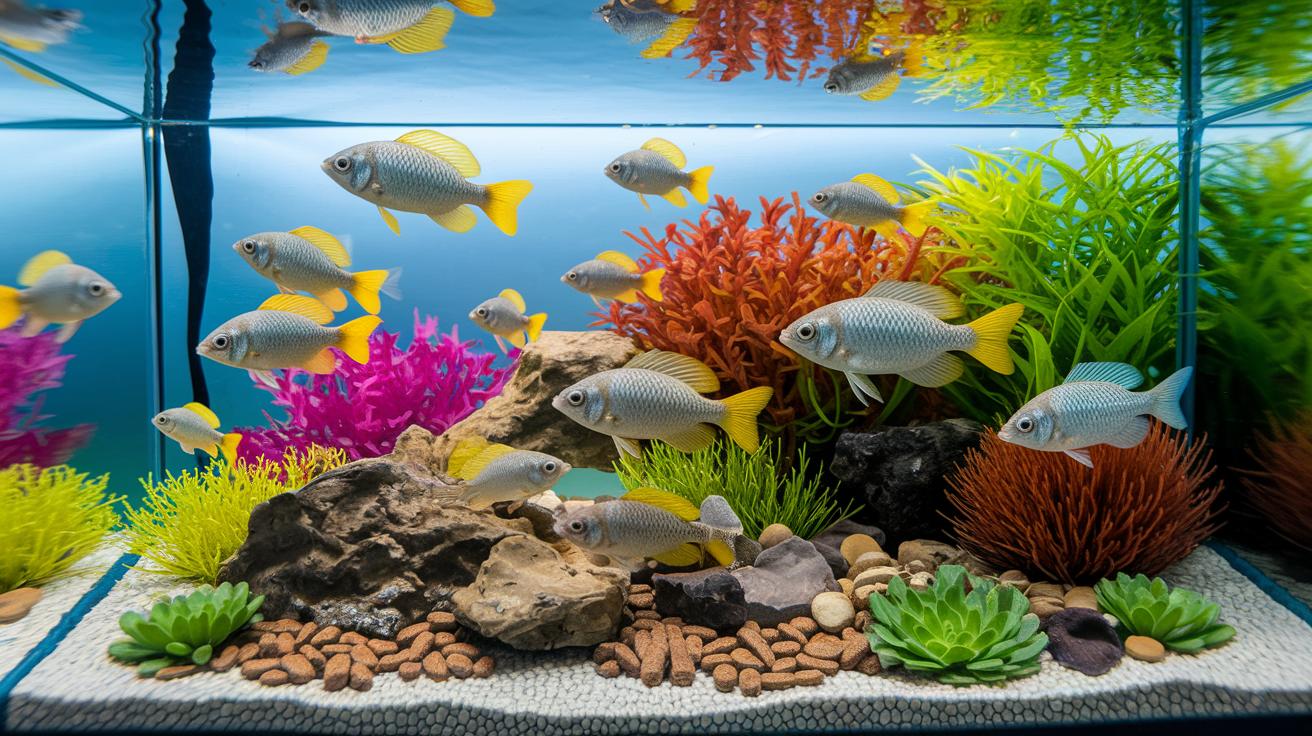
A great trick is to soak your freeze-dried food for about 30 to 60 seconds before feeding. This little dip softens the food, making it easier for your fish to soak up all the good nutrients, imagine it like a gentle current that spreads nourishment to every fin. Then, feed your fish once or twice a day, giving them just enough that they finish their meal in about two minutes. This ensures they enjoy a fresh, nutrient-packed meal while keeping your tank tidy.
Another tip is to mix things up with different types of food. Try alternating between freeze-dried mixes and some live or frozen options. This change adds a variety of textures and nutrients, boosting your fish’s immune system and making their colors really pop, kind of like how adding a new seasoning can make your favorite dish even more exciting.
It’s also smart to find the right amount for your fish by starting with small portions. Watch them as they eat; if there’s leftover food, ease up on the serving next time. Generally, feeds with about 40–50% protein work well for supporting growth, and a little extra of vitamins and minerals can give your fish that
Freeze-Drying Technology’s Role in Nutrient Preservation
Freeze-drying is now more than just about keeping nutrients safe. Today, experts have fine-tuned the vacuum stage, an important part of the process known as lyophilization (that’s just a fancy word for freeze-drying). New sensors keep an eye on the vacuum in real time, adjusting conditions on the fly, much like a smart thermostat does for your home. This care helps protect delicate vitamins and proteins while using less energy.
This smoother method is also gentler on our planet. By cutting energy waste and reducing the need for extras, the process becomes more eco-friendly. It not only locks in essential nutrients but also lessens the environmental impact, making it a great choice for nutrient-rich aquatic feeds and balanced pet diets.
An added bonus is the improved temperature control during the vacuum phase. This tweak helps keep cell structures intact, giving the process an edge over older drying techniques.
| Feature | Benefit |
|---|---|
| Real-time sensor feedback | Keeps the vacuum conditions just right |
| Optimized energy usage | Supports an eco-friendly process |
| Precise temperature management | Well-protected cell structures |
Customizing Freeze-Dried Diets for Different Fish Species
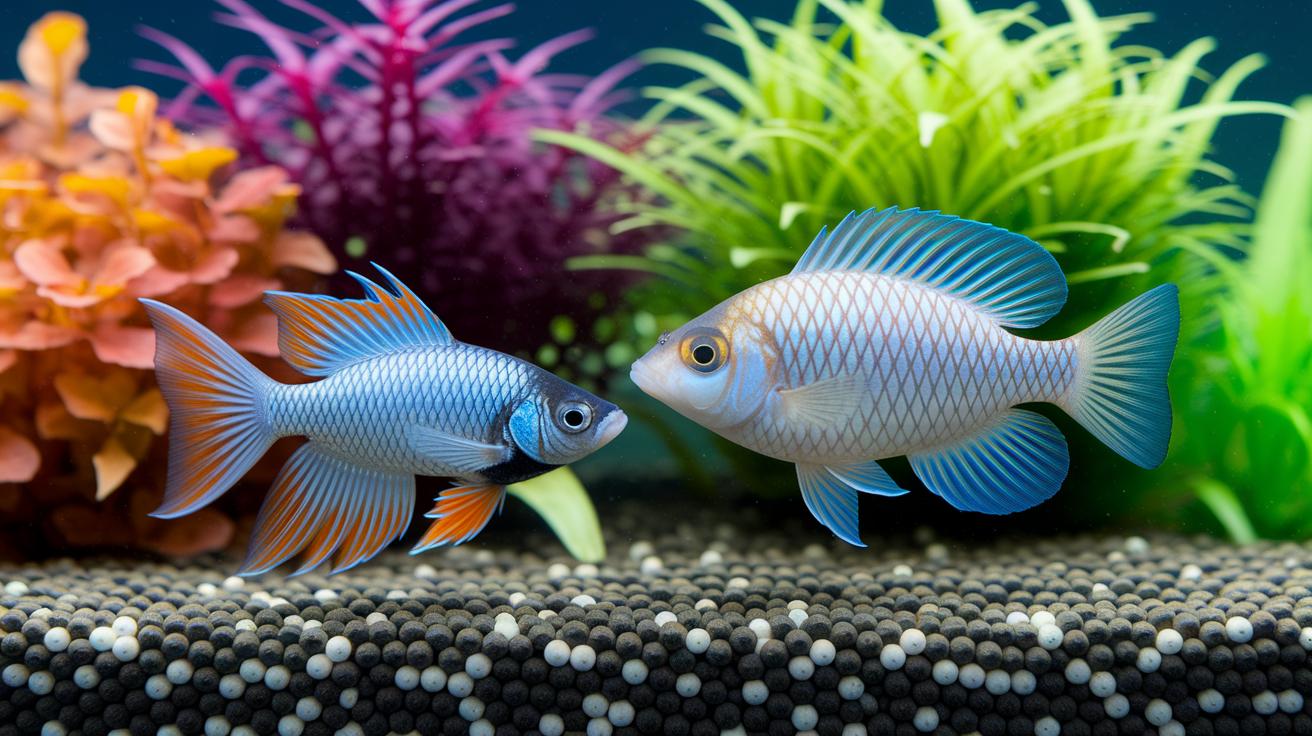
Designing freeze-dried diets is a lot like planning a special meal for your fish. Each species, whether it's a betta, cichlid, tetra, or marine goby, has its own way of eating and growth needs. By tweaking details like particle size, protein amounts, and soaking time, you can serve up a meal that feels just right.
Freshwater fish such as bettas and cichlids usually enjoy pellet shapes. These pellets match their mouth size perfectly, meaning they can chomp them without leaving extra bits behind. Meanwhile, saltwater friends like marine gobies do better with powdered or finely ground food. That finer texture reminds them of the tiny bits they’d naturally find in the ocean.
Keeping the protein level around 30% to 50% helps feed them the building blocks they need to grow and stay healthy. And if you soak the food for about 30 to 60 seconds, it softens enough to be easily digested without losing its nutrients. It's a bit like giving your fish the perfect bath before they dive in!
- Match particle sizes to the fish’s regular feeding habits.
- Set protein levels to support growth and overall health.
- Briefly soak the food to unlock its full nutritional punch.
When you customize each fish's meal plan, you reduce waste and boost their growth. A well-tailored, balanced diet really makes all the difference in keeping your fish vibrant and full of life.
Final Words
In the action, freeze-dried foods show how smart feeding techniques boost aquarium fish nutrition. The article explored how these convenient meals deliver top vitamins, proteins, and minerals while keeping preparation simple.
We touched on nutrient retention, comparisons to other food types, and practical feeding tips that suit various fish species. Every fish owner can craft a clean, balanced underwater habitat with confidence. Embrace the nutritional benefits of freeze-dried foods for aquarium fish and watch your aquatic friends thrive.
FAQ
Are freeze-dried foods good for fish and do they maintain essential nutrients?
Freeze-dried foods are an excellent choice for fish as they offer high-quality protein, vitamins, and minerals. They preserve nutrient profiles, mirroring wild foods, and boost overall aquarium nutrition.
Do freeze-dried vegetables retain their nutrients?
Freeze-dried vegetables retain most nutrients by using a gentle process that locks in vitamins and minerals. Their nutritional quality stays stable, much like a well-kept aquarium’s ecosystem.
Is freeze-dried food healthy for consumption?
Freeze-dried food is healthy as it preserves a high amount of vitamins, minerals, and proteins. It maintains nutrient integrity better than heat drying, offering a well-rounded meal alternative.
Can freeze-dried food have side effects?
Freeze-dried food may cause issues if overfed or if fish aren’t gradually introduced to the change. Moderation and diet variety help maintain a balanced and healthy aquarium.
Are freeze-dried fruits and vegetables good for weight loss?
Freeze-dried fruits and vegetables are low in calories and high in nutrients, which can support weight loss while providing a crunchy texture and robust flavor without extra fats.
What are the benefits of freeze-dried fruit and does it have more sugar?
Freeze-dried fruits offer a nutrient-rich snack with concentrated vitamins, but they may contain higher sugar levels than fresh fruits. Enjoying them in moderation makes the most of their benefits.
Does freeze-dried food keep its nutritional value during storage?
Freeze-dried food maintains most of its nutritional value during extended storage due to the low-moisture process. This method effectively preserves vitamins, minerals, and proteins without refrigeration.
Does drying fish food cause nutrient loss in fish diets?
Drying fish food with freeze-drying preserves up to 95% of essential nutrients, ensuring fish diets retain critical vitamins and proteins while avoiding significant losses seen in some heat-based drying methods.