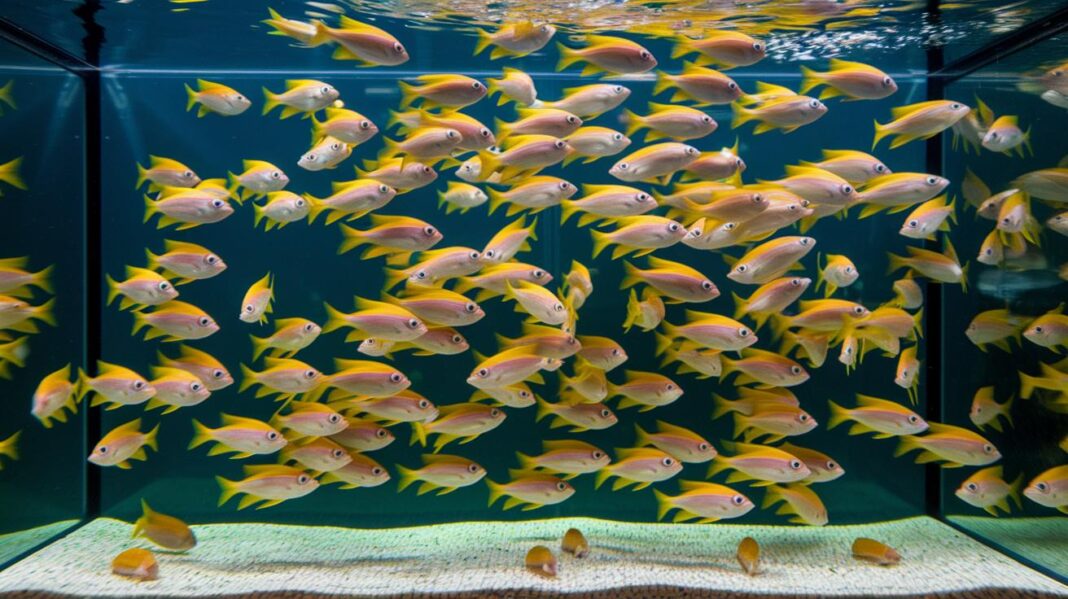

Have you ever noticed that those extra snacks for your fish might be doing more harm than good? When food hangs around in your tank longer than it should, it starts to break down. This breakdown makes the water cloudy and less healthy for your fish.
Leftover food mixed with waste creates a murky situation that can upset your fish's nutritional balance. Think of it like leaving too much seasoning in your meal, it just throws everything off. In truth, overfeeding can stress your fish and cloud the clear water they need to thrive.
That's why keeping a balanced diet is so important for your underwater family. Enjoy watching your fish swim happily in clean, clear water!
Overfeeding Effects on Aquarium Fish Nutrition and Water Quality
Ever notice how packaging directions suggest feeding for a few minutes, even though your fish gobble their food in less than 30 seconds? It’s like leaving extra snacks at a party where everyone already had enough. You know, the idea is to ensure your fish get what they need, but in reality, the food lingers long past when it should have been eaten.
When extra food is left over, it starts to break down quickly. As it decays, it mingles with fish waste, creating a mix that adds to organic buildup. This process turns your clear water into a murky mix that clouds the aquarium. Plus, overfeeding makes more ammonia, which is a toxic byproduct that can upset the water’s pH and raise Total Dissolved Solids. When the water shifts to become more acidic, your fish may not absorb nutrients as well, and their metabolism can take a hit.
Another issue is that uneaten food tends to settle on the tank floor, forming pockets where harmful bacteria can thrive. These bacteria make the water quality even worse and put extra stress on your fish and the helpful filters that keep everything clean. Over time, as fish eat too much, they miss out on a balanced diet and may face constant health stress due to lacking the right mix of nutrients.
Keep an eye on your tank, if food is still floating on the surface for more than a few seconds, it’s a clear sign that you’re feeding too much. Adjusting the amount of food can help keep the water clear and your fish healthy, ensuring they enjoy a balanced diet and a comfortable home.
Nutritional Imbalance and Fish Health Risks from Surplus Feeding
Obesity and Reduced Activity
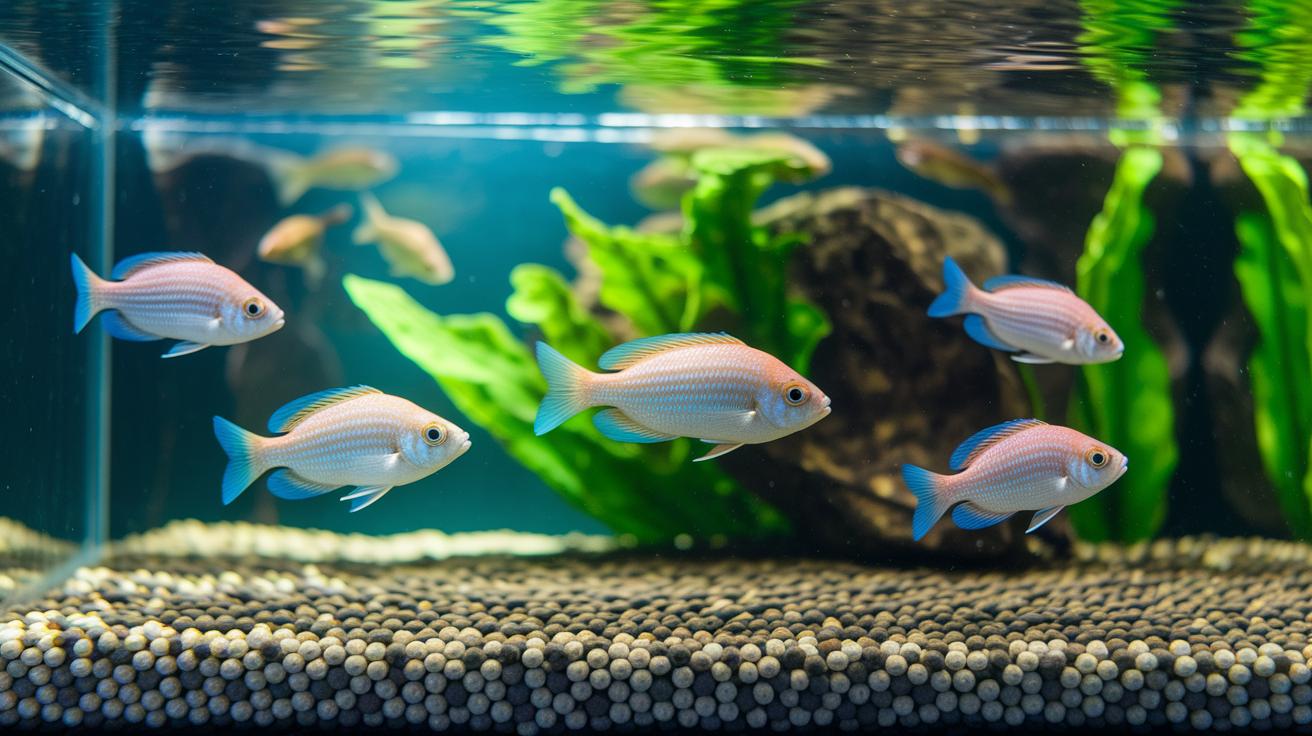
When fish eat more than they need, they start storing the extra energy as fat. You might notice surface feeders eagerly scooping up extra food while the bottom feeders miss out when uneaten pellets drift away. This extra fat makes fish slow and less active, much like a lazy stream that barely moves. Over time, this lack of movement can lead to troubles like swim bladder issues and other problems with their natural buoyancy. Some fish in aquariums might even end up looking a bit like chubby pet cats if overfed!
Digestive Distress and Suboptimal Digestion
Overfeeding puts a strain on a fish's digestive system. When a fish eats too much, its tummy can swell up and struggle to process all that food, much like trying to digest an overly hearty meal at a family dinner. This disruption can lead to swim bladder issues and stops them from getting all the valuable nutrients from their food. It’s like when you overcook pasta and it just won’t taste right. The discomfort makes it tougher for fish to stay healthy.
Immune Suppression and Disease Vulnerability
Too much food creates stress not just in the stomach but throughout the entire body. Extra nutrients make it harder for fish to fight off diseases and parasites, weakening their natural defenses. When their immune system is down, even small stressors can cause illnesses that spread quickly among tank mates. In this fragile state, a fish may struggle to bounce back from infections, which can affect its overall well-being.
Water Chemistry Disruptions from Overfeeding in Aquariums
When you feed your fish too much, it can change the water in ways that go beyond just looking cloudy. Instead of simply saying “Don't overfeed,” try using tools to keep an eye on what’s happening. Simple gadgets like sensors and test kits can help you spot sudden rises in toxic ammonia, drops in pH (which is just a measure of how acidic or basic your water is), and higher levels of total dissolved solids (TDS) that show more impurities.
Imagine this: if your sensor shows a quick jump in ammonia right after feeding, it can be like noticing tiny ripples before a big storm. This early warning helps you take action before things get out of hand.
Keeping a close watch with these tools can also help you see when your biological filters, those living systems that help break down waste, are getting stressed. Many fish keepers find that tanks with regular sensor checks bounce back faster after too much food is given. One hobbyist even mentioned that using a digital pH monitor during a food surplus helped calm the water down before any algae could take over.
For a quick reference, check out this table. It shows the key water parameters, what causes them, and how they affect your tank:
| Water Parameter | Primary Cause | Impact on Aquarium |
|---|---|---|
| Ammonia | Decaying food and fish waste | Harmful spikes that put pressure on filters |
| pH | Organic acids from decay | Drops in pH that make water more acidic |
| TDS | Dissolved organic compounds | Extra impurities that can cloud the water |
| Algae Blooms | Nutrient buildup from leftovers | Cloudy water that stresses the filter |
So, by checking your water regularly and using sensor data, you can catch small changes early. This way, you get to know your tank’s chemistry better and can help your aquatic friends stay happy and healthy.
Optimizing Feeding Practices to Prevent Fish Dietary Overload
Have you ever noticed that the food package tells you to feed your fish for 2 to 5 minutes, even though they usually eat up their meal in less than 30 seconds? It’s like being told to wait much longer than needed. When you watch your fish closely, you can see when they slow down or stop swimming, they're really saying, “I’m full!”
Most aquariums do best with just one feeding a day or even every other day. Feeding too often can let extra food pile up in your tank, which might mess with your water quality over time. Smart aquarists pay attention to their fish instead of sticking strictly to the clock. A feeding routine that fits each fish’s needs not only stops them from eating too much but also gives them a break to digest comfortably.
Using the right tools to measure food is key. It makes sure that every fish gets just the right amount, keeping both their diet balanced and your tank water clean. This simple approach also makes it easy to change things up if you notice your fish are eating too fast or not enough.
- Measure the food by weight or volume and offer only about 80% of what your fish clear in the first 30 seconds.
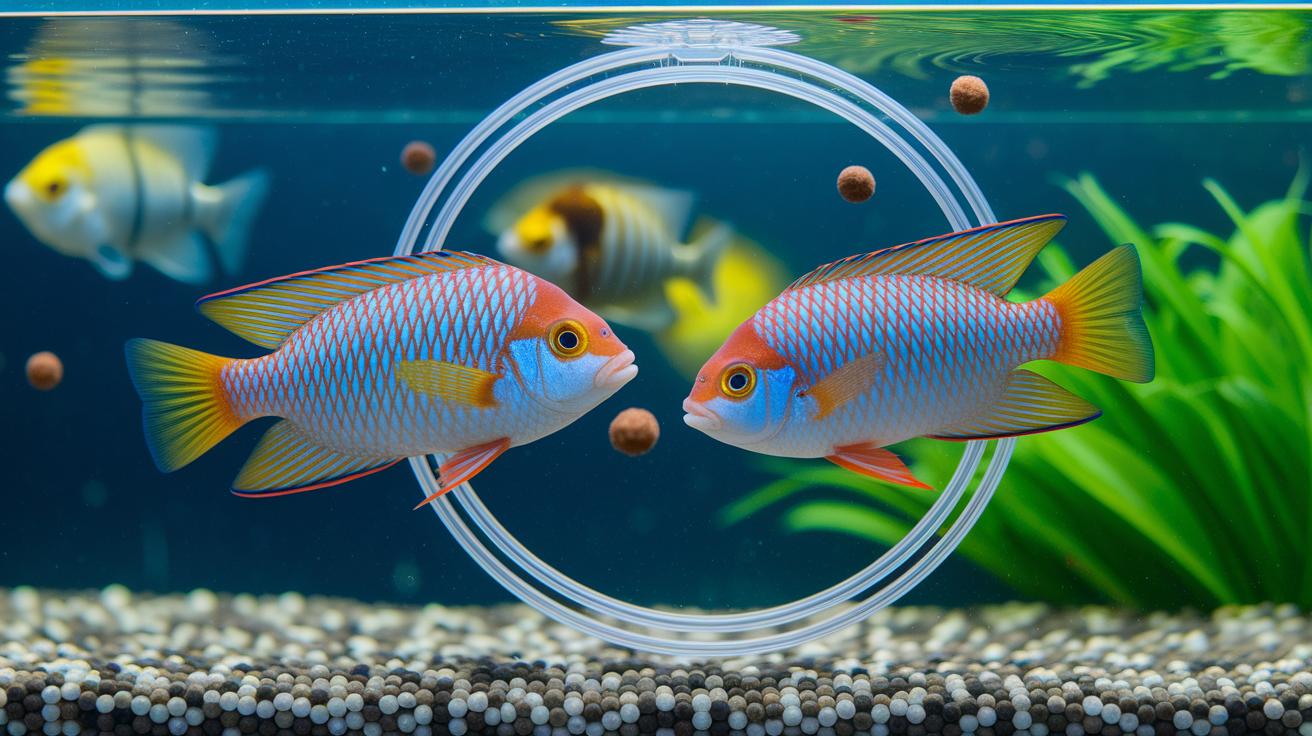
- Use precise tools like pipettes or feeding rings for accurate serving.
- Match the pellet or flake size to the fish species and their mouth size.
- Alternate feeding days for fish that have a slower metabolism.
- Keep track of how long the fish spend eating and adjust the next feeding accordingly.
Isn’t it neat how a little extra attention can make your underwater world healthy and balanced?
Early Detection of Overfeeding and Monitoring Aquatic Health
When you feed your fish the right amount, they quickly gobble up every bit of food, leaving nothing behind. But if you see little food pieces drifting around for more than 30 seconds, it means there might be too much food in the tank. I once noticed food lingering in my aquarium longer than usual and realized something was wrong with the feeding routine.
Keep an eye out for extra visitors like snails or pillbugs wandering around. These critters show up when leftover food begins to break down in the water. Also, if your fish keep searching hungrily even when there isn’t much food left, it could be a sign they’re stressed from having too many treats. Sometimes, you might see them tilting sideways or moving more slowly than usual, clear hints that they aren’t feeling their best.
Sticking to a regular routine of checking your tank’s food levels can help you catch these early warning signs. This way, you can keep both your water clean and your fish happy, much like maintaining a peaceful underwater world.
Maintaining Tank Health with Effective Waste and Nutrient Management
Regular partial water changes can make a big difference in keeping your tank sparkling clean. Swapping out about 10–20% of the water every week helps wash away unwanted waste and stops extra nutrients from building up and stressing your fish. This simple step keeps the water's balance just right, like the gentle flow of a clear stream.
Don't forget to show some love to your filter, too. By cleaning it regularly and replacing its media, you help the helpful bacteria inside keep working hard to break down fish waste. These bacteria are a bit like tiny cleaners that need a fresh space to do their job well. Without a little upkeep, they might get overwhelmed, leaving extra waste behind that can upset the natural rhythm of your tank.
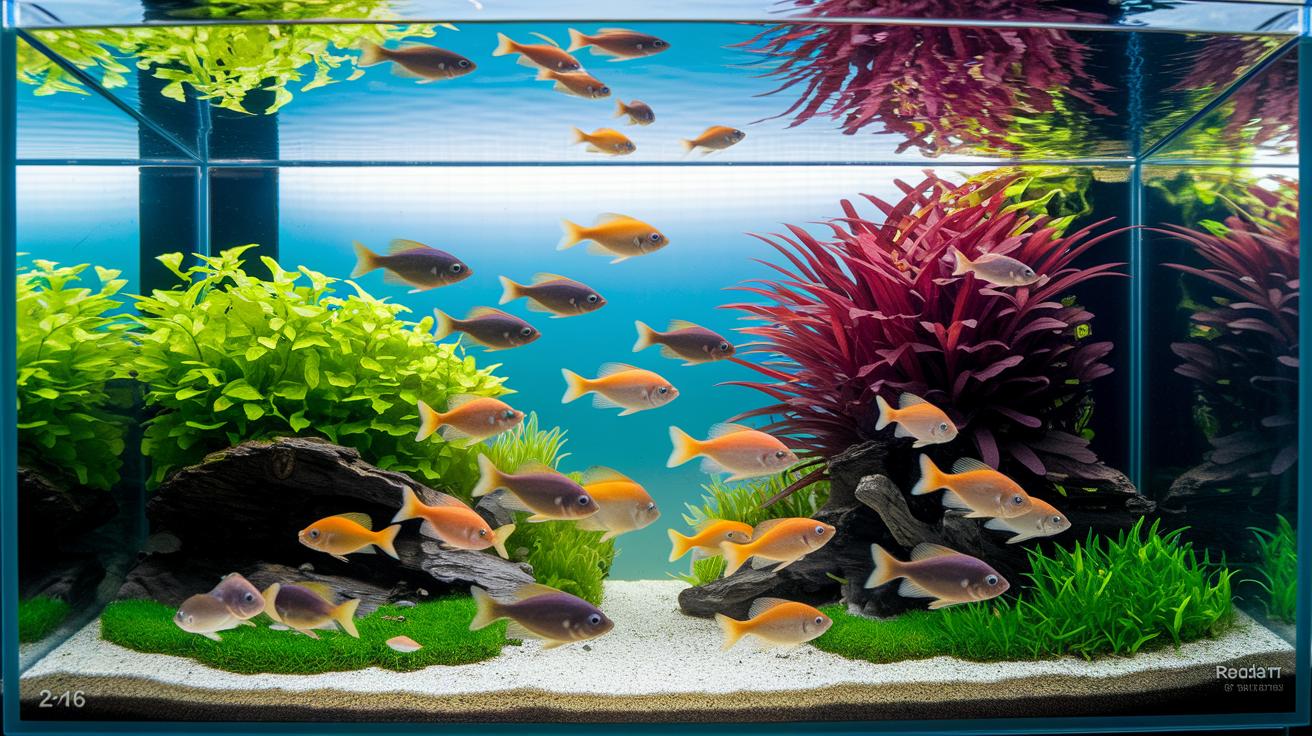
Adding live aquarium plants is another smart move for any fish lover. These plants naturally drink up extra nitrates and phosphates, which helps prevent those pesky algae blooms from clouding your view. Their nutrient-absorbing magic works hand in hand with careful waste management and thoughtful feeding practices. In truth, combining these techniques creates a resilient and balanced underwater home where your fish can thrive long and happy.
Final Words
In the action, the post showed how overfeeding changes a fish’s nutrition and water quality. It explained that extra food leads to decaying waste, which harms water clarity and shifts pH levels. The article offered smart feeding tips and explained how a balanced diet keeps fish and their tank in shape. Simple practices like precise portions and regular cleaning can stop the impact of overfeeding on aquarium fish nutrition. Stay positive and enjoy watching your aquatic habitat flourish with care.
FAQ
Q: What are the signs of overfed fish?
A: The signs of overfed fish include tasting uneaten food, sluggish movements, bloating, and abnormal swimming behaviors. You might also notice extra food lingering in the tank, signaling potential digestive strain.
Q: Can fish overeat and die or suffer from accidental overfeeding?
A: The idea that fish can overeat is true. Overeating stresses their digestive system, leading to issues like bloating and swim-bladder problems, while decaying food raises ammonia levels, which can be fatal over time.
Q: How often should you feed fish?
A: The frequency of feeding often depends on the fish and their habits. Many fish do well when fed once or every other day, and watch for when they stop eating mid-swim to gauge a proper portion.
Q: What happens when you overfeed aquarium fish or put too much food in the tank?
A: Overfeeding increases organic waste, which causes harmful ammonia spikes and pH drops. This stresses the filter system, invites algae growth, and ultimately creates an unstable environment for your fish.