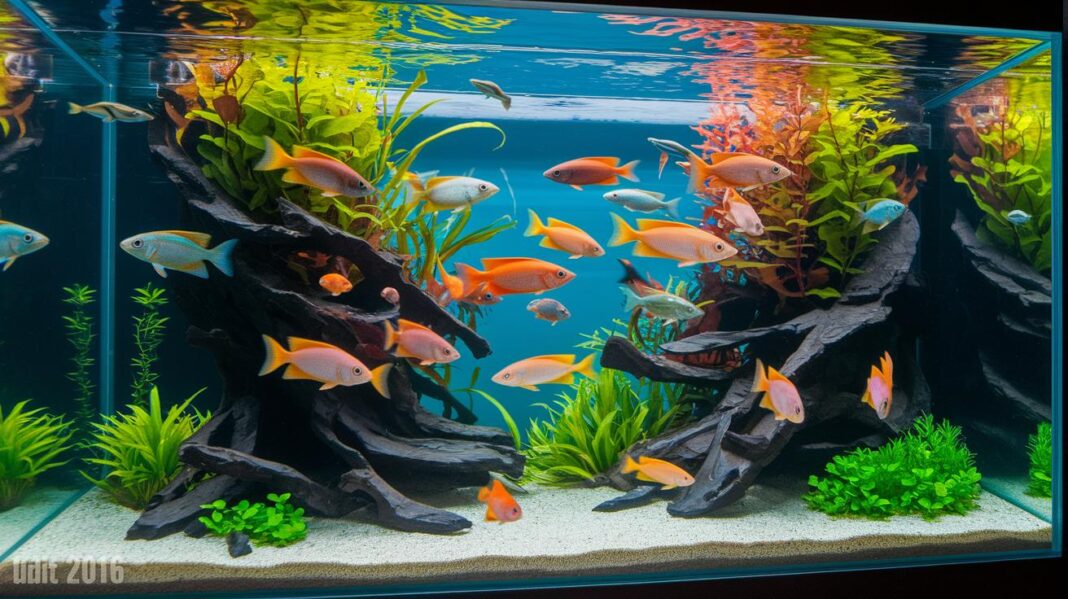

Ever think that a fish’s happiness might start with the water they swim in? Clean water is like a cool sip on a scorching day, helping your fish get the nutrients they need and swim happily. When things like pH, temperature, and the way you clean the water all work together, it's like a team effort that keeps your fish fed and strong against sickness. In truth, keeping an eye on your water makes all the difference, because even tiny changes can send gentle ripples that transform your aquarium's whole balance.
Water Quality’s Role in Aquarium Fish Nutrition
Good water quality is like the heartbeat of a thriving aquarium. When the water is clean and filled with plenty of dissolved oxygen, each fish breathes easily, much like taking a cool sip on a warm day. It’s simple: the purer the water, the better the nutrients are absorbed by our finned friends.
Think of it like this, key factors such as pH, temperature, dissolved oxygen, and filtration all work together like a well-rehearsed team. Keeping pH steady helps the fish digest their food properly, while the right temperature makes sure their metabolism runs smoothly. And yes, the aquarium filter is a true hero, quietly sweeping away leftovers and waste so that nothing interferes with digestion.
When water chemistry is balanced, it not only supports a nutritious diet but also helps your fish grow strong and fend off illness. It’s very much like tuning a musical instrument; even small shifts in temperature or pH can change the tune of the entire aquarium. Have you ever noticed how a smooth, balanced tank can make your day feel just a little brighter?
pH Stability Effects on Nutrient Absorption in Aquarium Fish
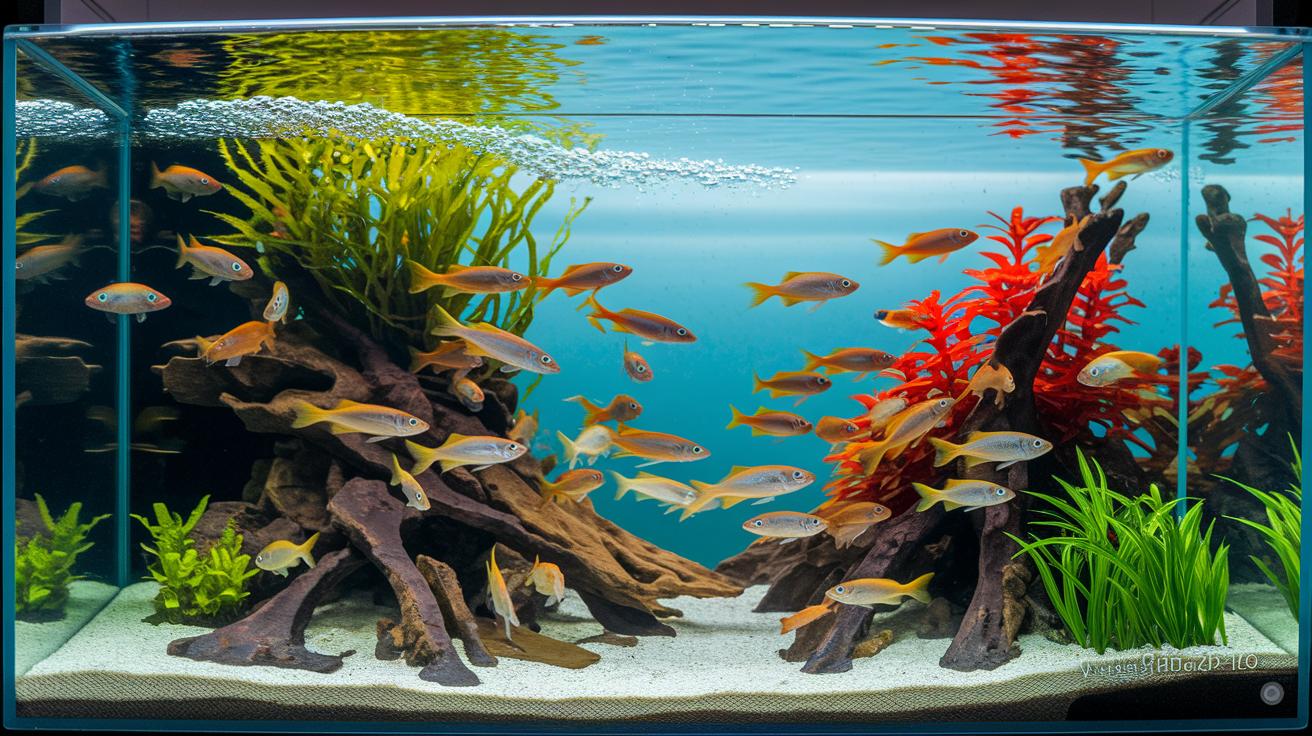
Maintaining the right pH in your aquarium is like setting the perfect stage for your fish. For most freshwater species, keeping the pH between 6.8 and 7.0 makes sure that enzymes work well and nutrients stay mixed and ready for use. When the pH shifts too much, it can block nutrients, slow down enzyme work, and put your fish under stress, something no fish lover wants.
Here are some friendly tips to keep your tank water balanced:
- Choose buffering agents like calcium carbonate or potassium bicarbonate to help keep the pH steady.
- Use pH test kits or digital pH meters to check your water often, just like peeking at your aquarium’s heartbeat.
- Stick to a regular dosing routine with commercial buffer kits so your pH stays in the ideal range.
- Do partial water changes regularly to prevent harmful acids from building up.
- Pick reliable reagents that work to maintain a smooth acid-base balance.
By keeping your water stable, you let enzymes break down food efficiently, ensuring that your fish can absorb all the good nutrients they need. This simple step helps support healthy digestion and keeps your aquatic friends strong and full of life.
Managing Nitrogen Compounds for Better Aquarium Fish Nutrition
In your tank, the levels of ammonia, nitrite, and nitrate are like the current that carries good or bad vibes for your fish. When ammonia climbs above 1 ppm, it starts hurting the fish gills and slows down their metabolism, much like a strong current making it hard to swim. Nitrite is another troublemaker; if it goes past 0.5 ppm, it puts fish under stress by interfering with how oxygen travels in their bodies, which means nutrients don’t get to where they’re needed. And while nitrate can help plants thrive, levels over 40 ppm may make fish lose their appetite and face other health issues. Think of these compounds as part of a natural dance in your aquarium, where friendly bacteria help change ammonia into nitrite and then turn nitrite into nitrate.
When these nitrogen compounds are out of balance, it’s like stirring up too many waves in a calm pond. The special enzymes that help your fish digest food can’t do their job properly, even if the food itself is just right. Keeping a steady eye on these levels and making little adjustments ensures your fish can enjoy their meals and stay healthy.
| Compound | Safe Range | Nutritional Impact | Toxicity Effects |
|---|---|---|---|
| Ammonia | < 1 ppm | Helps break down proteins smoothly | Hurts gills, disrupts metabolism |
| Nitrite | < 0.5 ppm | Keeps oxygen flowing through the body | Causes stress, cuts oxygen supply |
| Nitrate | < 40 ppm | Supports a good nutrient cycle | Reduces appetite, adds stress |
A strong biofilter is the heart of a healthy tank. With a well-kept filter bustling with nitrifying bacteria, you’ll see toxic compounds turned into harmless ones reliably. Taking the time to inspect and maintain your filter can keep your aquarium as calm and balanced as a quiet lagoon, letting your fish thrive in their beautiful underwater world.
Hardness Level Influence and Dissolved Oxygen Significance on Fish Metabolism
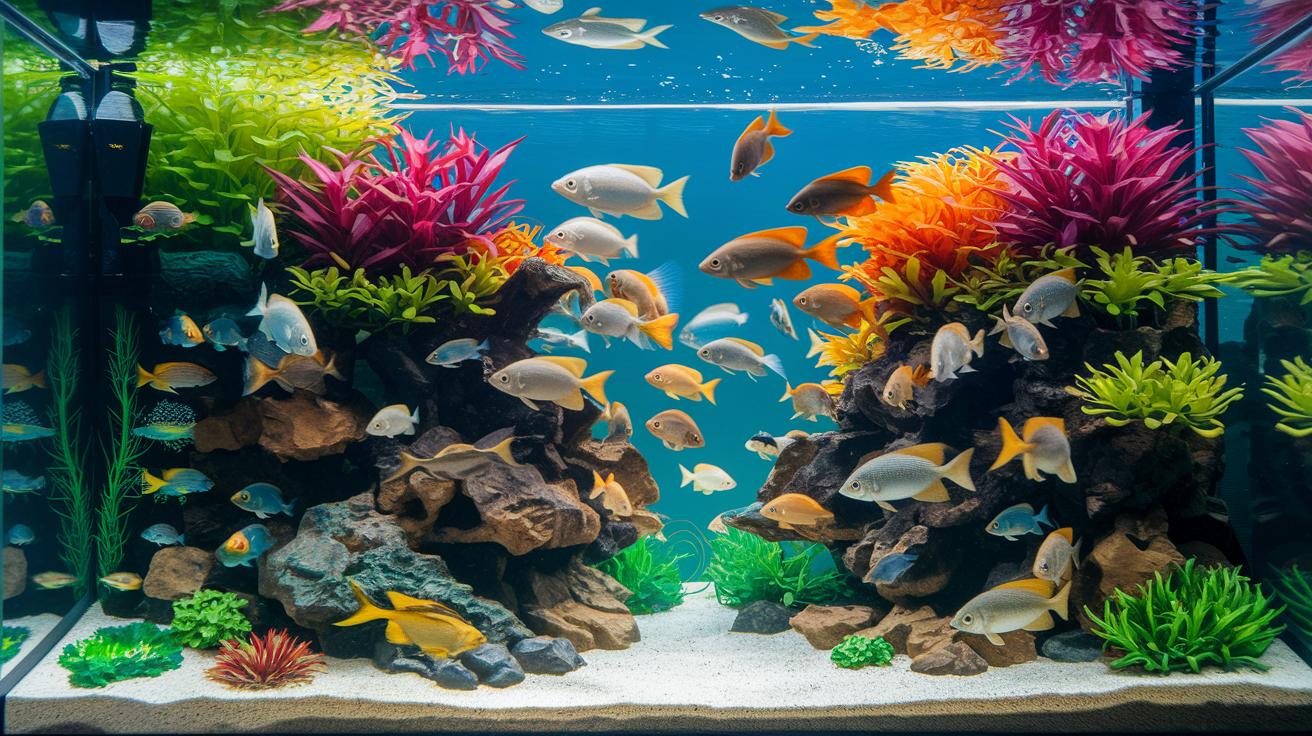
In your aquarium, water hardness acts like a natural source of essential nutrients. With hardness levels between 50 and 150 ppm, the water supplies important minerals such as calcium and magnesium. These minerals help keep fish strong and support their cells, much like adding a gentle pinch of nature’s seasoning that keeps every fish happily gliding through the water.
Dissolved oxygen plays an equally important role. When oxygen levels are above 5 mg/L, fish get the energy they need to thrive. Think of it as a refreshing breeze that helps enzymes in the fish work efficiently, breaking down food so they can use every bit of their feed. Adding a diffuser, powerhead, or simply stirring the water a little more is like opening a window for a burst of fresh air in a stuffy room.
Bringing together the right minerals and enough oxygen creates a balanced and vibrant aquarium. Remineralization products or a small dose of salts replace key ions lost during water changes, and when paired with proper oxygenation, they form a care package that boosts digestion and growth. The result is a lively, well-nourished environment where your fish can flourish.
Temperature Control Protocols Affecting Digestive Efficiency and Nutrient Uptake
Tropical fish do best in water that’s between 76 and 82 °F (24–28 °C). In these cozy conditions, their helpful digestive enzymes work like little kitchen helpers, breaking down food so that every bit of nutrition is absorbed. When the water gets too chilly, these enzymes slow down, and fish lose their appetite, meaning they miss out on vital nutrients. On the other hand, if the water gets too warm, fish use up more energy, which makes them need even more food to keep up.
To help your fish digest properly during those temperature swings, try adjusting how much and how often you feed them. You can also look into adding probiotics or immunostimulants, things that give your fish a little extra boost, just like a balanced fish diet for optimal health explains. Keeping the water just right not only makes sure the enzymes do their job but also helps your fish use their energy wisely. This steady care leads to better nutrient uptake and less stress on your aquatic buddies, helping your tank to be a calm and thriving underwater world every day.
Routine Monitoring and Maintenance Techniques for Optimal Nutritional Water Quality
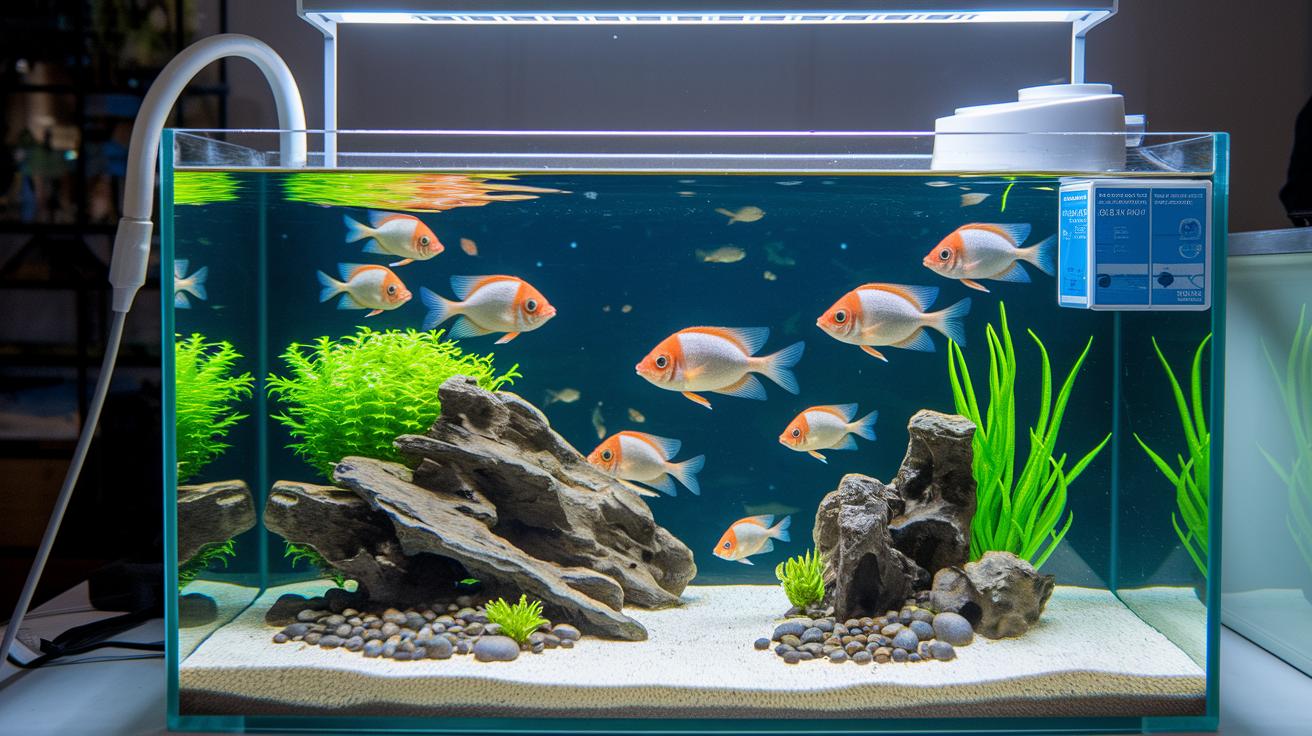
Testing your aquarium water is like giving your underwater friends a health check. You can use benchtop meters, portable testers, or master kits to measure things like pH, ammonia, nitrite, nitrate, and hardness. This regular routine helps you spot any changes quickly, almost like glancing at your fish’s snack dish to make sure everything is just right. With the right tools in hand, you can keep your tank's water clear and inviting.
Keeping your filters and tank clean is equally important for a balanced, nutrient-rich environment. Rinse your sponges every week to get rid of dirt and debris, and swap out carbon or biomedia each month so your filter keeps working well. A well-maintained filter quietly supports the good bacteria that break down nutrients, ensuring your fish always have a perfect place to play and grow.
When you notice chemical levels starting to spike, doing a partial water change can be a lifesaver. Changing out 20–30% of your water helps bring back lost trace elements and naturally reduces harmful toxins. Paired with routine testing and regular cleaning, these simple water changes work together to keep your tank healthy and your fish thriving.
Final Words
In the action, the article explored water quality’s key role in aquatic pet care. We talked about balancing pH to support nutrient uptake, keeping nitrogen compounds in check, and maintaining proper hardness and oxygen levels for fish metabolism. We also looked at how temperature affects digestion and how regular testing and cleaning keep your tank thriving. Every tip works together to build a healthy underwater habitat and boost fish well-being by showing how water quality impacts aquarium fish nutrition. Enjoy a vibrant tank that feels as calm and inviting as a quiet stream.
FAQ
How does water quality impact aquarium fish nutrition?
The question about water quality shows that balanced water parameters boost oxygen levels and proper digestion. This, in turn, enhances nutrient uptake and overall fish health.
What do freshwater aquarium water parameters charts typically indicate?
The inquiry into water parameters charts reveals they list optimal levels for temperature, pH, ammonia, nitrite, nitrate, and hardness. These values help maintain a stable aquatic environment where fish thrive.
What signs indicate poor water quality in an aquarium?
The question on signs of poor water quality highlights that cloudy water, stressed fish, unexpected algae growth, and abnormal fish behavior can signal imbalanced water chemistry affecting health.
What are the preferred water parameters for tropical fish and freshwater aquariums?
The inquiry into tropical and freshwater levels suggests maintaining temperatures between 76–82°F with a pH near 6.8–7.0, low ammonia and nitrite, plus nitrates below 40 ppm to support fish nutrition.
How should water be prepared for a fish tank?
The question on water preparation explains that treating tap water with dechlorinators, then checking its pH and temperature to match fish needs, creates a healthier aquatic setting that supports proper nutrition.
How can one quickly reduce ammonia in a fish tank?
The inquiry into reducing ammonia quickly means using short partial water changes, improving filtration, and applying water conditioners. This approach minimizes toxicity and protects fish respiration.
How does water quality affect fish health and nutrition?
The question regarding water quality’s effect points out that balanced chemical and physical parameters directly support respiration, digestion, and immune function, ensuring proper nutrient uptake and healthy fish.
Does water quality influence the taste of fish?
The inquiry about fish taste implies that good water quality leads to healthier, well-nourished fish. This results in better texture and flavor, reflecting the overall benefits of maintaining balanced water conditions.