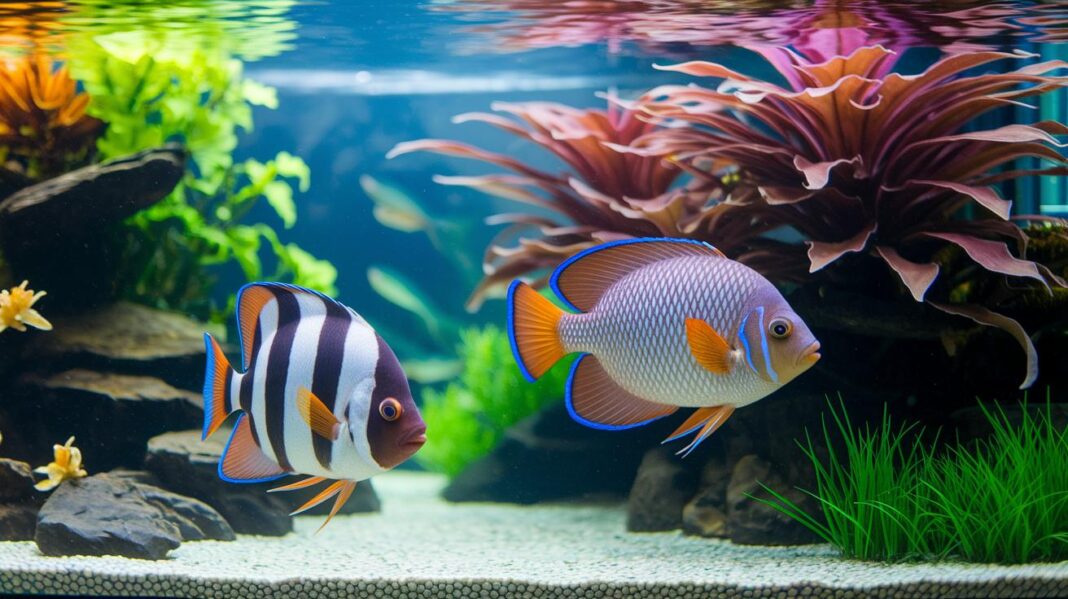

Have you ever wondered if your fish could get even healthier with a tastier food mix? A blend of quality flakes, protein treats, and plant-based feeds might be just what they need to shine brighter and swim with extra energy.
Many fellow fish lovers miss how a well-planned feeding schedule can help your fish remain active and true to their natural behavior. I once noticed that a balanced menu not only brings out the best in my own fish but also keeps their movements lively, like a gentle ripple on a quiet pond.
In this guide, we share a simple eating plan that could help your tropical fish become stronger and more vibrant every day. Imagine your aquarium coming to life with colors that sparkle and energy that flows like a fresh mountain stream. This plan might be the key to unlocking a more colorful, spirited tank.
Comprehensive Dietary Blueprint for Healthy Tropical Aquarium Fish
Start with a strong foundation for your fish by choosing a good mix of staple foods. Think high-quality flakes or pellets, like TetraMin Tropical Flakes, which give your fish proteins, vitamins, and minerals they need every day. Then, add some protein treats such as frozen bloodworms or brine shrimp two to three times a week. And don’t forget plant-based foods like spirulina flakes and algae wafers a couple of times weekly for a bit of fiber and a balanced diet. Every now and then, maybe once a week, sprinkle in an occasional treat, like live foods or special color boosters, to keep things interesting. For more tips, check out advice on creating a "balanced fish diet for optimal health."
Setting up a feeding schedule is key. Feed your fish small amounts two to three times a day to mimic their natural feeding habits. Add protein boosts twice a week to help with growth and recovery, and serve plant-based feeds on alternate days for that extra nutritional variety. A weekly treat not only spices up mealtime but also helps prevent boredom. During feeding time, take a moment to watch how your fish eat to make sure everyone gets enough and there aren’t leftovers that could cloud their water.
Follow this simple plan and you’ll notice your fish becoming more energetic, their colors brightening up like the playful shimmer of sunlight on the water, and their overall health getting a boost. These nutritional steps set the stage for a lively tank where every fish grows strong, active, and happy.
Key Feed Types for Tropical Fish Dietary Success
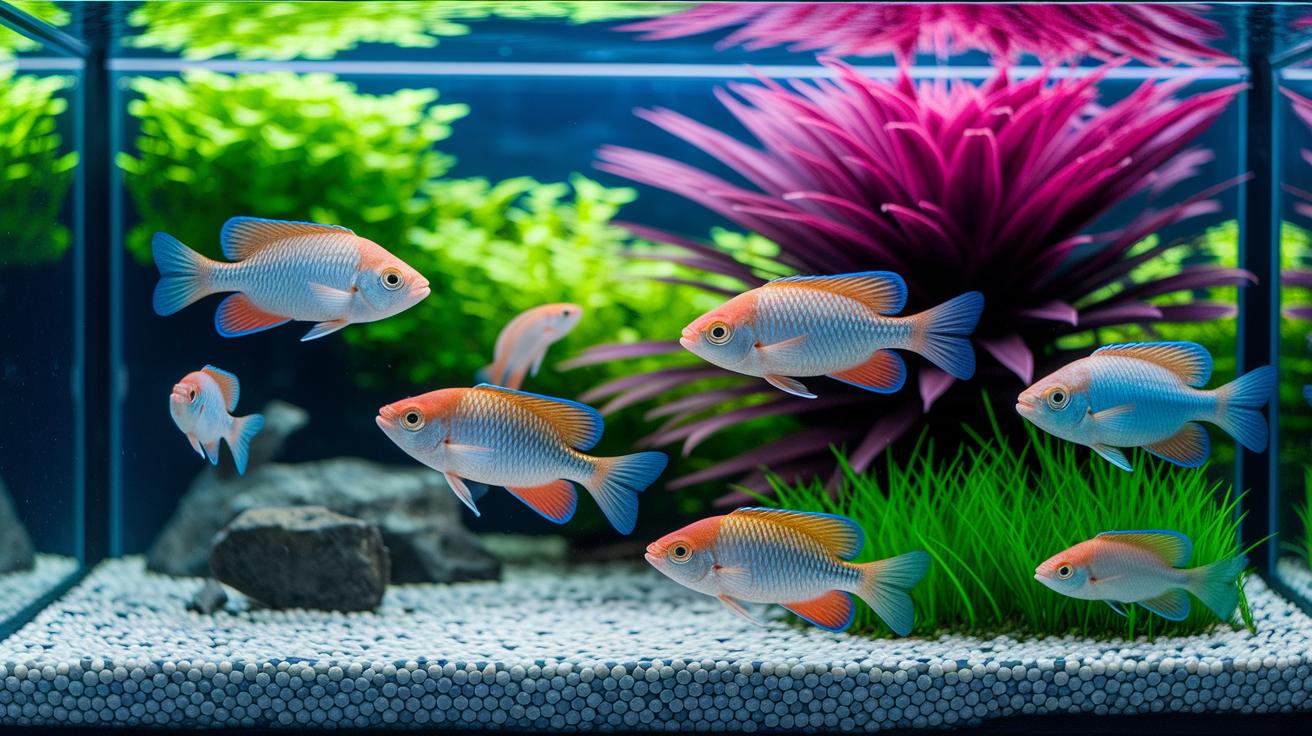
Choosing the right feed is like planning a perfect meal for your fish. Flakes are great for top swimmers, almost like a light, crunchy breakfast nibble. Pellets, on the other hand, work best for fish that lean towards the bottom of the tank. Every so often, treat your finned friends with freeze-dried goodies like bloodworms or even frozen meals for a protein boost. And then there are live foods, such as baby brine shrimp, that remind your fish of their natural hunt.
| Feed Type | Protein (%) | Vitamin Content | Recommended Frequency |
|---|---|---|---|
| Flakes | 35–45% | Moderate | Daily |
| Pellets | 40–50% | Good | Daily |
| Freeze-dried | 50–60% | High | 2–3x per week |
| Frozen | 45–55% | Preserved | 2–3x per week |
| Live Foods | Varies | Natural | Weekly |
Mixing these types throughout the week helps ensure your fish get a balanced diet that keeps them thriving. Pellets feed those who explore the middle and bottom of the tank, while flakes are perfect for top swimmers. Think of it as blending a nutrient cocktail that satisfies every unique appetite in your aquatic world.
Personalized Feeding Schedule and Portion Control
When planning your feeding routine, tune in to what each fish seems to need. Instead of sticking with a strict schedule, notice how their behavior and the tank's mood change, like the gentle ripple of water on smooth stones. Research hints that feeding in small, frequent portions helps keep your fish happy and your water clean. And if the water warms up or your tank feels extra lively, it might be time to adjust a bit.
- Feed small portions two to three times a day while keeping an eye on whether your fish seem eager or satisfied.
- Serve protein-rich food twice a week when your fish are especially active.
- Offer plant-based meals twice a week to add variety, much like a colorful reef full of surprises.
- Give a special treat or color booster once a week to keep their meals fun.
- Change the amount you serve if you notice fish zipping around enthusiastically or if they seem to hesitate at feeding time, these are clues about their appetite.
- Check the water clarity and ammonia levels regularly; shifts here might mean your fish's metabolism is adapting or they might be getting extra food.
Keep a friendly watch during feeding times. When you see fish acting unusually energetic or not quite interested, a small tweak might be all it takes. Over time, these little adjustments, along with careful attention to water quality and metabolism, lead to a balanced routine that feels just right for your underwater friends.
Essential Nutrient Requirements for Vibrant Tropical Aquarium Fish
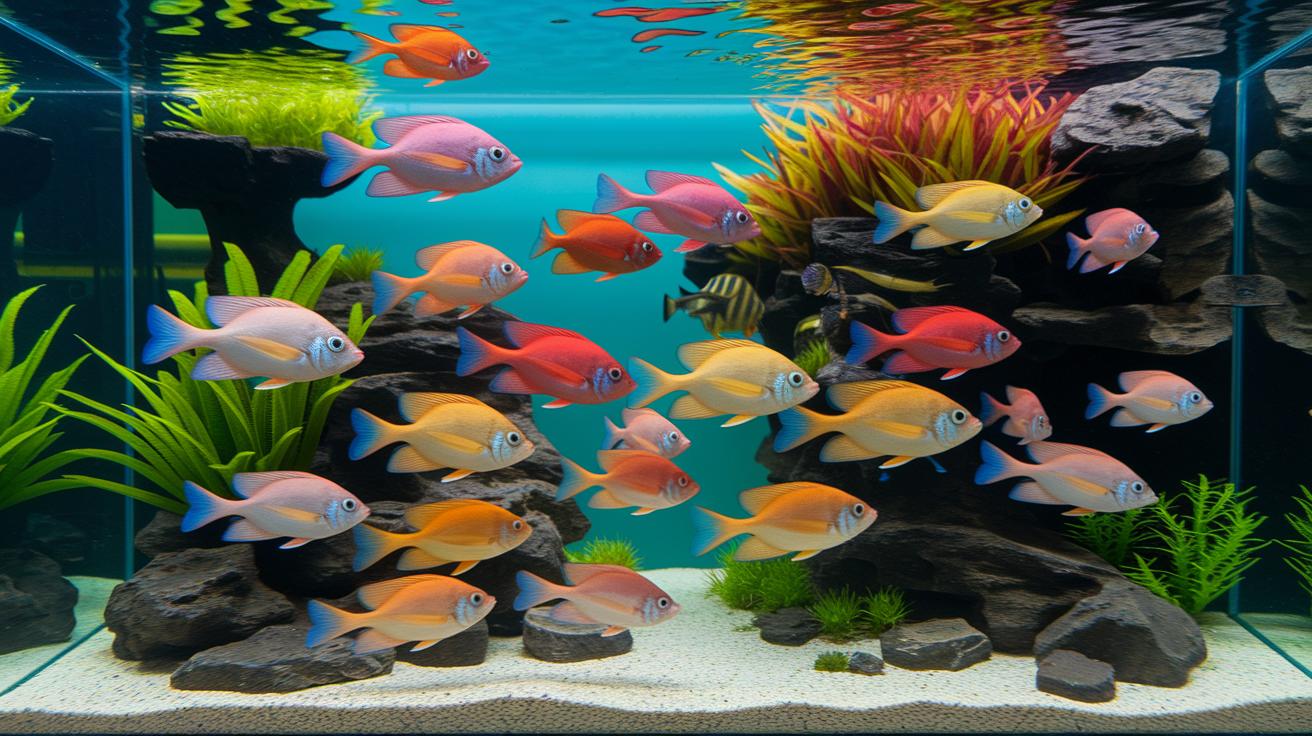
Fish get their energy and strength from three main nutrients. Proteins, which make up about 30–50% of their food, help build strong muscles and support growth. Lipids, or fats, contribute 5–10% and give them the energy they need while keeping their cells healthy. Carbs, at 10–20%, power their daily activities, much like fuel keeps a boat sailing smoothly. Think of these nutrients as the lively current that makes every graceful fin movement possible.
Vitamins are like little rays of sunshine for your fish. Vitamin C helps boost their natural defenses, while B vitamins and vitamin E keep their metabolism humming along nicely. It’s similar to adding a splash of brightness to their scales, making them more vibrant and spunky. Ever notice how a bright day makes you feel on top of the world?
Minerals and essential fatty acids are key to building a strong frame and enhancing those natural colors. Calcium and phosphorus help form robust bones and scales, much like the sturdy framework of a hidden underwater garden. Omega-3 fatty acids not only keep fish in top shape but also sharpen their natural colors, making each one look extra radiant.
Finally, additives like probiotics act as gentle caretakers in your tank. These friendly bacteria take care of their digestive system, ensuring everything runs in balance. It’s like inviting trusted helpers to maintain the peaceful harmony in your underwater world.
Species-Specific Feeding Guidelines for Freshwater Tropical Companions
-
For tetras, a few tasty micro-flakes given two or three times a day keep them zipping about cheerfully. These tiny treats help their scales shine like the gentle sparkles on a sunny water surface.
-
Guppies do well with a mix of algae wafers and daphnia served twice daily. This blend gives them the quick energy of a playful current and makes their colors pop, just like light dancing over the water.
-
Gouramis enjoy pellets paired with a few live bloodworms about two or three times each week. The steady nutrition from pellets, along with the occasional fun treat of bloodworms, helps them grow strong and keeps their scales glowing naturally.
-
For corydoras, the bottom feeders, sinking granules combined with blackworms one or two times a day work perfectly. This feeding plan mimics their natural hunt on the pond floor, keeping them active and full of energy.
-
When it comes to fry, start with a gentle feeding of infusoria in the first week. By the second week, they move on to microworms, easing their little tummies into a healthy eating routine. For more info, check out the types of freshwater fish.
Water Quality and Environmental Factors Impacting Nutrition
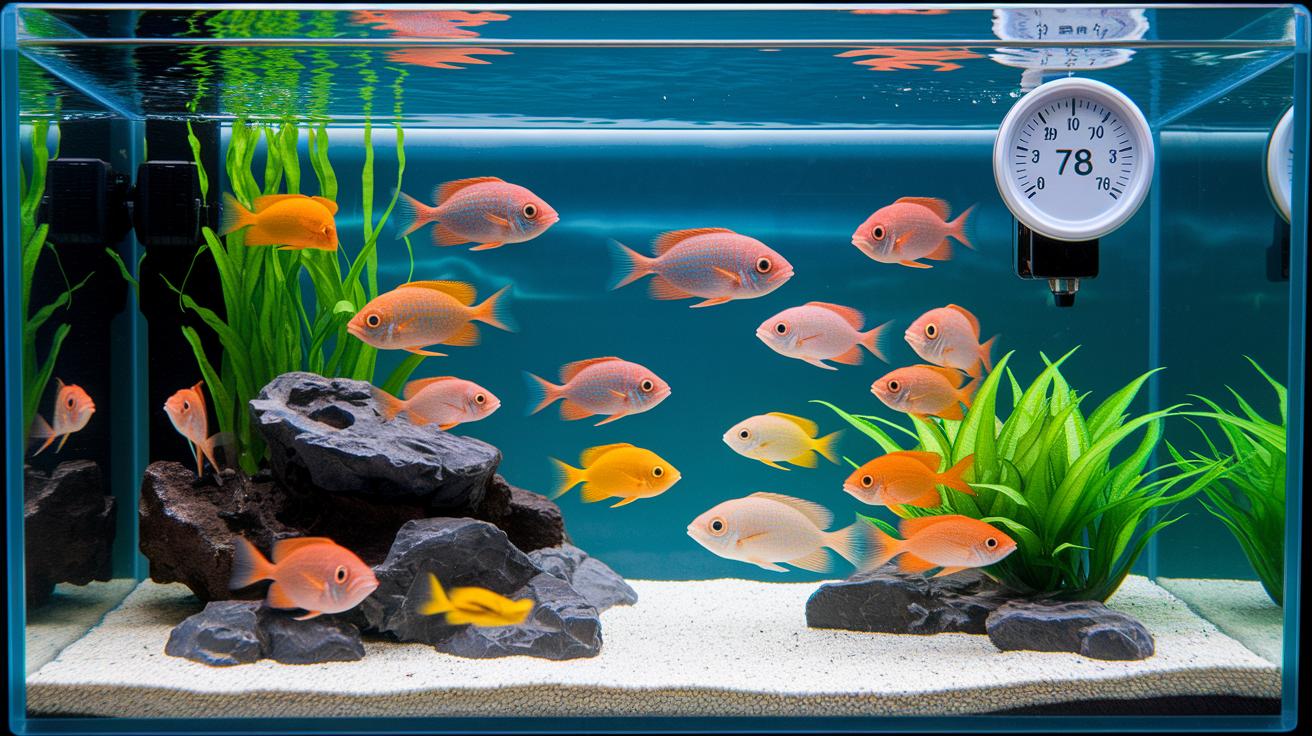
The temperature of your tank plays a huge role in how well your fish digest their food. When your water stays around 75-80°F, it’s like giving your fish a cozy place where their bodies can work perfectly, almost like a smooth-running engine. On the flip side, a colder tank can slow down their digestion and make them less excited to eat.
Keeping your tank water clean is just as important as maintaining the right temperature. A good filter works like a gentle current, sweeping away extra food and waste so that harmful substances like ammonia and nitrites don’t build up. And when the water holds more than 6 mg/L of dissolved oxygen, it’s like a fresh breeze helping your fish breathe easily and digest their food properly.
It’s also smart to keep an eye on your water’s chemistry. If you find that ammonia or nitrite levels are creeping too high, you might want to cut back on feeding. Regular checks to keep the pH between 6.8 and 7.5 can do wonders for your fish’s health. Small tweaks based on these observations can make a big difference, keeping your little aquatic friends happy and thriving.
Final Words
In the action, the guide took you through essential feed types, precise feeding schedules, balanced nutrient needs, and species-specific advice for tropical fish. We broke things down step by step, covering everything from proteins to plant-based treats and even how water quality plays its part.
Following a solid dietary plan for healthy tropical aquarium fish creates a beautiful, thriving underwater world that brings calm and wonder with every ripple. Enjoy watching your aquatic companions flourish every day!