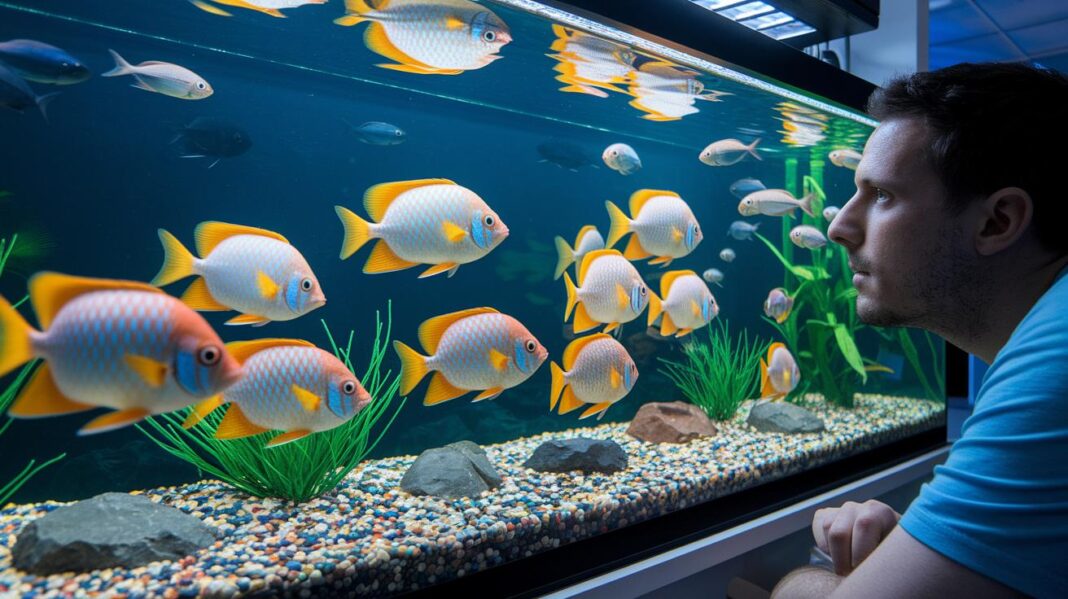

Have you ever wondered if a small slip in your feeding routine could be upsetting the calm in your aquarium? Even the most experienced fish lovers sometimes see cloudy water and stressed fish because just a few extra minutes on the food timer lets leftovers start to decay.
Think of it like disturbing the gentle ripple of a quiet pond. A tiny change in how long you feed or how much you offer can bring back clear water and joyful fish, much like restoring the balance in a serene underwater garden.
In this post, I share some common mistakes many of us make and offer easy, friendly tips to fine-tune your feeding routine. Ever notice how a small tweak can brighten up your whole tank? Let’s dive into making your aquarium a happier, healthier home for your finned friends.
Recognizing and Addressing Common Feeding Mistakes in Aquarium Fish
Sometimes a small mistake in feeding can change your tank from a calm underwater haven into a challenging experiment for water quality and fish health. Many fish lovers tend to follow package directions that say the food should vanish in just 2–5 minutes. When food lingers, it starts to rot and throws off the tank’s natural balance, turning the water cloudy and stressing the fish.
It isn’t just about giving too much food; timing and knowing each fish’s needs matter too. Some fish enjoy nibbling on treats that float at the top, while others patiently wait near the bottom for food that sinks. By watching your fish closely, you can see if they’re truly hungry or simply following their natural instincts. I once noticed that even a small tweak in the amount of food made the water clearer and my fish more energetic.
- Overfeeding beyond what they can eat
- Skipped or inconsistent meal times
- Ignoring the different feeding zones for each species
- Using pellets that are too large or the wrong type
- Not offering a variety of foods
- Relying too much on the packaging instructions
Taking a little extra time to observe your fish during feeding can help you fine-tune portions and schedules. This way, you enjoy a vibrant aquarium with clean water and happy, healthy fish.
Consequences of Overfeeding: Maintaining Water Quality and Fish Health
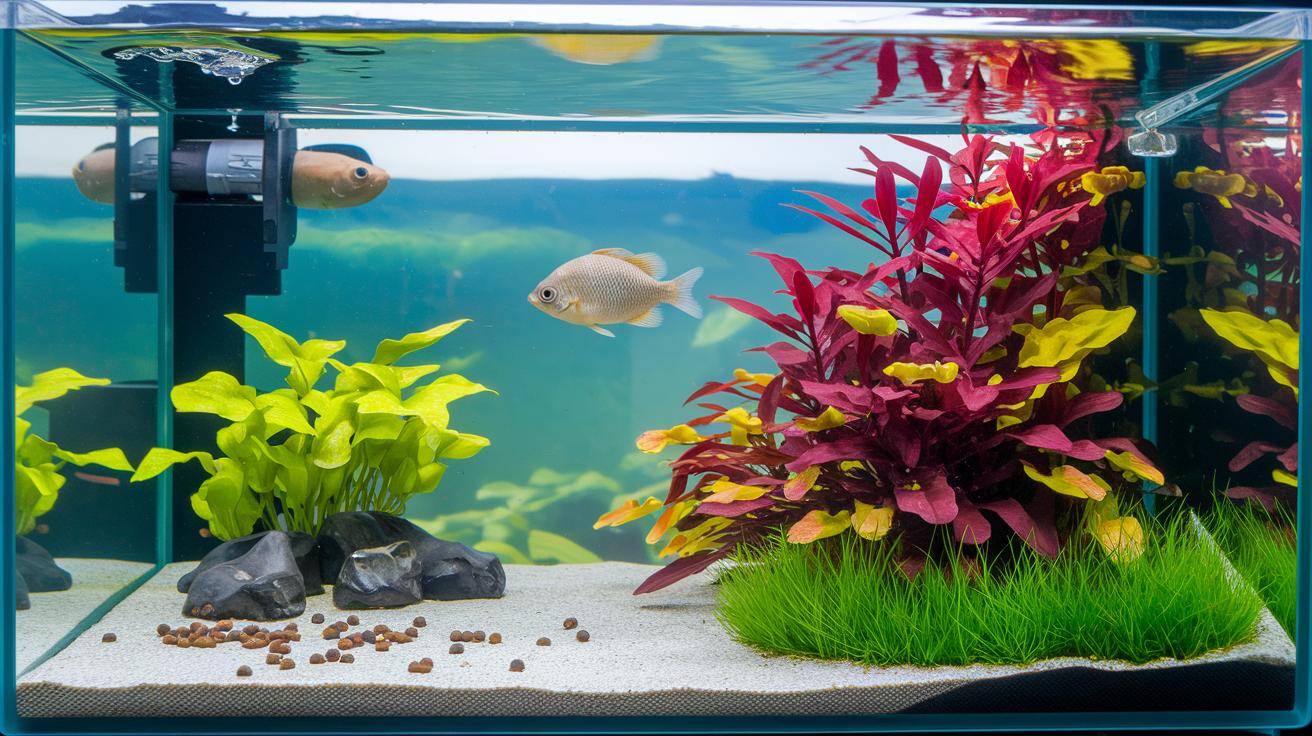
Too much food in your tank starts to rot quickly. Leftover flakes and pellets sink to the bottom where they break apart and release chemicals that upset the water.
As the food decays, it releases ammonia and nitrite, substances that can make your fish very sick. This extra toxin levels stress the fish, leaving them more likely to catch infections or develop other health troubles. When overfeeding goes on for too long, your tank becomes a risky place where water quality takes a dive.
Not only does the decaying food change the water’s chemistry, but it also sparks unwanted algae growth and attracts little pests that love to feast on leftovers. These changes set off a cycle that makes your tank murkier and the environment tougher on your fish.
Risks of Underfeeding and Nutritional Deficiencies in Aquarium Fish
Not giving your fish enough food can really slow their growth and make them more likely to get sick. When they don’t eat as much as they need, their bodies don’t develop fully and their natural defenses become weak. This means they might struggle to fight off illnesses. Skipping on important nutrients like proteins and vitamins can also make their colors fade and lower their energy. Experts who know a lot about fish care have spent years learning exactly what each type of fish needs. In short, underfeeding can leave your fish less lively and more prone to common health issues.
Keeping an eye on your fish’s behavior is key. If you notice that their colors seem washed out, they aren’t interested in food, or they swim slowly, it might be a sign that they’re missing out on essential nutrients. Adding a bit of freeze-dried food or special formulas can quickly boost what they’re missing. It also helps to stick to feeding guidelines tailored to each fish type. Making small adjustments in what and when you feed your fish can make all the difference in creating a happy, healthy aquarium community.
Importance of Consistent Feeding Schedules to Support Fish Wellbeing
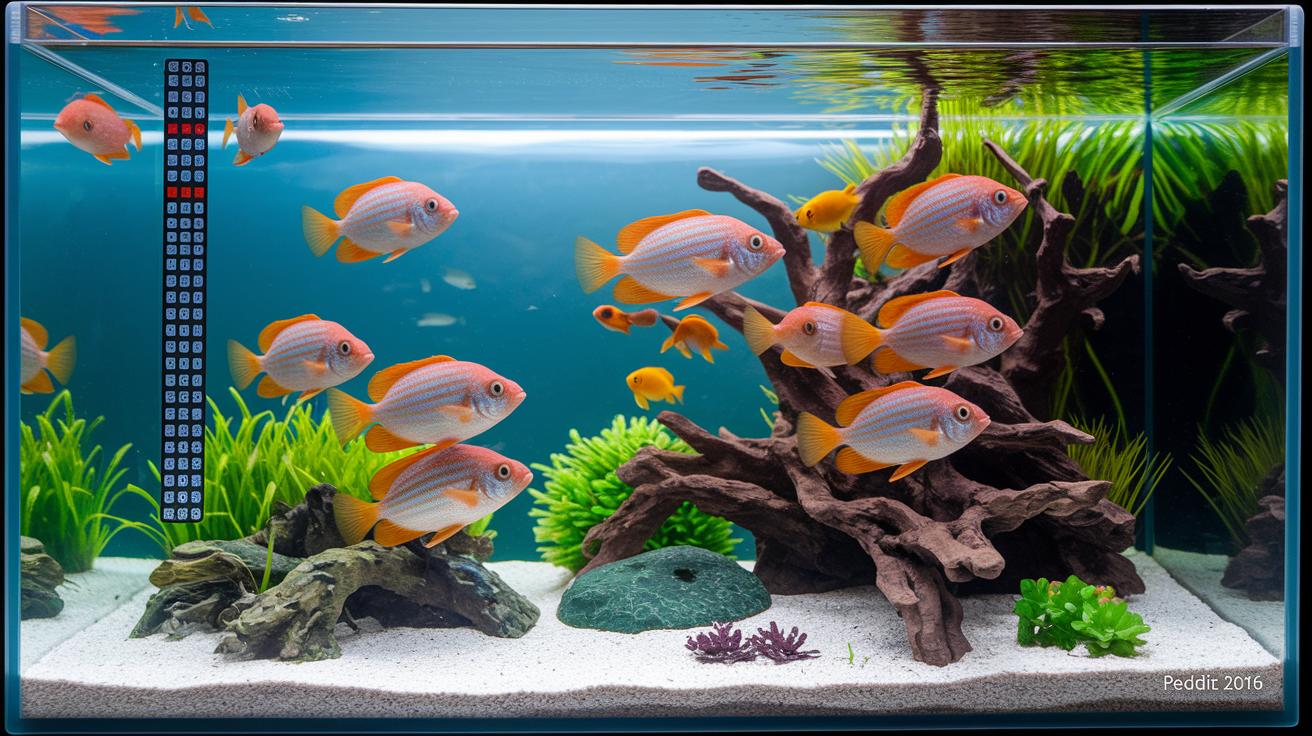
When fish get fed at random times, it can make them feel nervous and even spark some unneeded fighting. You might notice a fish chasing food even when it isn’t hungry, which puts extra pressure on its little body and stirs up a bit of chaos in your tank.
Creating a regular feeding routine can really help your fish feel at home. Try feeding them at the same time each day or every other day, like clockwork. This steady schedule does wonders by keeping leftover food to a minimum and letting you quickly spot if something feels off with their behavior.
Imagine it as checking in with a good friend; your fish come to expect that gentle call for food, and they relax into it. The calm rhythm helps maintain clear water and keeps your vibrant aquatic world balanced, making sure each finned friend stays happy and healthy.
Portion Control and Dietary Variety: Calculating Rations and Diversifying Nutrition
When you feed your fish, start by measuring out their food so they can finish in about 2–3 minutes. A small kitchen scale that shows grams works great to make sure no extra food sticks around and affects your tank's water.
Mixing different kinds of food can be a real treat for your fish. Top, middle, and bottom dwellers all enjoy different things, some love sinking pellets while others prefer light flakes floating on the water. It’s like giving them a little buffet that suits their taste.
Keep a simple log of each feeding to see how much they eat and how quickly they finish up. Write down the amount you used and the time it took, and soon you’ll notice patterns. For example, I once tried 0.5g of food with my guppies and watched the water stay clear all day.
Getting the portions just right and offering a varied diet not only fits your fish’s natural ways of eating but also helps keep your aquarium water clean.
Final Words
In the action, this post unraveled key feeding missteps that can upset water quality and fish health. We talked about overfeeding, underfeeding, and inconsistent schedules while breaking down the need for thoughtful portion control and adding variety.
These insights remind us to keep an eye on every detail and adjust feeding habits as needed to support a lively underwater world. By avoiding common mistakes in aquarium fish feeding habits, you’re set to create a serene, balanced haven for your aquatic pals.
FAQ
What are the basic rules for feeding your fish?
The basic rules for feeding your fish involve serving the right portions that they can eat within a few minutes, keeping feeding times regular, and matching food types to their needs.
How do you know if you’re feeding your fish too much?
The signal that you’re feeding your fish too much is when excess food begins to decay and affects water quality. Watch for uneaten feed and adjust portions if you notice cloudy water.
What is the recommended feeding schedule for fish in an aquarium?
The recommended feeding schedule for aquarium fish often means feeding them once daily or every other day. This steady timetable helps reduce stress and keeps their eating habits predictable.
Why is my fish not taking feed?
The reason your fish might not be taking feed could be due to environmental stress, poor water quality, or an inconsistent feeding routine. Check the tank conditions and try smaller, more frequent offerings to see improvement.