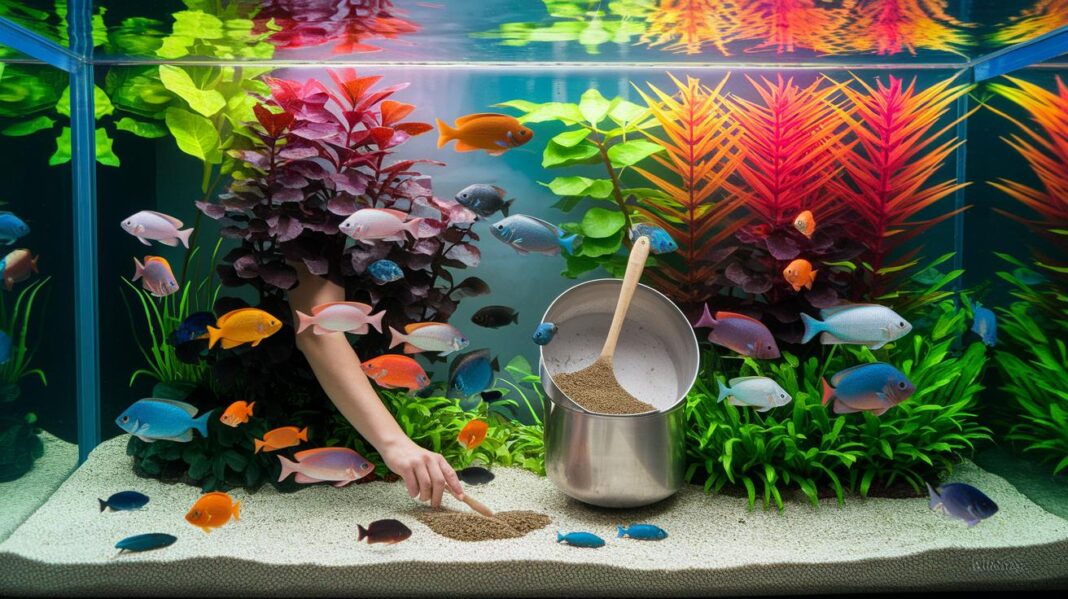

Have you ever thought that giving all your fish the same meal might hide their natural sparkle? When each fish eats the food that suits its nature, they shine like sunbeams dancing on clear water. Some fish enjoy nibbling on floating flakes at the surface, while others feel right at home with sinking pellets near the bottom.
In this post, we're diving into custom diets that match each species' needs. Soon, you'll see your aquatic pals flash their bright colors and playful energy. Get ready to watch your tank turn into a lively underwater haven where every fish truly thrives.
Customizing Diets: Species-Specific Feeding Guide for Aquarium Fish
When you feed your fish diets that match their natural habits, they really light up. It’s like giving them a little taste of the wild! Each fish gets the specific nutrition it needs, helping them show off their brilliant colors and active energy. Think about fish that naturally hunt for tiny insects on the water’s surface, floating food can be just what they need to flourish.
Another neat trick is to match the food type with where your fish like to eat. Surface feeders enjoy floating flakes loaded with proteins, vitamins, and minerals, while midwater and bottom dwellers do best with sinking pellets that suit their natural foraging style. This way, your tank feels more like a miniature ocean, with fish swimming at different levels and enjoying meals that truly fit their needs.
Don’t forget about how often you feed them, either. Small or young fish might need two or three meals a day to keep up with their fast growth, while adult fish are happiest with one or two meals. In a community tank, you might find yourself giving the little fry extra snacks compared to the bigger, more established fish. Watching their behavior and how much food is left over helps you fine-tune the feeding routine for each species.
Customizing Diets for Herbivorous, Omnivorous, and Carnivorous Aquarium Fish
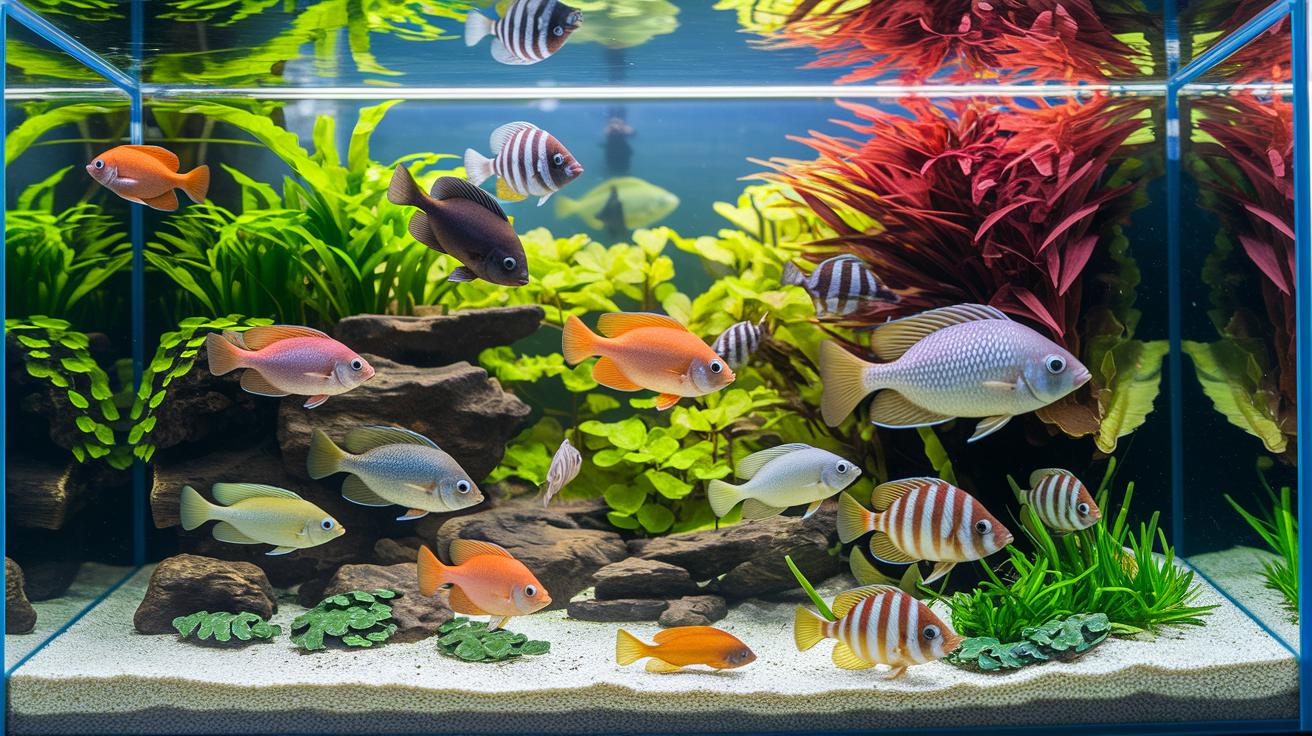
Every fish has its own way of eating, just like we all do. Herbivores, for example, do best with plant-based foods. They love munching on algae wafers and a bit of lightly steamed vegetables, which help keep them happy with the right fiber and vitamin C, much like enjoying a fresh salad on a sunny day.
Omnivorous fish enjoy a mix of treats. They benefit from a combination of pellets, freeze-dried goodies, and some fresh produce. This variety gives them the balanced nutrition they need to grow and show off their vibrant colors. And then there are carnivores. These fish need lots of protein, think of foods like bloodworms and mysis shrimp. These high-protein meals keep them energetic and feed their natural hunting instinct without causing extra health worries.
| Fish Type | Recommended Food | Key Nutrient Focus | Feeding Frequency |
|---|---|---|---|
| Herbivore | Algae wafers, lightly steamed veggies | Fiber, vitamin C | Daily |
| Omnivore | Pellets, freeze-dried mixes, fresh produce | Proteins & plant nutrients | 1-2 times daily |
| Carnivore | Bloodworms, mysis shrimp, high-protein pellets | High protein, balanced fats | Once daily |
Keeping the right mix of proteins and fats is like finding the perfect balance in an aquarium, it keeps your fish looking bright and feeling strong. It all comes down to picking foods that are suited to each fish's natural diet. Herbivores lean towards plants, while omnivores and carnivores need that extra protein boost and energy to fuel their busy swim routines.
I often check to see how my fish respond to their meals, and it helps me adjust their menu a bit here and there, ensuring they enjoy a steady, balanced diet that keeps them active and satisfied.
Customizing Diets for Freshwater vs Saltwater Aquarium Fish
Freshwater fish need a diet that's as refreshing as a cool dip in a clear pond. They thrive on vitamin-rich pellets packed with calcium and essential vitamins, which help keep them strong and healthy. Even the water’s hardness plays a part, affecting how well these important nutrients are absorbed. On the other hand, saltwater fish often flourish on marine flakes or frozen plankton. The natural salt in their habitat provides trace elements that help balance their minerals. In short, the unique mix of chemicals in freshwater versus saltwater means each type of fish gets a special meal plan.
The way fish eat is closely tied to the tank’s environment. In freshwater tanks, for example, mineral levels can change how quickly food turns into energy. And in saltwater setups, that natural salinity can actually help boost digestion of marine diets. Even small shifts in temperature or pH can make a big difference in how effectively fish use their food. Understanding these details helps aquarists fine-tune their feeding strategies.
| Freshwater Focus | Saltwater Focus |
|---|---|
| High in calcium and vitamins | Rich in marine trace elements |
| Designed for hard water systems | Suited for naturally salty environments |
| Metabolism affected by mineral levels | Enhanced digestion due to salinity |
| Impacts from pH variations | Formulated to match saltwater needs |
It’s a bit like preparing a special meal, each tank needs the right ingredients to keep its inhabitants happy. Ever notice how a perfect recipe makes a meal feel extra satisfying? That’s the idea with tailoring diets for your fish.
Customizing Diets: Choosing Between Dry, Frozen, Freeze-Dried, and Live Feeds
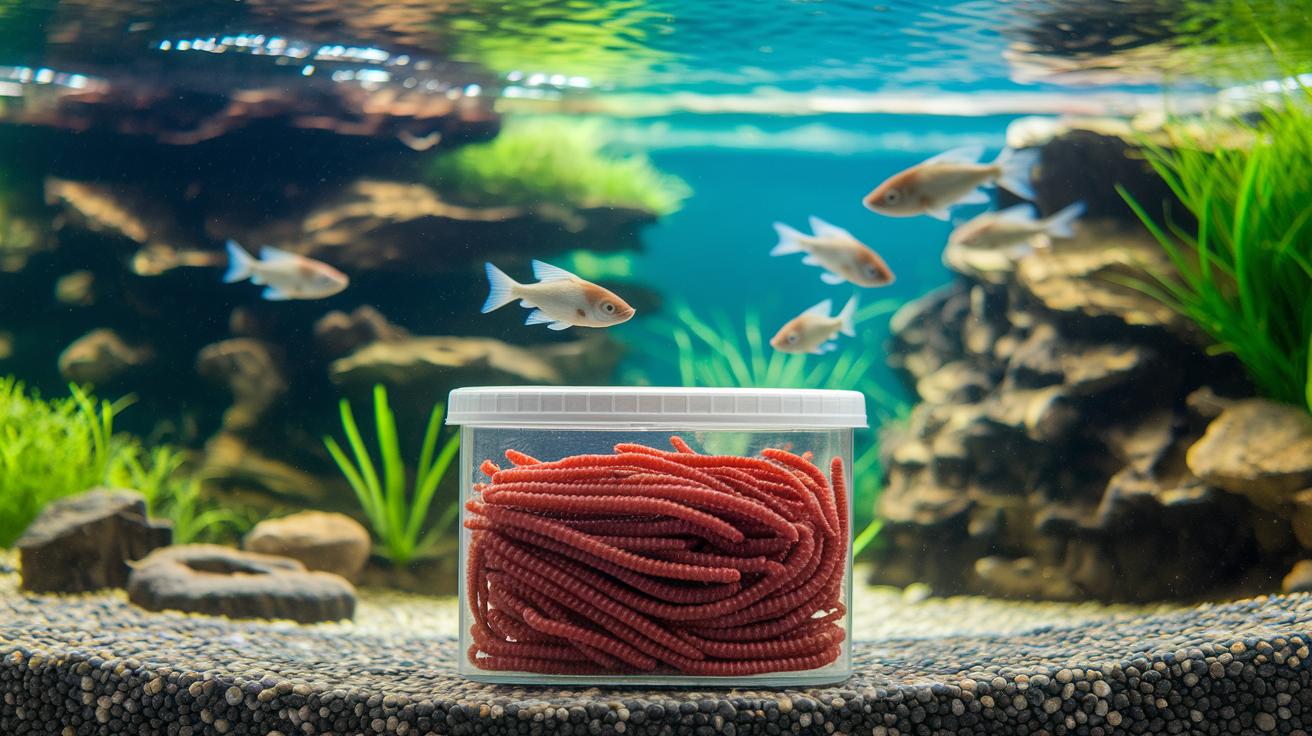
Freeze-dried foods like bloodworms, brine shrimp, and daphnia are a quick and protein-rich treat for your fish. They’re really easy to keep in your tank area and add a fun twist to your fish’s meals, even if they feel a bit dry. For example, freeze-dried bloodworms act like a little snack that boosts your fish’s energy without adding extra water.
Frozen treats such as krill, mysis shrimp, and plankton bring a natural touch to feeding time. These options still hold onto their natural enzymes, little helpers that aid in digestion, so your fish can eat in a way that feels more natural. They do require some freezer space and a bit of planning, so it helps to organize ahead when adding these frosty goodies.
Live feeds, like worms, insect larvae, or shrimp, let your fish tap into their wild side by triggering natural hunting instincts. This method keeps your fish active and interested while providing top nutrition. Just keep in mind that using live food comes with a small risk of introducing parasites if the source isn’t reliable.
Traditional dry foods such as flakes and pellets remain a trusty go-to for many aquariums. Whether they float on top or sink to the bottom, these feeds are created to match where your fish naturally like to eat. They’re easy to store and form a dependable base for a balanced diet that every aquatic friend deserves.
Customizing Diets: Feeding Schedules and Portion Control for Aquarium Fish
When you care for young or tiny fish, it helps to feed them small amounts many times a day. Two or three meals daily is usually just right for their fast growth and busy energy. Adult fish tend to enjoy one or two meals at the right times. Breaking up their food like this is a bit like how nature intended and helps your fish soak up all the good nutrients. I remember when I started giving my little neon tetras several small meals in a day, they became brighter and more playful after each bite.
Getting the portion sizes right is really important. A tiny spoon or a feeder that measures, can make sure every fish gets the proper amount. Start with a small pinch of food and then adjust a little, depending on how many fish you have and their size. This trick not only keeps waste to a minimum but also helps keep your water clean. It’s a bit like perfecting your favorite recipe; even a small change in ingredients can make your fish feel much healthier over time.
It is smart to regularly check how your fish are doing. Watch for any extra bits of food or if your fish seem a little slow after eating. If you ever notice leftover food or if they seem less lively, it might mean that you need to cut back on the portions or change the feeding times. By paying attention to how your aquatic friends react and how much food is left over, you can adjust the schedule to help keep the tank calm and your fish happy.
Customizing Diets: Troubleshooting and Adjustments for Fish Health
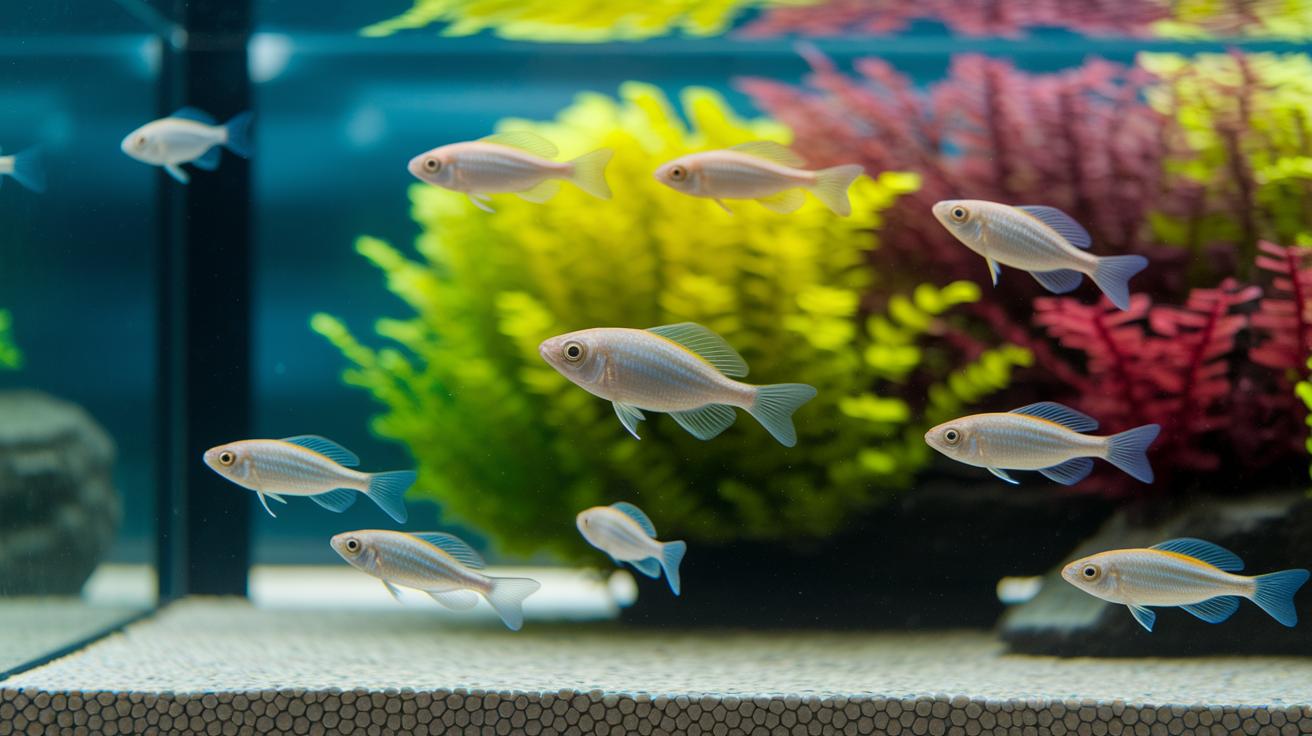
When you notice your fish looking a bit off, with bloating, faded colors, slow or odd movements, or clear signs of stress, it might be a sign that their diet needs a bit of tweaking. Overfeeding can leave them bloated, and low-quality food might not give them the good nutrients they need. If you see changes in how they grow or behave, it could mean their current meals aren’t matching up with what nature intended. For example, if your fish seem less lively or their bright colors start to dull, they might be having trouble processing their food or getting too much of something they don’t really need.
Adjusting their diet can bring things back into balance. Start by thinking about adding a bit more fiber if it seems like they’re having digestion troubles, kind of like adding extra veggies to your own meal when you’re feeling off. You might also consider probiotics or prebiotics, which are like little helpers supporting the natural bacteria in their gut to improve nutrient absorption. Keep a keen eye on how they grow, behave, and how the water feels and looks. Regular checks are key to knowing whether these changes are working or if you need to fine-tune things even more for each little swimmer.
Final Words
In the action of feeding our aquatic pals, we explored how matching each fish’s meal with its natural habits helps keep them vibrant and active. We broke down the best methods for aligning feed types to surface, midwater, and bottom zones while adjusting portions for different life stages. We also covered the ways to keep your tank tidy and your fish happy. With careful planning and a bit of creativity, customizing diets for different aquarium fish species sets the stage for a thriving, colorful underwater home.
FAQ
How does species-specific feeding support aquarium fish health?
The approach of matching diets to each species encourages natural feeding behaviors, promotes vibrant coloration, and improves overall well-being by mimicking the fish’s natural diet in their wild habitat.
How do feed types correspond to different feeding zones in an aquarium?
The feed types are chosen based on whether fish feed at the surface, midwater, or bottom, replicating natural behaviors and ensuring that each species receives food in the area they naturally forage.
What are the main differences in dietary requirements for freshwater versus saltwater fish?
Freshwater fish need feeds rich in calcium and plant nutrients to suit hard water systems, while saltwater fish thrive on marine-based feeds that provide essential trace minerals from saline conditions.
How do various feed formats influence the nutritional intake of aquarium fish?
Choosing between freeze-dried, frozen, live, and staple dry feeds matters because each format offers unique benefits like protein variety or moisture content, helping to match the natural diet preferences of different species.
What should be considered when setting up feeding schedules and portion sizes for aquarium fish?
The feeding schedule depends on the fish’s life stage, with juveniles needing more frequent feedings and adults fewer; precise portion control avoids waste and maintains water quality by reducing nitrate spikes.
How can diet adjustments help remedy common aquarium fish health issues?
Tweaking the diet—such as adding fiber or suitable probiotics—can ease issues like bloating or digestive discomfort, while regular monitoring ensures that changes lead to better fish behavior and vibrant health.