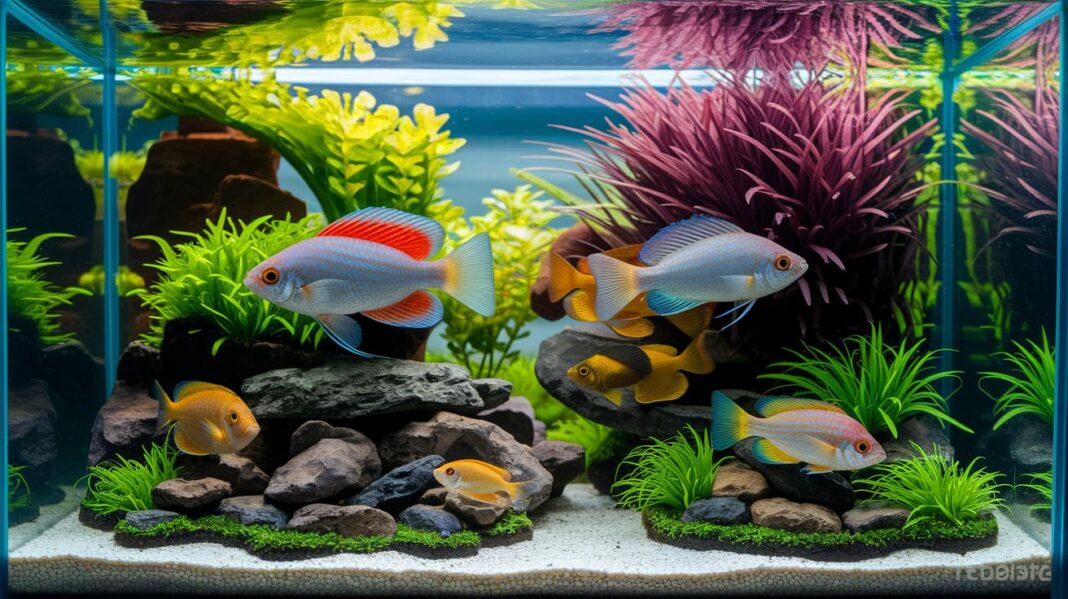

Ever wonder if your fish could live a longer, happier life with a better diet? Freshwater fish need a special mix of proteins, fats, and vitamins, like a recipe that brings out their best, keeping them strong and clear of sickness.
In this friendly chat, I'll share how a smart meal plan does more than fill their bellies. It gives them the energy to swim joyfully, helps fix little problems, and even boosts their natural defenses. Ever notice how a gentle ripple in a peaceful pond can make everything seem brighter? Stick around to see how feeding smartly can light up your underwater world.
Key Nutritional Requirements for Freshwater Aquarium Fish
Taking care of your fish starts with a balanced diet. When your freshwater fish get the right mix of nutrients, they can repair their bodies, fight infections, and keep all their systems running smoothly. A healthy meal plan not only keeps them active but also helps prevent stress and common sicknesses. Fun fact: a proper diet boosts a fish's immune system much like the natural variety they experience in the wild, creating a lively, thriving home.
Macronutrients are like the building blocks of your fish’s meals. Protein should make up about 30–50% of their diet and works to repair tissues and encourage growth. Lipids, which include fats, should be 5–10% to keep energy levels high and support cell structure. And carbs, even though they aren’t as crucial as proteins or fats, give a quick energy boost, kind of like fueling a tiny engine where protein builds strength, fats store lasting energy, and carbs keep everything humming along.
Micronutrients, though needed in smaller amounts, are just as important. Vitamins like A help with clear vision, C speeds up healing, and D aids in calcium absorption, which is key for strong bones and a healthy immune system. Minerals such as calcium and phosphorus work alongside these vitamins to support strong bones and proper cell function. Including these elements ensures your fish have a stable, healthy inner world, letting them thrive and brighten up your aquarium every day.
Comparing Quality Aquatic Feed Options for Freshwater Fish
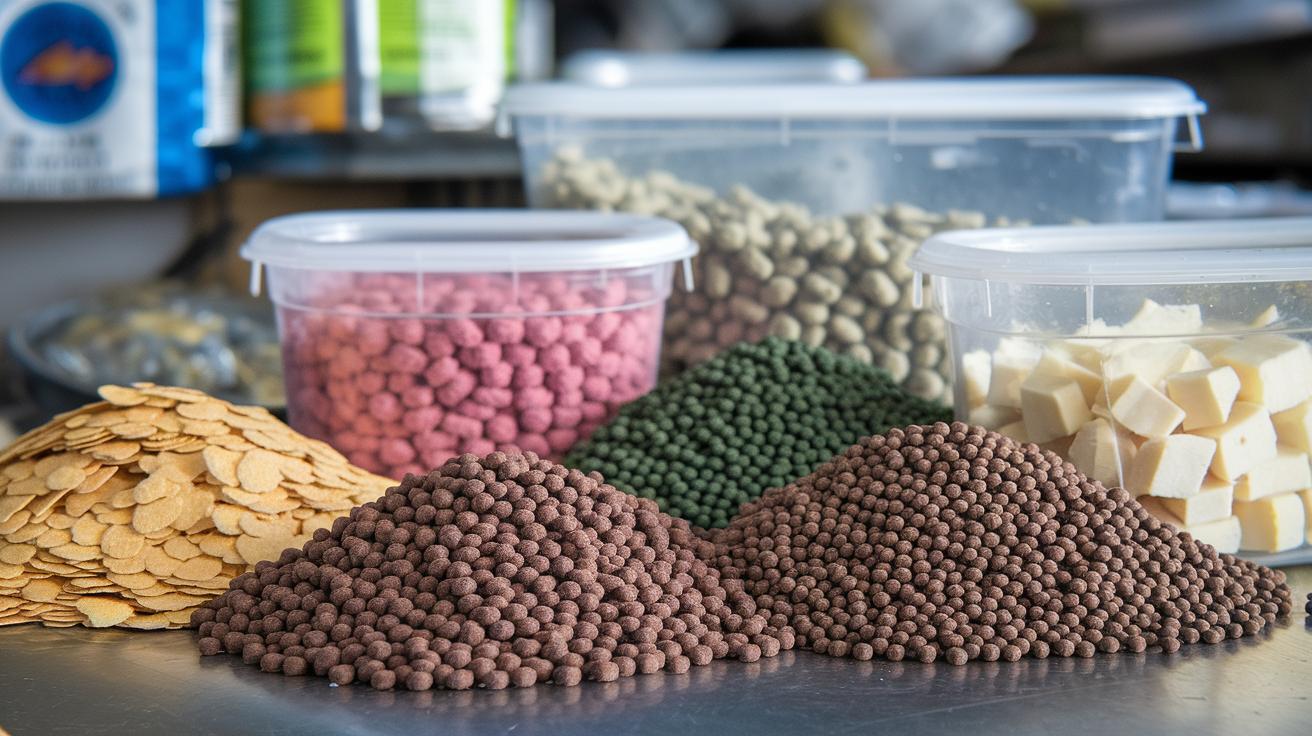
When planning meals for your aquarium, you'll usually come across four types of feed: flakes, floating pellets, sinking pellets, and live or frozen options. Flakes and floating pellets are favorites for many fish because they spread easily in the water and feel a lot like the natural treats found at the surface. Sinking pellets, on the other hand, are just right for bottom feeders like plecos and loaches since they gently drop to the floor where these fish like to search for food. Live and frozen foods bring a little extra protein and variety to your fish’s diet, much like what they might nibble on in the wild. Each type has its own size, shape, and floating quality, so knowing which one suits your fish best can make a big difference.
| Feed Type | Key Benefits | Possible Downsides |
|---|---|---|
| Flake Foods | Easy to use and widely available | Might float too long, which can affect nutrient delivery |
| Floating Pellets | Great for surface feeders; simple to monitor eating habits | Not ideal for fish that feed at the bottom |
| Sinking Pellets | Works well for bottom dwellers | Can break apart fast if not made properly |
| Live & Frozen Options | Adds protein variety and mimics a natural diet | Often more expensive and needs careful storage |
When picking the right feed, think about where your fish like to eat and what nutrients they need. Surface feeders do best with foods that drift on top, while bottom feeders will love sinking pellets. Mixing these different types can help keep your aquatic friends healthy, lively, and full of energy.
Proper Feeding Frequency and Portion Control for Freshwater Fish Diets
Feeding your fish on a set schedule is like creating a soothing current in your tank. It keeps the water clear, helps ease stress, and allows your fish plenty of time to digest their meals. For more ideas on building a steady routine, check out the Balanced Fish Diet for Optimal Health.
Here are some friendly tips to guide you:
| Step | Tip |
|---|---|
| 1 | Measure portions using a 2–5 minute rule |
| 2 | Stick to feeding once or twice a day |
| 3 | Adjust the amount based on the size of your fish |
| 4 | Remove any leftover food after 5 minutes |
| 5 | Keep a steady light schedule in your tank |
| 6 | Switch up the type of feed for a balanced diet |
| 7 | Watch your fish for signs they’re getting the nutrition they need |
By keeping a consistent eating routine, you help your fish thrive in a clean tank and avoid issues like ammonia spikes or algae blooms. Plus, watching them enjoy their meals reminds you of the simple beauty in caring for aquatic life.
Species-Specific Diet Plans for Freshwater Aquarium Fish
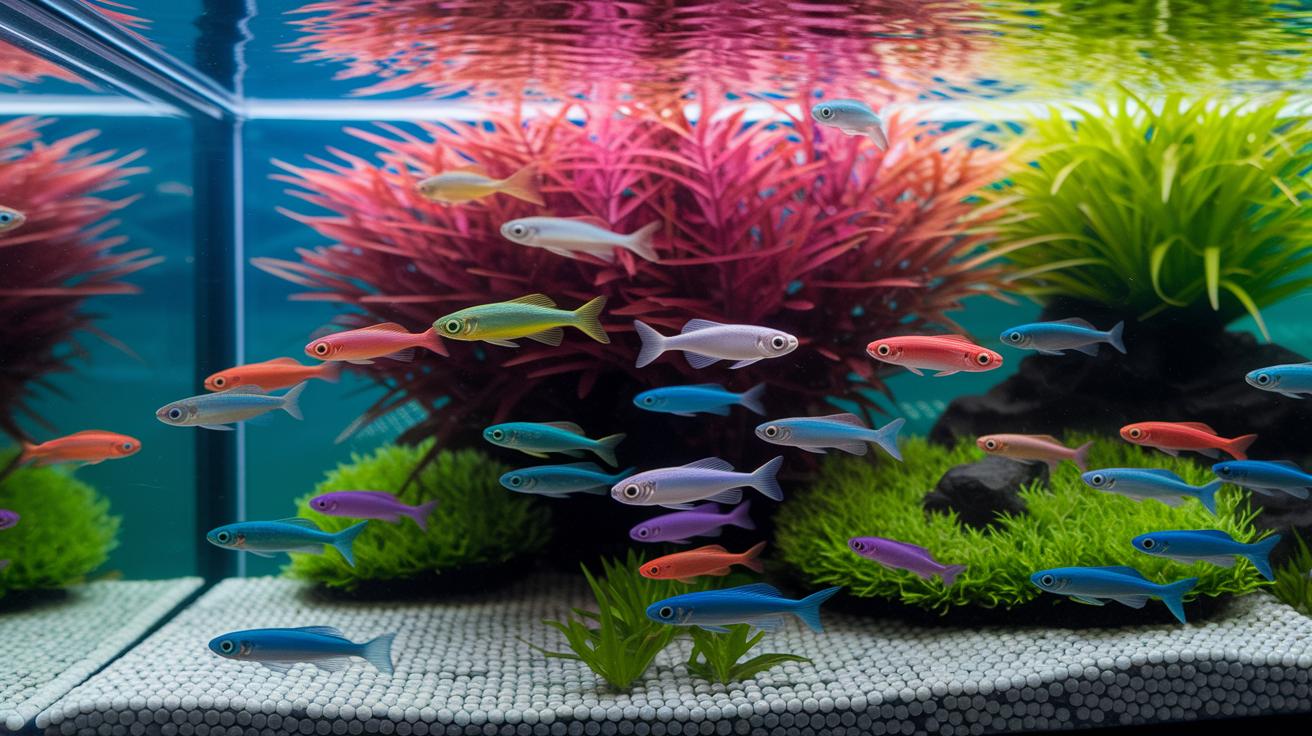
Different fish species have their own special food needs that help them thrive. When you choose meals that match their natural habits, you'll see them grow stronger and feel less stressed. For instance, tetras, cichlids, and catfish all do best when fed diets made just for them. Want more news on feeding styles? Check out Types of Freshwater Fish.
Tetra Nutritional Plan
Tetras are lively little omnivores that love a mix of both plant and animal foods. A tiny pellet that blends the best of both worlds closely mirrors what they’d eat in nature. Feeding them 2–3 times a day keeps their energy high and their colors bright. It’s fun to watch them snap up every little bite, helping them grow fast and stay vibrant.
Cichlid Protein Needs
Cichlids have hearty appetites that call for meals rich in protein. They really benefit from pellets packed with 40–50% protein content. Try tossing in a bit of steamed zucchini or spinach once a week to add extra nutrients and fiber. This routine helps build their muscles and keeps their immune systems strong while they explore their tank.
Catfish & Bottom Dwellers
Catfish and other bottom dwellers, like loaches, prefer foods that sink down to where they like to forage. Sinking wafers, detritus granules, and even the occasional algae wafer are just right for them. These foods deliver nutrition right to the substrate, encouraging their natural feeding habits and reducing leftover food floating near the top.
Tailoring the diet to fit each fish’s habits and size is key. By adjusting food types and portions based on their swimming and growth, you'll keep your tank balanced and your aquatic friends happy and healthy.
Supplementation Strategies and Homemade Food Recipes for Freshwater Fish Nutrition
Adding natural extras to your fish’s daily menu helps them feel better overall. Just like a hearty breakfast fuels your day, these fresh, homemade add-ins provide vitamins and enzymes that boost digestion. Sometimes, mixing in a live treat or a frozen option can give your fish that extra burst of nutrients.
If you’re up for a little DIY fun, try creating a simple vegetable mash. Finely chop fresh spinach and peas, then give them a quick steam to keep their natural goodness intact. Think of it as crafting a gentle mix that drifts through your tank, a tasty green treat that nurtures your fish’s tummy.
Need a protein boost? Mix a small amount of cooked rice with a lightly scrambled egg. This delightful rice-egg combo offers a protein punch that fills those extra appetite gaps. A spoonful of spirulina paste adds another layer of nutrition, offering an algae twist that many fish naturally love.
For an easy upgrade to everyday feed, stir in some commercial probiotic or enzyme powder with your regular pellets. These powders help the good bacteria in your fish’s gut, making it easier for them to absorb nutrients. In no time, this simple step turns basic feed into a multi-nutrient meal that keeps your tank lively and your fish vibrant.
Water Quality Management to Support Freshwater Fish Nutrition
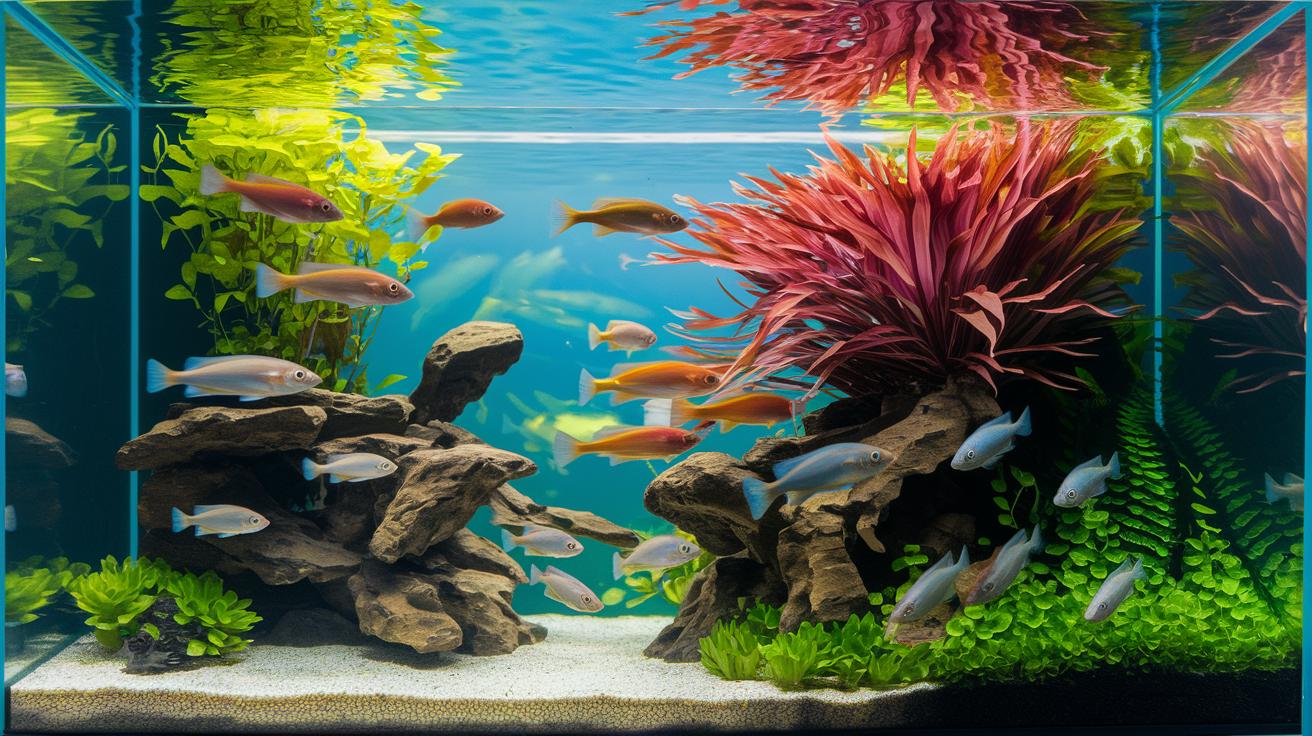
When leftover fish food hangs around in your tank, it starts to break down and lets out ammonia and nitrates into the water. These unwanted chemicals build up slowly, stressing your fish and sparking algae blooms that upset the gentle balance of your aquarium. It kind of cancels out the good results from a nutrient-rich diet and makes the water less cozy for your fish.
Good filters act like diligent guardians of your tank. Whether they're mechanical or biological, they catch food bits and extra waste, keeping the water clear. And if you swap out about 20 to 30% of the water each week, it’s like giving your aquarium a fresh, clean breath. These steps work together to hold the water chemistry steady so that your fish can get the full benefits of their balanced diet.
Live plants are natural helpers in your aquarium. They absorb ammonia and nitrates, lowering the risk of harmful buildup, while releasing oxygen that aids digestion and nutrient uptake. This natural support makes the whole ecosystem healthier and more vibrant for all your finned friends.
Final Words
In the action, you learned how proper feeding and tailored diets keep your aquatic friends thriving. The post touched on balanced aquatic diets, various feed types, portion control, species-specific plans, homemade treats, and water quality management. Each step supports healthy fish growth and vibrant tank life. Remember that understanding the nutritional needs of freshwater aquarium fish is key to a happy underwater world. Let every action in your tank sparkle just like water under sunlight, making every dive into fish care rewarding.
FAQ
Q: What are the nutritional needs of freshwater aquarium fish?
A: The nutritional needs of freshwater aquarium fish include a balanced mix of proteins (30–50%), lipids (5–10%), digestible carbohydrates, vitamins (like A for vision, C for healing, D for calcium uptake) and essential minerals for overall health.
Q: What is aquarium fish food and how do I choose the best option?
A: Aquarium fish food refers to ready-to-use diets like flakes, floating or sinking pellets, and live or frozen foods that match fish species’ feeding zones and dietary profiles, promoting healthy growth and vitality.
Q: How much fish food should I give and how many times should fish be fed?
A: The right amount and frequency for feeding fish are measured by the 2–5 minute rule, suggest feeding once or twice daily while adjusting portions based on fish size, helping to maintain water quality and well-being.
Q: How many flakes should I feed per fish?
A: The proper number of flakes per fish depends on the food brand and fish size; use the feeding time rule to gauge a portion that feeds fish adequately without generating left-over bits in the tank.
Q: How can I calculate the right amount of fish food?
A: A fish food calculator uses factors like fish size, species, and feeding frequency to recommend precise amounts, making it easier to balance nutrition and keep the aquarium water clean.
Q: What are some good options for food for fish at home?
A: Good options include commercial diets like high-quality flakes or pellets and safe homemade recipes such as a vegetable mash or rice-egg mix, all designed to provide a well-rounded diet for your aquatic friends.