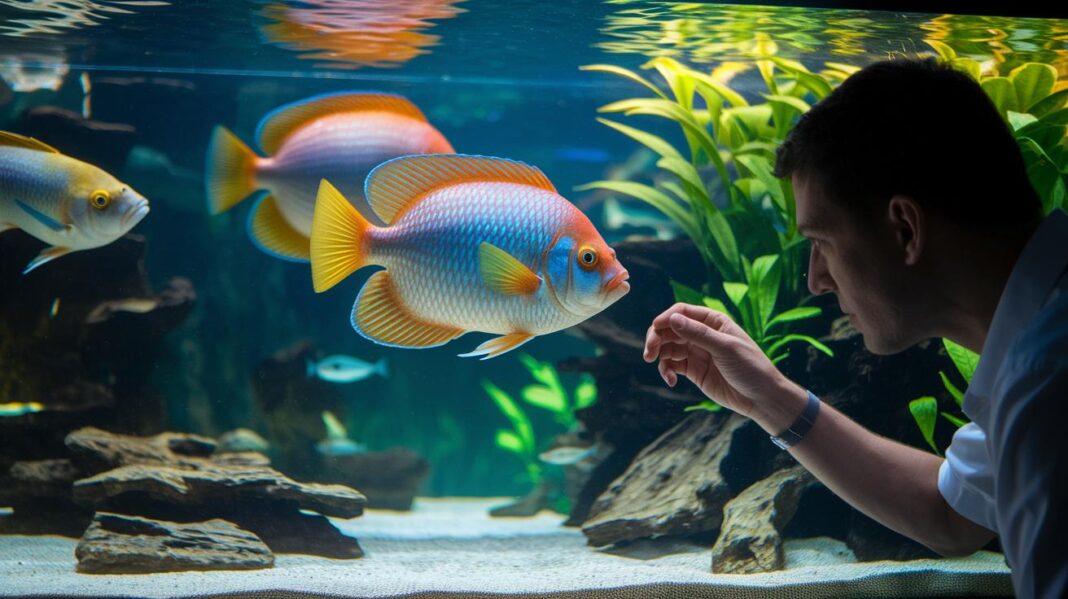

Have you ever stopped to think if your fish are really doing well, or if their diet might need a little tweak? When you peek into your tank, take a moment to look for smooth, strong bodies and fins that catch the light like tiny ribbons in the water. If you notice a fish sporting a puffy belly or a tail that droops sadly, it might be trying to tell you something important about its food. In this guide, we'll share some easy steps to help you check your fish’s condition so you can adjust their meals and keep your underwater world happy and clear.
Assessing Aquarium Fish Body Condition: Core Steps for Proper Nutrition
Feeding your fish a balanced diet means giving them proteins, fats, carbohydrates, vitamins, and minerals, they all help with growth, energy, and healthy defenses. Low-quality food often has extra fillers that force your fish to eat more than they need. This extra nibble turns into waste, which can cloud the water and make your fish feel unwell. Imagine one of your fish with a puffy belly like an over-inflated balloon; that’s a clue it might be getting too many fillers.
When you glance at your tank, take a moment to really look at each fish. Their bodies should flow smoothly, with a rounded belly that balances a sleek tail. Firm muscles and bright colors are like the gentle ripple of water on a peaceful pond, they show that your fish is getting just what it needs. Ever notice how a fish with sparkling fins lights up the tank? That’s the sign you’re on the right track.
Next, watch how your fish eat. A fish that dashes to the food drop tells you it’s enjoying its meal, while hesitation or odd movements might mean it’s stressed or missing key nutrients. Keeping an eye on this every day, maybe even recording a quick clip now and then, can help you spot little changes over time.
Here are a few easy steps for your daily routine:
- Check for firm muscles and a healthy amount of body fat.
- Watch how excited your fish are when food is offered.
- Keep an eye on any shifts in color or fin shape over the days.
By following these simple steps, you connect how your fish feel with the food they eat. Regular monitoring lets you adjust meals on the fly, ensuring your aquarium stays healthy and vibrant, just like a calm stream that flows smoothly all day.
Visual Health Indicators of Fish Body Condition for Nutrition Assessment
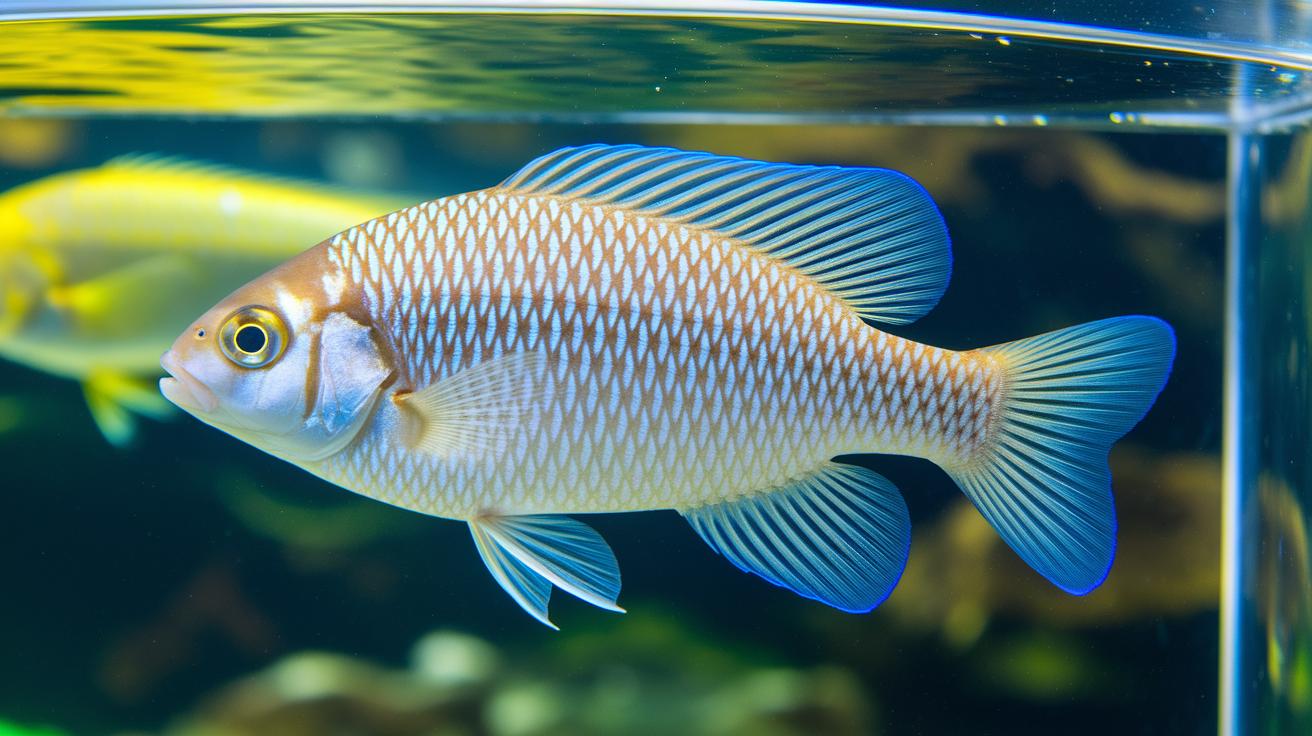
When you check a fish's belly, notice if it has a gentle, rounded shape like a soft ripple on a quiet pond. A smooth, curved belly and clean-looking tail base usually mean the fish has enough stored energy. But if the belly seems sunken or hollow, it might be a sign that the fish isn’t eating enough.
Next, take a look at the fish from above to see its muscle tone. A full and even body suggests that the fish is getting proper nutrition. If the body shows uneven or dipped areas, it might be a quiet hint of underfeeding, kind of like spotting a tiny ripple in otherwise calm water.
Also, pay close attention to the fish’s color and fin condition. Bright, lively colors and neat, well-shaped fins indicate a balanced diet, while dull colors or ragged fins can signal early nutrient shortages or stress.
Here are some basic checks to keep in mind:
- Belly shape and fat reserves (including the tail base)
- Muscle tone viewed from above
- Color brightness and fin shape
It’s a great idea to jot down your observations regularly. Keeping track of these details helps you notice changes over time and fine-tune your feeding routine.
Measuring Condition Index and Morphometric Techniques for Nutrition Evaluation
Start by using Fulton’s condition factor. You know the formula: K = (W / L³) × 100. This neat number gives you a behind-the-scenes look at your fish’s overall body health. It’s a bit like spotting a hidden ripple in the water, you might not see it at first glance, but it tells a story!
When it's time to check up on your fish, grab a soft net to gently scoop them up. This caring touch keeps your fish relaxed. Then, pop them onto a digital scale that reads within ±0.01 g. Next, measure their standard length (that’s the distance from the head to the beginning of the tail) using calipers or a ruler. I like to jot these numbers down every month. By keeping track of weight and length, you can see if your fish is thriving or if something might be off.
Here's a simple checklist to follow:
| Step | Description |
|---|---|
| 1 | Gently capture your fish with a soft net. |
| 2 | Weigh the fish on a digital scale. |
| 3 | Measure the standard length using calipers or a ruler. |
| 4 | Calculate Fulton’s condition factor using K = (W / L³) × 100. |
By following these steps, you'll build up a clear picture of your fish’s health over time. Tracking these values can help you notice trends connected to changes in their diet or other factors. This little habit makes it much easier to fine-tune feed types and portions, keeping your fish happy and healthy, just like a little underwater garden you’ve lovingly tended.
Interpreting Behavioral and Appetite Signals in Fish Nutrition Monitoring
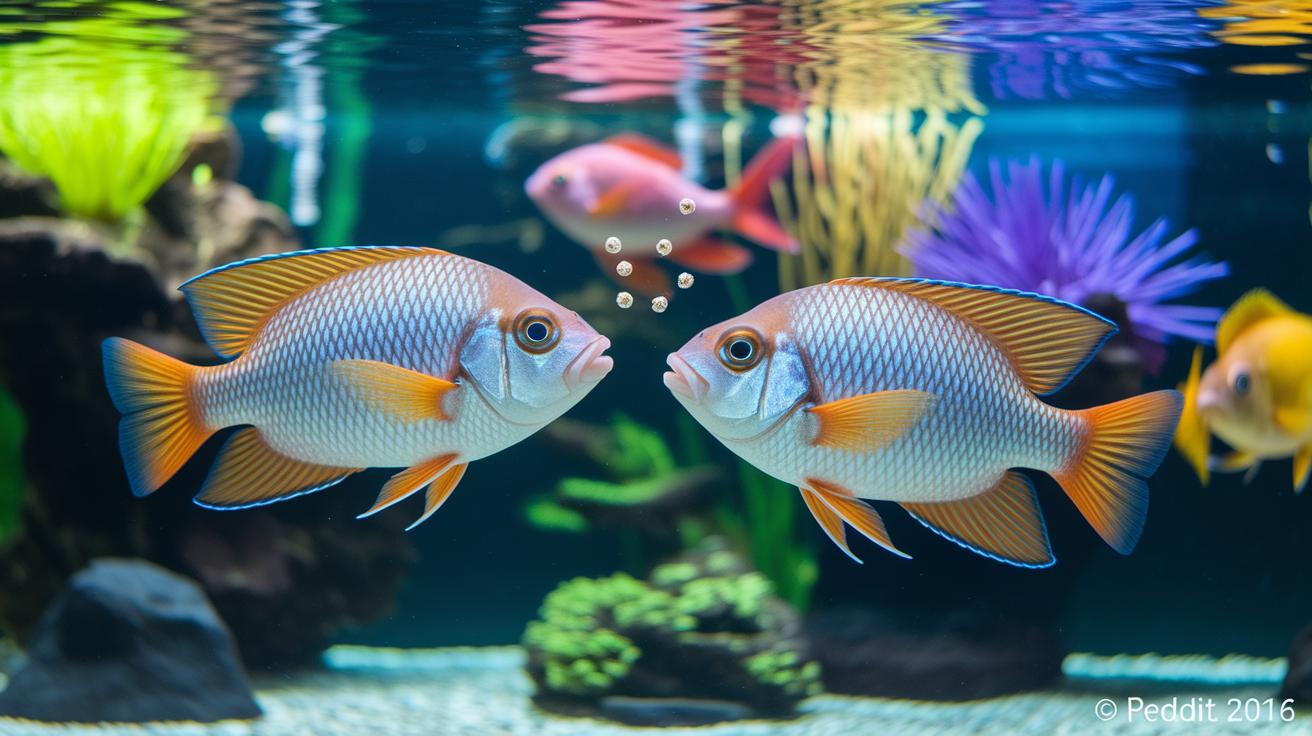
Watching how your fish eat can tell you a lot about their health. When your fish take a moment before diving in or nibble cautiously, it could mean they aren’t getting enough to eat. On the other hand, if they quickly zoom over to the food and eat steadily, that’s a good sign they are well-nourished. For example, if a fish scoops up every little bite without hesitation, it shows a hearty appetite, while a fish that eats slowly or erratically might be missing some key nutrients.
Keeping the water temperature between 75 to 82°F is really important too. Tropical fish in cooler water may digest slowly, which can make them less eager to eat. Also, if you see signs of stress, like fish darting around, hiding behind tank decorations, or seeming unusually tired, it might be a hint to check both their diet and water quality. Noticing these little signals allows you to tweak feeding times or routines quickly so your aquatic buddies stay healthy and active.
Optimizing Aquarium Diets Based on Body Condition Findings
When you notice your fish look skinny or their muscles seem uneven, it might be time to rethink their diet. Try feeding them foods with about 40% protein and 5-10% fat to help them grow strong and keep their energy steady. A mix of pellets, flakes, frozen treats, and even live foods makes sure they get all the good stuff they need. It’s kind of like that fish which started to really shine after switching to a richer diet!
Switching up the type of food every week can help fill in any nutritional gaps. By varying their menu, you’re giving them a natural feeding experience. Even tossing in a little extra like probiotics or immune boosters works like an extra shield, supporting their digestion and overall health during tougher days.
Also, try feeding your fish 2-3 times a day, letting them nibble for about 2-3 minutes each session. Keep an eye on how fast they finish their meals; if they take too long or seem less hungry, it might be time to adjust what you’re giving them. Little tweaks in their diet go a long way in keeping your aquarium vibrant and your fish happy.
Ongoing Health Monitoring Protocols for Sustained Nutritional Balance
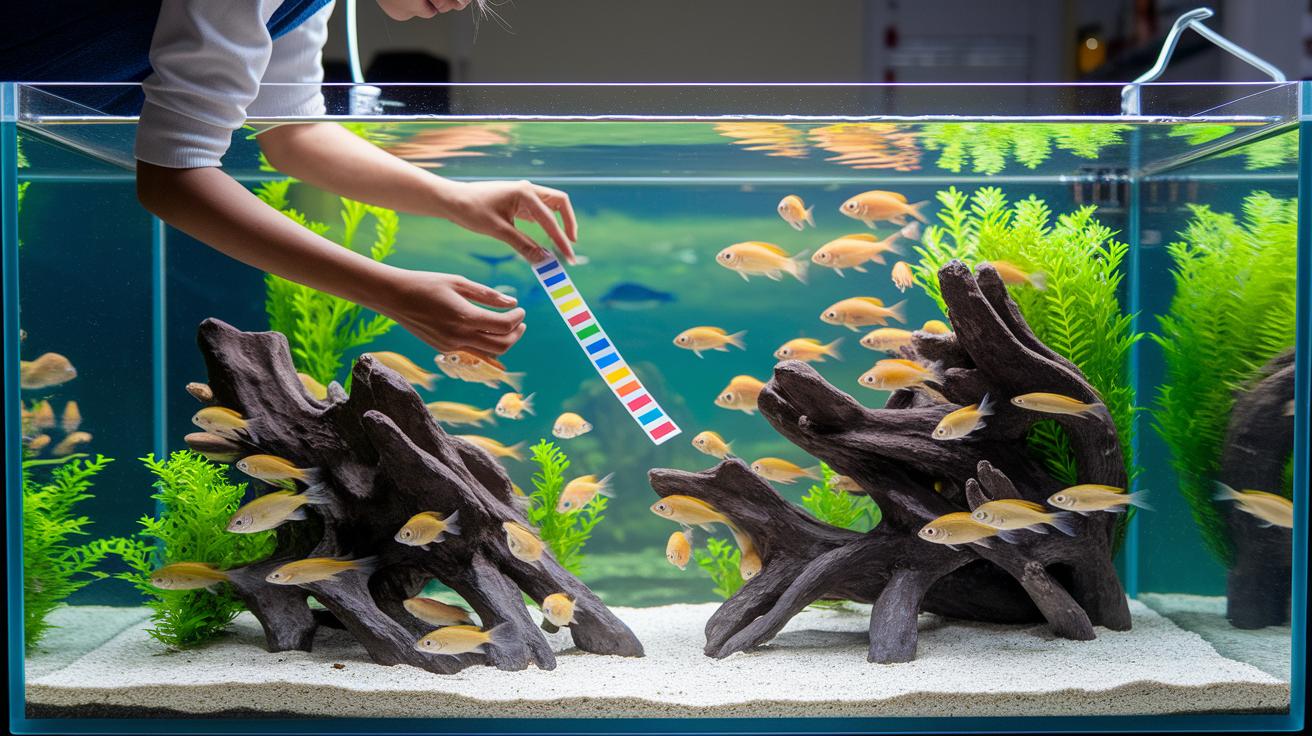
Keep a steady schedule to check your tank water, so you can spot any trouble before it reaches your fish. Every week, test for key ingredients like ammonia (keep it under 0.02 ppm), nitrite (aim for 0 ppm), and dissolved oxygen (more than 5 mg/L), while making sure the pH stays balanced. Think of these tests as checking your fish’s heartbeat, when all the numbers flow right, your aquatic pals know they’re in a great home.
Every two weeks, take a closer look at your fish with a condition score. Snap a few photos, measure their K factor using the simple formula (K = (W / L³) × 100), and note little changes in muscle and fat. It’s like writing in a journal; over time, these details help you decide if their diet or tank setup might need a little adjustment.
And don’t forget about the tank itself! Clean your filters well and change out about 25 to 30% of the water every couple of weeks. This simple routine helps keep unwanted nutrients at bay, ensuring your aquarium stays balanced and vibrant.
- Weekly water tests
- Biweekly condition scoring
- Regular tank maintenance
This approach makes keeping your underwater haven as natural and smooth as the gentle ripple of water over pebbles.
Final Words
in the action, you explored how to check fish body shape, muscle tone, and feeding behavior. We walked through using simple tools to track weight and length while noting signals that show if nutrition is on target. Regular testing of water helps complete the picture, tying all parts of your aquatic routine together.
All these steps help keep your tank balanced and your pets thriving by assessing aquarium fish body condition for proper nutrition. Enjoy creating a lively underwater space!
FAQ
What are the main elements of nutritional requirement for aquarium fish?
The main elements of an aquarium fish’s nutrition include proteins, fats, carbohydrates, vitamins, and minerals. This balanced mix helps support growth, energy, and a strong immune system.
What do fish need to survive in a tank?
Fish living in a tank need clean water, proper nutrition, and stable temperature. These factors work together to keep fish healthy and active in their aquatic home.
What is the body condition score of a fish and how is it assessed?
The body condition score of a fish is a measure of its fat reserves, muscle tone, and overall shape. It is assessed visually and through measurements like weight and length to track nutritional health over time.
What are the symptoms of malnutrition in fish?
The symptoms of malnutrition in fish include a sunken or concave body profile, pale coloration, and reduced appetite. These signs signal that the fish may not be receiving enough essential nutrients.
What are the nutritional requirements for fish feed?
The nutritional requirements for fish feed call for a high protein content (around 40% or more) and moderate fat levels (5–10%). A mix of pellets, flakes, and live or frozen food helps offer a balanced diet.
How can behavioral signals help monitor fish nutrition?
Behavioral signals like slow or irregular feeding, hiding or lethargy, and changes in appetite provide real-time clues to a fish’s nutritional status, allowing timely adjustments to its diet and care routines.