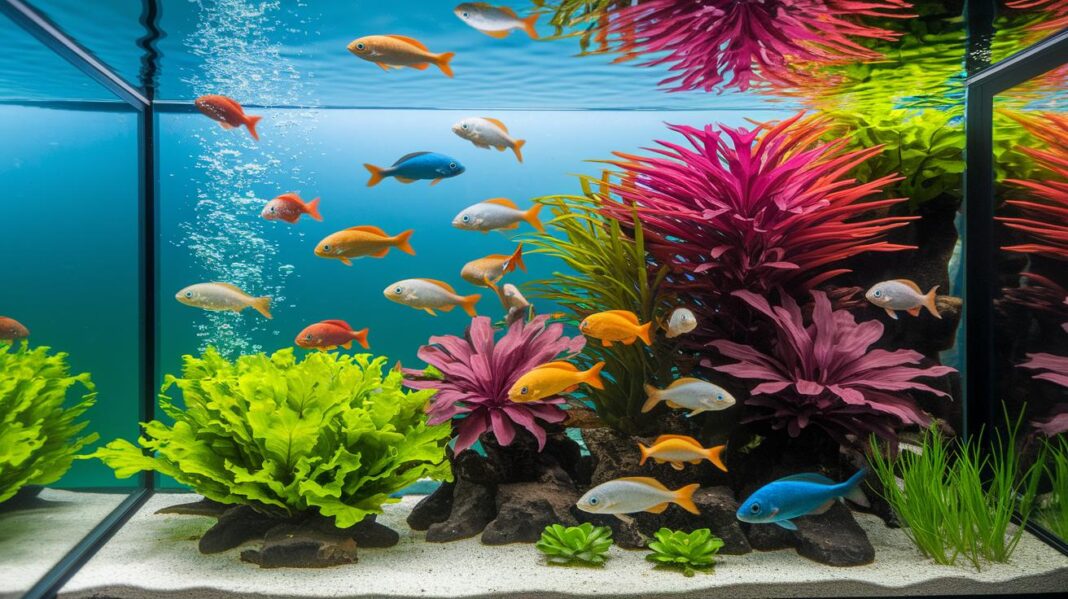

Ever notice how some aquarium fish shine like tiny underwater rainbows? It turns out feeding them foods rich in antioxidants can make their scales glow while giving them a burst of energy.
Imagine the colors on their scales coming to life, like a sprinkle of glitter in a calm pond. Antioxidants, found in things like microalgae and vitamins E and C (which help keep your fish strong and healthy), work just like a gentle current that refreshes their little bodies.
In simple terms, a balanced diet full of these natural boosters means your fish will not only pop with vibrant hues but also stay ready to swim, play, and live happily every day.
Key Antioxidant-Rich Foods for Aquarium Fish Health
When you add antioxidants to your fish’s diet, you help them glow with color and energy. You know those bright, lively hues? They show that your fish are strong and healthy. A mix of antioxidants such as astaxanthin, along with vitamins E and C, not only boosts their natural tint but also helps guard their cells from harm. For example, astaxanthin from tiny microalgae helps block bad molecules that could hurt your fish, keeping their scales shiny and making them ready to breed. This kind of diet gives them the energy they need while also protecting them from stress and illness.
| Antioxidant Source | Key Benefit |
|---|---|
| Haematococcus pluvialis microalgae | Provides natural astaxanthin that’s easy for fish to use |
| Astaxanthin-fortified pellets | Reliable delivery of nutrients that boost color and immunity |
| Combined feeds with astaxanthin, vitamin E and C | Works together to block harmful molecules |
Bringing these antioxidant sources into your fish’s meals creates a balanced plan that covers both energy and defense needs. Mixing natural microalgae, special pellets, and feeds with extra vitamins is like giving your fish a full-service wellness treat. This strategy helps protect their cells and keeps their colors bright, while also fueling their everyday activities. And by regularly checking their food, you can keep your tank healthy and your fish lively and strong.
How Astaxanthin Enhances Coloration and Immune Function in Aquarium Fish
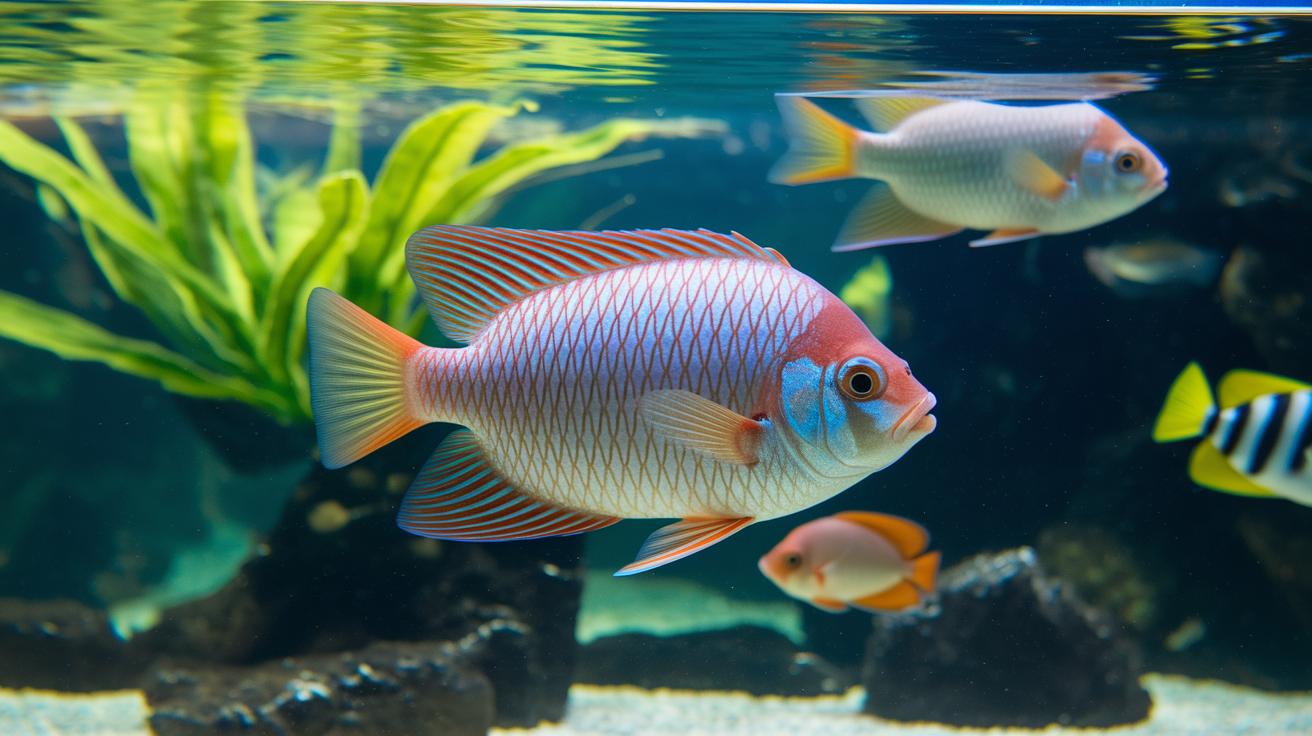
Astaxanthin works like a natural highlighter for your aquarium fish, making their colors pop and helping them get ready for breeding. Imagine the shimmer on a fish’s scales enhanced with just a bit of extra sparkle, studies show even a little boost in astaxanthin can brighten colors and spark mating behavior.
This powerful nutrient also acts like a gentle shield, neutralizing harmful elements in the water that can stress your fish. When stress is reduced, fish can better resist disease because astaxanthin helps key enzymes in their bodies work smoothly. Researchers have found that a steady, moderate daily dose is the sweet spot, though factors like water temperature may influence how well your fish take it in.
By taking care of important body processes, astaxanthin can help your fish feel more lively and energetic. Healthier metabolism means they swim longer and eat more efficiently. In some trials, fish given astaxanthin swam with more endurance and processed their food better, showing just how much of a difference this nutrient can make.
Comparing Natural and Synthetic Antioxidant Sources for Aquarium Diets
Astaxanthin from nature and astaxanthin made in a lab both help your fish, but they aren’t exactly the same. Natural astaxanthin comes from a special algae called Haematococcus pluvialis, and it is in a form (called the trans-isomer) that fish can easily use. This boost helps brighten their colors and keeps their immune system strong. Synthetic astaxanthin, however, is made from petrochemical sources and ends up with a mix of these forms. This mix means it might not guard against harmful molecules in your tank as well. It really comes down to the quality of nutrients and how each option impacts our earth.
Antioxidants from natural sources are truly special. They are created by tiny microalgae that produce a high-quality, easy-to-use astaxanthin. This makes them a popular pick for enhancing the vivid colors of your fish and helping them stay healthy. It’s a bit like adding the perfect ripple to a serene pond.
On the other hand, synthetic antioxidants can be a bit unpredictable. Because they have a mix of different forms and are made using fossil fuels, there might be traces of chemicals you wouldn’t expect. This could mean your fish might not benefit as consistently as they would from natural options.
In the end, choosing a sustainable and high-quality antioxidant is key for a balanced fish diet. This careful choice helps your aquatic friends sport vibrant colors, defend themselves with a strong immune system, and simply thrive in their underwater world.
Synergistic Antioxidant Strategies: Blending Astaxanthin with Vitamins E and C
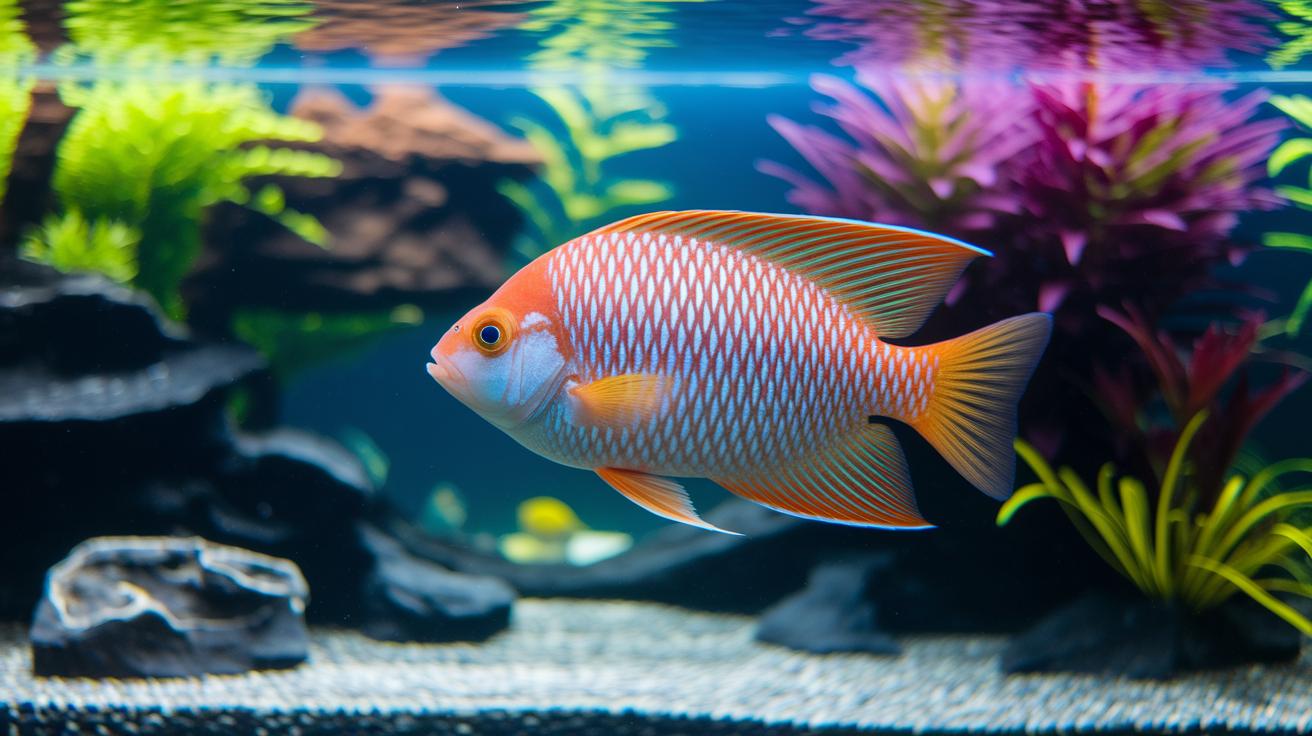
Studies show that when you combine astaxanthin with vitamins E and C, it helps protect fish cells from unwanted damage. In simple words, this trio works together to block harmful molecules that can cause stress.
In lab tests, fish that enjoyed this mix seemed to handle stress better and kept their cells safer from damage. It’s like giving them a little boost of natural defense when they need it most.
When these antioxidants mix into fish feed, they not only improve how nutrients are absorbed but also help strengthen the cell walls. And when astaxanthin pairs up with vitamins E and C, it gives the fish a natural glow while making sure all the good stuff reaches every cell.
This extra protection means the fish can use the feed more efficiently, leading to brighter colors and livelier swimming. For example, studies have shown that fish on this blend often display more vivid hues and a zest for movement.
Dosage Guidelines, Delivery Methods, and Safety Precautions for Antioxidant Supplementation
When you're planning to add antioxidants to your fish's diet, remember that each species might need just a little different care. A small dash of astaxanthin can really make your fish pop with color and boost their overall health. But be cautious, a dose that's too high might lead to overly bright spots or upset the mix of other nutrients. It’s best to start with just a tiny bit and slowly increase it as you watch how your aquatic buddies react.
Safe Dosage Guidelines
For many types of fish, beginning with a small amount of astaxanthin lets you see how they change before you add more. Just like keeping an eye on soft ripples in a pond, notice any shifts in the color or behavior of your fish. Some might show a sparkle in their colors after only a few weeks, while others may need a bit more time to adjust. If you have a mix of smaller and larger species, be sure to adjust the amount for each, like tailoring a recipe just right. These careful observations help ensure that your antioxidant treatment is a gentle lift rather than an overwhelming surge.
Delivery Methods and Stability
A smart way to feed your fish astaxanthin is by using pellet forms that protect this delicate nutrient. Think of it as wrapping a secret treasure so that its benefits remain fresh until your fish enjoy it. Store these pellets in a cool, dry, and dark spot to keep them from breaking down too soon. Rotating your stash every so often also keeps the feed fresh, making sure every bite gives your fish the right boost.
Don’t forget to keep an eye on your fish once they start getting these supplements. Watch out for any unusual changes in color or behavior, these can be little clues that you might need to tweak the dose. And it doesn’t hurt to set up a simple log, jotting down daily changes as you mix antioxidants into their regular meals. For more detailed guidance, working with aquatic nutrition experts or checking a balanced fish diet guide can help fine-tune your approach.
Ongoing Research and Best Practices in Antioxidant-Rich Aquarium Fish Nutrition
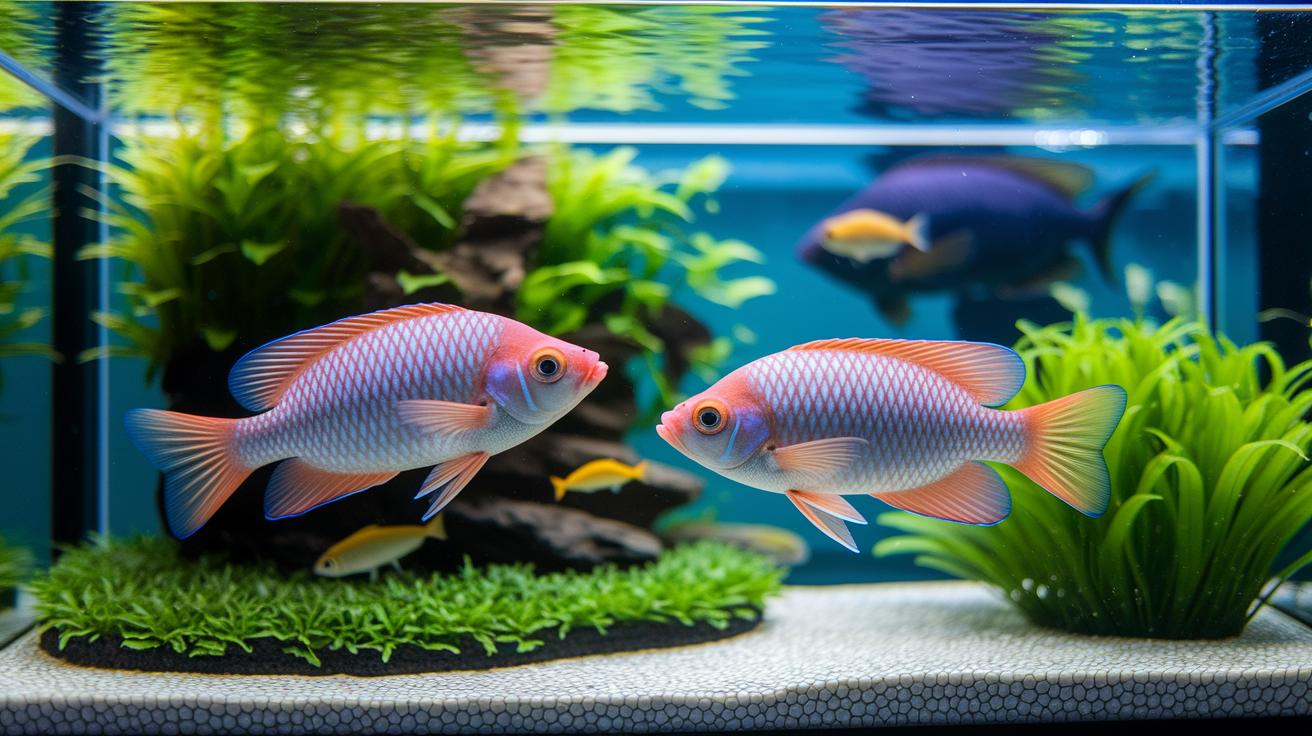
Recent studies are showing us some cool new insights into how astaxanthin helps fish live longer and stay healthier. Researchers are looking at how adding this natural antioxidant in the right amount can support a fish from its very first swim to its strongest days. It’s a bit like adding a gentle current that helps the fish glide smoothly through different life stages.
Scientists are working hard to make sure that the astaxanthin used in fish food is of top quality and easily absorbed, so every drop counts. They also check how feeding routines help build up the fish’s natural cell defenses and energy through their daily meals. Think of it like planning a perfect feeding schedule that supports each fish as it grows and fights off stress.
Best practices they suggest include choosing trusted feeds, keeping an eye on how often diets are updated, and chatting with aquarium health experts. Watching the fish for changes in behavior or color is also key, so you can make quick tweaks to keep them happy and thriving.
| Key Focus Areas | Importance |
|---|---|
| Quality Assurance | Makes sure the antioxidant is pure and effective |
| Feeding Schedules | Keeps fish health in tune by boosting natural defenses |
| Feed Rotation & Storage | Preserves nutrient strength and prevents stress |
Final Words
in the action, we explored how a well-planned diet brightens fish colors and boosts their immunity. The guide compared natural and synthetic sources, explained the benefits of mixing astaxanthin with vitamins E and C, and outlined safe supplementation practices. We shared tips to keep your setup balanced and healthy. Adding antioxidant-rich foods for aquarium fish health can truly elevate your pet care routine. Stay curious and keep your underwater world thriving!
FAQ
Q: What are the best antioxidant‑rich aquarium fish foods, including options like Hikari Fish Food?
A: The best antioxidant‑rich aquarium fish foods include natural astaxanthin sources like microalgae and astaxanthin‑fortified pellets. Premium brands such as Hikari Fish Food support vibrant coloration and strong immunity.
Q: What does astaxanthin do for fish?
A: Astaxanthin boosts fish vitality by enhancing natural coloration and supporting immune defenses. It neutralizes harmful molecules, helping fish stay healthy and bright.
Q: How do you cure sick aquarium fish?
A: Curing sick aquarium fish starts with checking water quality, isolating the sick ones, and providing nutrient‑dense feeds enriched with antioxidants while following expert treatment advice.
Q: What is the best homemade food for aquarium fish?
A: The best homemade food for aquarium fish combines fresh, nutrient‑packed ingredients with natural astaxanthin and vitamins to support strong coloration and overall health.
Q: Which fish naturally contain antioxidants?
A: Some fish, like koi and goldfish, naturally gather antioxidants from their diet. Feeding them antioxidant‑rich foods can enhance their natural color and overall resilience.