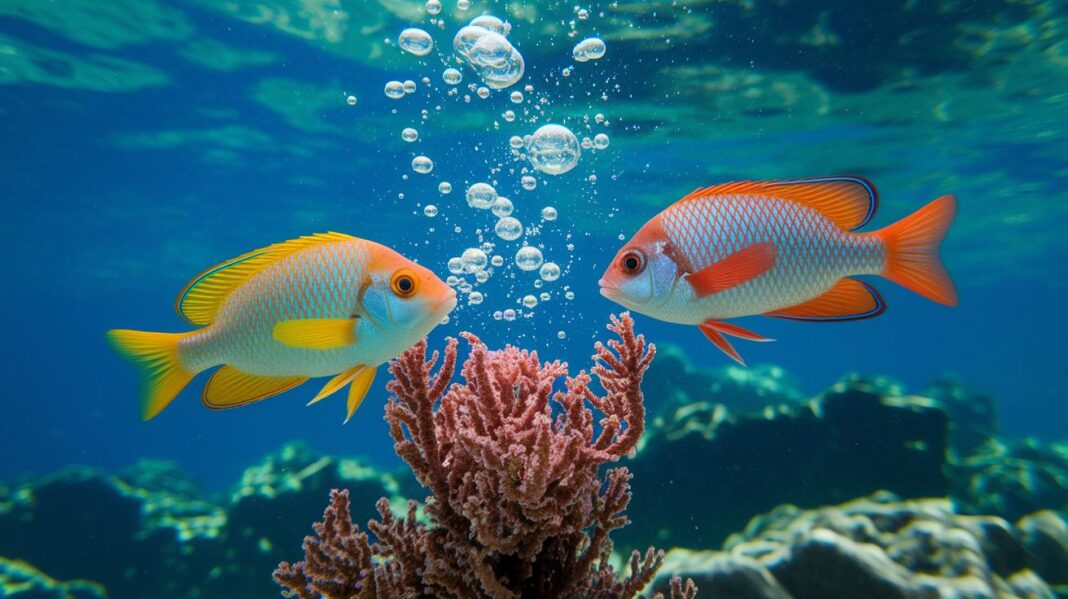

Ever notice how a little extra fiber can make a real splash in your aquarium? Just like a gentle current helps leaves drift along, fiber makes food glide smoothly through your fish’s tummy. When friendly species like Plecostomus and Mollies get that added boost, they digest better and grow more vibrant. In our little chat today, I’ll explain how fiber aids digestion and keeps your fish balanced and happy. Stick with me and discover how this simple change in diet can brighten your entire tank.
Dietary Fiber Benefits for Aquarium Fish Health
A balanced, fiber-rich diet is like a gentle current that helps your freshwater fish thrive. Fiber smoothes the way food flows through their guts, making digestion easier and boosting the nutrients they soak up with each nibble. It even acts as a natural prebiotic, feeding the friendly bacteria that keep their digestive system in top shape.
Fish that love plants, like Plecostomus, Mollies, and some Cichlids, really benefit from this nutrient boost. When they get just the right amount of fiber, their colorful scales shine brighter and their little bodies grow stronger. This balanced approach turns their tank into a happy, healthy community where every fish enjoys the benefits of improved digestion, growth, and well-being.
Here are five big benefits of adding fiber to your fish’s diet:
- Improved digestion
- Better growth support
- Balanced gut flora
- Enhanced coloration
- Higher immune support
By focusing on dietary fiber, you’re giving your aquatic pets a little extra love from the inside out. Their systems work smoother, they absorb nutrients more easily, and overall, they become more vibrant and energetic, bringing that sparkle to your aquarium that you and your fish can appreciate every day.
Types of Dietary Fiber and Their Digestive Functions in Fish
Soluble fibers, like pectins, create a soft gel that gently slows down the flow in a fish's gut. This calm environment lets good bacteria work their magic, breaking down food more easily. It’s a bit like a smooth current that carries each morsel along just right, helping enzymes do their job and letting fish absorb nutrients more efficiently.
Insoluble fibers, mostly found as cellulose, add bulk and help push food through the digestive system faster. Their firm texture acts like a gentle nudge, clearing out waste and making space for new nutrients. Picture it as nature’s little broom sweeping through the gut to keep everything moving smoothly.
Together, these fibers form a balanced team. While soluble fibers give beneficial bacteria the time they need to work, insoluble fibers ensure the system stays active and clear. This balanced blend supports a healthy digestive process, helping your aquatic friends stay vibrant and energetic.
Optimal Natural Fiber Sources for Fish Feeds
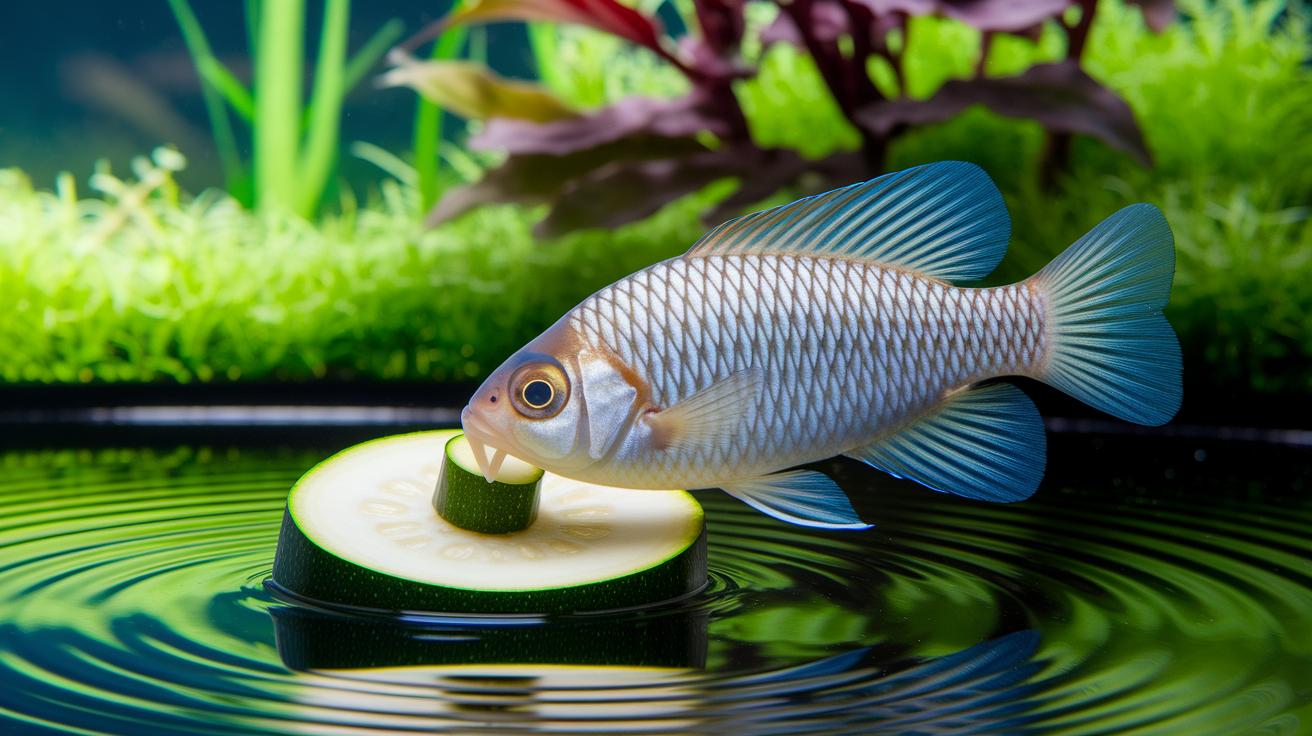
A happy aquarium starts with giving your fish a mix of natural and store-bought fiber options. Think of fresh vegetables like lightly steamed zucchini, spinach, peas, ripe banana, or even juicy melon slices. These foods not only add natural fiber but also bring extra nutrients to the table, much like the soft ripple of water refreshing every part of a stream. Picture a fish happily munching on a tender slice of zucchini, its scales catching the light as if nature itself is cheering it on.
On the commercial side, many flakes and pellets now include ingredients like plant byproducts to boost fiber levels. They are carefully designed to mix the right balance of protein and fiber so your fish get a full range of nutrients. If you're short on fresh veggies, frozen or freeze-dried options preserve much of the natural goodness. And while live foods offer variety and keep mealtime fun, they don’t add much fiber.
| Source | Type | Fiber Content |
|---|---|---|
| Blanched Zucchini | Vegetable | 2.5 g per 100 g |
| Blanched Spinach | Leafy Green | 2.2 g per 100 g |
| Blanched Peas | Legume | 5.7 g per 100 g |
| Plant-Meal Pellets | Commercial Feed | 8–12 g per 100 g |
| Freeze-Dried Veggie Blocks | Processed | 6–9 g per 100 g |
Mixing fresh, blanched spinach with quality pellets can create a natural balance that reminds you of a lively riverbed, where every leaf and grain plays its part. This blend not only meets your fish’s nutritional needs but also makes feeding time feel like a little celebration of nature. Enjoy the process and watch your aquatic friends thrive every day.
Implementing Fiber-Enriched Feeding Strategies
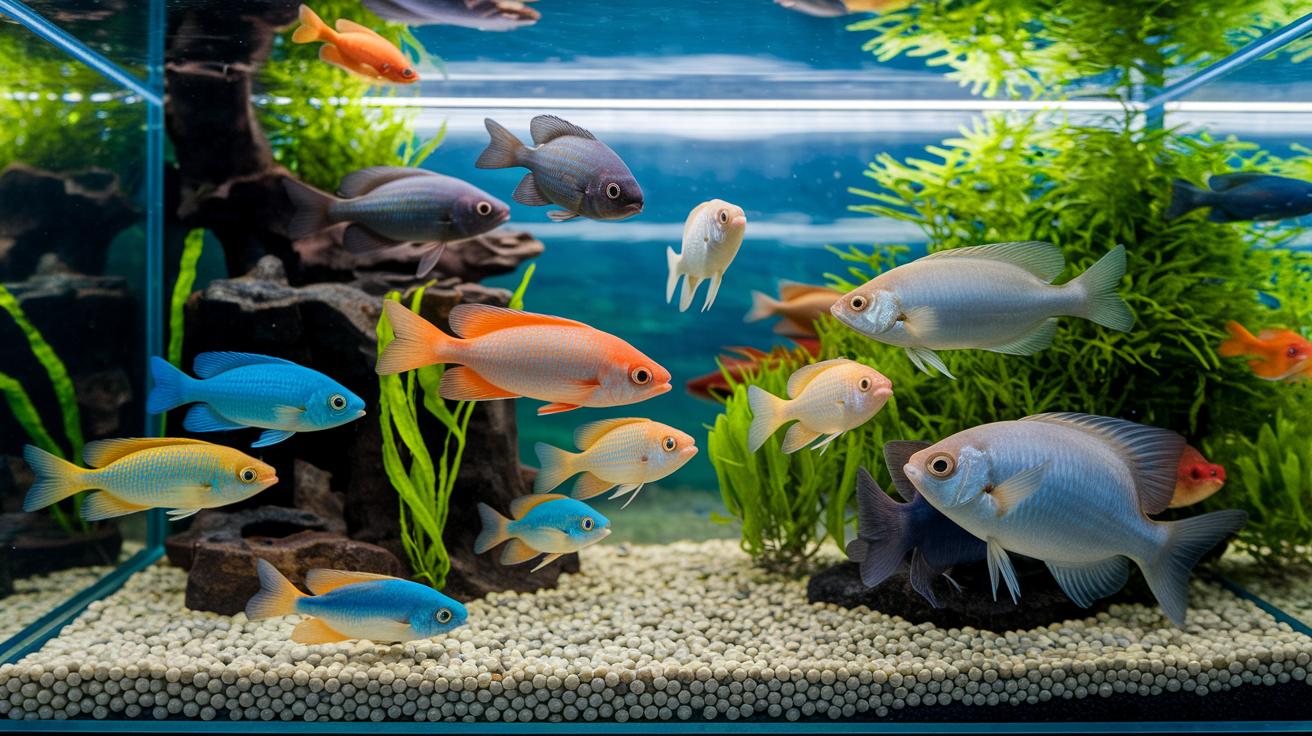
Mixing up your fish food is like creating the perfect recipe just for your underwater pals. You can blend different ingredients to match the needs of each kind of fish in your tank. For little ones, serving three or four tiny meals a day gives them the boost they need to grow strong, while adult fish do fine with one or two meals every day.
Tailoring the feed by where your fish usually feed can really make a difference. For example, top feeders might enjoy food that floats on the surface, mid-water swimmers can munch on flakes that drift in the center, and bottom dwellers benefit from sinking wafers. Adding pellets with fresh veggies or freeze-dried blocks is a smart way to mix in both protein and fiber, helping with digestion and keeping your fish lively. Special feeders can help spread out the fiber-rich food evenly so every fish gets their fair bite.
Here are five easy steps to create a fiber-packed feeding plan:
| Step | Description |
|---|---|
| 1. Identify species’ fiber tolerance | Learn which fish can handle more fiber. |
| 2. Select appropriate fiber sources | Pick the fiber ingredients that work best for them. |
| 3. Adjust feed ratios (protein : fiber) | Mix the right amounts of protein and fiber. |
| 4. Monitor feeding behavior and waste output | Watch how they eat and check the leftovers. |
| 5. Refine feeding frequency and portion size | Tweak how often and how much you feed them. |
By using these steps in your daily routine, every fish, whether a quick top feeder or a steady bottom-dweller, gets a mix that feels just right. Tailoring the diet to their natural habits helps them grow healthier, digest better, and shine with vibrance. And isn’t it amazing to see how small changes in their meal plan can make a big splash in their overall well-being?
Balancing Fiber Intake to Prevent Digestive Issues
When you feed your fish too much fiber, their tummy can get out of sync, kind of like a stream that’s rushing too quickly over smooth stones. Too much fiber pushes food through their gut so fast that their bodies barely get a chance to grab all the nutrients. Not enough fiber, on the other hand, means their digestion might slow way down, leading to a bloated feeling and fewer enzymes to break down their food. Both of these issues can really show up in your fish’s growth and the brightness of their colors.
It’s smart to keep an eye on how your fish eat and swim. If you notice they’re not behaving normally during feeding, or if their usual graceful swim changes a bit, it might be a sign that the fiber in their diet needs a little tweaking. Think of it like checking the current in your favorite stream, if the water flows too fast or too slow, you might need to adjust things to keep nature in perfect balance.
Watch for these signs to know if the fiber is just right:
- Appetite changes
- Different swimming patterns
- Changes in growth rate
- Duller colors or fin condition
Taking a few moments for regular observation and making small adjustments can help your fish stay healthy and active. After all, a happy fish with a well-balanced tummy is just as vibrant and lively as a sunlit ripple on water.
Final Words
In the action, the article explains how a fiber-rich diet boosts fish health by improving digestion, growth support, gut flora balance, color enhancement, and immune support. It breaks down the differences between soluble and insoluble fibers and shares natural sources you can add to your tank. We even talked about feeding tips and keeping an eye on key health signs. All of these steps empower you with understanding the role of dietary fiber for aquarium fish, leaving you with a clear path for creating a bright and balanced underwater habitat.
FAQ
What is the role of fiber in fish nutrition?
The role of fiber in fish nutrition is that it regulates gut transit, supports helpful gut bacteria, and improves nutrient absorption, leading to robust growth and vibrant coloration.
How much fiber do fish need?
The amount of fiber fish need depends on the species. Herbivorous fish usually require more fiber, while others need less; feeding guidelines should be adjusted based on each fish’s health and behavior.
What are high fiber foods for aquarium fish?
High fiber foods for aquarium fish include blanched vegetables like zucchini, spinach, and peas, as well as commercial feeds enriched with plant-based meal to support digestion and overall health.
How to add fiber to fish diets?
The process of adding fiber to fish diets involves mixing natural sources like fresh or freeze-dried vegetables with commercial pellets and monitoring feeding habits to match the tolerance of different fish.
How can I access reliable fish feed formulation research and resources?
Research on fish feed formulation can be found in PDF documents covering topics such as dietary fiber roles, feed composition techniques, and low-cost formulation strategies for a balanced fish diet.