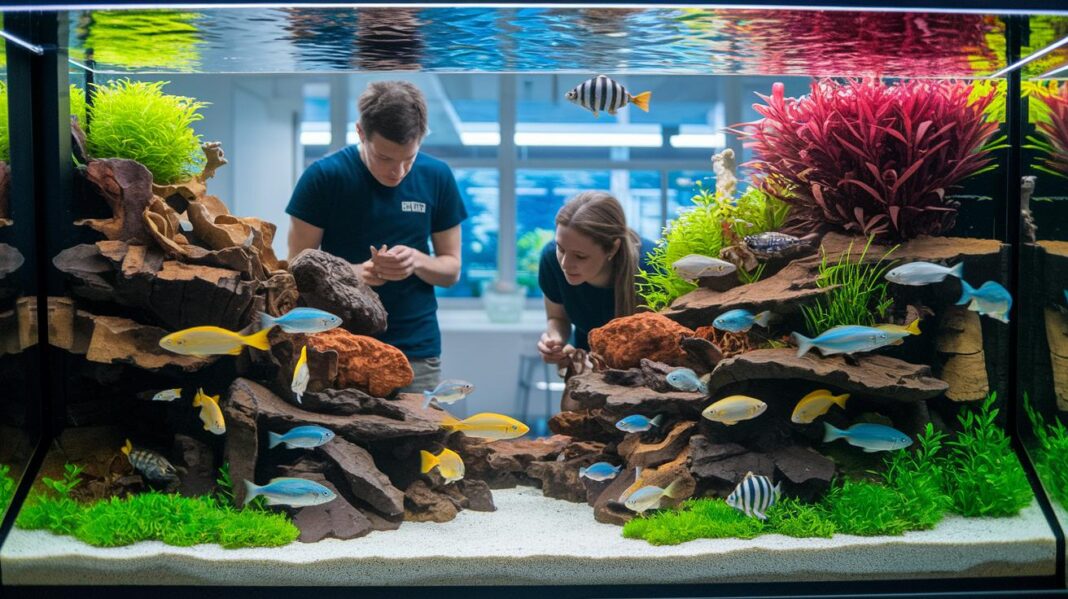

Do you sometimes wonder if your fish are getting their fair share of nutrients? Picture setting up a picnic but realizing you left out the sandwiches. That's a bit like what happens when your aquarium misses out on key meals.
Feeding your fish a mix of foods on a regular schedule is like giving them a gentle boost of health, much like the soft ripple of water over stones. In this post, we'll chat about how planning the right portions and food types can really help your finned friends thrive.
Every fish counts, from those swimming near the top to those exploring the quieter bottom corners. When each one gets the right bite, your entire aquarium community enjoys the benefits, a win that feels as refreshing as a dive into cool, clear water.
Mastering Balanced Nutrition in Community Aquariums to Prevent Imbalances
A balanced diet is the foundation for a lively community tank. Before adding any new fish, it’s smart to plan your setup carefully so you don’t end up scrambling later. Think of it like setting out a picnic without forgetting the sandwiches, it just won’t work out well if you miss a step. When you take a moment to plan, you avoid feeding issues and stress among your fish.
When it comes to managing meals in your aquarium, keeping an eye on portion sizes, feeding on a regular schedule, and offering a mix of foods is key. It’s much like cooking a meal where every ingredient matters. Correct portions reduce waste, regular feeding times help deliver steady nutrients, and using different foods covers all the bases, from proteins to vitamins. For instance, try splitting your daily servings into smaller sessions instead of one big feeding so that every fish, whether it swims at the top, middle, or bottom, gets a fair share.
It also helps to have a tank that’s just the right size and to choose fish that suit your local water. A minimum of a 20-gallon tank is a good start to keep nutrient levels stable and reduce overcrowding stress. When the fish you choose already fit your water’s natural chemistry, managing their diet becomes much simpler. Regular checks on your feeding routine and water quality work hand in hand, making sure every species gets the balanced nutrition they need to thrive.
Selecting Nutrient-Rich Feed Options for Avoiding Nutritional Imbalances
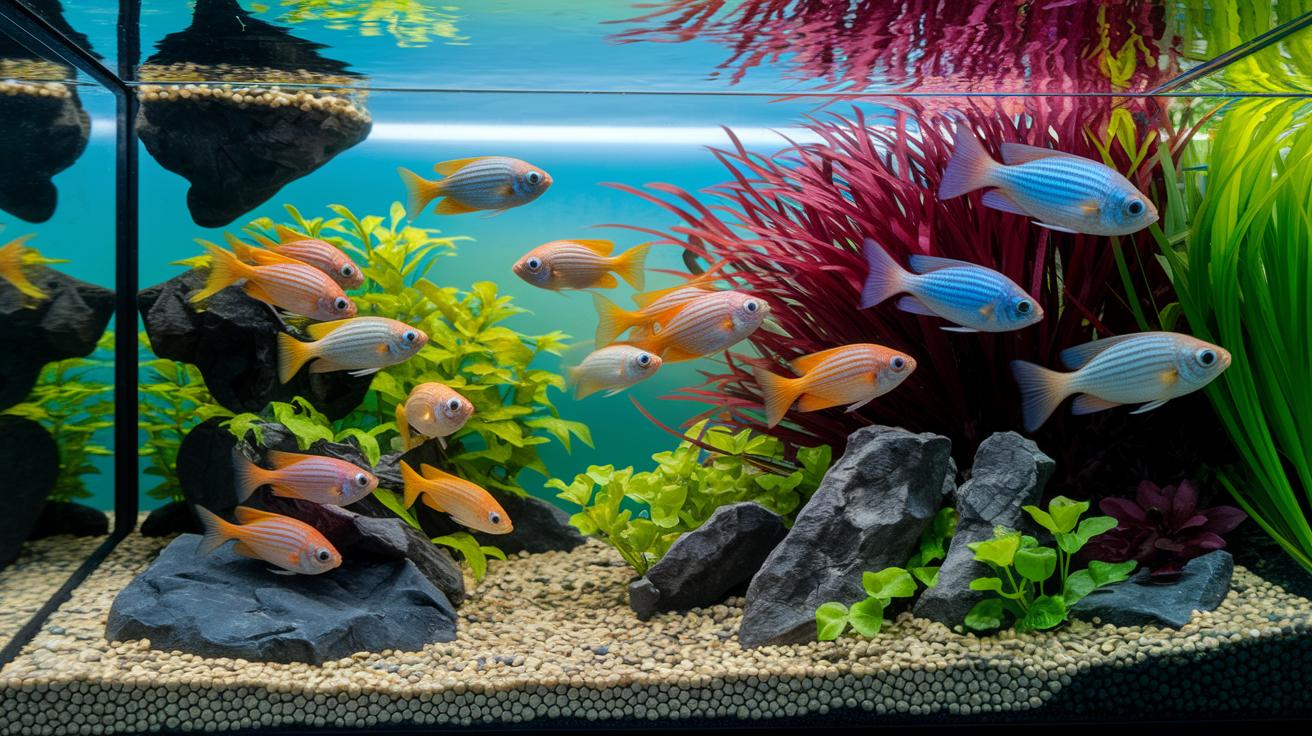
Fish do best when they enjoy a well-rounded diet that gives them the right proteins, fats, vitamins, and fiber they need. Mixing quality flakes, pellets, and natural treats helps boost their growth and makes their colors pop. This variety fills in nutritional gaps and lets your fish act out their natural habits, like hunting for food or gently grazing, keeping your tank as lively as a bubbling stream.
| Feed Type | Primary Nutrients | Key Benefits |
|---|---|---|
| Flakes | Protein 30–40%, Vitamins | Can sink fast or float, great for mixed feeders |
| Pellets | Protein 35–45%, Lipids 5–10% | Lasts longer, offers specific nutrient blends |
| Live Foods | High protein, micronutrients | Encourages natural hunting behavior |
| Frozen Foods | Protein 30–50%, Minerals | Lower risk of germs with steady nutrition |
Switching up the food each week keeps the meals fresh and suits your fish’s changing needs. Adding live options like brine shrimp or daphnia gives them an extra boost of protein and makes mealtime feel a bit like a treasure hunt. Frozen treats such as bloodworms or mysis shrimp offer crucial minerals safely, and tossing in live plants like duckweed, java moss, or anacharis gives herbivores a natural nibble. This thoughtful rotation keeps all the little nutrients balanced and helps prevent common issues in community tanks.
Sometimes, adjusting the mix and timing of feeds lets you see how your fish are really doing. Watch their colors, movements, and moods to know if a little tweak is needed. A good mix of foods with a steady rotation is just the key to keeping your underwater world happy and thriving.
Monitoring Water Quality and Nutrient Cycling to Maintain Balanced Aquatic Nutrition
Fish need clean water to help them digest their meals, grow big, and stay healthy. When your tank’s water stays steady, it’s like giving your fish a refreshing sip that wakes them up. Regular tests for things like ammonia, nitrite, nitrate, phosphate, and pH act like little clues about how healthy your aquarium is. Even a tiny change in these numbers can affect how well your fish break down their food, which can change their growth and stress levels. It’s a good idea to check your filters and heaters every day to make sure they’re working their best.
Plan to check your water every week. Changing about 20–30% of the water each week helps keep things balanced. If you have a tank with fewer fish, you might want to change 30–35% every two weeks. When you clean your filter media, do it gently so you don’t harm the helpful bacteria that break down waste. Sticking to a regular cleaning routine helps keep the water chemistry just right and stops toxins from building up.
Keeping the nutrients in balance is super important; it means your fish aren’t missing out on what they need or getting too much of something harmful. When you test and change your water regularly, you help create a natural cycle. This cycle lets good bacteria take waste and break it down into safe levels, so minerals and nutrients stay where they’re needed for fish and plants to thrive. A well-run cycle makes sure ammonia and nitrites don’t spike while keeping phosphate and nitrates in check, protecting your fish from stress and health issues caused by crazy water changes.
Customizing Feeding Regimens for Species-Specific Needs in Community Aquariums
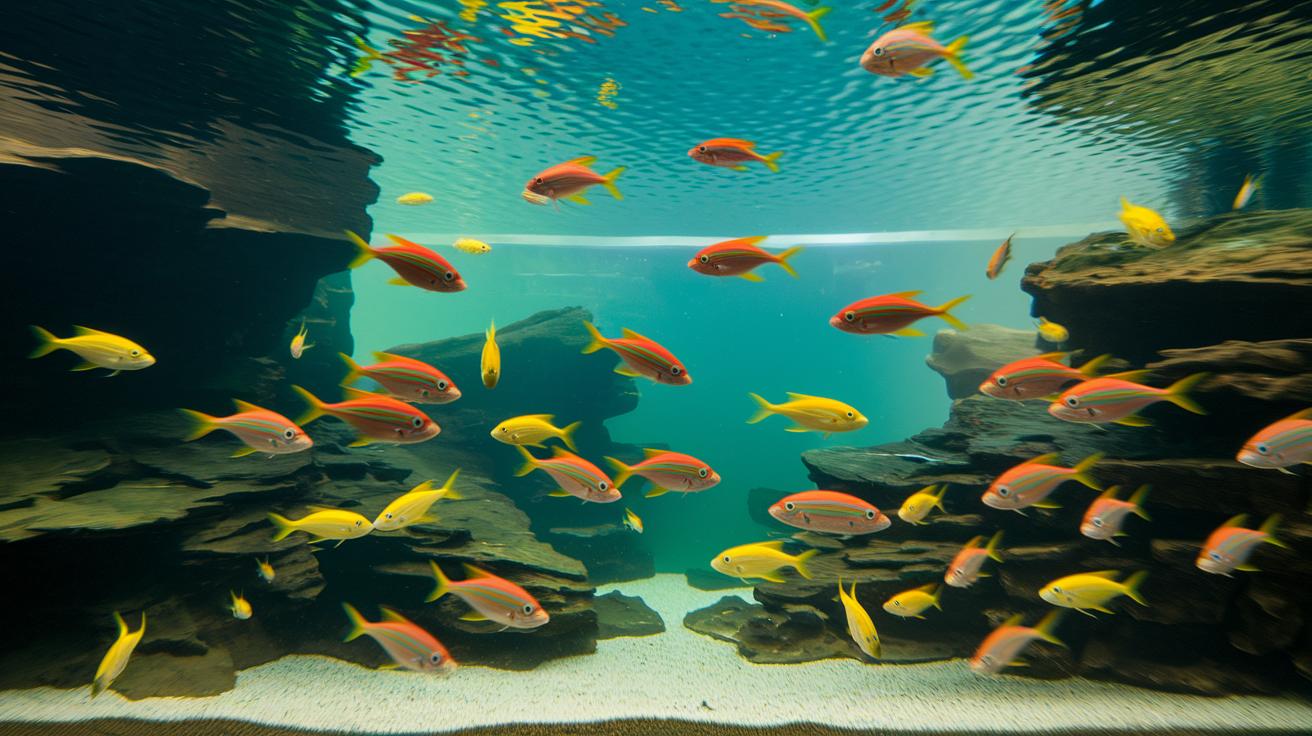
Feeding all your fish the same way can leave some of them missing out on the important nutrients they need. Different fish tend to search for food in different parts of the tank, so not every fish has the same chance to grab a bite from a single feeding spot. Changing where and what you feed them can ensure every fish gets exactly what they need to stay healthy and happy.
Top Feeders
For the fish that love to hang out near the water's surface, try using surface floats or slow-sinking pellets. These feeds are made to stay up top longer, just like how some fish naturally hunt or nibble near the surface. It’s like giving them their own special meal spot so they get their fair share every time.
Mid-Level Feeders
Fish that swim in the middle of your tank do best with mid-water flakes or micro-pellets. These foods float around nicely in the center, kind of like little bits drifting in a gentle current. This way, all the fish that roam the middle water can enjoy the nutrients they need without missing out.
Bottom Feeders
For the fish that like to forage along the bottom, sinking wafers, algae wafers, or veggie tabs are the way to go. These feeds drop quickly to the tank floor, making it easy for bottom dwellers to find their meal just as nature intended. Giving them food that matches their natural habits helps them absorb more nutrients.
Keep an eye on your fish during feeding time. If you see one fish always missing out or showing signs of stress, try shifting where or when you feed them. It’s all about making sure every fish has a moment to enjoy their meal.
Preventing Overfeeding and Managing Waste to Avoid Nutritional Imbalances
Overfeeding is like letting leftover food spoil on a warm day. When food decays, it releases ammonia and nitrate that can lead to algae blooms, upsetting your tank’s balance. This extra waste not only shifts the water chemistry but also makes your fish stressed and harms the helpful bacteria that keep the water clean.
Here’s a friendly checklist to keep your aquarium happy:
- Measure out your daily feed with a simple scoop.
- Split the feed into two or three small meals during the day.
- Remove any uneaten food after about two minutes.
- During weekly water changes, siphon out any lingering bits.
- Adjust the portions based on how hungry your fish are and how they’re growing.
Sticking to these habits helps keep the nutrient levels steady. When you feed just the right amount, there’s less waste turning into harmful chemicals. Dividing meals means your fish get to enjoy each bite quickly, and siphoning regularly sweeps away any extra particles. Plus, keeping an eye on how many fish share the space helps prevent overcrowding and extra waste.
By following these steps, your water stays clear, your fish remain healthy, and your little aquatic world stays in perfect balance.
Supplementing Essential Micronutrients and Minerals in Community Aquariums
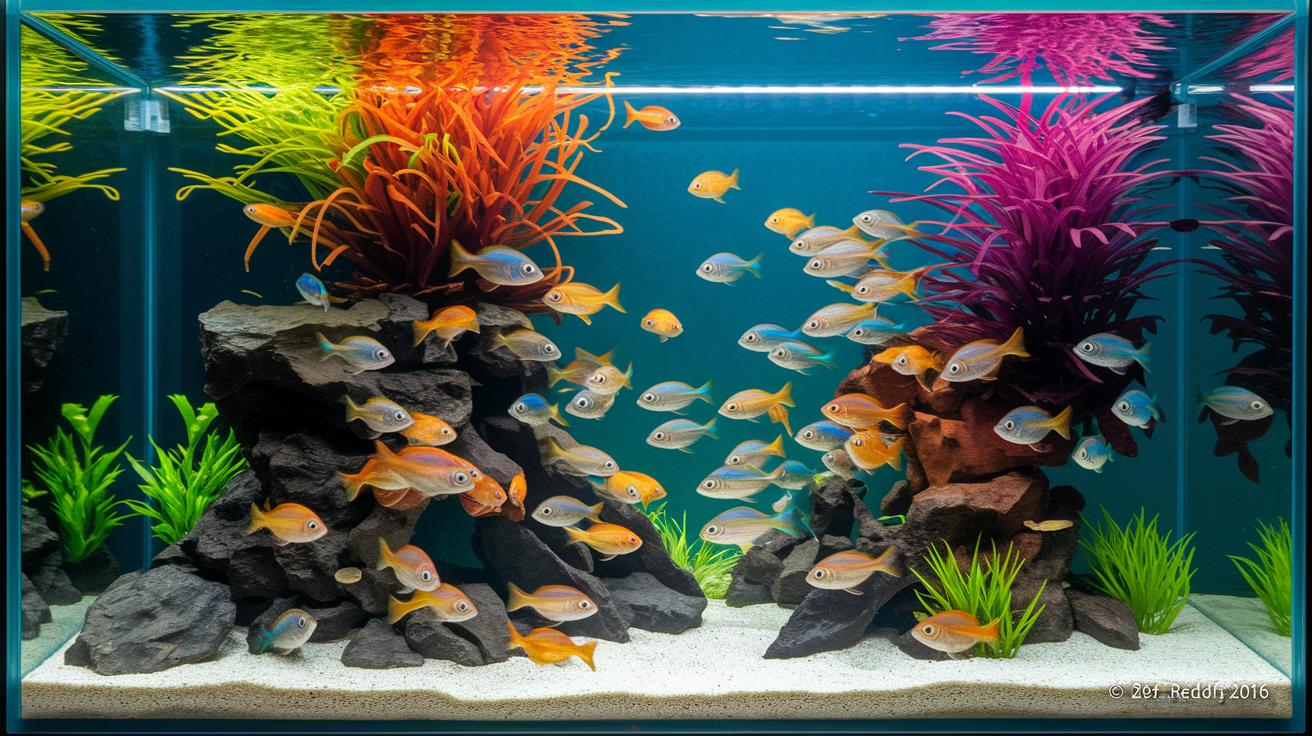
Your aquarium is like a tiny underwater world that needs just the right mix of vitamins and minerals to flourish. When your tank is missing essentials like calcium, magnesium, or iron, you might notice your fish looking a bit faded, growing slowly, or not behaving as energetically. It’s a bit like cooking without enough seasoning, a few key ingredients are missing, and life in the tank just isn’t as lively.
Keeping an eye on these changes and testing your water regularly is like checking the temperature on your favorite simmering soup, you catch imbalances early and can adjust by adding the right aquatic vitamins and trace minerals. This helps your little ecosystem run smoothly, keeping your fish active and colorful.
Live plants aren’t just there for decoration; they play an active role in keeping your tank balanced. Think of plants such as duckweed or java moss as nature’s own cleaners. They soak up extra nutrients and release oxygen, helping to maintain a perfect mineral blend in your water. Adding these plants not only makes your tank look more natural but also supports a self-sustaining aquatic habitat.
If you’re looking to give your aquarium a little boost, try using a liquid trace-element additive. A good rule of thumb is about 1 milliliter per 10 gallons of water every two weeks. Add it gradually, then watch how your fish become more playful and your plants start to thrive. It’s like slowly perfecting a recipe until every element is just right for a vibrant underwater home.
Implementing Regular Nutrition Reviews and Adaptive Feeding Audits
Watch your fish closely each day, it's like noticing the gentle ripples in a quiet pond. While feeding time, see if they swim lazily or seem unsure about the food. These little signs, along with shifts in their color or size, can tell you if something isn't quite right. Keeping a simple note of these changes helps you catch any problems before they become big issues.
Every week, take a look at your feeding log, the growth record of your fish, and even your water test results. Think of it as checking the temperature of your favorite water stream. Compare how much food you're giving with how active and growing the fish are. If you notice differences, you can adjust the type of food, the amount, or how often you feed them. This tweak is like adding a splash of fresh water to your tank. Seasonal changes in behavior might mean you need to change the feeding schedule a bit. This caring, hands-on approach not only boosts their daily nutrition but also helps keep your underwater community happy and healthy over time.
Final Words
In the action, you learned how a balanced aquarium diet sets the stage for a thriving habitat. Each section covered meal planning, feed diversity, water quality care, and smart portion control that work together to keep your aquatic friends happy. You also saw the benefits of regular nutrition checks and thoughtful tweaks to match your tank’s unique vibe. Keeping this plan in mind will help with avoiding nutritional imbalances in community aquariums while giving your fish a home they’ll truly love.
FAQ
How does avoiding nutritional imbalances in community aquariums work?
Avoiding nutritional imbalances in community aquariums works by planning a balanced diet, choosing the right tank size, and matching fish species with water chemistry for stable nutrient levels and healthy fish.
What is an aquarium plant nutrient deficiency chart?
An aquarium plant nutrient deficiency chart offers a quick guide that shows symptoms like yellowing or brown edges, helping aquarists pinpoint lacking nutrients such as nitrogen or potassium.
How do you fix nitrogen deficiency in aquarium plants?
Fixing nitrogen deficiency in aquarium plants involves adding a balanced nitrogen fertilizer, adjusting water parameters, and checking that fish diets contribute to healthy nutrient levels in the tank.
Can dying aquarium plants kill fish?
Dying aquarium plants can harm fish by releasing decaying matter that spikes ammonia levels, but proper tank maintenance and regular water changes usually keep fish safe.
How can you fertilize aquarium plants naturally?
Fertilizing aquarium plants naturally means using live plant matter like duckweed or java moss and organic fertilizers that slowly release nutrients, supporting plant growth without adding harsh chemicals.
Why are aquarium plants turning yellow and brown?
Aquarium plants turning yellow and brown may indicate nutrient shortages, poor water quality, or unsuitable lighting conditions, and addressing these issues can help restore their vibrant color.
What does potassium deficiency look like in aquarium plants?
Potassium deficiency in aquarium plants shows up as discolored or brown leaf edges and stunted growth, which can be remedied by adding a potassium-rich supplement to the tank.