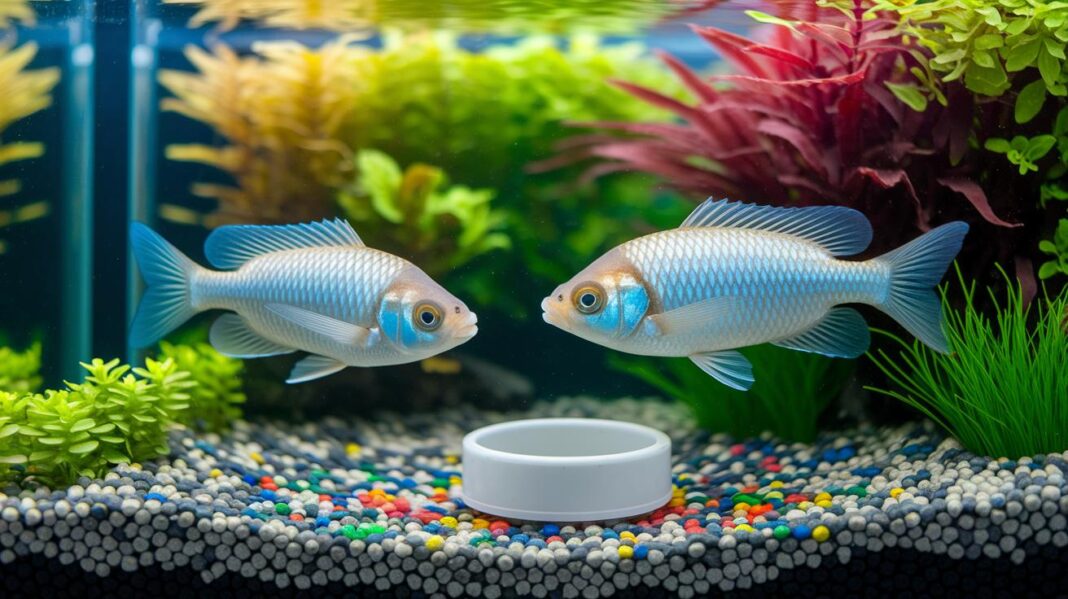

Have you noticed that your fish might feel uneasy when you try something new with their food? Changing their meals is more like gently introducing a new recipe to a finicky friend rather than flipping a switch. Instead of a sudden change, try mixing a little of the new treat with their favorite food, like slowly stirring a fresh ingredient into a well-loved dish.
In this guide, we share simple, clear tips on how to ease your fish into a new diet, making mealtime as smooth as a gentle ripple on a quiet pond. Ready to create a happier feeding experience for both your fish and your tank?
Quick-Start Guide to Transitioning Aquarium Fish to New Diets
Start by planning a small change in your fish’s food routine. Most aquarium fish get fed once a day, but sometimes feeding them twice, in smaller portions, works better. For tiny fish or fry, a few little bites spread out during the day can do the trick. Think of it like a quick nibble that only takes about 30 seconds to 5 minutes to finish, just enough to keep them happy without overdoing it.
Here’s what to do next:
- Pick a balanced diet that gives your fish all the good stuff, protein, fats, vitamins, and minerals. It’s like putting together the perfect recipe for a healthy swim.
- Begin with one meal each day. Keep an eye out: if your fish gobbles it all in less than 30 seconds, you might need a bit more food. If there’s leftovers, ease up a little.
- Offer just the right amount of food so that anything extra disappears in about 5 minutes. This helps keep your tank water clean and avoids bumping up ammonia levels.
- Watch closely over time. Sometimes, fish may seem extra hungry, almost like they're imitating how they fed in the wild, but make sure to check for any leftover bits or quick buildup of waste.
- If your fish seem uneasy about the new food texture or taste, give them a little more time to get used to it. Adjust the way you feed slowly until they seem comfortable and happy.
Try out this gentle, gradual method and see how each fish responds. Adjust small bits at a time and enjoy watching your little aquatic friends settle into their new feeding routine.
Preparing Your Aquarium for Diet Change
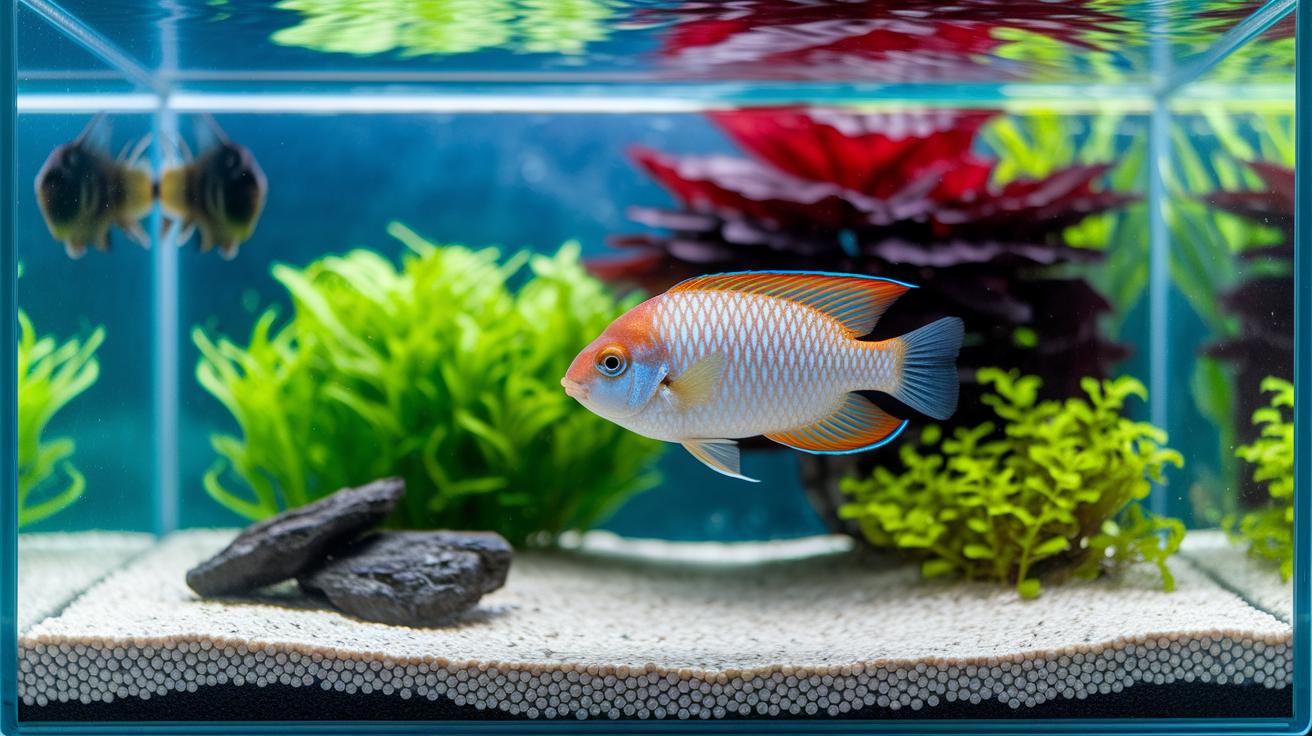
First, give your tank a good clean-up before you switch its feeding routine. Start with a partial water change and run a gravel vacuum through the substrate. This step clears out extra food bits that can boost chemicals like ammonia, nitrite, or nitrate, much like tidying a fish’s home to keep the water fresh.
After you feed your fish, try to siphon out any uneaten food within 10 to 15 minutes. This little habit helps maintain a clean tank and keeps your fish happy. Remember, warmer water speeds up your fish’s metabolism, so they may need smaller and more frequent meals. When the water is cooler, stick with small portions since their digestion slows down a bit.
Next, use a reliable test kit to check your water’s parameters. Keep a close eye on ammonia, nitrites, and nitrates during this diet transition. Doing so will help your fish enjoy their new diet flavors while ensuring their environment remains healthy and balanced.
Step-by-Step Gradual Introduction of New Foods
Changing your fish’s diet can feel as gentle as trying a brand-new ice cream flavor. Start by adding a small bit of the new feed, around 10-20%, to their usual food, whether it’s pellets, flakes, or even live or freeze-dried treats. This little mix helps your fish get used to the fresh taste and texture without any shock.
Watch how quickly the food disappears. If your fish gobble it up in about 30 seconds, they’re likely ready for a bigger portion. But if bits of food are still there after 5 minutes, that’s a sign to hold off on feeding more. It’s a bit like a bustling café where quick orders mean happiness, while a slow pace might show things aren’t quite right.
Over the next few days, slowly raise the amount of new feed by roughly 10% every 2-3 days. This step-by-step change lets their stomachs adjust smoothly, much like easing into a cool, refreshing swim. Keep an eye out for any odd behavior, sometimes a fish might only grab food if it floats just right near its mouth. Let these little signals guide you.
| Step | What to Do |
|---|---|
| 1 | Pick a top-quality new feed and prepare small amounts. |
| 2 | Mix 10-20% of the new feed with the regular food each time you feed them. |
| 3 | Notice how long it takes for them to finish, aim for 30 seconds to 5 minutes. |
| 4 | Increase the new feed by 10% every 2-3 days. |
| 5 | Adjust the feeding times based on your fish’s energy and behavior. |
| 6 | Complete the switch in about 1-2 weeks, ensuring there’s no leftover food before increasing the new feed. |
This calm, gradual method helps prevent a sudden change that might upset your fish’s tummy. As they settle into the new feeding routine, keep a watchful eye on how they eat and make sure the tank stays clean, so your little aquatic friends can thrive in a perfectly balanced environment.
Monitoring Fish Behavior and Health Indicators
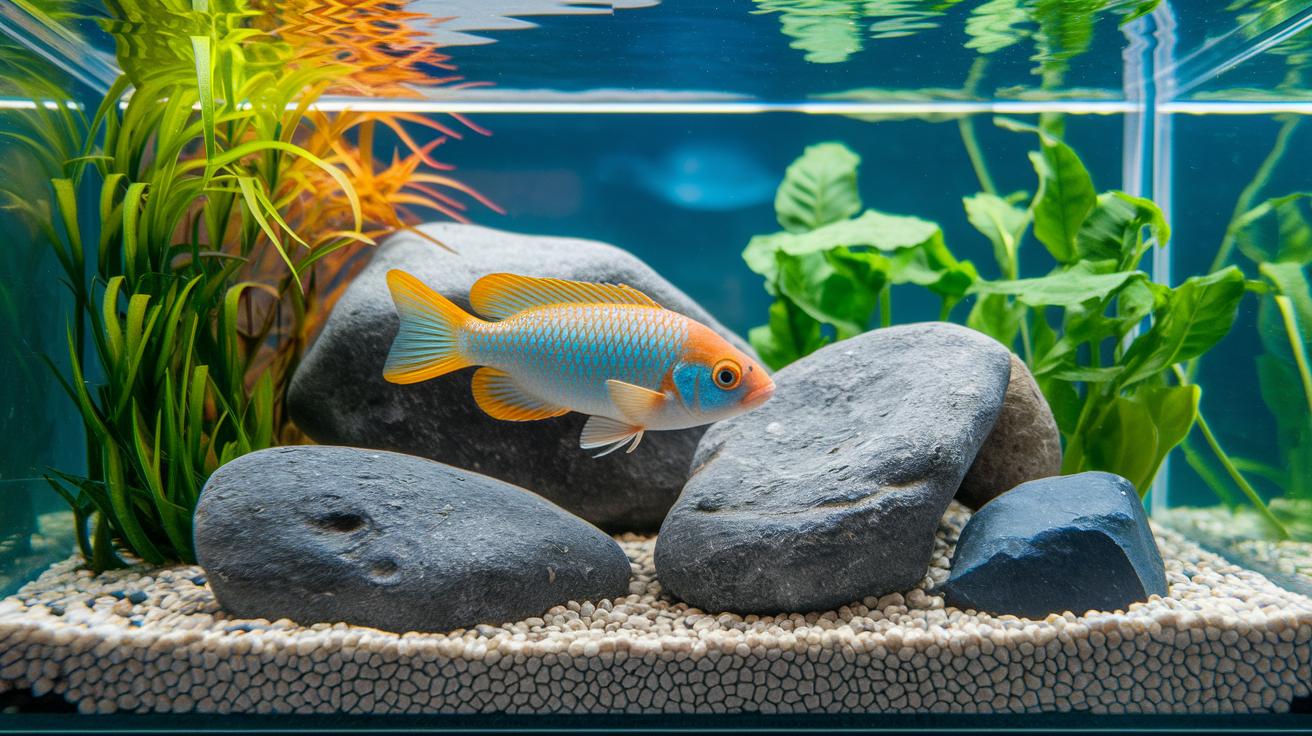
Keep a careful eye on your fish when you change their diet. If you see signs like bloated bellies, extra waste floating around, or a sudden burst of algae from leftover food, you might be feeding them too much. Sometimes, if food hangs around for more than 10 to 15 minutes, it can spike levels of chemicals like ammonia or nitrite. I recall one time when a fish got noticeably swollen and slowed down because it was overfed.
On the other hand, not giving enough food shows up differently. Fish may look thin, have sunken bellies, or lose some of their bright color. If a fish seems extra jumpy, clamps its fins, or hides more than usual, it could be stressed by the new diet. I even saw a fish that would only nibble when a pellet was placed exactly 4 mm from its mouth, which clearly wasn’t normal.
- Watch for extra food left in the tank after feeding.
- Check if your fish’s shape and color are changing.
- Test your water to see if ammonia or nitrite levels are rising.
- Notice if fish start hiding or showing bursts of unusual activity.
Regularly checking your tank water and watching these signs can help you adjust feeding early on, keeping your fish healthy and comfy during the change.
Troubleshooting Common Diet Transition Challenges
Sometimes, when a new or shy fish joins your tank, it might skip meals for a few days, usually between 3 and 7, while it adjusts to the new surroundings. This is pretty normal, like a fish taking a moment to enjoy the calm ripple of a peaceful pond. So give your fish a little time and space to settle in.
One cool trick is to feed your fish with a tube that gently releases food near where they like to hide. This way, they feel safe enough to explore their new treats. And if one fish seems too timid to join the lively group, placing it in a breeder trap can help. This quiet little space takes away the pressure of competing with others and lets you watch how it eases into the new food.
It might also help to mix things up with different textures. Try offering pellets, flakes, or even a few pieces of live food. You could even switch the feeding times to early morning or just before dusk, when the water feels calmer.
For saltwater tanks, a 4- to 8-week quarantine for new fish usually works best. This extra time helps manage any little parasites and lets the fish grow comfortable at their own pace.
- Try feeding with a tube near hiding spots.
- Isolate shy fish in a breeder trap.
- Alternate among pellets, flakes, and live foods.
- Adjust feeding times to early morning or dusk.
Maintaining Long-Term Health with New Diets
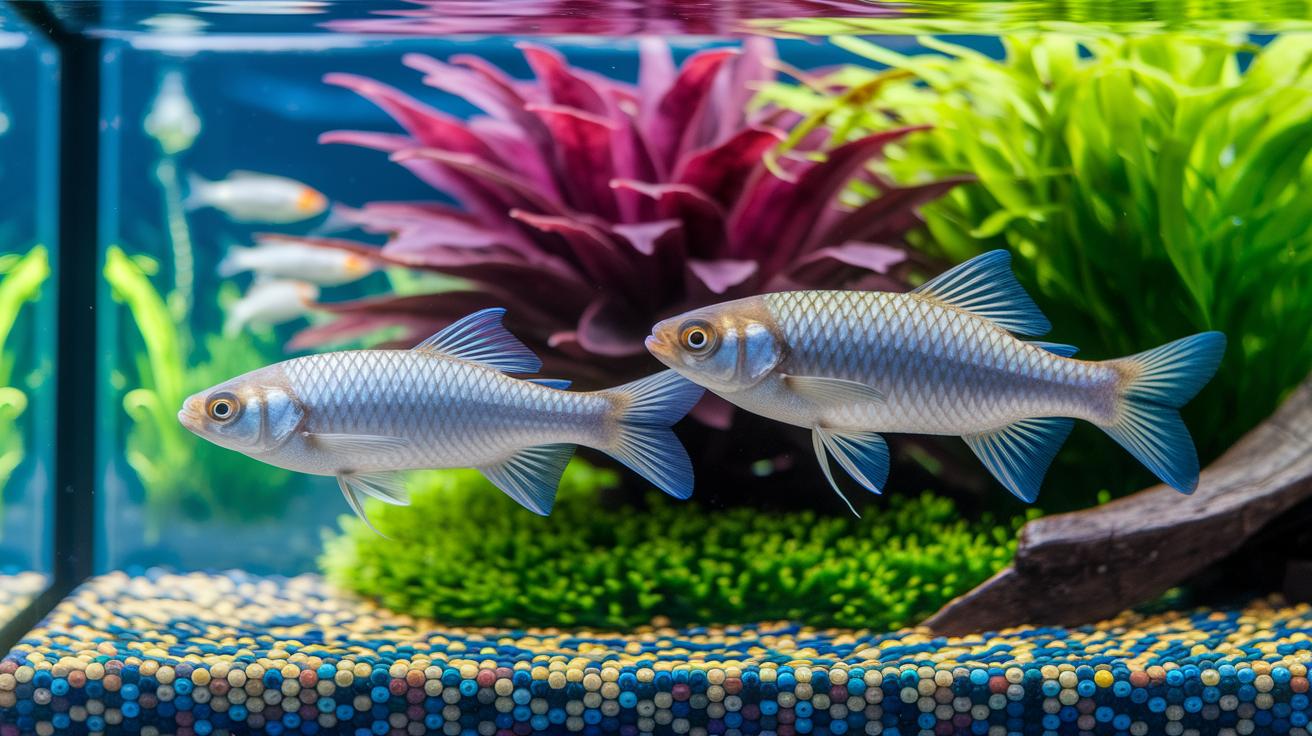
Make every meal count for your aquatic friends by planning a feeding strategy that lasts. Mix up different food types like store-bought pellets, live treats such as insects or black soldier fly larvae (those are tiny bugs that fish love), and your own DIY blends. This mix of proteins, fats, vitamins, and minerals is like offering a new dish every time, helping your fish grow strong and stay healthy.
Switch up what you serve regularly. One week, you might give them commercial pellets, and the next, a natural mix to keep things interesting. This change prevents any nutrient ups and downs that might stress your fish, much like varying your own meals to keep things exciting. And remember, fish need different amounts depending on the season, more food during warm months when their metabolism speeds up, and a little less when the water cools down.
Don’t forget to check your tank’s water often. Testing for ammonia, nitrite, and nitrate levels helps keep the ecosystem stable and your fish happy. I once tried a mixed feed plan on a hot summer day, and soon enough, my fish were notably more lively. Pretty neat, right?
Final Words
In the action, you learned how to transition aquarium fish to new diets by gradually mixing feeds, preparing your tank, and keeping a close eye on fish behavior. Breaking the process into simple steps makes the switch smooth and stress-free. Taking time for water tests and cleaning routines helps maintain a balanced, healthy environment. With patience and care, your aquatic pets will adjust nicely and thrive, bringing a spark of joy to your underwater world. Enjoy each small win as your fish settle into their new routine.
FAQ
How do I transition aquarium fish to new diets?
Transitioning aquarium fish to new diets means starting with 10–20% new feed mixed with the usual food, then slowly increasing the new feed every 2–3 days until a full switch is made over 1–2 weeks.
When is the best time to feed fish?
Feeding fish is best done when they show natural activity, usually in the early morning or late evening. This timing supports active feeding and lets you observe their behavior.
How many times should I feed fish in an aquarium?
Most fish do well with one daily meal, though some species may benefit from two to five smaller meals throughout the day, depending on their size and tank temperature.
How do I feed small fish in an aquarium?
Feeding small fish means offering extra-small portions, such as finely crushed flakes or tiny pellets, ensuring they can easily consume the feed without leaving leftovers.
How soon should I feed new aquarium fish?
New aquarium fish should be given a few hours to settle in before feeding, with small portions offered after they adjust to their new surroundings.
How long does it take to transition fish to a new diet?
Transitioning to a new diet usually takes about one to two weeks, as you slowly increase the new feed ratio while closely watching how your fish respond to the change.
How do I feed different fish in the same tank?
When feeding different fish, offer a mix of feed types suitable for various species. Placing feed in different zones or using slow-sinking foods helps meet each fish’s needs.
What should I do when my fish is not eating?
If your fish isn’t eating, check the water quality and tank cleanliness, try feeding near hiding spots, and experiment with different feed textures or feeding times to entice them.