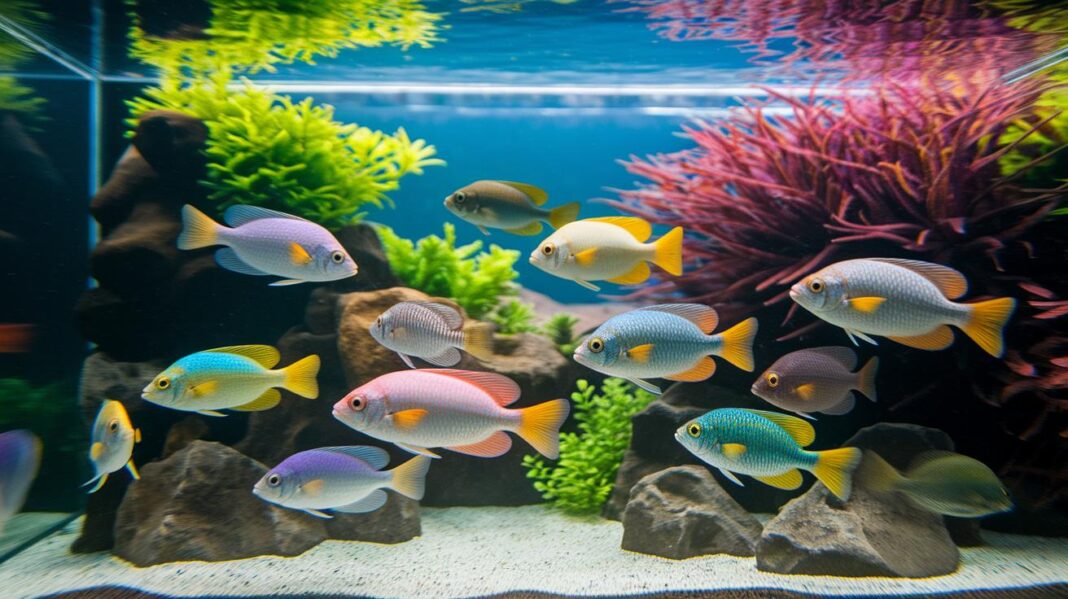

Ever wonder if your fish are getting the right nutrition? I used to think that giving them more food meant they’d be happier. But simple feeding tips we all learned as kids can actually hurt your fish’s health and mess with the water quality, kind of like too many ripples in a calm pond.
Now, I’m here to share some clear, science-backed facts to bust those common myths. With a few easy changes, you can create a healthier, more balanced home for your aquatic friends. Have you ever noticed how a perfectly still tank can make your worries melt away?
Clearing Aquarium Fish Nutrition Myths vs Facts
Over the years, many myths about feeding our aquatic friends have taken hold because fish care was mostly shared by word of mouth. A lot of us ended up using old tips without really questioning them. For example, you might have heard someone say, "Feed your fish several times a day." It sounds simple, like keeping your fish active and happy, but it can be misleading.
Some common fish feeding myths include overfeeding every day, the one-inch-per-gallon rule, relying only on pellets, and believing that fish can only grow as big as their tank. These ideas might lead you to give your fish too much food or not enough variety to meet their real needs for good health. Science shows that giving too much food can lower water quality and even cause health problems like bloat. I once thought that if fish kept eating, they must need more food, until I learned that extra food can actually harm their home.
And that one-inch-per-gallon rule? It doesn’t fit all types of fish because each species has its own dietary needs. Fish do not simply grow to match the size of their tank, so it’s important to tailor your feeding habits to each unique fish.
By sticking with evidence-based feeding practices, you can help your aquarium thrive. The right amount and type of food depend on every fish’s natural habits and energy needs. Taking time to observe your fish and seek expert advice can lead to healthier fish and clearer water, ensuring a happier home for your aquatic pets.
Feeding Frequency in Aquarium Fish Nutrition
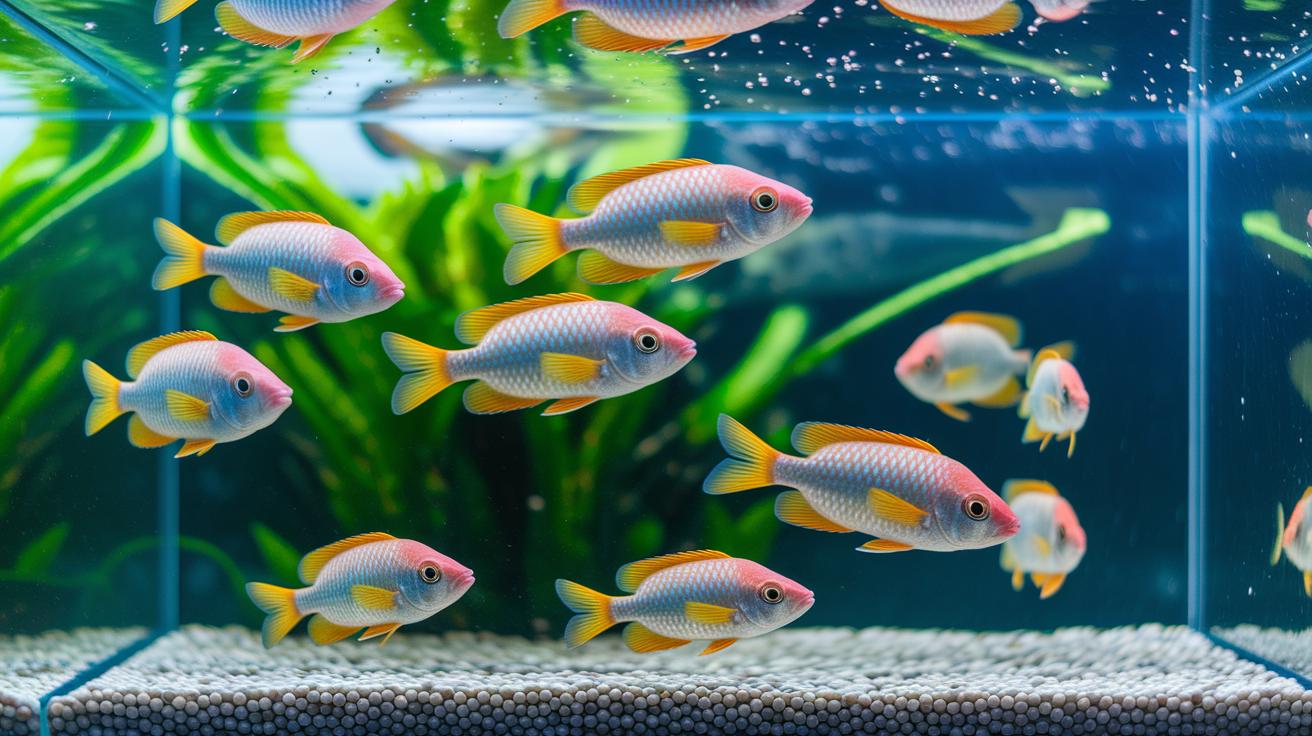
Many fish enthusiasts used to think that feeding more meant healthier fish. You’ve probably heard advice like “feed your fish several times a day” to keep them lively and happy. But when you watch your fish dart around for food, it might be a sign of hunger that makes you want to add extra meals. Instead, experts now remind us that too much food can upset the balance of nutrients and even spike ammonia levels in your tank.
Every type of fish has its own feeding schedule. For instance, a cichlid might do just fine with one hearty meal, while tetras might enjoy several smaller feedings throughout the day. Goldfish typically only need a little serving once or twice daily. Think of it like preparing a meal, you adjust your ingredients to make sure everything matches the fish’s natural eating habits. Giving them too much food not only wears on their tummies but can also raise ammonia in the water, harming their gills and overall health.
Taking a little extra time to set up the perfect feeding routine for each species can lead to cleaner water and a happier, healthier tank. Next time you see your fish swirling around, remember that steady, balanced meals are the secret to a thriving underwater world.
Overfeeding and Water Quality in Aquarium Fish Nutrition
Many fish keepers often believe that any food left in the tank means they’re feeding enough. In truth, when extra food sits around, it quickly starts to break down and releases ammonia and nitrites into the water, chemicals that can really stress out your fish. I once thought leftover food was harmless until I saw how it changed my tank’s water chemistry in not-so-friendly ways.
When too many nutrients build up from extra food, it puts a strain on your fish. They might have trouble breathing properly because their gills can’t work as well, and this can even change how they act. Imagine a fish looking slow or listless, it might be dealing with the bad water conditions created by overfeeding.
To keep your tank water clean and safe, try feeding your fish just the right amount and doing a partial water change of about 10–20% each week. This small routine helps clear away extra food and prevents chemical imbalances, keeping your aquatic friends happy and healthy.
Fish Growth vs Tank Size in Aquarium Fish Nutrition
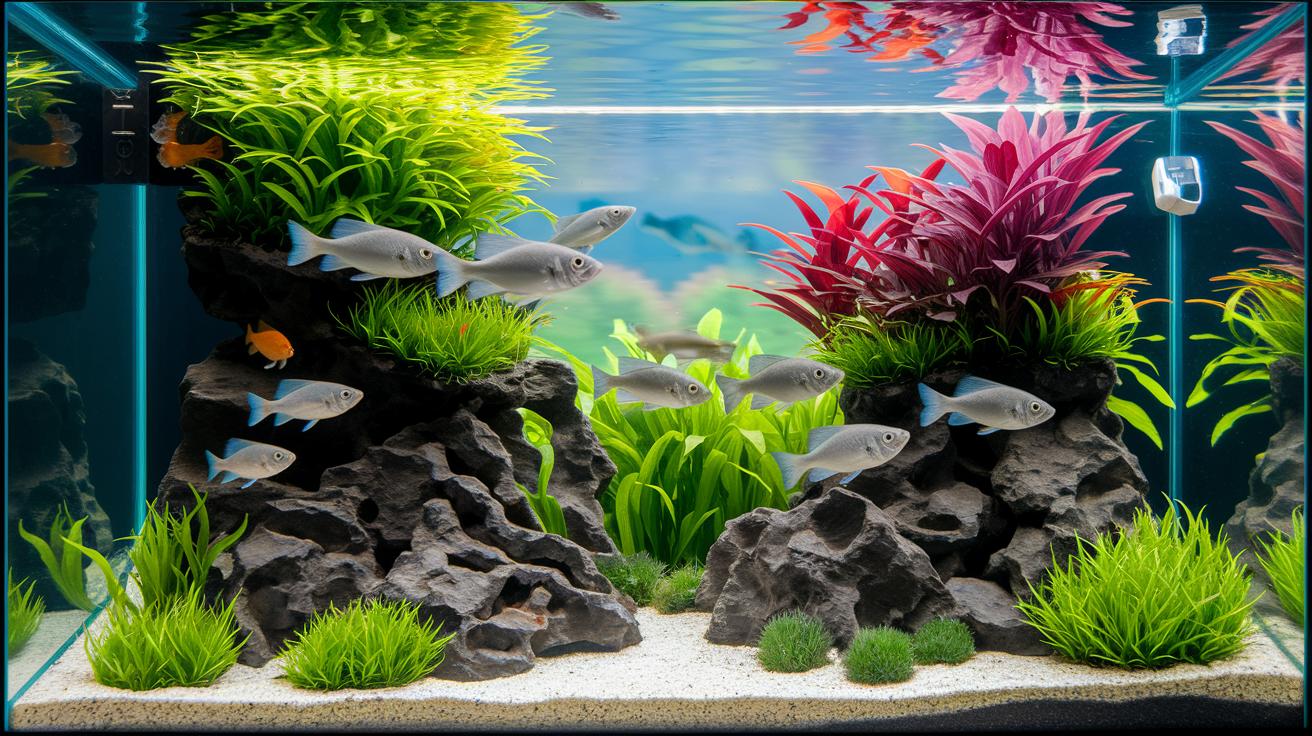
Some people think that fish only grow as big as their tank, but that’s not really true. It all comes down to their genes and the food they eat. A bigger tank lets your fish swim and act naturally, but the quality of their food is what really makes them grow, especially during their first two years. It’s like making your favorite meal; using the best ingredients with plenty of space brings out the best results.
When your fish are young, it’s a good idea to stick to a clear feeding plan that meets their needs. Feed them a mix of foods recommended for their species, and keep an eye on how they behave so you know when to adjust the portions. Also, choose a tank size that lets them move around easily without feeling crowded. This balance of good food and enough room helps your fish reach their full potential.
Algae’s Role in Aquarium Fish Nutrition Myths vs Facts
Many fish keepers often see algae as a nuisance that clogs the tank or takes away oxygen from the water. Sure, too much algae might make your water look a bit cloudy, but it’s not all bad. Algae grows naturally when you have light and enough nutrients, and a little bit of it can actually be a good thing for your aquarium. Fish even enjoy nibbling on microalgae and biofilm, which gives them extra vitamins and minerals, like a natural, organic multivitamin!
Here’s why algae can be a bonus for your fish:
| Benefit | Description |
|---|---|
| Natural Vitamins & Minerals | Provides vitamins A, C and trace elements that support overall health |
| Essential Fatty Acids & Chlorophyll | Helps keep fish active and promotes healthy energy levels |
| Promotes Grazing Behavior | Encourages natural foraging, which is great for fish behavior |
| Enhances Digestion | Boosts the production of digestive enzymes, helping with nutrient absorption |
The trick is to balance algae growth with proper tank care. By keeping an eye on nutrient levels and doing regular partial water changes, you let just the right amount of algae flourish. This way, algae becomes a helpful supplement rather than a worry, ensuring your fish stay happy and your aquarium remains a calm, balanced underwater home.
Final Words
In the action, we sorted out myths and facts about aquarium fish nutrition by challenging old feeding guidelines. We looked at how constant feeding, the one-inch rule, and misconceptions about tank size can hurt your fish. We also shared the surprising benefits of algae as part of a balanced diet. Our findings remind us that using evidence-based care leads to a clearer, healthier tank. With careful maintenance and proper feeding practices, your fish will thrive in a welcoming, vibrant underwater world.
FAQ
What are the nutritional facts about fish?
The nutritional facts about fish include a balance of proteins, healthy fats, vitamins, and minerals that all work together to support overall body function. These details can change depending on the fish species.
Is it good to eat aquarium fish?
The idea of eating aquarium fish highlights safety concerns. Many aquarium fish aren’t raised for food, which may expose them to harmful substances or parasites, so it’s best to enjoy fish intended for consumption.
What are the main elements of nutritional requirement of aquarium fish?
The main elements of nutritional requirement for aquarium fish consist of proteins for growth, fats for energy, and essential vitamins and minerals to support health and vibrant activity.
What are some fun facts about aquariums?
The fun facts about aquariums reveal that these tanks can mimic natural habitats, provide soothing views of water and life, and let fish display vivid colors and lively behavior that brighten any space.