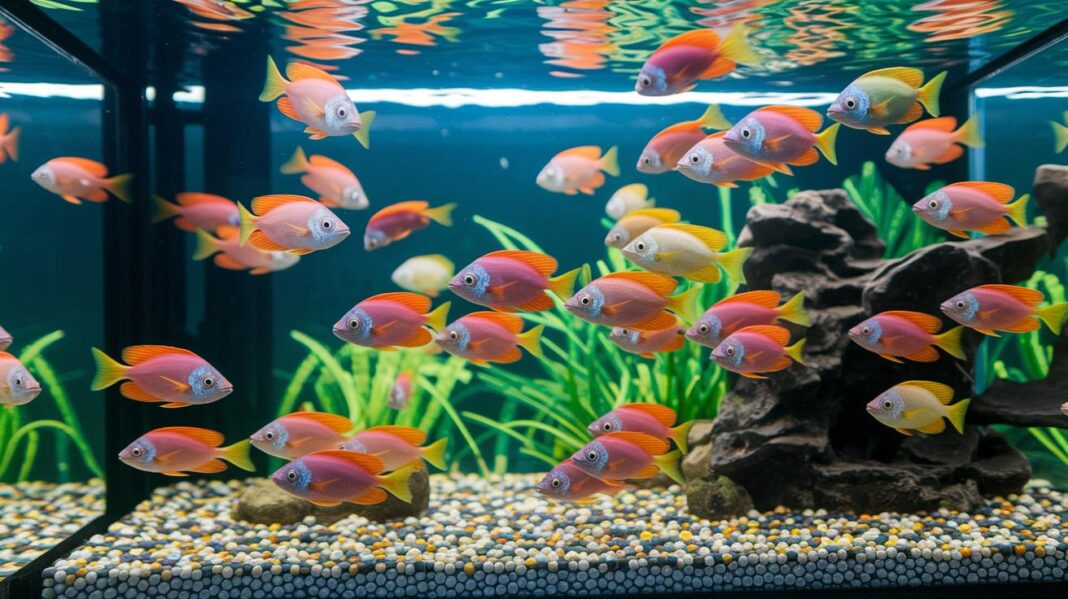

Have you ever wondered if your fish might enjoy a little variety in their meals? Many fellow aquarists stick to the same food every day, but mixing it up can lift your fish's mood and even brighten their health.
In this chat, we'll swim through different feeding options, from light, dry flakes to cool frozen treats and even live snacks, each offering something unique to your aquatic world.
So why not try a fresh choice and bring a splash of happiness to your tank?
Core Aquarium Fish Food Options and Benefits
Dry foods like flakes and pellets are a budget-friendly way to feed your fish. They spread good nutrients everywhere in the tank, but they can break apart quickly. This means that fish who eat slowly, like bottom-dwellers, might not get all they need before the food dissolves and clouds the water.
Gel foods are a top pick for many aquarists. They hold their shape for up to 24 hours underwater, which is great for fish that nibble slowly or enjoy grazing. They also mix well with medicines or even vegetables. Imagine adding a bit of extra flavor, like a gentle splash of color to your tank, mix in some crushed veggies, and you'll see how it brightens up your fish’s day.
Frozen foods feel just like nature intended. They keep the original look of treats like baby brine shrimp, bloodworms, or silversides. Even though they come with a high water content and need freezer space, many fish seem to know exactly what they like when they see these familiar forms.
Freeze-dried feeds offer a neat way to give your fish a meal that’s similar to live prey. Whether it’s brine shrimp, tubifex worms, or daphnia cubes, this food is gently dried at low temperatures to save proteins, fats, and vitamins. This means your fish get a nutritious meal that feels close to what they’d find in the wild.
Live feeds like brine shrimp and daphnia are exciting choices that spark natural hunting instincts. Watching your fish dart around after live food can really remind you of their wild side. It’s a small change that makes them feel right at home, as if they were back in the natural waters they long for.
Dry and Flake Food: Top Flake & Pellet Choices
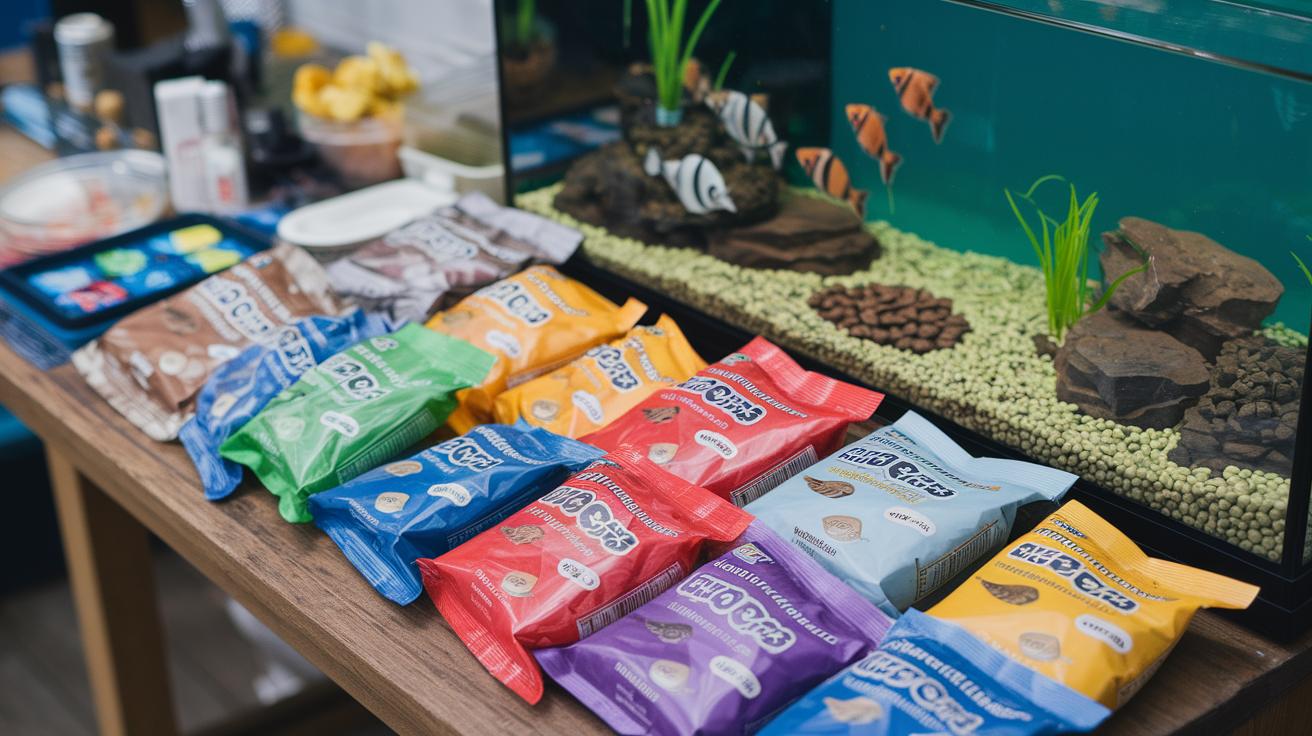
Dry and flake foods are a popular pick for fish lovers who want a steady, easy meal for their aquatic friends. They’re made with a mix of key ingredients that help bring out natural colors and support healthy growth. From budget-friendly options to protein-packed blends, these foods are tailored to meet the needs of tropical and other aquarium fish. They work well for fish that like to nibble or gulp quickly, all while keeping their nutrient strength intact.
Here are five top picks in the dry/flake category:
- Extreme Flake Food – Priced under $30 per pound, this option offers a balanced mix that suits many tropical fish, blending in essential marine elements.
- Fluval Bug Bites – Made with black soldier fly larvae, this food helps reduce extra ash content, making it a good choice for fish that need low-ash diets.
- LEGIT Community Fish Food – Crafted using a low-temperature process to keep the protein strong, this pellet is one of the least processed out there.
- High-Quality Flake Mix – This mix blends spirulina, krill, and marine plankton to deliver vitamins and pigments for a vibrant, healthy display.
- Bulk Pellet Option – Available in both sinking and floating forms, these size-specific pellets are designed to suit the feeding habits of a variety of species.
Wow, isn’t it interesting how these choices can make feeding time as refreshing as a calm day by the water?
Frozen, Freeze-Dried & Live Feeds: Comparative Table
When choosing feed for your aquatic friends, it helps to know what each option brings to the table. Freeze-dried foods are nearly ridge-dry, packing in protein for a nourishing bite. They’re perfect for a regular treat that gives your fish a healthy boost.
Frozen feeds, on the other hand, have lots of water so they keep a texture much like live prey. This can be especially nice on days when you want to treat your fish to natural flavors that remind you of a lively pond.
The table below breaks down key points like water content, protein levels, best ways to use the food, and a rough price. It’s a friendly guide whether you’re using an automatic feeder or feeding by hand. For example, freeze-dried brine shrimp are made in medium cubes that work well for larger tropical fish, while freeze-dried tubifex worms come as small rinse-and-feed cubes perfect for a quick nutrient boost. Premium PE Mysis Shrimp, known for their high Omega-3 content, are a top pick for both saltwater and freshwater tanks. And Hikari Frozen Daphnia arrives in punch cubes that lock in the benefits of live nutrition even after freezing.
| Feed Type | Water Content | Protein % | Ideal Use | Approx. Price |
|---|---|---|---|---|
| Freeze-Dried Brine Shrimp | 5% | 60% | Medium cubes for larger tropicals | $10 |
| Freeze-Dried Tubifex Worms | 5% | 55% | Small rinse-and-feed cubes | $9 |
| PE Mysis Shrimp | 5% | 65% | Premium saltwater/freshwater feed | $17 |
| Hikari Frozen Daphnia | 80% | 25% | Punch cubes preserving live nutrition | $12 |
Species-Specific Aquarium Fish Food Formulas
Betta-specific fish food comes in tiny pellets made just for little mouths. These pellets are boosted with natural ingredients that bring out bright colors in your betta, almost like watching sunlight dance on water.
Goldfish pellets are mixed with wheat germ, which helps with digestion and encourages steady growth. Think of these pellets as a gentle, well-balanced snack that makes your goldfish’s scales sparkle with a healthy shine.
Cichlid pellets pack a punch with high protein, about 40–45%, and have just the right mix of phosphorus and calcium to build strong bones. This formula gives cichlids the extra muscle and resilience they need during feeding time.
Koi supplements include vitamins A and C along with probiotics to support growth and enhance their natural hues. It’s like feeding your koi a burst of energy that makes their colors glow as beautifully as a sunlit pond on a warm summer day.
Automated Feeders & Precision Dispensers for Aquarium Fish Food
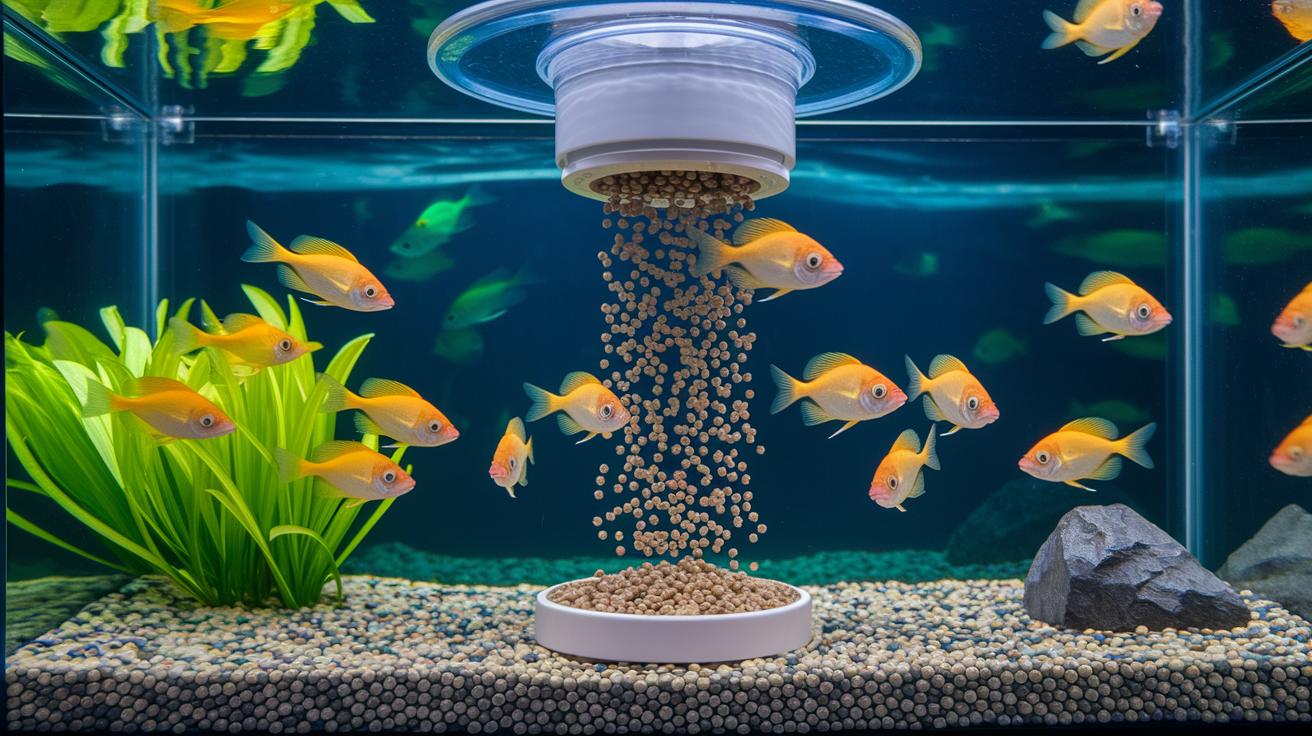
Automatic feeder systems are a clever way to make sure your fish always get their food. You can set them up to dish out food up to 4 times a day so your aquatic pals never miss a meal even when you’re not around. This smart setup helps avoid giving them too much food, which can cause extra waste and make the water murky.
Precision food dispensers take the guesswork out of feeding too. They measure out just the right amount of pellets or flakes every time, cutting down on leftover food that can cloud your tank. This steady routine is a bit like letting your fish enjoy small snacks during the day, much like natural grazing.
Consider these good points:
| Benefit | Description |
|---|---|
| Consistent Meals | Automatic feeder systems keep feeding on schedule, so your fish enjoy balanced, nutrient-rich meals without extra work from you. |
| Clearer Water | Precision dispensers help maintain great water quality by reducing leftover food waste. |
| Natural Routine | Feeding in small portions throughout the day mimics a natural grazing habit, which is great for fish health. |
Imagine an aquarium where your fish dine like clockwork, each bite measured perfectly to keep their underwater world bright and healthy.
Storage, Shelf Life & Quality Preservation of Fish Food
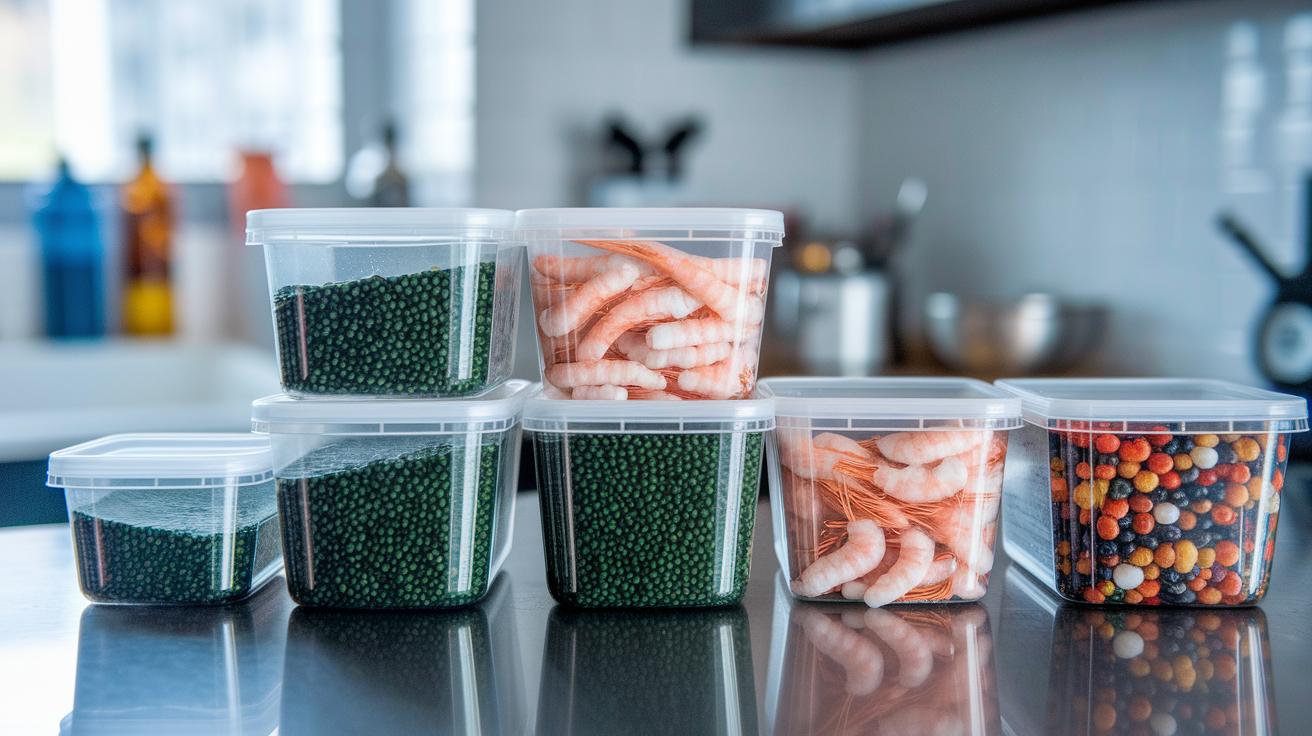
Keeping your fish food fresh is like giving your underwater pals a treat they truly deserve. Store your flakes and pellets in sealed containers in a cool, dry spot, sort of like keeping your cereal safe from stale air. This simple step helps the food stay yummy for your fish for about 6 to 12 months.
A neat trick is to vacuum-seal your food or toss in a packet of desiccant to keep moisture away. At mealtime, you might even mix in a water-soluble vitamin boost to ensure your fish are getting that extra bit of care.
Also, picking eco-friendly packaging and ingredients that are sourced responsibly not only delights your fish but also takes care of our planet. It’s similar to choosing fresh, natural ingredients for your meal, great for taste and for the environment.
DIY & Advanced Nutrient-Rich Aquarium Fish Food Recipes
Ever wondered how to treat your fish to a gourmet meal? Making your own fish food is like preparing a special banquet underwater. With easy-to-find ingredients such as fish meal, shrimp, and spirulina (a blue-green algae that packs a protein punch), you can whip up a homemade gel exceeding 55% protein on a dry weight basis. One aquarist even shared how his fish became more vibrant and active, almost as if they were tasting a gourmet meal every day, after switching to his own recipe.
Creating these gels is not only about boosting nutrition, it's also a fun way to mix in extra goodies. Whether you add fresh vegetables, medications, or probiotics for a healthy gut boost, each addition transforms your gel into a balanced, nutrient-rich treat. It’s a bit like adding a pinch of seasoning to your favorite dish. While commercial products such as Mazuri and Repashy Soilent Green gel foods work well, making your own means you have full control over every ingredient going into your aquatic feast.
Why not try experimenting with different recipes? Combining shrimp, krill, fish hydrolysate (simply broken-down fish proteins), and cod liver oil can mimic scientifically proven diets that promote bright colors and strong health in your fish. Imagine chatting with a friend and saying, "I whipped up a small batch of fish food in minutes, and now my aquatic pals seem to savor every bite!" Enjoy the process, it’s like watching bubbles dance in a sunlit aquarium.
Final Words
In the action, we broke down each type of aquarium fish food, from flakes to live feeds, highlighting their unique benefits. The outline walked us through options for dry, frozen, and even DIY recipes, each tailored for different breeds and feeding needs.
We also touched on tools like automated feeders and storage tips to keep your tank thriving. Embracing the right aquarium fish food can truly make your aquatic habitat a vibrant, healthy home. Enjoy building your underwater haven!
FAQ
What is the best food for fish in an aquarium?
The best food for aquarium fish involves balanced, species-appropriate options like high-quality flakes, pellets, or live foods that provide essential nutrients to support healthy growth and vibrant colors.
What’s better, fish flakes or pellets?
The answer compares flakes and pellets; flakes offer surface feeding suited for mid-level feeders, while pellets sink for bottom dwellers. Pick based on your fish’s natural feeding habits and tank setup.
How often should you feed aquarium fish?
Feeding aquarium fish two to three small meals a day replicates natural grazing. This routine supports steady nutrient intake without overwhelming the water, helping maintain a cleaner, balanced environment.
What is a good substitute for fish food?
A good substitute can be a homemade gel food or specially blended formulations that mimic commercial feeds. They are crafted to deliver essential proteins, vitamins, and minerals tailored to your fish’s needs.
Where can I buy quality aquarium fish food?
Quality aquarium fish food is available both online—from retailers like Amazon—and at local pet stores. Look for products that specify target species, ensuring the nutrition suits your tank inhabitants.
What brands and bulk options are available for tropical or pond fish food?
Popular brands like Tetra and Hikari offer trusted, nutrient-rich formulas. Additionally, bulk options for tropical fish or pond varieties are available, providing cost-effective choices for larger or specialized setups.