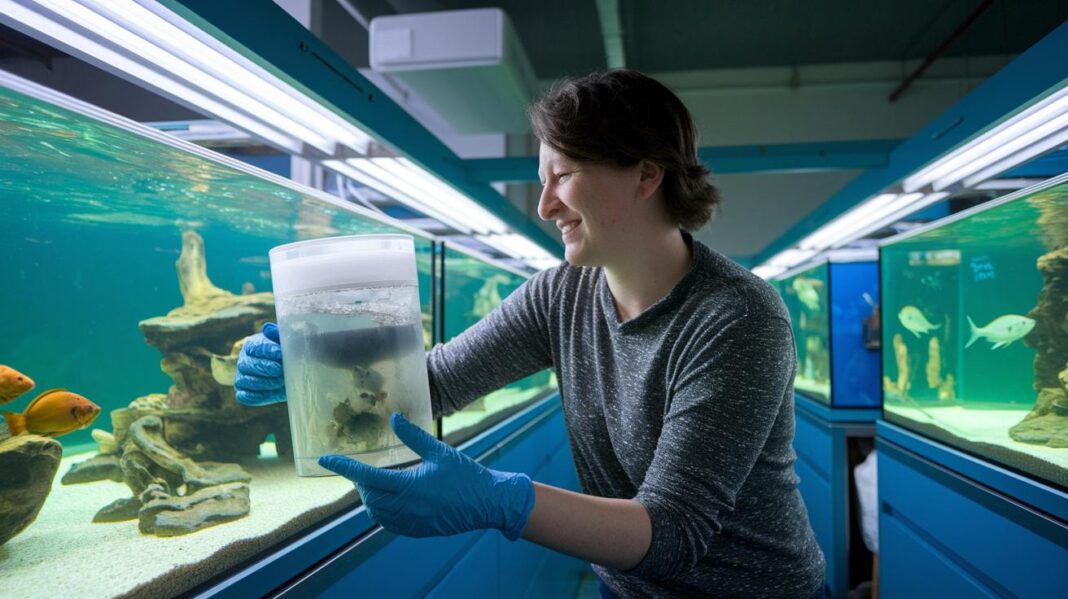

Ever notice your aquarium water getting a bit cloudy sometimes? It might be because your filter, the heartbeat of your underwater world, needs a little extra care. This filter works quietly to keep your fish and plants safe, just like how a garden thrives with a bit of attention.
Cleaning your filter is a bit like tending to a tiny garden, it’s a simple task that creates a big ripple effect in your tank. In this guide, you'll find easy steps and common tools to help keep your filter in tip-top shape.
Sometimes, a little routine maintenance is all it takes to create that gentle, clear ripple across your underwater paradise. So, why not dive in and give your filter the love it deserves for a happy, healthy tank?
Aquarium Filter Cleaning Guide for Beginners: Easy Fixes
Your aquarium filter is the beating heart of your underwater world. It keeps the water flowing and stops dangerous ammonia from taking over. When it runs smoothly, your fish, plants, and other aquatic buddies get to enjoy fresh, clear water. Before you start, be sure to take a few safety steps. Turn off your filter and any UV sterilizers to slow everything down. And cover nearby surfaces with towels or plastic so you don’t have any messy spills, just like laying down a mat before cleaning up a small puddle.
Next, gather these helpful supplies:
- A bucket for some tank water
- A soft brush or even a toothbrush
- Protective gloves
- Towels or plastic sheeting
- Replacement media like sponges or floss
- A container with dechlorinated water
Using these tools will make the cleaning process safe and easy. One great tip is to rinse your filter media with water straight from your tank. This helps keep the good bacteria that break down waste safe and sound. These bacteria can survive a short break in water flow, so a quick rinse won’t hurt them. Always remember to power down your equipment first and handle each piece slowly. This careful approach not only keeps your filter in tip-top shape, but it also helps your tank stay a lively, happy home for your aquatic friends.
Aquarium Filter Types and Media Components

When setting up a fish tank, you usually come across three main filter types: sponge filters, hang-on-back filters, and canister filters. Sponge filters are gentle and ideal for small or sensitive tanks, while hang-on-back filters offer a neat mix of strong cleaning and easy access to the filter media. Canister filters, which sit outside the tank, are built to handle lots of water and heavy cleaning work. Each filter has its own way of keeping your tank clear and tidy. For instance, a sponge filter’s simple design means you can easily take it out and rinse it to clear off any trapped dirt.
Inside every filter is a special arrangement of media that plays a big role in making your water sparkle. You start with coarse sponges or ceramics that grab larger bits of debris. Next comes a layer of medium sponges that catch the next size of particles. Then, fine floss or foam picks up tiny bits before the water moves through a final filter stage of chemical media like activated carbon, which helps polish the water. Think of it like sifting sand through different nets, preventing clogs and stretching out the time between deep cleans. Ceramic media usually only needs a replacement if it starts to look worn out, helping you keep the cleaning routine smooth and easy.
Establishing a Filter Maintenance Schedule
Caring for your filter is a lot like watching over a beloved fish tank. Every day, take a moment to check that the water flows smoothly and that no unwanted debris or algae is blocking the inlet. It's also a good idea to inspect the hoses and fittings to ensure everything is secure. This daily peek helps you catch little issues before they grow, keeping your tank safe and your fish content, especially when your setup is lively or a bit messy.
Each week, give your filter a closer look by measuring its water output. If you notice the flow slowing down, it could mean the filter media is getting clogged or that the filter might dry out soon. Use what you observe from these daily and weekly checks to tailor your cleaning routine. Adjust your schedule according to your tank size, filter capacity, and fish load. And if you hear any strange sounds or see the water losing its sparkle, don’t wait, make changes quickly to maintain a healthy aquatic home.
Cleaning Internal and External Aquarium Filters Step-by-Step

Internal Filter Cleaning
First, gently lift your internal filter out of the tank like you're handling a precious shell. Take your time to separate the media trays so you can see the sponges and cartridges clearly. Now, give these parts a little swish in some old tank water. Doing this helps keep the good bacteria safe that your fish rely on. Then, with a small brush in hand, scrub the impeller and its housing to remove any stubborn bits. Finally, rinse everything with clean tank water. This simple routine, done in a few hours, makes sure your filter keeps humming along without disturbing the natural helpers in your tank.
External Canister Filter Cleaning
When it comes to your external canister filter, start by turning off the power because safety comes first. Carefully pull off those hoses, using a tea towel underneath can help catch any drips, much like laying a little net under your favorite fish bowl. Open up the canister to get at the media inside. Rinse the pieces in order: begin with the coarse layers to sweep away the big particles, then move to the medium and fine layers using water from the tank. Be sure to clean the hoses and the impeller assembly too, so no grime is left behind. This step-by-step method clears out debris while keeping your filter’s parts just the way they should be.
Reassembly and System Check
After cleaning, it’s time to put everything back together. Begin by arranging the media in their proper order: start with the coarse material, follow with the medium, then the fine, and finally add any chemical media like activated carbon or floss if you use it. Once the media is in place, reassemble the filter and reconnect the hoses carefully. Lastly, prime the filter according to the manufacturer’s directions and run a system check to be sure everything flows smoothly. Following these steps helps keep your water sparkling clear and your aquatic friends happy.
Troubleshooting and Long-Term Filter Performance
When your filter starts to act up, like slow water flow, a noisy or stuck impeller, or sponges that seem to have lost their shape, it’s a good idea to take a closer look. Think of it like a little ripple in a calm pond that signals something’s off. Try testing the impeller’s spin and check for any blockages; this usually helps pinpoint the issue.
If you find the filter media is clogged, clean it out gently. And if you’re unsure what to do next, just have a peek at the manufacturer’s manual for any special instructions. I like to replace worn sponges gradually so that the mechanical filtration transitions smoothly without a sudden drop in performance. Often, a bit of cleaning is all it takes to keep your tank swimming along nicely.
For long-term care, stick to regular cleaning routines and make sure the filter media is placed back correctly. This helps both the mechanical and biological processes run like a well-tuned aquarium. Only swap out your media when it starts to look deformed, crumbles, or stays clogged, ceramic media, for example, rarely needs replacing unless it’s very worn. Taking care of these small details ensures your filter stays efficient for longer, giving you clear water and a happy aquatic home.
Final Words
in the action, this article walked you through setting up and maintaining your tank’s lifeblood, the filter. We touched on safety steps, essential supplies, and proper media care to keep the water clear and your fish happy.
The step-by-step routines, from rinsing media with tank water to careful reassembly, form our aquarium filter cleaning guide for beginners. Enjoy seeing your underwater world thrive with every gentle cleaning act.
FAQ
What is the best DIY aquarium filter cleaning guide for beginners?
The DIY aquarium filter cleaning guide for beginners outlines simple, safe steps to keep your filter running smoothly. It advises using basic supplies, turning off equipment, and cleaning media in old tank water to preserve good bacteria.
How can I clean my aquarium filter without harming beneficial bacteria?
Cleaning the aquarium filter without harming bacteria involves rinsing media with old tank water instead of fresh tap water. This method keeps the tiny helpers intact while removing debris.
How do I clean my fish tank without removing the fish?
Cleaning your fish tank without removing the fish means working carefully to avoid sudden changes. The guide suggests partial water changes, gentle siphoning, and cleaning areas that won’t stress your fish.
How often should I clean my fish tank and its filter?
The frequency for cleaning your fish tank and filter depends on fish load and tank size. Regular visual checks daily and deeper cleans weekly help maintain proper water flow and overall tank health.
How can I clean my fish tank with no special equipment?
The guide explains that you can use everyday items like buckets, towels, and a soft brush to clean your fish tank when no special equipment is available. This method is simple and effective for basic upkeep.
How often should aquarium filter pads be replaced?
The FAQ indicates that filter pads should be replaced only when they lose shape or become heavily clogged. Routine cleaning may extend their life, ensuring continued filtration without unnecessary replacement.
Should I turn off the filter when cleaning the fish tank?
Yes, the guide suggests turning off the filter during cleaning to prevent water flow from disturbing the media and to offer safety. This pause also protects the good bacteria from sudden water changes.
In what order should the aquarium filter be reassembled?
Reassembly starts with placing the coarse media first, followed by the medium sponge, then the fine floss or foam, and finally any chemical media. This order traps larger debris first, allowing finer filtration afterward.