

Ever wonder if your tank setup might be causing a bit of stress to your fish? Even a small mistake with water care can leave your finned friends feeling uneasy. Think of your aquarium as a tiny, lively garden where every drop matters. In this guide, I'll share how regular water tests and gentle filter care help keep the water sparkling and your fish and beneficial bacteria happy. By keeping the pH balanced and watching your water chemistry, you're creating a vibrant underwater space, a calm retreat for you and a safe haven for your fish.
Core Water Quality Management for a Healthy Aquarium Ecosystem
Keeping your water clean is the bedrock of a happy tank. It all starts with regular testing. Try to check your water every day or at least a couple of times a week. Keep an eye on pH levels so they stay between 6.5 and 7.5, and make sure ammonia and nitrites read as zero. You might think, "Nice! My tank's pH was 7.0 today and no harmful chemicals were detected!" which is really a win for your fish.
Good water care is also about respecting the nitrogen cycle. Fish waste creates ammonia, which friendly bacteria turn into nitrites and then into nitrates. It’s a natural process, a bit like how a river spreads and dilutes substances. By keeping ammonia and nitrites at zero, you're building a balanced environment that helps your fish thrive.
Managing your aquarium’s chemistry isn’t just about testing, it’s about fixing issues quickly, too. If your pH slips out of the 6.5 to 7.5 range, using something like Aquarium Equaliser can adjust it in about 15 minutes. I once heard of someone who saw a slight pH dip that really stressed their fish, but a swift fix saved the day.
Regular tests and quick adjustments go hand in hand. It’s all about making your tank mimic the gentle, natural flow of fresh water. This approach keeps the whole ecosystem strong so your aquatic pals continue to flourish.
Filtration Strategies to Support a Healthy Aquarium Ecosystem
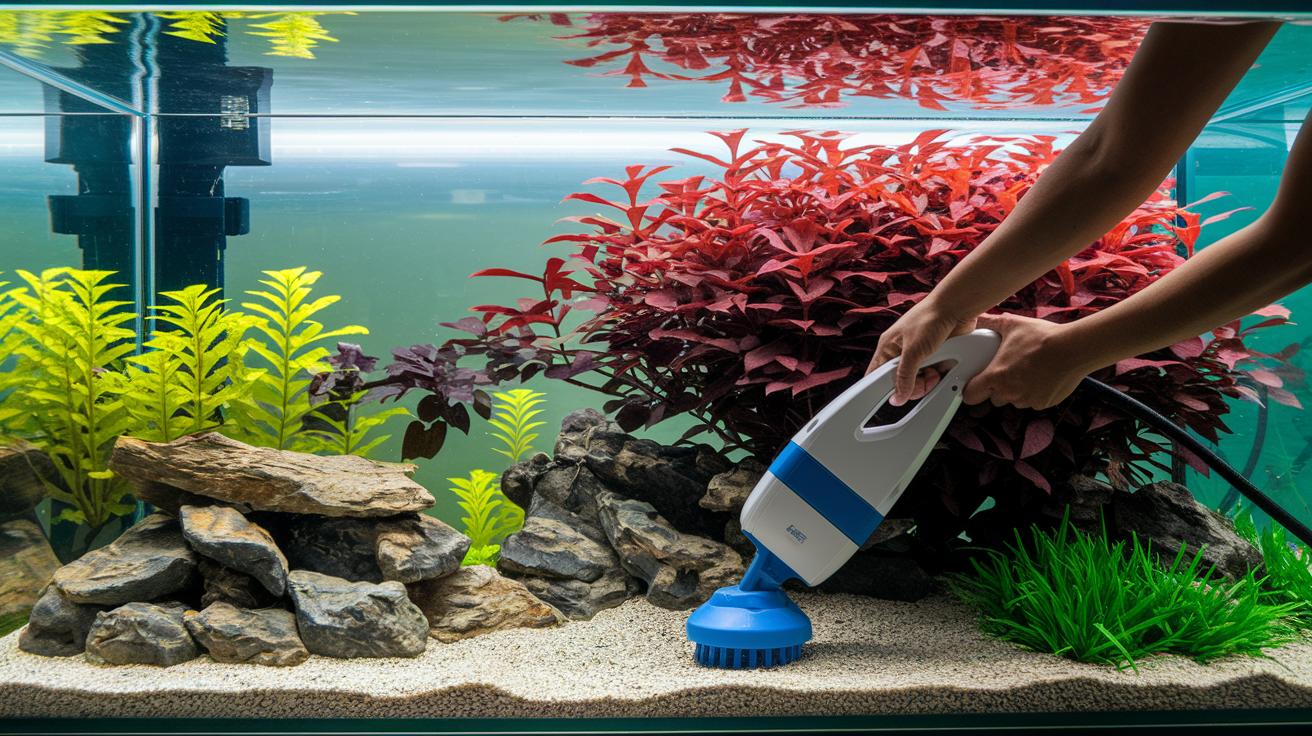
Keeping your filter in great shape is like caring for a small patch of underwater paradise. You want to use water from your tank when you rinse filter parts so the helpful bacteria stay right where they belong. For instance, when cleaning your sponge filter, give it a quick rinse with tank water to protect those good bacteria that help break down harmful compounds. These little critters work hard to make your water safe and cozy for your fish.
Mixing up mechanical and biological filtration is a smart way to keep your tank clean. Mechanical filtration catches bits of debris, while biological filtration lets bacteria break down waste naturally. Over time, changing out your filter parts on schedule is like swapping out an old bike gear, it keeps everything running smoothly. A little effort now means a healthy, happy tank later.
Deep sand beds add another layer of natural cleaning magic to your aquarium. They work slowly as special bacteria turn nitrate build-up into harmless nitrogen gas. Even though it takes a while, the gradual drop in toxins makes the process worth it. Using both mechanical and biological methods together helps your tank mimic the natural calm and flow of a clear stream.
Regular care that blends technology with nature really makes a difference. Rinse, replace, and combine these techniques to keep your aquarium sparkling and full of life.
Routine Water Changes for Maintaining a Balanced Aquarium Ecosystem
Regular water changes are the heartbeat of a happy aquarium. Swapping out 20 to 30% of your tank’s water each week is like giving your fish a refreshing dip, it helps clear away extra nutrients and keeps nitrates under control, ensuring your aquatic pals feel right at home.
When it comes to cleaning, start by using a gravel vacuum. Think of it as a gentle sweep that clears away bits of debris tucked away in the substrate. It’s similar to a mini deep-clean, leaving your tank as inviting as a quiet stream.
Don’t forget to add a de-chlorinator when you refill your tank. Since tap water can carry chlorine and heavy metals, this little helper protects both your fish and the friendly bacteria that keep your aquarium’s nitrogen cycle on track.
Setting a routine is key. By marking your calendar with a weekly reminder, you’ll make sure these water changes become a natural part of your aquarium care. Stick with this plan and you’ll have a vibrant, balanced underwater world that thrives over time.
- Replace 20 to 30% of your water each week.
- Use a gravel vacuum to clear away debris.
- Add a de-chlorinator every time you refill your tank.
Lighting and Plant Care to Boost a Healthy Aquarium Ecosystem
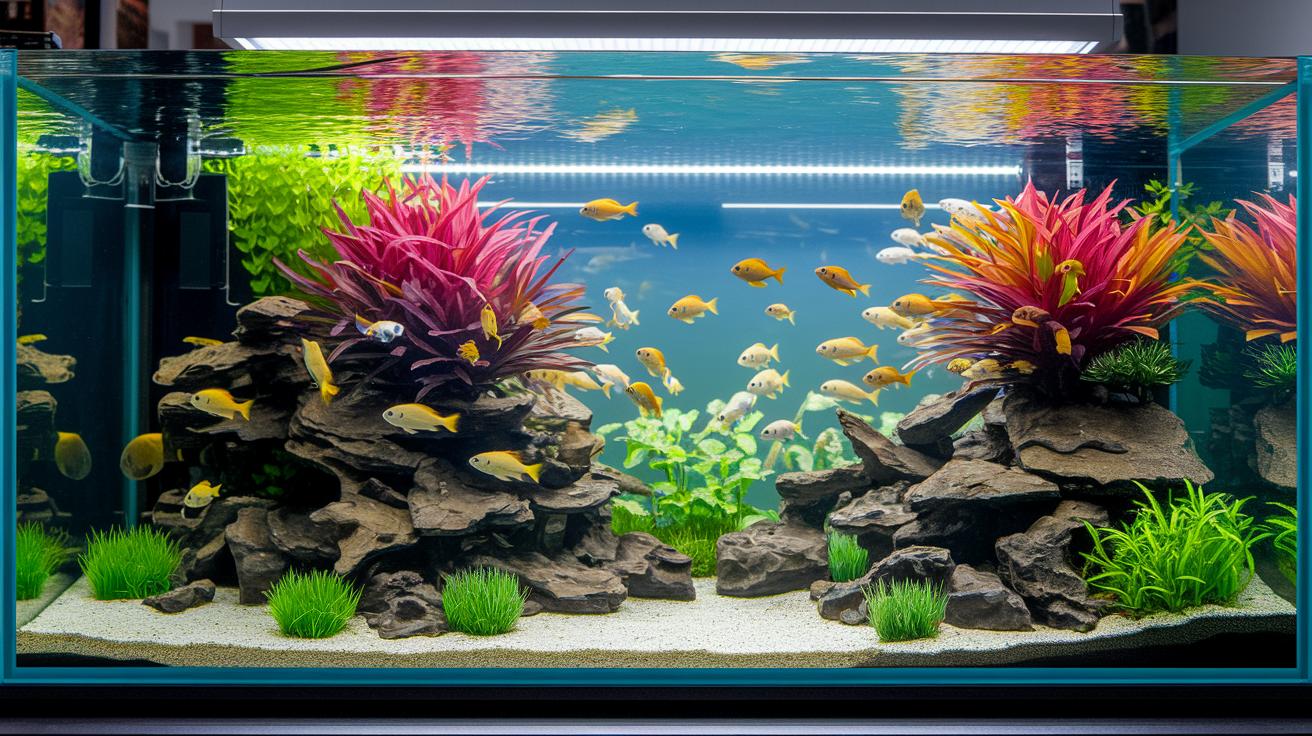
Good lighting is the heart of a lively tank. Using LED lights for about 6 to 8 hours each day creates a gentle day-night rhythm for your aquarium. Adjusting the brightness keeps pesky algae from taking over, so you avoid that murky green water. Sometimes a softer glow in the middle of the day is just what you need to keep everything balanced.
Pairing your lights with a smart setup of stem and floating plants makes all the difference. These plants not only add lovely touches to your tank but also work like natural filters, soaking up extra toxins. Think of them as your tank’s own little water cleaners. Just be sure to choose plants that love your specific light settings. One friend even said she could watch her tank all day because her plants looked so full of life!
When setting up your aquarium, add a 1.5 to 2-inch layer of substrate enriched with fertilizers. This gives plant roots a cozy, nutritious home where they can grow strong. If your plants seem to need a boost, a bit of extra nutrient supplementation might do the trick. You can even check out online guides like the one on caring for aquarium plants to help you pick the right products.
Keep an eye on your lighting and plant health regularly. With a little care, you’ll have a tank that’s not only stunning to look at but also a balanced little ecosystem for all your aquatic friends.
Chemical Treatments and Dechlorination in Maintaining a Healthy Aquarium Ecosystem
Getting your tank sparkling starts with the right chemical treatments. First, treat your tap water with a dechlorinator like Aquarium Chlorine Klear. This little helper removes chlorine and heavy metals, keeping your fish safe and the helpful bacteria in your tank happy. Need a step-by-step guide? Check out how to dechlorinate water for fish at this link: how to dechlorinate water for fish.
When your tank turns green with algae, don’t worry. A bacteria-based treatment like Aquarium Klear can clear up those blooms naturally. Also, adjusting your lighting and keeping your filtration system in top shape really helps cut down extra nutrients. All these steps work together, like a team of tiny fish, to keep your water balanced and your aquarium healthy.
Always follow the instructions on each product and test your water regularly after treatment. These simple practices help catch any issues early so you can enjoy a clean, safe environment where your aquatic pals can thrive.
Monitoring Fish Health and Feeding for a Stable Aquarium Ecosystem
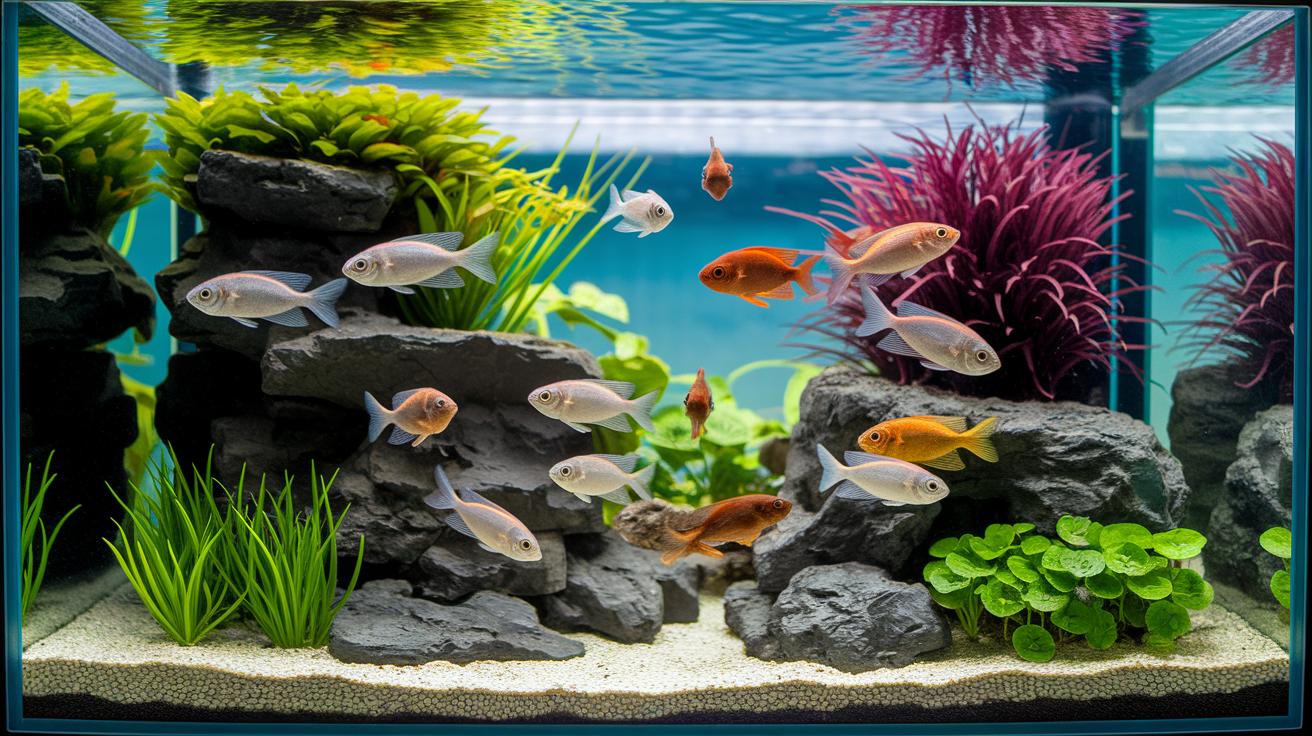
Taking a few moments each day to watch your fish can make all the difference. When you spend time observing them, you can quickly notice if one seems off, whether by acting lethargic or hiding more than usual. This daily check lets you nip any potential problems in the bud and adjust your care routine as needed.
Feeding your fish the right amount is just as important. Try to offer only what they can eat in about 2 to 3 minutes. This simple rule keeps leftovers from spoiling the water and stressing out your fish. Overfeeding not only disrupts the delicate balance of the tank, but it can also feed harmful bacteria.
Creating a tank that feels like a natural home can help your fish feel at ease. Adding plenty of live plants, caves, driftwood, and rock formations gives your fish cozy hideaways. These natural spots help reduce stress and keep your aquatic friends happy and healthy.
By making these small adjustments each day, you are taking a proactive step toward a balanced and vibrant aquarium. Keeping a simple checklist for both health checks and feeding routines can help ensure that your underwater world stays crystal clear and full of life.
Establishing and Cycling a Self-Sustaining Aquarium Ecosystem
Let your aquarium find its own natural beat. It’s best to let your tank settle for a few weeks before you add lots of fish. During this time, friendly bacteria work to transform harmful ammonia into nitrites and then into nitrates, much like the gentle flow of a river. Starting with only a few fish keeps the water in balance and helps keep your finned friends stress-free.
One handy tip: add just a few fish at first so the tank’s balance isn’t overwhelmed. I remember a friend saying, "Starting slow saved my tank!" By gradually adding more fish, the good bacteria can keep up with the waste. And if you decide to have a busier tank later on, a CO₂ injection system can boost plant growth, which naturally helps keep the water clean.
You might also want to add a deep sand bed to your setup. Hidden in the compact sand, special bacteria slowly change harmful nitrates into harmless nitrogen gas. It may take a little while to kick in, but think of it as nature’s own, slow and steady cleaning crew. Plus, fast-growing plants and extra bacterial colonies work together to create an underwater garden that feels as natural as a real stream. They help regulate the nitrogen cycle while adding a lush, green touch to your tank.
Remember, keeping your tank healthy for the long haul means being patient, regularly checking the water quality, and using natural methods. Starting with just a few fish and letting your tank mature slowly will create an ecosystem that looks after itself for many years.
Final Words
In the action of setting up your tank, we covered water quality testing, proper filtration, and scheduled water changes. We also touched on using the right lighting and caring for aquatic plants, plus safe chemical treatments and effective fish observation. Each tip supports maintaining a healthy aquarium ecosystem that feels inviting and balanced. These practical steps help create a calm underwater space where both fish and plants thrive. Enjoy watching your tank come to life with clarity and care!