

Ever wonder how a simple rock can work wonders for your aquarium? Lava rock is more than just a pretty stone. Its bumpy, natural surface gives a comfy home for the hardworking bacteria that help keep your tank clean. Plus, it offers plants a firm spot to hold onto as they grow strong and green.
Imagine clear water and lively plants all dancing together, thanks to this natural helper. This guide shows you how lava rock can add a stylish touch while keeping your underwater world balanced and healthy. Dive in and discover nature's little secret to brighten up your aquarium!
Comprehensive Aquascaping with Lava Rock Guide
Lava rock is a real gem for your aquarium. Its rough, porous surface offers a cozy home for tiny bacteria that work hard to change harmful ammonia and nitrite into safer substances. This simple natural trick improves your water and makes a healthier space for your fish and plants. Ever notice how nature finds the best ways to clean itself?
Because lava rock comes in different sizes, from fine gravel to chunky pieces, it can work as both a striking decor piece and a solid base for your tank. Its rugged touch and earthy black or red shades add depth and contrast, giving your aquatic world a warm, inviting look. Picture soft green plants nestling into a strong rock, finding the perfect grip to grow. A quick rinse and soak before you add it to your tank helps wash away any dust and keeps your water steady.
Taking the time to rinse and soak the lava rock removes loose bits that might cloud your water. Then, arranging it carefully encourages natural water flow through the tank, supporting plant roots and making snug little homes for other creatures. This guide covers why lava rock is so good for your aquarium, how you can use it as both a decoration and foundation, and steps to prepare it safely. Enjoy turning your tank into an underwater haven that feels as natural as a gentle stream.
Key Benefits of Lava Rock in Aquascaping
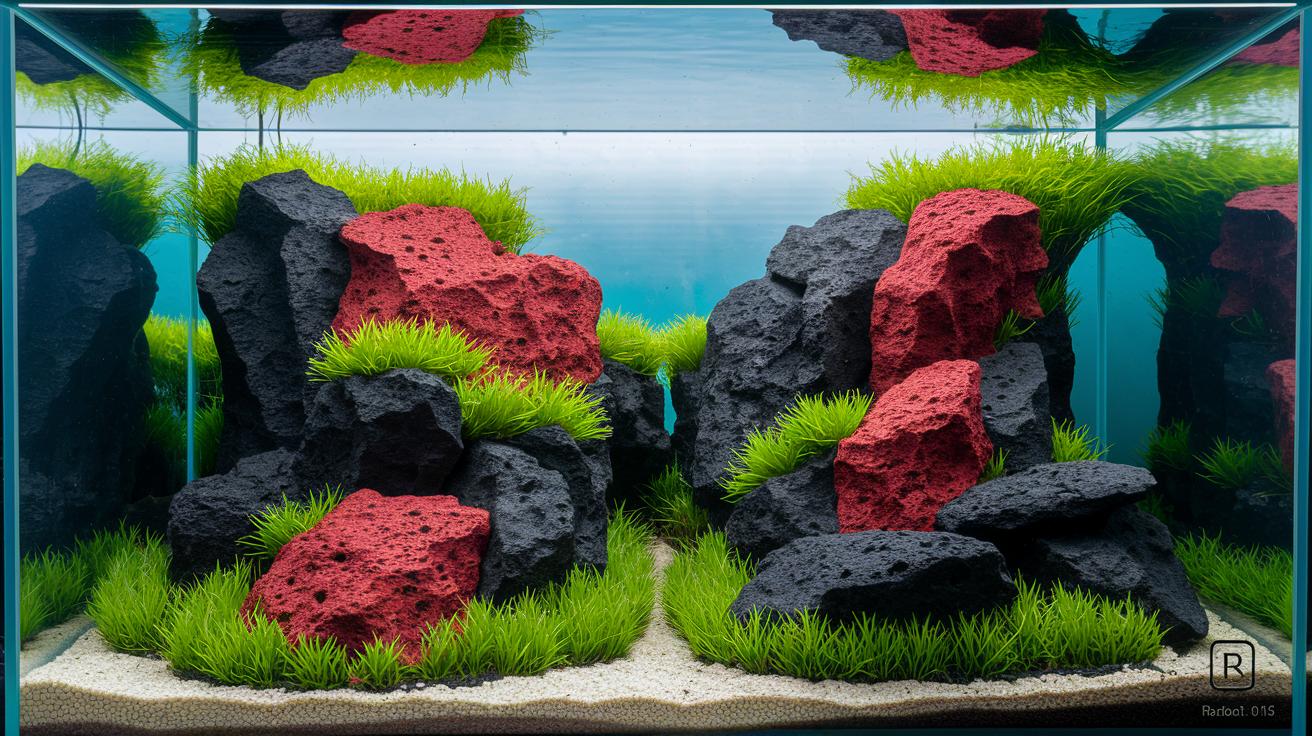
Ever thought about adding a natural touch to your tank? Lava rock brings a unique charm that’s both practical and low-maintenance. Its bumpy surface is a perfect playground for good bacteria that help keep your water clear and fresh. It offers solid spots for plant roots to settle and cozy hideaways for tiny aquatic friends.
You’ll love these benefits:
- It creates a home for helpful bacteria that improve water quality.
- Its textured surface gives plants a firm grip.
- Natural trace minerals help balance your tank’s pH.
- It’s built to last, withstanding routine cleaning over the years.
- Its striking red and black shades add a splash of color to your aquascape.
A quick, gentle rinse during your cleaning routine is all it takes to keep this rock in prime condition, ensuring your aquatic world remains a serene and thriving habitat.
Selecting the Best Lava Rock for Aquascaping
When you’re picking lava rock for your tank, keep in mind both the color and size that fit your design vision. For instance, black lava rock makes bright green plants really pop, while red lava rock brings a warm, rich vibe to your setup. Just imagine a streak of deep red contrasting with lively foliage for a truly striking effect.
The rock’s texture matters too. Finer pieces work great for front carpeting, creating a smooth base that lets delicate plants shine. Meanwhile, larger chunks, ranging from tiny 2 mm bits up to 5 cm pieces, add structure in the middle or back of your display. These bigger pieces naturally become the highlights of your layout, layering your aquascape with a solid, balanced look.
It’s always smart to check for food-grade or aquarium-safe labels so no unwanted additives affect your water quality. Purchasing from trusted aquatic suppliers means the rock has been properly processed and is free from contaminants, keeping your fish safe and your water clear.
Think of selecting lava rock like decorating your own underwater canvas. Every rock plays a special role, balancing beauty and function, to create a tank that’s both gorgeous and easy to care for.
Preparing Lava Rock for Your Aquascape

Before your lava rock becomes the star of your tank, it deserves a bit of extra care. Raw lava rock often hides dust, sand, and bits of organic residue that might cloud your water or bother your fish.
-
Rinse under cool tap water until runoff clears
Picture the rock just coming off after a gentle rain shower. A thorough rinse removes loose particles that could cloud up your tank’s beautiful waters. -
Soak in dechlorinated water 12–24 hours
Let the rock rest in dechlorinated water for 12 to 24 hours. This soaking not only helps tiny air bubbles escape but also loosens any stubborn dust. Think of it as giving your rock a little quiet time to settle in. -
(Optional) Boil small batches for 10 minutes
For an extra cleaning boost, boil small batches of rock for about 10 minutes. This gentle boil acts like a mini spa treatment, knocking out hidden contaminants tucked away in crevices. -
Inspect and smooth any sharp or flaky edges
Take a moment to look over your rock for any rough or sharp bits. Smoothing these out ensures a safe environment for your fish, just like making sure every corner of a play area is soft and secure.
Following these four simple steps makes a big difference. With a little extra effort, you set up a cleaner, safer, and more visually appealing base for your aquascape, just like watching the gentle ripple of clear water over smooth stones.
Designing Hardscapes with Lava Rock Aquascaping
When you use lava rocks to build underwater structures, you can turn your aquarium into a lively, natural scene. Picture a rocky landscape where every stone has a special job, giving fish cozy hideaways, supporting plants, and creating a look that feels just like a wild stream bed.
Stacked Column Technique
Try stacking the lava rocks in a vertical pile to form little caves and tunnels that small fish and critters love to explore. It’s like setting up a secret hideout in a forest. This smart design not only looks cool but also gives your aquatic pals safe spots to rest and escape from any predators. Plus, the upright arrangement makes your tank seem deeper and more open.
Layered Terrace Layout
Another great idea is to arrange the lava rocks in tiers, almost like a gentle staircase. Imagine each step cradling clusters of soft, carpet-like plants. The lower levels create a snug area where plants can grow strong, while the upper tiers catch the light and cast pretty shadows. This layered setup lets water flow around nicely and highlights the natural beauty at every level.
Odd-Number Groupings
For a look that feels truly organic, group your lava rocks in odd-number clusters of three to five pieces. Odd groups usually mirror nature better than perfect symmetry. Think of a trio of rocks where one takes the lead in the middle and the other two sit on each side, just as if nature had placed them there on its own. This mixed, balanced design adds a warm, natural charm while still giving plenty of space for your fish to swim around.
Substrate Composition and Planting with Lava Rock

Lava rock is a great choice for your tank base. It works well whether you use it as a bottom layer or spread it as a top cover over nutrient-rich soil that feeds your plants. Mixing one part aquarium soil with one part crushed lava rock helps plant roots hold on tight while keeping the soil from turning your water cloudy. This blend gives both gentle carpet plants and taller stem plants a steady home.
For a lush foreground, try using fine-grade lava rock mixed with your soil. This mix creates a smooth bed where tiny plants can spread out like a soft green carpet. And using coarser pieces around larger plants helps keep everything in place during water changes.
Before adding your new mix to the tank, give it a good rinse. Rinsing removes dust and loose particles so that your water stays clear and your fish feel safe. It’s like giving your mix a fresh morning rinse that leaves everything sparkling.
When picking your soil and lava rock, it might help to check out advice from trusted sources like Underwater Plants for Aquarium. That way, you know you are giving your aquatic plants the perfect setting to anchor and thrive.
Maintenance Tips for Lava Rock Aquascapes
Taking care of your lava rock aquascape is like tending to your own little underwater world. A quick look every day can catch small problems before they grow, like noticing if plant bits are snagging debris or if algae is starting to cover the rocks. It’s a bit like checking if your favorite koi are happy and healthy.
Each week, set aside some time to clear out any gunk hidden in the rock’s tiny pores. A gentle vacuum can whisk away unwanted particles that might make your water murky. Then, use an aquarium-safe brush to softly scrub the rocks, clearing algae while keeping their natural feel intact. I always steer clear of chemical cleaners because they can upset the delicate balance of your aquatic family.
Once a month, it’s good to test your tank’s water to be sure the pH stays just right for your fish and plants. This is also the perfect time to inspect your rock setup after water changes, catching any shifts or hidden buildup early. Doing so helps keep your aquascape picture-perfect and safe.
- Perform daily visual checks
- Vacuum and brush weekly
- Test water and inspect monthly
How Lava Rock Affects Aquarium Water Chemistry

Lava rock comes straight from nature, carrying minerals that gently adjust your tank's pH. When you add it to your aquarium, it slowly turns a bit too acidic water into a more balanced environment that your fish and plants love.
Its rough and spongy surface acts like a little home for helpful bacteria. These good bugs turn harmful ammonia into safer chemicals in a process called nitrification, which makes your water cleaner pretty quickly while keeping the water's natural hardness mostly the same.
If your tank uses softer water, it's a smart move to soak the lava rock first. Soaking lets out some extra minerals, so its effect is more even and controlled. Checking your water regularly makes sure that everything stays just right for your aquatic buddies.
| Parameter | Effect |
|---|---|
| pH | Gentle easing of acidity |
| Ammonia | Faster breakdown into safer compounds |
| Hardness | Little to no change |
Taking care of these details helps keep your tank a balanced, happy home where your fish can truly thrive.
Aquascaping with Lava Rock: Boost Aquarium Beauty
Imagine transforming your tank into a vibrant underwater garden. Start by creating a friendly rock mound using tiny lava rocks that have been pre-soaked. Arrange them in a smooth, gentle slope like a soft hill. This setup is great for delicate moss and short carpeting plants, it feels a bit like crafting your very own mini beach just for your fish.
Next, consider making a cozy cave system with medium-sized lava rocks. Group the rocks in clusters of three to five to form snug little hideaways. It’s like designing secret passageways in a natural stream bed, giving shrimp a safe spot to explore and relax. Ever notice how a surprise hideout can spark a fish’s curiosity?
For a bigger challenge, try building a tiered shelf layout using larger lava rock pieces. Stack these rocks in staggered layers, creating little platforms for stem plants to latch onto. As you build, check each level’s stability and gently fill any gaps with fine substrate. It’s like setting up a multi-level underwater garden, bringing a touch of nature’s artistry right beneath the water’s surface.
Final Words
In the action, we explored how lava rock supports bacterial growth, anchors plants, and enhances water flow. The guide broke down choosing, cleaning, and arranging lava rock, giving clear, hands-on instructions for each step.
By using these insights, your aquascape can create a safe, balanced space with natural charm. Aquascaping with lava rock shows you a simple way to build a lively, healthy aquatic haven that brings out the best in your underwater world. Enjoy every moment watching your tank come to life!
FAQ
Frequently Asked Questions
How can I find aquascaping with lava rock experiences online?
Online communities like Reddit and YouTube feature hands-on tips and engaging videos about lava rock aquascaping. They offer firsthand advice and creative demonstrations to help boost your own tank design.
Where can I buy aquascaping with lava rock?
Many aquatic stores and online suppliers offer lava rock for sale. Look for trusted vendors with positive reviews to confirm you’re getting high-quality, aquarium-safe pieces.
What benefits does lava rock offer in an aquarium setup?
Lava rock benefits an aquarium by enhancing bacterial growth for water quality, providing stable plant anchorage, and adding natural textures that create eye-catching, vibrant displays.
How does lava rock work as an aquarium substrate?
Lava rock works as a substrate by offering a firm base that securely anchors plant roots. Its porous texture boosts bio-filtration and supports a healthy mix of beneficial bacteria.
Is lava rock a good option for a planted aquarium?
Lava rock is good for a planted aquarium because its rough, porous surface holds plant roots securely and supports beneficial bacteria, adding natural depth and charm to your tank.
What are some downsides of using lava rock?
A downside of lava rock can be its potential to slightly alter pH levels and the dust from uncleaned rock, which might cloud the water if not rinsed thoroughly before use.
Will plants grow through lava rock?
Plants can grow through lava rock when it is arranged correctly. The porous structure lets nutrients flow freely and provides enough support for healthy, natural plant growth.
Is lava rock a good substrate overall?
Lava rock proves to be a good substrate thanks to its durability, natural look, and bio-filtration benefits. Its distinctive texture supports plant rooting while adding depth to your aquarium design.