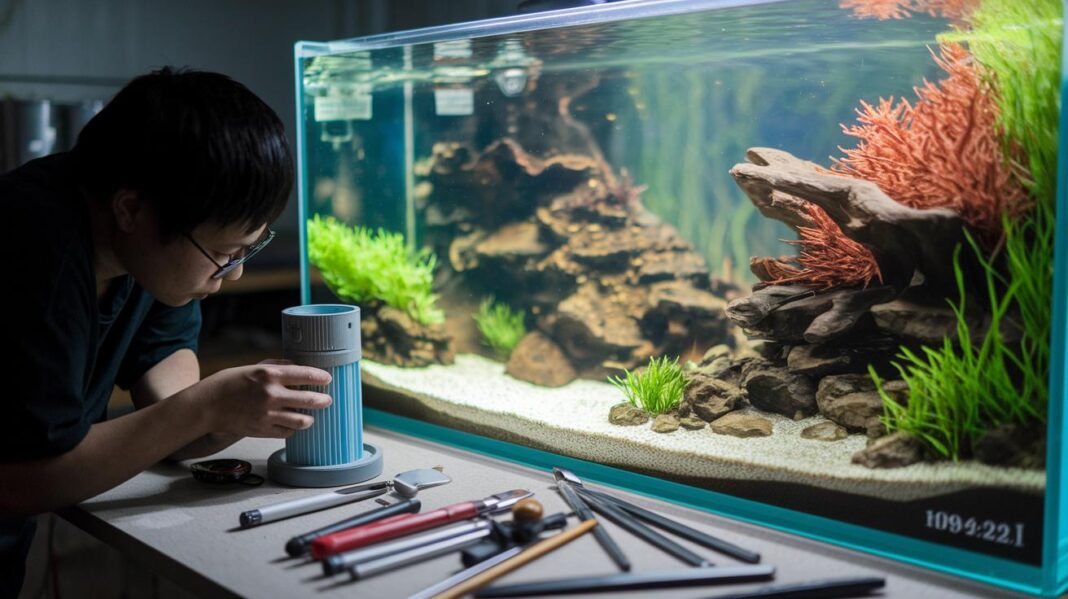

Have you ever thought that a simple routine could help your tank gear last longer? It’s a bit like tending to a quiet pond, making small checks often can make a big difference.
Keeping your equipment in good shape stops sudden problems and pricey fixes. Just a little care now helps you avoid headaches later.
This guide shares some easy tips to keep your tank reliable and strong while saving you both time and money. Imagine fewer surprises and a smooth, peaceful tank experience every single day.
Key Preventive Maintenance Steps for Tank Equipment Longevity
Taking care of your tank gear is a lot like nurturing a peaceful pond, it keeps everything safe and calm. Regular check-ups help you spot tiny signs of wear before they turn into big problems, saving you from costly repairs and keeping the environment clean.
A steady maintenance routine means fewer surprises and a smoother setup overall. When you check everything from the tank walls to the safety tools, you can catch small issues early before they grow. Using a handy checklist, like the one available in aquarium equipment maintenance tips for longevity (https://sweetfysh.com?p=1941), makes it easy to stay on track.
- Look over the outside and inside surfaces once a month.
- Clean regularly to remove any sediment and buildup.
- Apply protective coatings, like epoxy or rubber linings, to keep surfaces safe.
- Lubricate valves, hinges, and pump parts so they work smoothly.
- Check that the tank’s foundation is stable and that drainage is clear.
- Test and calibrate safety devices such as pressure relief valves and level gauges.
- Verify that vents and overflow controls are working properly.
- Review past maintenance records to see if any issues keep cropping up.
Stick with these simple steps, and you’ll see a real difference over time. Regular checks and timely repairs not only keep your equipment running longer but also help create a safe space. Each step you take builds trust in your tank system, ensuring it runs reliably day after day.
Crafting a Servicing Schedule for Tank Equipment Longevity

A good maintenance schedule can really make a splash when it comes to keeping your tank equipment in great shape. Regular check-ups help you avoid surprises on busy days and catch small issues before they turn into big waves. Think of it like setting aside time each month for quick checks, planning a detailed look over by a pro each year, and then doing a deep dive every five years.
When you have a clear calendar, it's like watching the gentle ripple of water, you know exactly where each step is leading and it gives you real peace of mind. Whether your tank is underground, aboveground, made of steel, or concrete, you can tailor your routine to match its unique needs.
| Interval | Activity | Purpose |
|---|---|---|
| Monthly | Visual Check and Cleaning | Stop sediment buildup |
| Annual | In-Service Inspection and Testing | Ensure safe operation |
| 5-Year | Out-of-Service Structural and Coating Evaluation | Spot hidden corrosion |
| As-Needed | Repairs and Overhauls | Fix problems right away |
This simple, steady schedule not only helps your equipment last longer but also keeps everything running safely, just like a calm stream that flows smoothly, day after day.
Effective Cleaning and Corrosion Management for Tank Equipment Longevity
Keeping your tank gear in top shape starts with a good, regular cleaning routine. Dirt, algae, and leftover chemicals can slowly damage surfaces and make everything work less well. Sticking to a cleaning schedule gets rid of those unwanted bits, kind of like clearing debris from a stream, so your tank stays safe and runs smoothly.
When you're ready to clean, first empty the tank completely to get rid of any water or chemicals left behind. Then, give the inside surfaces a good scrub to lift off sediment and deposits, it’s like washing away the dirt after a fun day at the beach. Rinse the tank with clean water to wash away the loosened bits before you fill it up again. How often you do this depends on your tank’s size and what’s inside, so tweak your routine as needed. A handy tip is to keep a written schedule to remind you when it’s time to clean and check every section.
For metal tanks, adding a protective layer is super important for keeping rust at bay. Using coatings like epoxy or rubber lining forms a barrier, imagine it as a raincoat that stops moisture and chemicals from causing trouble. Cathodic protection systems work like an extra boost by fighting the metal’s natural urge to corrode. And for tanks that are out in the open, reapplying these coatings regularly and checking them often gives your tank extra protection for years to come.
Inspection Techniques and Diagnostic Tools for Tank Equipment Longevity

When you take a close look at your tank, it’s a lot like watching gentle ripples on the water. By visually checking the tank walls and key parts, you may spot tiny cracks, color changes from rust, or little bends that hint at bigger problems later. Trained team members often examine the pumps, valves, vents, and the base where everything meets to catch early signs of wear.
Ultrasonic testing is a friendly helper in these checks. This method uses sound waves, think of it as the tank’s heartbeat, to measure metal thickness and find hidden corrosion. Certified experts follow clear guidelines to ensure every part meets safety standards, giving you peace of mind that your setup is safe and sound.
Special tools add in an extra level of care. For instance, using a borescope lets you peek into welds in detail, while pressure gauges and dye tests help find small leaks before they cause trouble. Even a look at how aquarium water pumps work can offer hints about the overall health of your tank. With these combined techniques, you can catch issues early and keep your equipment swimming along in top shape.
Lubrication Protocols and Mechanical Care for Tank Equipment Longevity
When it comes to keeping your tank equipment happy, choosing the right lubricant is like picking the perfect treat for your favorite fish. Always use what the maker suggests on moving parts like valves, pump shafts, and hinges. For tanks that see plenty of water, water-friendly greases or silicone-based lubricants are your go-to choice. This small decision helps reduce friction and wear, letting your equipment glide along as smoothly as a fish in a clear stream.
It’s a good idea to set up a regular care routine. Think of it as your tank’s feeding schedule, but for keeping all its parts well-oiled. By planning lubrication based on operating hours or maintenance cycles, you're making sure every piece enjoys a little pampering. This routine check-up saves you from unexpected breakdowns, much like a quick cleaning session keeps your aquarium sparkling.
Don't forget to give extra attention to seals, gaskets, and O-rings during these sessions. These little bits are like the unsung heroes of your tank; if they show signs of trouble, wear or damage, it might mean leaks or a drop in pressure. Swapping out any worn parts quickly not only keeps everything sealed tight but also helps in preventing bigger issues later. Taking good care of these details can truly extend the life of your entire setup, letting your aquatic world flourish like a vibrant coral reef.
Documentation and Compliance Practices for Tank Equipment Longevity

Keeping a detailed record of every inspection, cleaning, and repair is key to keeping your tank system safe and running smoothly. You jot down the date, the inspector’s name, test results, and any fixes made. This simple habit helps you notice recurring issues and makes planning for future care much easier.
Using easy log sheets or a digital journal can make the process even smoother. Write down each step as soon as you finish it so nothing gets forgotten. Reviewing your updated records can help you spot little trends and decide when it's the right time to replace parts.
Following industry rules is also a big part of caring for your tank. Detailed records show that your work meets standards like API 653, NFPA, and AWWA. These inspection reports and logs not only help during safety checks but also guide you in knowing when to change out components. This careful approach makes sure your system stays reliable and safe while also meeting all necessary regulations.
Troubleshooting Common Issues to Preserve Tank Equipment Longevity
When little glitches pop up in your tank equipment, it's a sign that something might be on the way. Taking a few minutes to check your gear every so often can stop these small problems from turning into big ones.
Here are some common issues to keep an eye on:
- Water seeping from weak seals
- Corrosion causing valve problems
- A pump that starts to lose its strength
- Paint or coating coming off and exposing surfaces
- Tiny rust spots that might grow over time
When it’s time to swap out parts, make sure you use the right ones. Stick with parts that match your equipment and follow the repair steps you trust. Swap out worn seals, broken valves, or tired pump parts right away to keep leaks and other troubles at bay. A quick touch-up with a rust-preventing primer can help control those little corrosion spots, and checking the manufacturer’s guide for the right settings can really help your pump perform its best.
These quick fixes not only stop small issues from turning into big headaches but also help your equipment work well for a long time.
Final Words
In the action, this article outlined key steps to care for your tank equipment. We touched on regular inspections, cleaning routines, protective coatings, lubrication, thorough diagnostics, and record keeping.
Following these routines not only supports a visually appealing and healthy aquatic space but also helps you learn how to maintain tank equipment longevity. Keeping your tank in tip-top shape lets you relax and enjoy a thriving underwater world every day.
FAQ
Q: Why is preventive maintenance important for tank equipment longevity?
A: The importance of preventive maintenance lies in regular checks that stop sediment buildup, protect against corrosion, and keep the tank safe. This care helps your tank equipment last longer and work smoothly.
Q: What are the key steps for proper preventive care of tank equipment?
A: Key steps include monthly visual inspections, cleaning to remove deposits, applying protective coatings, lubricating moving parts, checking the foundation and vents, testing safety devices, and keeping thorough records.
Q: How do I develop a servicing schedule for tank equipment?
A: A clear servicing schedule starts with monthly visual checks and cleaning, includes an annual in-service inspection for safety, and features a five-year check for structural and coating evaluation, plus prompt repairs as needed.
Q: What cleaning and corrosion management practices help maintain tank equipment?
A: Effective cleaning means draining, scrubbing, and flushing to clear residues, while corrosion management relies on applying protective coatings and using cathodic protection to guard metal surfaces from rust.
Q: How should I inspect and diagnose issues in my tank equipment?
A: Regular inspections include a quick visual look for cracks or rust, and using diagnostic tools like ultrasonic testers and pressure gauges to reveal hidden issues, ensuring your equipment remains safe and efficient.
Q: What are the best lubrication protocols for keeping tank equipment functional?
A: The best protocols involve using manufacturer-recommended water-friendly lubricants on valves, hinges, and pump parts, scheduling lubrication based on usage, and checking seals and gaskets for early wear signs.
Q: How does proper documentation support tank equipment longevity?
A: Keeping detailed records of inspections, cleaning, repairs, and tests helps track performance, supports compliance with safety standards, and allows you to spot trends that could call for improvements to your maintenance plan.
Q: What common issues should I watch for, and how can I troubleshoot them?
A: Common issues include seal leaks, valve corrosion, pump wear, and coating damage. Troubleshooting means identifying early signs, replacing worn parts with quality fixes, and following standard repair methods for lasting performance.