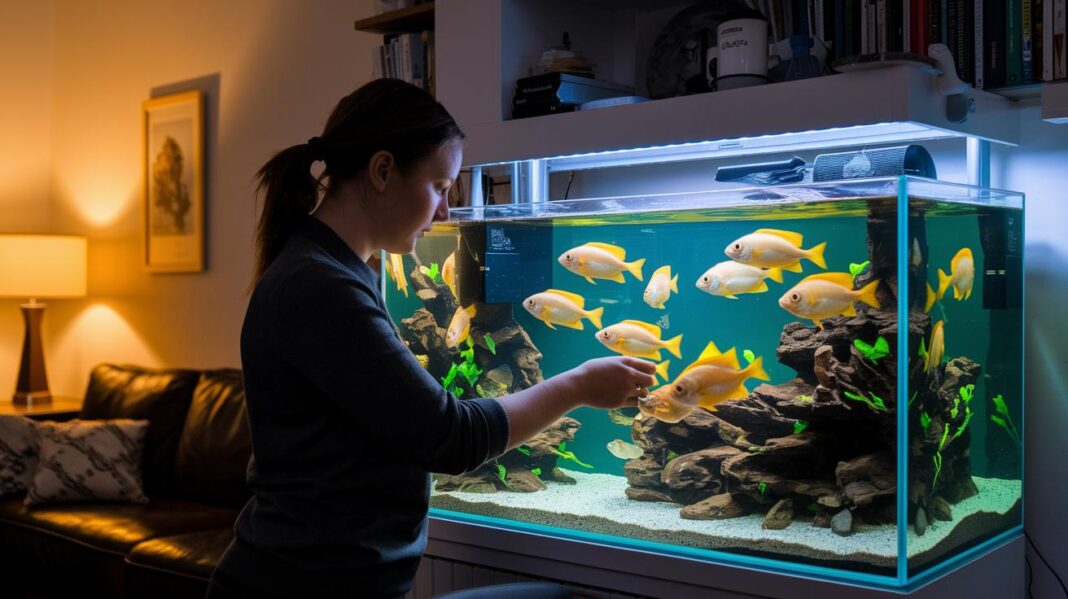

Ever wonder if your tank’s lighting and filter care are just right? Sometimes we miss those simple routines that brighten the water and keep our fish feeling their best. It’s like watching the soft sway of seaweed with every ripple of water.
Your filter works hard to keep the water moving, and a good light sets a natural pace for your fish and plants, sort of like the gentle glow of sunrise over calm waters. I’ve seen how a bit of light and care can turn an average tank into a thriving little aquatic world.
In this chat, I’m sharing three easy tips that can help you catch problems before they start. Next, you’ll see how a small bit of routine care can make your aquarium feel as harmonious as a peaceful stream.
Aquarium Lighting and Filter Maintenance Routine
Taking care of your aquarium is a bit like tending to a little underwater garden. Your filter, acting like your tank’s heartbeat, keeps the water moving smoothly so your fish, plants, and shrimp can flourish. Without a proper filter, water can get stagnant, letting harmful chemicals build up over time.
Cleaning your filter on a regular basis is key. Whether you're using a sponge filter, a hang-on-back type, or a canister filter, each one needs a bit of its own special care. A monthly cleaning usually does the trick by clearing out waste and debris to keep the water flowing nicely. And here’s a handy tip: rinse the mechanical pads using water from your tank instead of tap water so you don’t wash away those good bacteria that help keep your tank healthy.
Light plays an equally important role in your aquarium. A well-lit tank not only sets a natural day-night rhythm for your fish but also helps plants with photosynthesis, which in turn cleans up extra nutrients. Check your lights every week to see if they are dimming or flickering and give the fixtures a gentle wipe to remove any algae or debris. A little regular check-up can stop any big problems from developing later on.
Three simple tips to keep your tank in harmony:
| Tip | Description |
|---|---|
| Monthly Filter Check | Clean your filter, check the flow, and replace any clogged parts. |
| Weekly Light Inspection | Look over your lighting to ensure even brightness and clear lenses. |
| Holistic Maintenance | Create a routine schedule so that both filter and light care work together smoothly. |
When you keep your filters and lights in sync, you create an environment of clear water, active fish, and thriving aquatic plants. It’s all about keeping that underwater world balanced and vibrant.
LED and Fluorescent Aquarium Lighting Maintenance
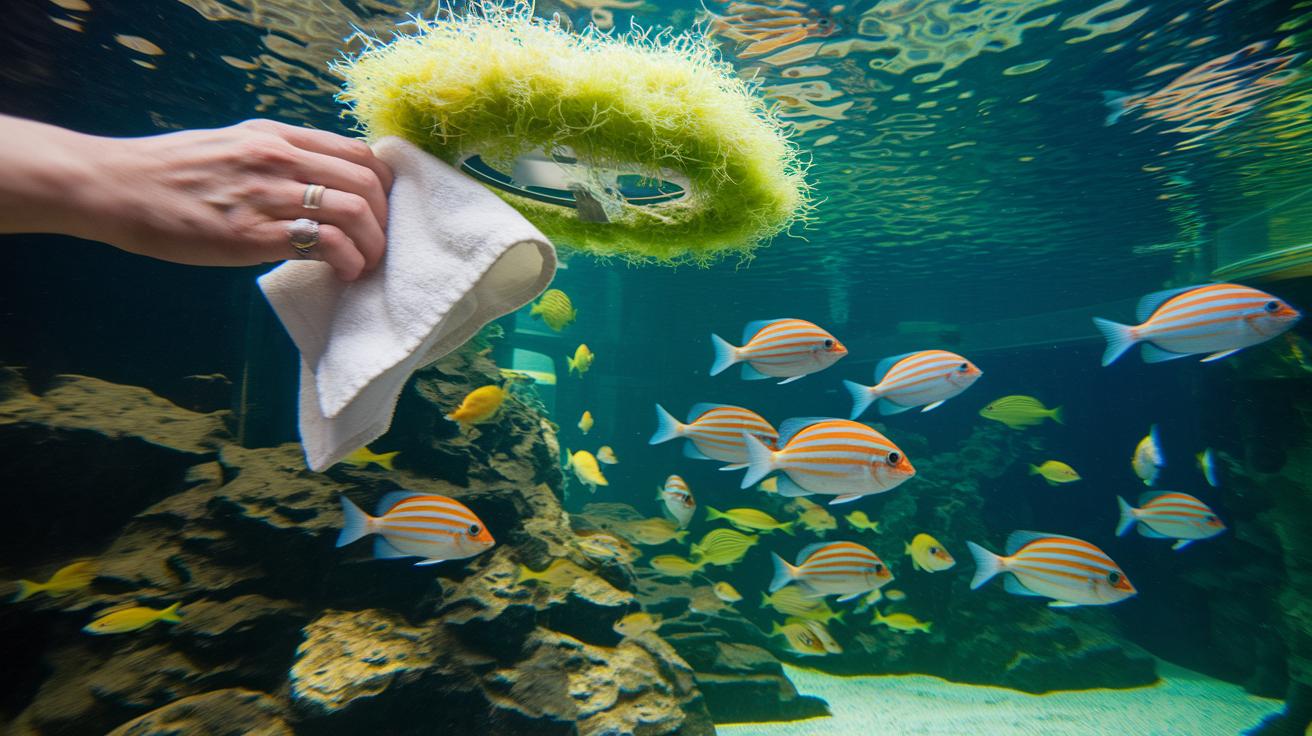
Sometimes, your aquarium lights can start to dim or flicker. This can stress your fish and slow down plant growth. Underwater LED lights are a great option because they can last up to 10,000 hours and only use about 0.5 to 1 watt per liter. Fluorescent bulbs, on the other hand, need to be swapped out every 9 to 12 months to give your plants the right light for photosynthesis. Also, if the lamps aren’t positioned right or if algae and debris block the lenses, the light spreads unevenly and can affect the overall health of your tank.
Keeping your tank’s lighting in top shape is all about regular care. I always like to check the lenses and housings once a week to catch any buildup before it dims the brightness. A clean fixture not only helps your aquatic plants flourish but also creates a steady day and night cycle for your fish.
Here are five simple steps to help keep your tank lighting at its best:
- Look over your light fixtures every week to check for algae or debris.
- Gently wipe the lenses with a soft cloth and water.
- Make sure the lamps are set in the right position for even light.
- Change out fluorescent bulbs every 9 to 12 months.
- Keep an eye on your LED lights for any signs of flickering or dimming.
Stick with these tips, and your tank will be bathed in consistent light, keeping your fish and plants healthy and happy.
Aquarium Filter Cleaning Procedures and Media Upkeep
Cleaning your aquarium filter feels a bit like giving your tank a refreshing shower on a warm day. First, take your time to safely take the filter apart so you can see every small piece. Start with the mechanical media, like the pads; gently rinse them in water straight from your tank. This soft rinse helps wash away the dirt while keeping the good bacteria safe. It’s a good idea to change these pads every 4–6 weeks to keep the water flowing nicely.
Next, take a look at your chemical media. For example, if you use activated carbon, swap it out every 4 weeks to stop any nasty toxins from building up. If you have sponge filters, give them a gentle rinse each week. Be sure not to use strong detergents because you really want to protect those friendly bacteria that help keep your tank balanced.
When you clean, choose a well-lit spot so you can easily check for any wear or damage. If needed, grab a soft brush to clean delicately, but remember that the bio-media is home to essential bacteria that naturally break down waste. Sticking to these steps means your filter will work smoothly and your water will stay clear and healthy.
| Media Type | Purpose | Cleaning Frequency | Replacement Interval |
|---|---|---|---|
| Sponge Filter | Mechanical & Biological | Weekly rinse | N/A (rinse only) |
| Mechanical Pad | Physical debris trapping | Monthly rinse | 4–6 weeks |
| Bio‐Media | Bacterial colonization | Light rinse, as needed | N/A (do not replace often) |
| Activated Carbon | Chemical filtration | Check monthly | 4 weeks |
Scheduling and Troubleshooting for Aquarium Lighting and Filter Maintenance
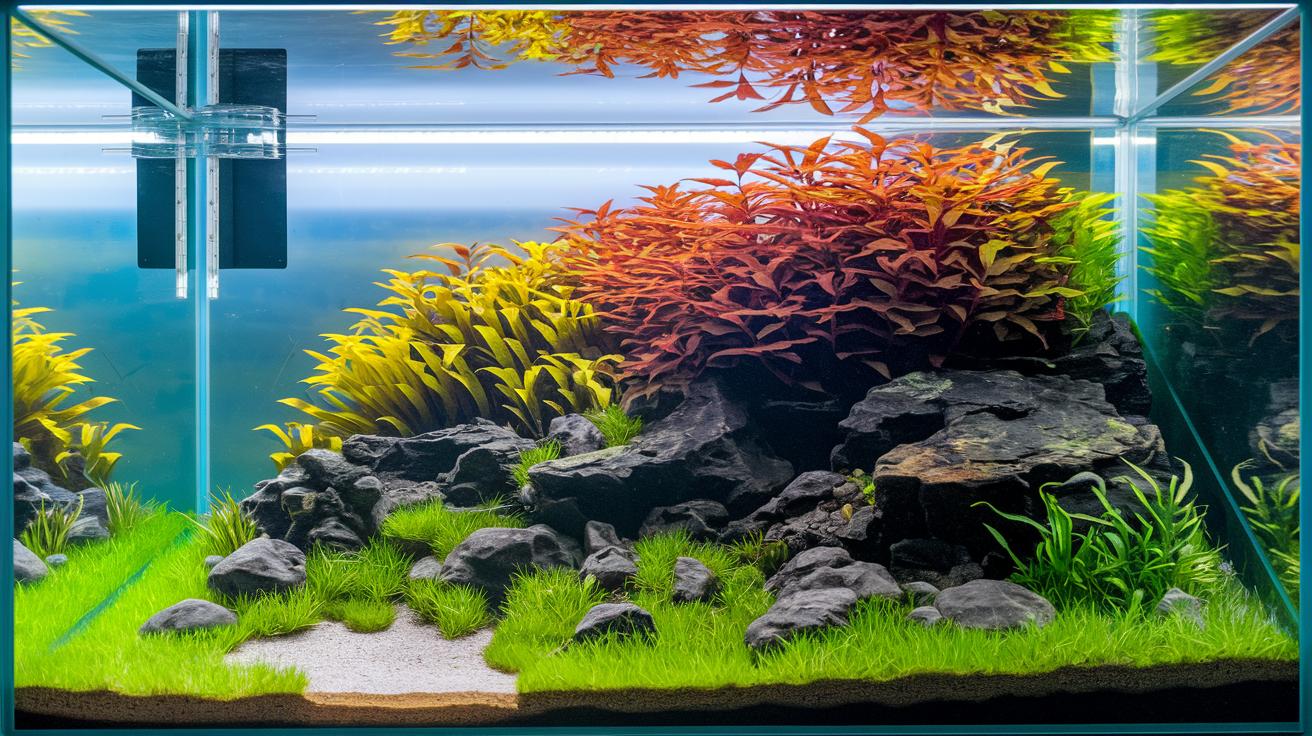
Think of setting up your maintenance routine as creating a little schedule that helps your aquarium sparkle. Every week, spend a few minutes checking that your lights are shining bright and your filter is doing its job, keeping everything fresh, much like the gentle flow of a stream.
Each month, give your filter a good clean and double-check that your light timer is working for an 8 to 10-hour cycle. It’s kind of like tuning up your favorite fishing gear to keep it ready for action.
Then, every three months, take a closer look. Listen carefully to your filter, any soft hums or changes in the way it runs might hint at hidden wear. A slight change in brightness can be the quiet whisper of a system calling for a little extra care.
- Weekly: Look for any dim lights or a drop in filter flow.
- Monthly: Deep-clean your filter and make sure your timer is set to the right cycle.
- Quarterly: Pay attention to odd filter sounds and check the light output for early signs of wear.
Comparing Filter Types and Their Maintenance Needs in Aquarium Systems
Sponge Filter Maintenance
A sponge filter lets water flow gently through its sponge, which helps good bacteria thrive. Each week, rinse the sponge in some tank water to wash away debris without upsetting those helpful microbes. This method is great for nano or shrimp tanks, keeping water moving softly and evenly.
Hang-On-Back Filter Upkeep
Hang-on-back filters push water through replaceable pads that catch dirt and shape the flow. Change these pads every 4–6 weeks and check the intake tube regularly to clear any clogs. It’s like having a little engine making sure water keeps moving smoothly in a medium-sized aquarium.
Canister System Servicing
Canister filters use different layers of media to clean water in larger tanks. Every month, take the system apart and rinse its layers to remove buildup and restore smooth water flow. Think of it as refreshing each layer of your favorite cake to keep everything balanced.
| Filter Type | Maintenance Routine | Water Flow Impact | Tank Suitability |
|---|---|---|---|
| Sponge Filter | Rinse each week with tank water | Creates a gentle, even flow | Best for nano and shrimp tanks |
| Hang-On-Back Filter | Replace pads every 4–6 weeks; check tube | Boosts stronger, steady flow | Ideal for medium-sized aquariums |
| Canister Filter | Disassemble and rinse monthly | Ensures balanced flow in layers | Suited for larger tanks |
Energy-Saving Strategies for Aquarium Lighting and Filter Care
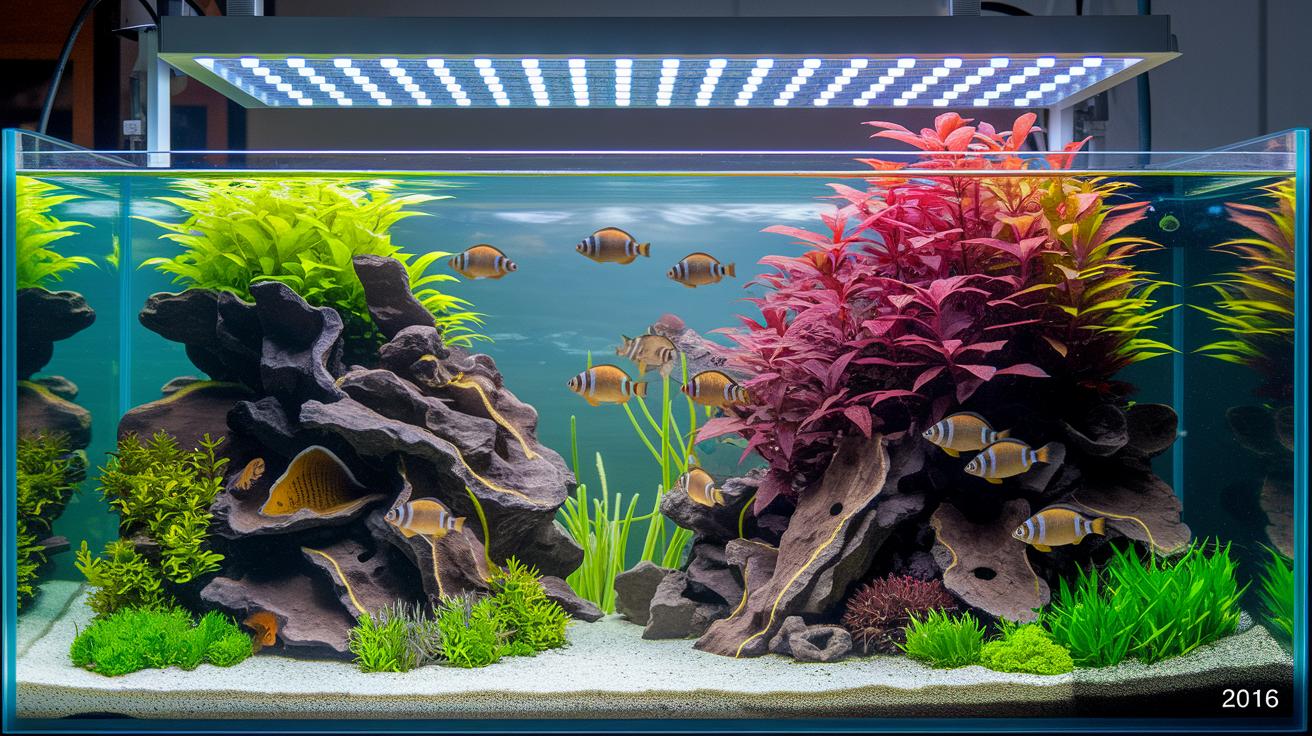
Keeping your tank's gear tidy and tuned up not only makes your aquarium look stunning but also helps save energy. When filters stay clean, the pump doesn't have to work as hard, sometimes reducing the strain by nearly 20%. It’s like giving your aquarium a gentle, efficient current that cuts down on electricity costs.
Switching to modern LED lights is a clever move if you want to be energy smart. They gulp only about half the power of old fluorescent bulbs while still lighting up your tank evenly. This simple change brightens your space and helps keep your energy bills in check.
A programmable timer is another handy tool. Set your lights to run for about 8 to 10 hours each day, and you'll provide just the right amount of brightness without overdoing it. This little trick helps your plants and fish get what they need while keeping energy waste to a minimum.
Finally, make sure your pump’s flow rate fits your tank size perfectly. When everything is in balance, your pump works smoothly and uses less energy, keeping your aquatic world healthy and your expenses low.
Enhancing Aquarium Ecosystem Balance with Lighting and Filter Maintenance
We now cover lighting and filter upkeep as part of our overall care routine. For easy tips on matching your lighting with the filter work to help your plants thrive, keep your water clear, and support your fish's health, take a peek at our main cleaning and routine care sections.
Final Words
In the action, we explored how keeping your tank bright and filters clean supports a calm, healthy underwater space. The post broke down step-by-step care, from regular filter cleaning routines to simple checks on lighting to confirm your fish and plants thrive. We also looked at clear, easy-to-follow steps for routine maintenance and energy-saving ideas. These aquarium lighting and filter maintenance tips help you enjoy sparkling water and vibrant aquatic life. Keep your care schedule steady, and your underwater world will keep bringing you joy.