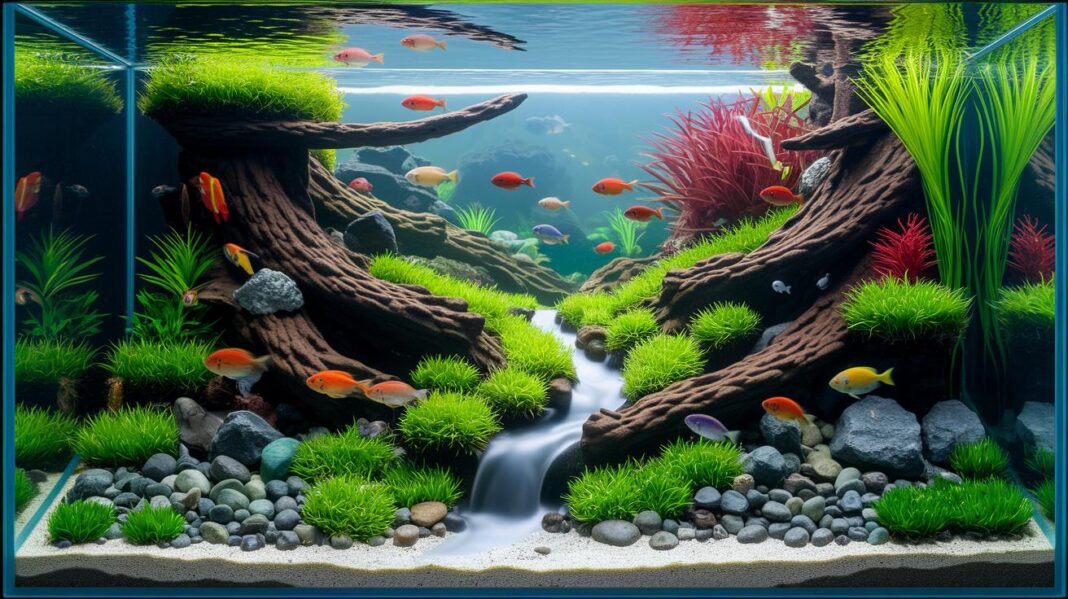

Ever picture your aquarium as a little river, gently winding through your room? With simple DIY aquascaping ideas that mix clever rock placements and soft water flows, you can bring a slice of nature right into your home.
This guide shares easy, step-by-step methods to create a flowing river display that fits any tank size, be it a cozy 9-gallon setup or a larger space. Imagine the soothing ripple of water over smooth stones, making every glance at your tank feel like a peaceful retreat.
Let your creative side swim free and transform your aquarium into a calming, natural haven. Enjoy the process and the beauty it brings to your everyday life.
River Aquascape Fundamentals and Styles
River aquascapes come in all shapes and sizes, so you can design a water display that fits your taste and space perfectly. Whether you're working with a small 9-gallon long tank that mimics a gentle river flow or a grand 100-gallon setup filled with driftwood, rocks, and clever water flow planning, there’s something for everyone. Imagine turning a tiny tank into a peaceful river scene that quietly flows by, you’d be surprised at how soothing that can feel.
There are also creative builds like the 54-liter "Roots through the river" entry from a 2017 contest. This design takes a minimalist approach, mixing natural elements with smart rock placements to create distinct flow lines and soft edges. Even miniature setups, like nano aquariums or inventive 5-foot Bookshelf Tanks, can capture the essence of a flowing stream by using smart substrate layouts and compact hardscape features.
You might also enjoy exploring Brazilian aquascape styles, which bring a hint of South American river charm with a balanced mix of driftwood and rocks. On the other hand, native biotope setups that use Australian river stones can deliver a local, authentic vibe. Whether you’re just starting with your first DIY watercourse or trying out a custom native biotope, these river aquascape styles let you express your personal taste while celebrating the beauty of natural river movement.
When planning your layout, think about using smooth rock formations to gently guide the water’s current, or place driftwood so that it naturally channels the flow. Each design is a tribute to the mesmerizing beauty of rivers, inviting you to enjoy dynamic, natural displays no matter the size of your tank.
Riverbed Substrate and Stone Layout Strategies
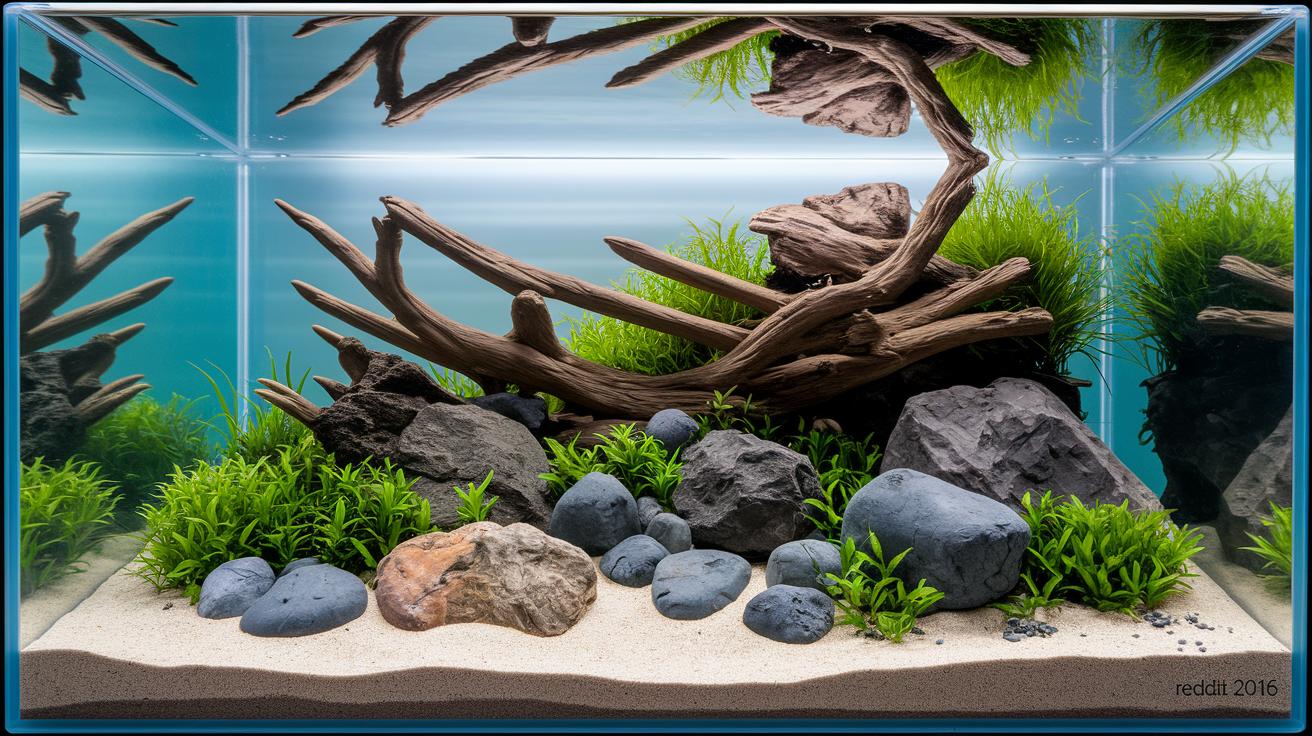
Begin by gently piling banked sand to add a soft sense of depth in your riverbed. Picture yourself smoothing out the sand, much like sculpting a tiny river where every curve reflects nature’s own design.
Then, take your time choosing natural pebbles and cobbles. Even if placing them can be a bit tricky, look for affordable Scottish River Boulders at local garden centers instead of expensive stores. These stones not only bring an authentic touch but also help keep your project budget-friendly.
Some aquarists like to stick with plain sand, letting nature’s own detritus and tiny microbes improve the substrate over time. Others worry about the extra nutrients in richer soil. It’s all about finding the right balance between simplicity and a self-sustaining ecosystem, with each choice giving your riverbed a unique feel.
Mix in well-placed pieces of driftwood along with your stones to guide water flow and create cozy hideouts for your aquatic friends. This pairing helps shape a natural flow in your design, much like a gentle stream guiding water along its course.
- Banking of sand for added depth
- Finding cost-effective natural boulders
- The choice between nutrient-rich and plain sand
- Thoughtful placement of driftwood to guide flow
Remember, handling those pebbles and cobbles can be a fun part of the creative process. Enjoy the challenge as you craft a riverbed that truly feels alive and natural.
Simulating Current in an Aquascaping River
Pump Selection and Placement
When you set up your aquascape, choose a pump that pushes water at about five times your tank's volume every hour. This steady flow mirrors the gentle energy of a river while keeping your aquatic friends safe. Place your pump in a spot where it sends out water in a soft, even stream, kind of like the smooth ripple of water over pebbles. You might even add spray bars or direct outlets to either spread the water softly or create focused, rapid-like bursts. Picture your pump as the heart of your river; its regular beat creates a calm, natural pulse in your tank. If you’re looking for more ideas, check out aquarium water pumps and circulation systems at https://sweetfysh.com?p=2006.
Adjusting Flow Patterns
After your pump is set, it’s time to fine-tune the water’s journey. Use substrate banks and strategically placed rock clusters as natural guides. These features can create peaceful pools and areas with a bit more rush, much like the varied flow of a real river. Think of inline valves as simple knobs you can turn to adjust the current, like dimming the lights in your favorite room. For example, placing a group of rocks near the pump can funnel water into a smaller channel, forming a little rapid that adds life to your aquascape.
- Try different rock arrangements to see how they change the water’s path
- Use driftwood and plant clusters as gentle guides for the current
Each element acts as a crucial piece in your river puzzle. With a bit of planning and creative tweaking, you can build an underwater stream that not only looks natural but feels like a real, flowing river.
Plant Integration in River-Style Aquascapes
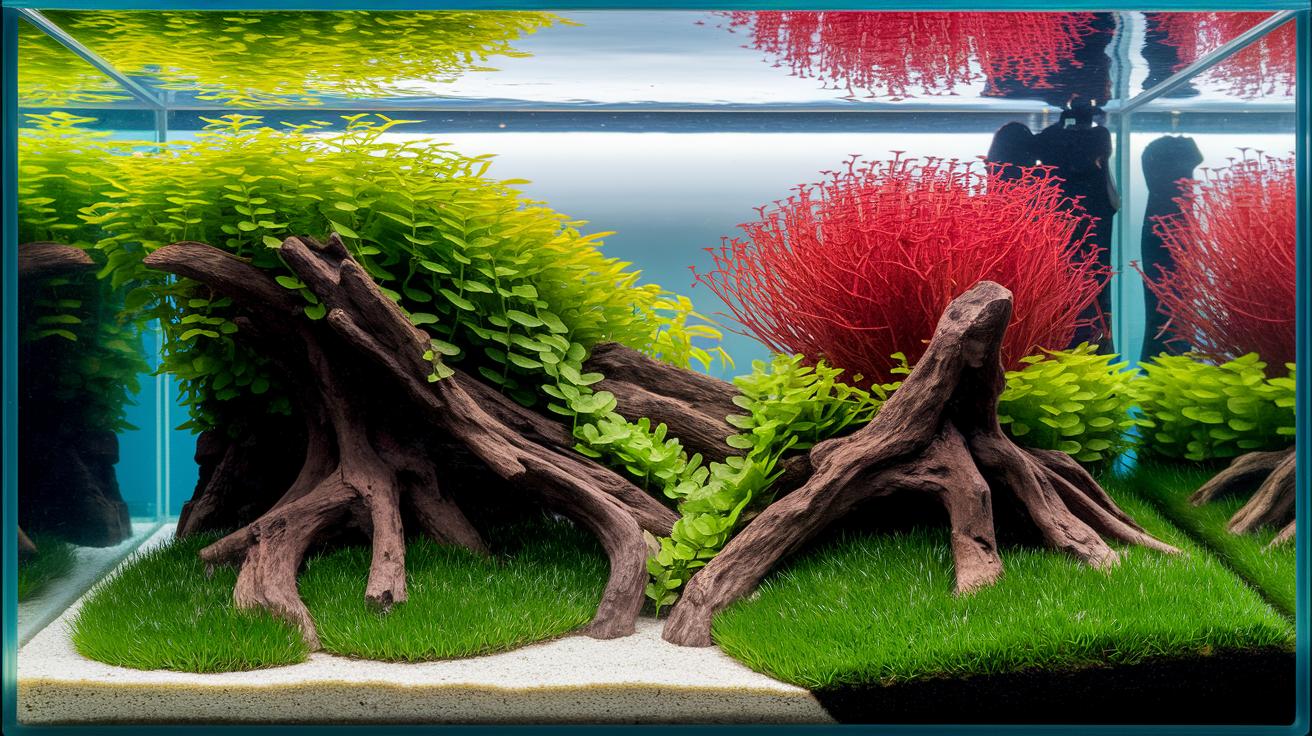
Begin by choosing the right plants that match your flowing, riverbed-style tank. Many fish keepers love using Eleocharis sp. and Glossostigma because these plants spread along the bottom like a soft, green carpet. One aquarist even said it feels like strolling beside a gentle stream, adding a natural and cozy vibe to your setup.
Next, brighten your aquascape with floating and stem plants. Try tying Java fern or Anubias to a piece of driftwood, they mimic the way roots cling to stones in a wild river. At the same time, floating plants like Salvinia or Riccia mats give you a soft, textured layer that rounds off the design and eases any harsh transitions.
For a splash of Brazilian charm, add low-growing stems like Rotala rotundifolia. These plants offer just the right hint of color while keeping the scene graceful and light. Scatter them in clusters along the water’s path to create natural, inviting breaks that let the current ripple around.
- Eleocharis sp. and Glossostigma for lush carpeting
- Java fern or Anubias tied to driftwood
- Salvinia or Riccia mats for floating texture
- Rotala rotundifolia for a Brazilian biotope feel
Discover more tips on live aquarium plants for beginners at live aquarium plants for beginners.
Inhabitants and Biotope Design for Aquascaping Rivers
Pick fish that thrive in flowing water. For a tank that reminds you of an Australian river with smooth stones, try adding schools of Empire Gudgeon. Their lively, playful way of swimming fits perfectly in a space made for fast, open lanes.
In Brazilian-style aquariums, small groups of tetras like Hyphessobrycon eques mix well with gentle Otocinclus catfish that munch on algae. This pairing brings vibrant movement and helps keep the water clear by cleaning up tiny bits. Even in smaller river tanks, little fish like Danio margaritatus or Boraras brigittae do great in high-oxygen currents, adding energy to the setup.
Make sure your tank has clear swim lanes where every fish can dart and play. You can also set aside a special zone for water cleaning by placing filters, whether sponge or mechanical, near where the water flow starts. This simple trick catches debris before it spreads around the aquarium.
- Pick fish that love a flowing stream for wide open swimming lanes
- Add zones with filters to keep the water clean
- Mix lively fish like Empire Gudgeon with smaller tetras and gentle catfish
Bring your biotope to life by blending smart habitat planning with your favorite fish that thrive in moving water. This not only makes your tank look stunning but also keeps it healthy and balanced.
Maintenance and Algae Control in River Aquascapes
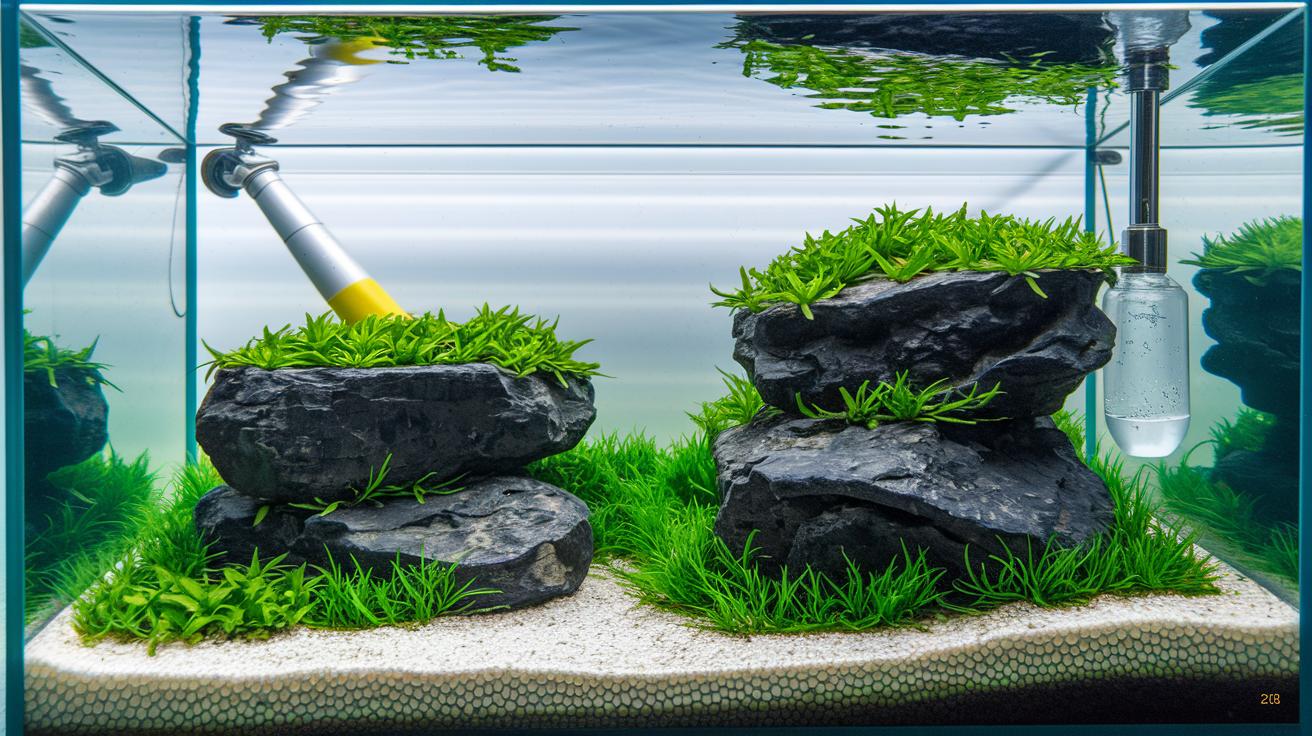
Keeping your flowing tank neat is much like caring for a little river. Start by cleaning your stones with a vinegar solution before you set up everything. This simple trick refreshes your decor without using any harsh chemicals. Then, once a week, use a siphon to clear away debris from the bottom so your water stays as bright as a clear stream.
When you change the water, take a moment to gently brush the cobble surfaces. A soft scrub helps keep green algae from taking over your rocks without needing any bleach. This careful cleaning method keeps your hardscape looking natural and your aquatic friends safe.
If some spots on your rocks still seem stubborn, try an electric air-driven brush. These handy tools let you target little patches without harming the delicate textures of your decor. And always use cleaning solutions that are safe for your fish so your habitat remains toxin-free.
- Pre-installation stone cleaning with a vinegar solution
- Weekly siphoning to clear the substrate
- Gentle brushing of cobble surfaces during water changes
- Electric air-driven brushes for spot cleaning
Following these eco-friendly tips will keep your fast-flow tank sparkling like a natural river, giving your aquascape a vibrant, healthy look for all your underwater pals.
DIY Projects and Visual Inspiration for Aquascaping River
Imagine crafting your very own river scene where creativity meets clear, step-by-step ideas. Mix bold hardscape designs with easy-to-follow tips to bring a natural river flow to your aquarium. Try using resin rocks that look like real stones or clear acrylic panels that add a touch of nature’s edge. One aquarist mentioned, "I layered blue and sandy substrates to mimic rolling riverbanks, creating soft contrasts that guide water flow."
Next, explore new twists that make your project stand out from all the usual contest builds. You might weave in bamboo for gentle water barriers or arrange floating driftwood to mark inviting entry points for water.
- Build water channels by blending different substrate tones to add depth.
- Experiment with modern materials like synthetic stone to help keep algae at bay.
- Arrange your plants creatively to echo the natural curves and smooth flow of water.
| Project Idea | Innovative Material or Technique |
|---|---|
| Bamboo Cascade | Use bamboo strips arranged vertically for a soft, natural waterfall effect. |
| Floating Driftwood Dams | Bundle driftwood to craft floating barriers that gently guide water movement. |
| Resin Rock Ledgers | Mix resin rocks with layered substrates to define riverbanks with added depth. |
Final Words
In the action, we explored how to design a flowing underwater haven by mixing stone layouts, smart pump placements, and lush plant choices. We touched on building an attractive river scene, from setting a natural substrate to selecting active, biotope-friendly inhabitants. Each step brought us closer to a well-balanced aquascaping river that marries beauty and healthy water flow. Enjoy the creative process and watch your tank transform into a stunning aquatic display of life and motion.
FAQ
What is an aquascaping river aquarium?
The aquascaping river aquarium creates a display that mimics a natural stream. It uses smart placement of rocks, driftwood, and textured substrate to replicate flowing water and create a dynamic aquatic habitat.
How does an aquascaping river fish tank differ from other setups?
The aquascaping river fish tank focuses on water movement and natural riverbed aesthetics. It integrates gentle currents, banked substrates, and strategically placed stones to support fish that thrive in flowing water.
What defines a river aquarium?
The river aquarium features design elements that simulate a river’s natural flow. It combines layered sand, smooth boulders, and driftwood to form a calming, life-like environment that showcases aquatic beauty.
How do shallow aquariums capture natural river features?
Shallow aquariums mimic river edges with banked substrates and exposed rock formations. They provide a broad surface area for water flow, helping to recreate quiet stream sections that foster a realistic natural look.
What makes hillstream aquariums unique in aquascaping?
Hillstream aquariums stand out by replicating fast-moving, oxygen-rich streams. They use steep rock placements and gentle cascades to simulate natural currents, offering ideal conditions for species used to swift, clear water.