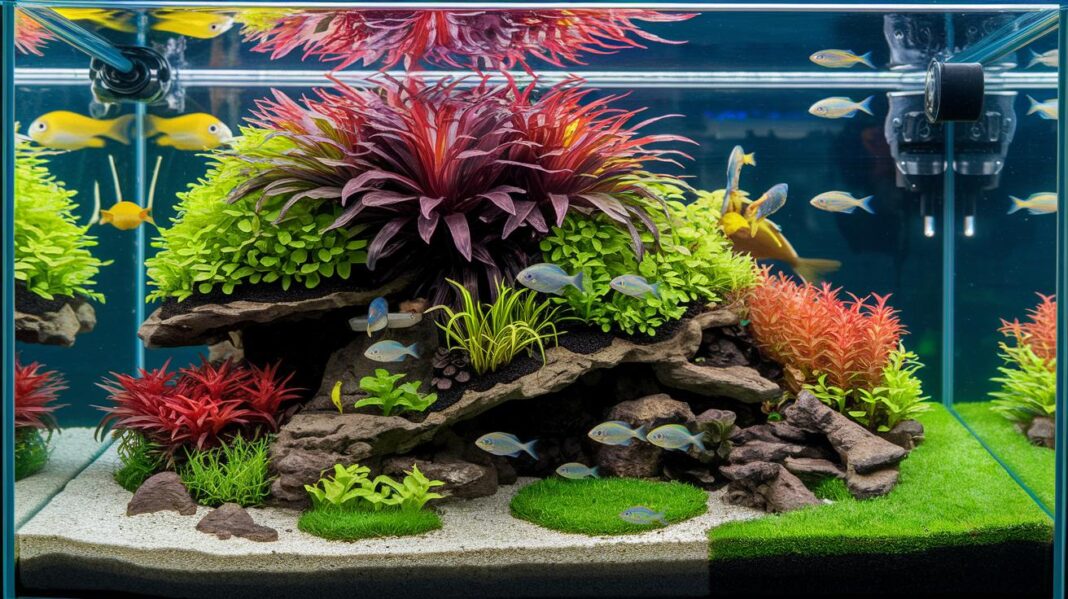

Ever wondered if your planted tank needs a little extra magic? Three simple ideas can transform it into a lively underwater paradise you’ve always dreamed of. Imagine your tank as a picture, each plant, rock, and piece of driftwood adds its own splash of beauty. In this post, we walk you through easy steps to create a scene that is both calm and full of life. Ready to mix things up and enjoy a stunning living display? Let’s dive in and explore these exciting ideas.
How to Plan a Planted Aquarium Aquascape
When you set out to create your planted aquarium, start with clear ideas about how you want your underwater world to look. Think of it like planning a little natural art piece where fish and plants live together happily. You might choose a theme that feels right, maybe a tropical jungle, a rugged riverside, or a calm beach scene, and imagine how rocks, driftwood, and vibrant greenery mix naturally.
Before filling your tank, grab a pencil and paper to sketch your vision. Picture a standout feature, like a striking piece of driftwood that draws all your attention, and then mark spots for different groups of plants, those that form a neat carpet, tall stem plants, and even a few special accents. This simple drawing helps you see how each element will interact and create a living, breathing underwater scene.
Next, arrange your rocks and driftwood in varied sizes to bring a sense of depth and texture, much like layers of soft sand and smooth stones. Laying a layered substrate, which is the material at the bottom of your tank, not only supports healthy plant roots but also creates gentle slopes from open water to lush, dense planting areas. These natural transitions add interest and balance to your aquatic masterpiece.
| Step | What to Do |
|---|---|
| 1 | Pick the right tank size for your space. |
| 2 | Set clear goals for both the look and health of your aquarium. |
| 3 | Sketch a basic layout featuring a striking central focal point. |
| 4 | Create zones for various types of plants, think carpet, tall, and accent species. |
| 5 | Arrange rocks and driftwood to build depth and contrast in your design. |
| 6 | Commit to regular maintenance so your aquascape stays vibrant and lively. |
Substrate Composition for Planted Aquarium Aquascaping
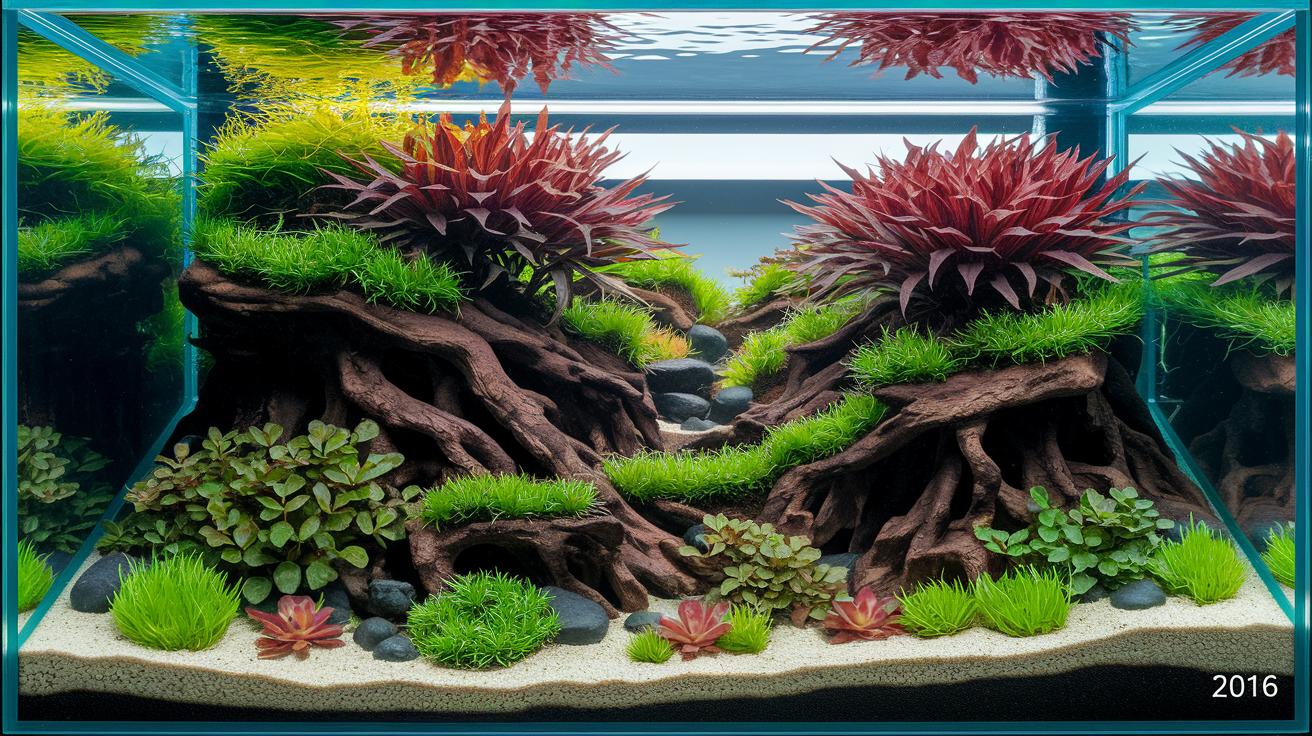
Imagine setting up your planted aquarium like building an underwater garden. A nutrient-rich substrate is your secret for giving plant roots the best start in life. Using top-quality soil mixtures with methods like the Dry Start Method is like serving a full-course meal to your plants before water even fills the tank. This mix lets the roots soak up all the vitamins they need to grow strong and healthy.
Layering your substrate is a smart way to create a cozy home for plant roots. Think of it like building little terraces, you place coarser materials on the bottom and a fine top layer on top. This setup not only makes your aquarium look like a natural, outdoor landscape but also helps water spread evenly and feeds the roots steadily.
And if you’re keeping an eye on your budget, don’t worry. You can blend store-bought aquarium soil with inert materials to give your plants the essential nutrients without breaking the bank. It's a simple, cost-friendly approach that still makes your underwater garden thrive.
Selecting Live Plants for Your Planted Aquarium Aquascape
When planning your planted tank, think of it like putting together a group of underwater friends that work harmoniously with your lighting and the creatures that share the space. Consider mixing different plant families for a vibrant, natural look. You can add carpet plants that spread like a soft green blanket, tall stem plants that offer vertical pops, tissue culture varieties for steady growth, and even a few rare jungle types to bring in a touch of mystery.
For tanks with low light, worry not. Hardy species like some terrarium plants or those styled in a Wabi Kusa setup can thrive even when natural light is scarce. It’s much like picking the right ingredients for your favorite meal, each plant adds its own distinct flavor and texture to your aquatic art.
| Plant Name | Light Requirement | Growth Rate |
|---|---|---|
| Anubias | Low | Slow |
| Bucephalandra | Low to Moderate | Moderate |
| Cryptocoryne | Low | Moderate |
| Carpet Plants | Moderate to High | Fast |
Switching up plant placements from time to time not only refreshes your tank’s look but also boosts their healthy growth. Keep a regular check for any issues like algae buildup or root rot, and you'll be rewarded with an aquascape that stays vibrant and balanced.
Lighting and CO₂ Setup in Planted Aquarium Aquascaping

Choosing the right LED lights is like setting the stage for a delightful underwater performance. Good LED fixtures brighten your tank and help plants soak up the light they need, much like sunlight energizes them in nature. Set your lights to mimic a natural day by keeping them on for about 8 to 10 hours, and try a full-spectrum setting to encourage vibrant colors and healthy growth.
Managing CO₂ levels is just as important for your aquatic garden. A trusty CO₂ regulator paired with a simple gas kit makes sure your plants get the carbon dioxide they need to thrive. There are various CO₂ systems available, from basic setups to advanced, pressurized ones, and a well-calibrated regulator can keep everything balanced, much like a steady heartbeat for your tank.
If you’re just starting out, it helps to keep things simple. Experiment with a basic LED setup and an entry-level CO₂ system to learn how each change affects your aquascape. And if you notice uneven plant growth or color shifts, try adjusting the light or tinkering with the CO₂ flow one step at a time until everything falls into place.
Water Parameters and Maintenance for Planted Aquarium Aquascaping
Keeping your planted tank in tip-top shape is a bit like tending a small underwater garden. Checking the pH and hardness is a quick health check, just grab a simple test kit and see if everything is balanced. Aim for a pH between 6.5 and 7.5 based on what your plants need. Measuring hardness is like fine-tuning a musical instrument so that every note comes out just right.
Next, experiment with a nutrient dosing plan that suits your setup while keeping algae under control. Carefully add water treatments and a balanced mix of nutrients to feed your plants. Ever notice how a little algae fix can stop unwanted green blooms before they start? This steady routine helps your plants thrive and keeps pesky algae away.
Then, follow a seasonal care plan to keep your tank fresh and vibrant. In warmer months, more frequent water changes can help control rapid plant growth and algae buildup. Regularly cleaning filters, trimming overgrown plants, and even scrubbing the tank surfaces keeps the water clear and lively. It's a routine, yet calming, way to maintain an aquarium that feels as soothing as a gentle ripple on a sunny day.
Aquascaping Styles in Planted Aquarium Aquascaping

Nature Aquarium
This style draws its charm from the natural world around us, think of rugged mountains, dense rainforests, and sunny beaches. It uses carefully picked rocks and driftwood to create a setting that feels both wild and peaceful. Imagine placing a big piece of driftwood in the middle, much like a towering mountain rising in a quiet valley. By layering different sizes of stones, you get a lovely sense of depth and soft shadow play. And when fish like guppies or plecos swim through, it’s like watching nature come alive in your very own underwater paradise.
Iwagumi Style
The Iwagumi approach is all about balance and simplicity. It uses an odd number of stones, often three, to create a peaceful, minimalist scene. With a limited group of one to three plant types, the focus stays on the natural beauty of the stone formations. Many aquarists even use the Dry Start Method, which helps plants grow strong on a nutrient-rich base before adding water. Picture one large stone as the centerpiece, flanked by two smaller ones, leaving open space that radiates calm and precision, just like a quiet stream gently meandering over smooth rocks.
Dutch Aquarium
The Dutch style celebrates plants in all their colorful glory. Here, the design doesn’t lean heavily on stones; instead, it uses clever terracing techniques to arrange plants in layers, much like steps in a garden. By planting three fast-growing stem species per foot of tank, you get a burst of vibrant color and interesting textures. In competitions, these aquascapes are admired for their neat, triangle-like layouts that draw your eyes from one vibrant layer to the next. It’s like having an underwater garden that feels both lively and thoughtfully arranged.
Integrating Hardscape in Planted Aquarium Aquascaping
Choosing the right hardscape pieces is like setting the stage for a little underwater performance. When you pick rocks, driftwood, or those special stones like UNS Strata, UNS Strata Pro, or WYSIWYG stones, go for a mix of sizes and textures. Each item adds its own charm, making your tank feel both natural and full of energy.
Driftwood has this quiet magic that guides how water moves and creates soft shadows. Place a standout driftwood piece so its curves naturally draw the eye along your tank. Think of it like a gentle path that leads water along, highlights lush areas, and even forms cozy corners where your fish can take a breather.
How you group your stones can really bring your aquascape to life. Try clustering stones of different sizes in a free-flowing, non-symmetrical way, kind of like arranging pebbles along a riverbank. This staggered placement not only gives room for plants to grow but also opens up spaces for water to flow, creating a layered and inviting underwater world.
Advanced Planting and Propagation Techniques for Planted Aquarium Aquascaping

When working with live plants, it's best to use tools that are both clean and sharp. I like to rinse my aquascaping scissors and tweezers in warm water mixed with a bit of mild disinfectant. This simple step gives your plants a neat, healthy cut and keeps unwanted germs away, sort of like giving your underwater garden a gentle, refreshing rinse.
A steady hand really makes a huge difference when cutting. Grab your sharp scissors and carefully snip your tissue culture or Wabi Kusa plants. Then, gently press the cuttings into your substrate and secure them with decorative weights or fine gravel. Think about it like tucking in a little underwater friend so it can settle in and start rooting, just as you would plant a seedling in your garden.
Providing the right nutrients with a premium soil mixture is key for new growth. This nutrient-rich substrate works like a balanced diet for your plants, creating a solid base for them to thrive. Lay it out carefully, and you'll help not only the new plants take hold but also boost ongoing, hearty propagation throughout your aquascape.
Final Words
In the action of planning a beautiful aquarium setup, we explored setting design goals, sketching layouts, and choosing the right plants and hardscape elements. We also covered creating nutrient-rich substrates, setting proper lighting and CO₂, and keeping a balanced aquatic environment. These steps help you create a visually appealing and healthy space that truly mirrors nature. Embrace the creative process of planted aquarium aquascaping and enjoy every moment as your underwater landscape flourishes.
FAQ
Q: What are some planted aquarium aquascaping ideas for beginners?
A: The planted aquarium aquascaping ideas for beginners include using hardy, low-light plants, planning clear substrate layers, and researching creative layouts on online communities for a natural, balanced scene.
Q: What plants are good for aquascaping?
A: The plants good for aquascaping include Anubias, Bucephalandra, and Cryptocoryne as they provide texture and color while thriving in various light conditions.
Q: What is the rule of aquascaping?
A: The rule of aquascaping revolves around achieving balance in plant placement with clear focal points and layered depth to mimic nature’s beauty in your aquarium.
Q: What are the cons of planted aquariums?
A: The cons of planted aquariums involve ongoing maintenance challenges, careful water parameter checks, and the potential for algae growth if the setup isn’t managed well.
Q: How to start aquascaping for beginners?
A: The start for aquascaping beginners involves planning a layout, choosing a starter kit with proper substrate and lighting, and gradually building a scene with a mix of plants and natural hardscape elements.
Q: What should be considered when setting up substrate layers in a planted aquarium?
A: The substrate layers in a planted aquarium should include a nutrient-rich base with terraced overlays to support healthy plant roots and create a visually appealing depth.
Q: What does an aquarium layout planner offer?
A: The aquarium layout planner offers a structured way to sketch your tank’s zones, place focal points, and arrange both plants and hardscape elements for a cohesive aquatic design.