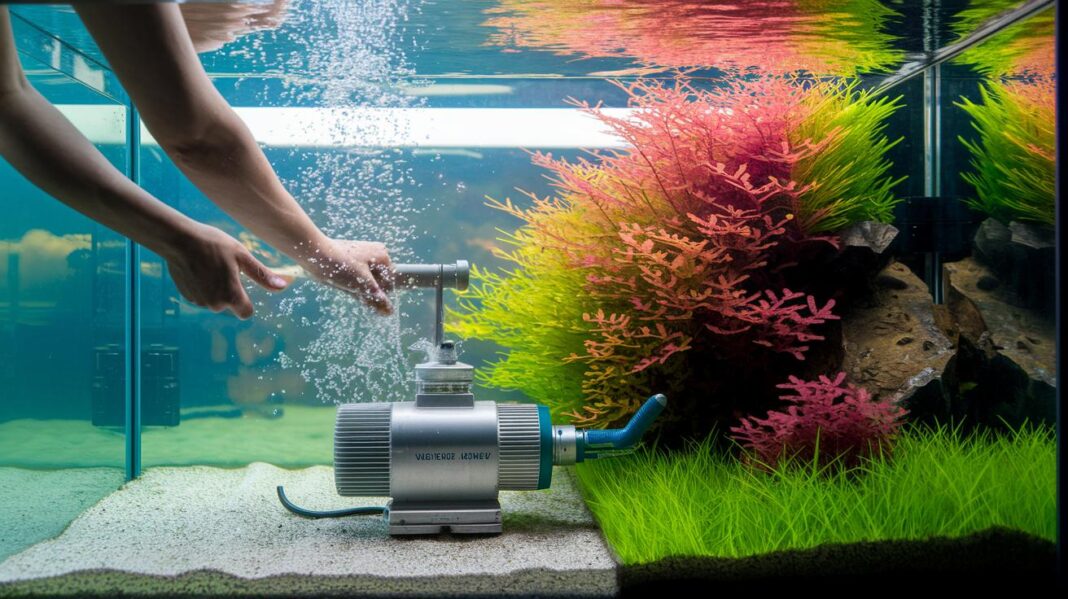

Ever notice that sometimes your pump just isn’t swimming at its best? Think of it like a visit to the vet for your pet fish, you wouldn’t skip those check-ups, right? Regular cleaning is a bit like sending your pump for a gentle spa day; it keeps your water clear and your pump humming along nicely. Whether you tend to it every few weeks or once a month, a little routine care goes a long way. In this guide, we’ll share some friendly, step-by-step tips to help your pump stay in top shape, making your tank sparkle like sunlight dancing on gentle waves.
Establishing a Cleaning Schedule for Aquarium Water Pumps
Keeping your pump in top shape is like looking after your own health. Regular cleaning helps your pump work smoothly and your water stay clear. Most aquariums do well with a cleaning every 4 to 6 weeks. If you just have fish in your tank, a deep clean every six months usually does the trick. But if you’re running a reef system with extra chemicals and nutrients, you might need to clean your pump monthly or even every two weeks to manage extra buildup.
Think of it like going for regular check-ups, you wouldn’t skip a dentist visit, right? Regular pump care stops hard deposits from forming on parts like impellers, bushings, and bearings, which keeps the water flowing nicely and boosts the pump’s efficiency. Keeping a simple calendar or log can be a lifesaver when it comes to remembering your cleaning days.
This steady routine not only extends your pump’s life but also nurtures a healthy tank environment, leaving your water sparkling like sunlight on gentle waves.
Step-by-Step Aquarium Pump Cleaning Procedures
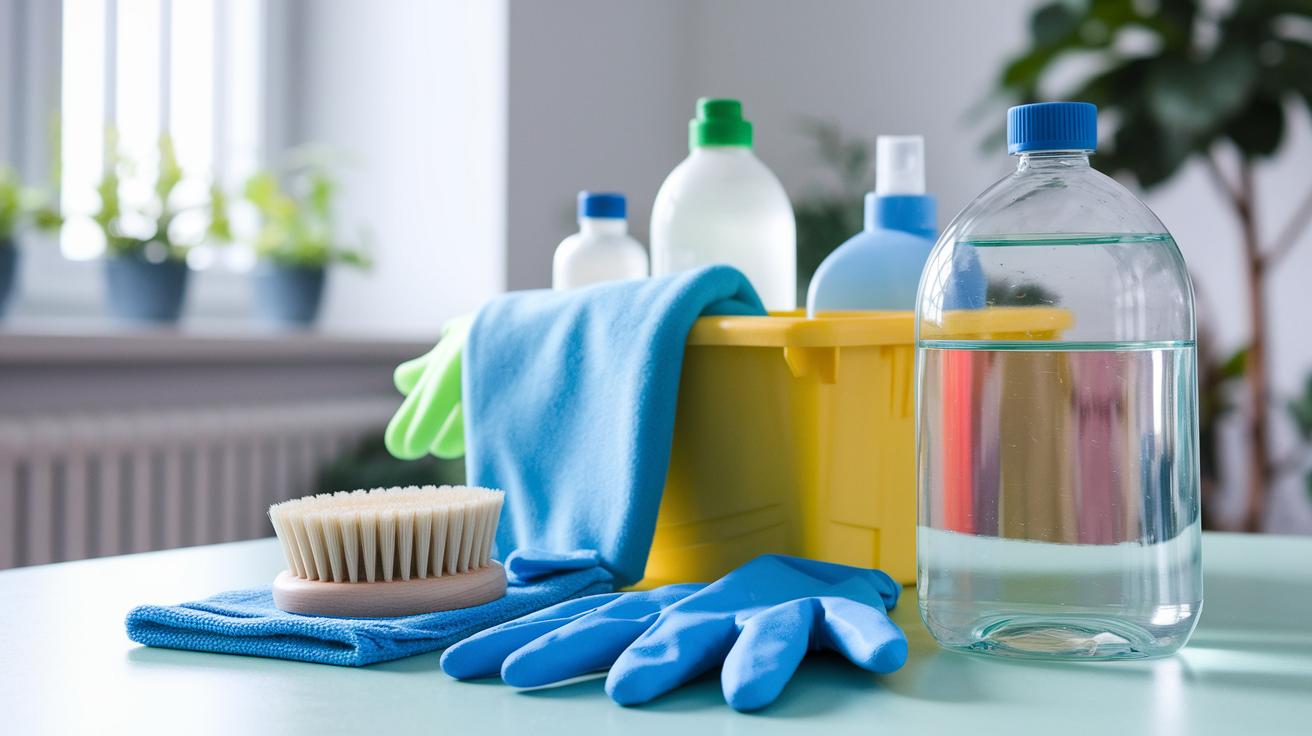
Before you get started, take a moment to gather your supplies. Grab a soft-bristle brush, two containers (one filled with fresh water and the other with a gentle cleaning solution), gloves, and some eye protection. This little prep work is like setting the stage for a calm underwater ballet, it helps ensure your pump stays in top shape and the water keeps flowing clear. Keeping your pump clean prevents buildup that might slow things down.
Now, you have two easy methods to choose from. Either take the pump apart and soak its pieces in the cleaning solution or run the pump underwater in a covered bath of the solution. Both ways work well, so go with the one that best fits your setup.
Here’s a friendly 10-step guide to cleaning your pump:
| Step | Action |
|---|---|
| 1 | Gather all your supplies and set up a neat work area. |
| 2 | Unplug the pump to keep everything safe. |
| 3 | Carefully take apart the pump, keeping small parts together. |
| 4 | Flush out any loose debris with fresh water. |
| 5 | Choose your method: soaking the parts or cleaning them in-line. |
| 6 | Immerse the disassembled parts in your cleaning solution. |
| 7 | Let the solution sit for a few minutes to loosen any deposits. |
| 8 | Scrub each part with your soft brush, focusing on the impeller and housing. |
| 9 | Rinse every part thoroughly in fresh water to wash away all chemicals. |
| 10 | Reassemble the pump and do a final check to ensure smooth operation. |
Following these steps will help your pump work like new and keep your aquarium a peaceful, healthy home for all your aquatic pals. Ever notice how calming it is to watch water ripple through a clean tank? Enjoy the process and the rewards it brings to your underwater world!
Selecting and Using Cleaning Agents Safely on Aquarium Water Pumps
When you’re cleaning your aquarium water pump, picking the right cleaner is super important. Two common choices are mixing equal parts white vinegar and warm water, or using diluted muriatic acid in a 1:5 acid-to-water blend. The vinegar mix is budget-friendly and safe on most plastics, and you can let it soak for as long as you need to loosen up gunk. On the flip side, the acid mix works quickly to remove calcium buildup but needs extra care. You should never let the acid soak for more than 24 hours, and it’s a must to wear gloves, goggles, and work in a well-ventilated area when using it.
| Cleaning Agent | Ratio/Strength | Pros | Cons |
|---|---|---|---|
| White Vinegar + Warm Water | 50/50 mix | Budget-friendly, safe on plastics, flexible soaking time | Mild cleaning power on heavy deposits |
| Diluted Muriatic Acid | 1:5 acid-to-water | Swift calcium removal, great for stubborn buildup | Short soak time (<24h), must follow strict safety steps |
By following these tips, you can keep your pump clean and your aquarium water sparkling safely. Ever notice how a clean pump makes your tank look even more like a vibrant underwater paradise? Enjoy your cleaning!
Troubleshooting Common Issues During Aquarium Pump Maintenance
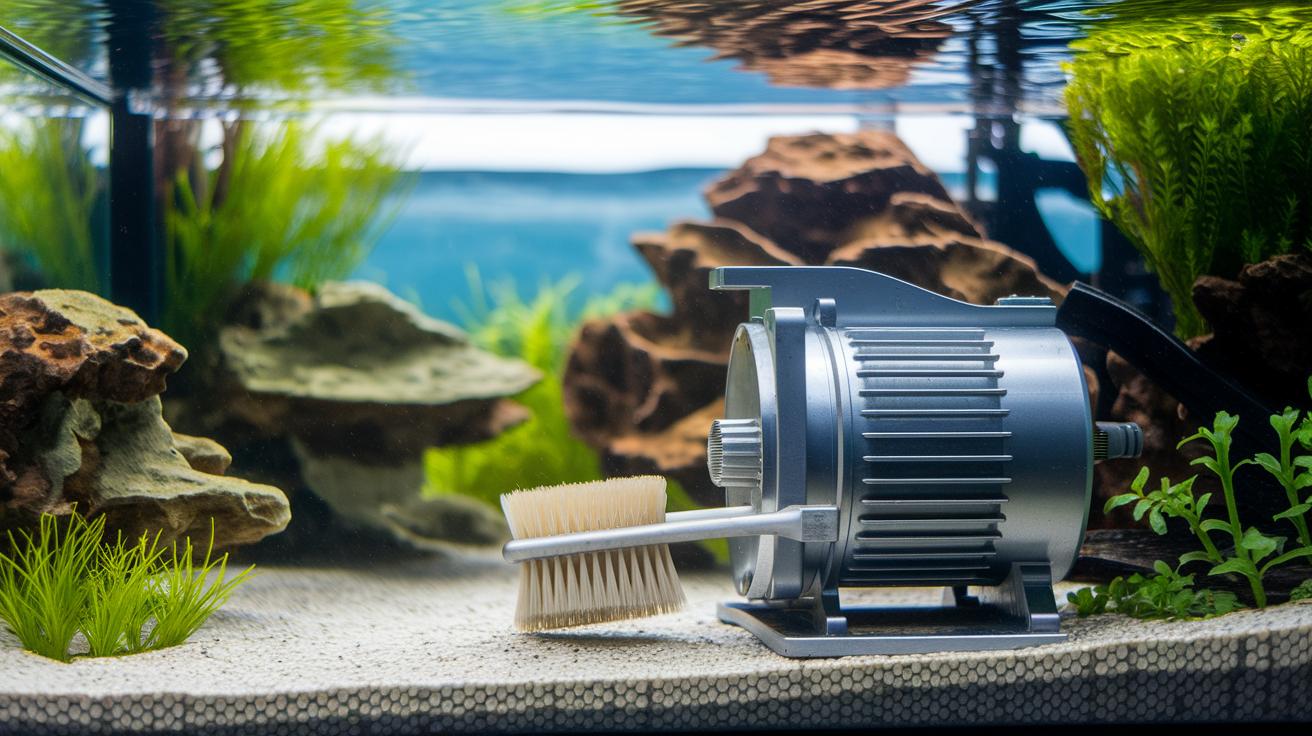
If your pump isn’t behaving as it should, stay calm. Think of it like understanding a fish’s mood, taking a slow, gentle look at what might be wrong. Regular upkeep can prevent many issues. Here are some common hiccups and easy fixes to help your pump work as silently and smoothly as a calm underwater current.
Low Flow Rate
Sometimes, the water flow slows down because calcium carbonate builds up on the impeller. This buildup, a bit like limescale on your kettle, stops the water from moving freely. Gently brush the impeller with a soft brush to remove the deposits, then give it a good rinse to wash away any loose debris.
Excessive Noise
If your pump starts to make extra noise, it might be because particles or debris have found their way inside. Check the pump housing and parts for any unwanted buildup. Clear out any blockages, and keep an eye on small parts that might be worn out, causing the pump to work too hard and create more noise.
Unwanted Vibration
A pump that vibrates more than usual might have loose mountings or misaligned fittings. Take a moment to examine these parts, tighten any loose screws or connections. If there’s any buildup throwing things off balance, use a soft brush to clean it out gently.
Overheating Motor
When the motor feels too warm, it’s a good idea to let the pump take a little break. Turn it off for a bit so it can cool down. Open up the ventilation areas and remove any debris that might be trapping heat near the motor. This helps keep the internal parts cool and working well.
Pump Stalling
If the pump suddenly stalls, start by checking the water intake for any visible blockages. Make sure all the electrical connections are secure to ensure a smooth, uninterrupted flow.
Taking care of these little details helps your pump run like a quiet stream and keeps the water in your tank flowing perfectly. Isn't it amazing how a little care can make such a big difference?
Preventive Maintenance Tips for Long-Term Aquarium Pump Performance
Taking care of your aquarium pump is like giving your tank a gentle tune-up, it keeps everything flowing nicely. When you check on simple details like tiny calcium spots, you help your pump run smoother and avoid big, expensive fixes later on.
Spend a few minutes each week inspecting your pump along with your usual water tests. This regular glance helps you spot a loose fitting or a bit of buildup before it becomes a problem. Whether your aquarium is full of freshwater or sparkling saltwater, these weekly checks work like a secret recipe for a happy, healthy tank.
Watching your pump's temperature and water flow is a bit like paying attention to little ripples on the surface. If things start to change, you'll know early on. By sticking with these care tips, you're giving your pump the best chance to perform at its peak while keeping your entire aquatic home balanced and vibrant.
When to Replace or Seek Professional Service for Aquarium Water Pumps
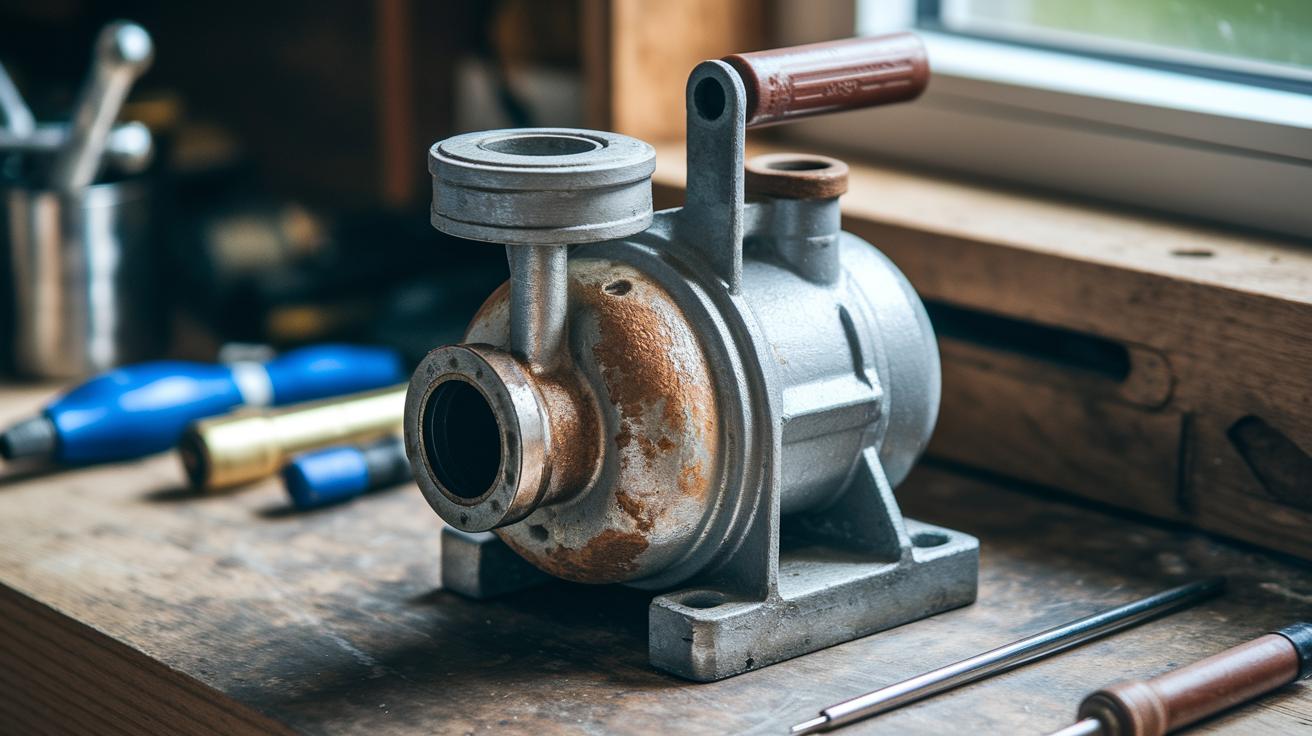
Ever notice that after a good clean and a bit of lubrication, your pump still struggles to create that smooth, soft water flow? If it’s overheating, making more noise than usual, or showing clear signs of wear on parts like the impeller blades, bearings, or shafts, it might be time to think about replacement or getting professional help. Imagine you spent time cleaning your pump only to hear the same loud buzz, it could mean the inner parts are too worn out.
Sometimes, using acid to clean can do more harm than good by causing corrosion, which messes with performance. If you see discoloration or little pits on any of the pump’s components, don’t brush it off. Regular upkeep should restore that gentle hum, so if your pump still isn’t behaving, it’s a sign there’s a deeper problem.
In truth, acting quickly can stop further damage and keep your aquatic setup running smoothly. Talking with an expert or considering an upgrade might just be the safest bet to ensure your tank continues to enjoy the calm, steady flow that every fish loves.
Final Words
In the action of setting up a solid routine, we explored the best practices for scheduling, cleaning, and troubleshooting your pond pump gear. We detailed a step-by-step cleaning method along with safety tips for choosing the right cleaning agents.
You now have a guide to keep your system in shape. Routine cleaning and maintenance of aquarium water pumps keeps your underwater world clear, balanced, and lively. Enjoy adding those personal touches to your aquatic home!
FAQ
Frequently Asked Questions
How do I clean my aquarium’s electric water pump or filter pump?
The aquarium water pump cleaning means you disconnect the power, disassemble the pump, gently remove debris with a soft-bristle brush, and rinse thoroughly with fresh water to keep your pump flowing smoothly.
How often should I clean my aquarium pump and what maintenance does it need?
The aquarium pump cleaning and upkeep are done every 4–6 weeks for typical setups, with regular checks to remove buildup and prevent issues like clogging or noisy operation.
How do I maintain my aquarium air pump?
The aquarium air pump maintenance involves checking its tubing for clogs, cleaning the filter elements, and ensuring the pump delivers steady airflow to keep your tank environment balanced.