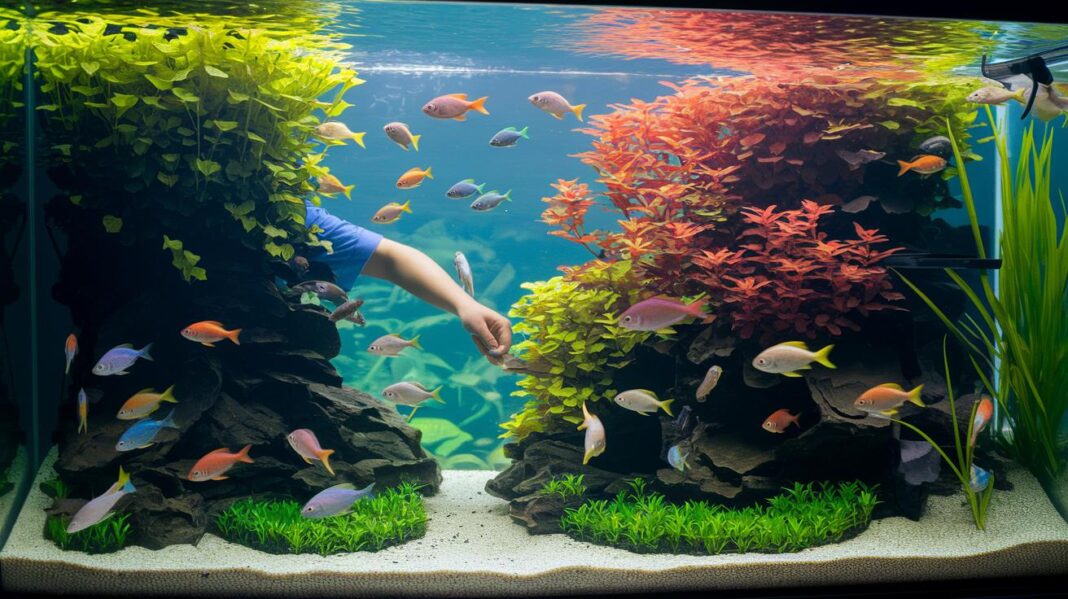

Ever notice how some planted aquariums dazzle like a sunlit pond while others seem a bit, well, lackluster? It all comes down to a few simple tricks that keep your underwater garden glowing.
A tank full of water and plants is just the start. To really make your aquatic space shine, you’ve got to treat it like a living work of art. Regular cleanings, the right kind of lighting (think of it as the soft glow on a moonlit lake), steady CO₂, which helps your plants breathe, and just the right nutrient boosts come together to create a balanced, vibrant world.
Stick with these easy tips and soon, even your simplest setup will bloom into a thriving, sparkling aquatic retreat you'll love to share with your fish.
Key Strategic Maintenance Tips for Planted Aquariums
Keeping your planted aquarium in top shape is like caring for a little underwater garden. When you stick to a regular cleaning routine, your fish, plants, and helpful bacteria live together in a cozy, balanced world. Even a basic glass tank can glow when you add thoughtful cleaning and seasonal adjustments. It’s all about matching the right light, nutrients, and care so everything feels just right.
Start by giving the glass and decorations a good wipe-down to clear off any buildup. Then check the lights and adjust the LED brightness if needed, sometimes a small change can make the colors pop. Keep an eye on your CO₂ levels too; think of it like a gentle current that needs to stay steady. Don't forget to dose your nutrients appropriately so your plants can grow strong.
Next, vacuum the bottom of your tank to remove any bits of organic debris that could cloud the water. Look over your filter like you would check the heart of a busy fish home, cleaning or replacing its media when necessary. Testing the water for pH, ammonia, nitrites, and nitrates is like taking your tank’s health check, simple steps that keep everything in balance. If you notice algae creeping in, a gentle scrub along with monitoring the light exposure can help keep it under control.
Every once in a while, recalibrate your equipment to make sure everything runs precisely as it should, and trim any overgrown plants to keep your aquatic space from getting too crowded. Patience is a must here, a tank might take 4 to 6 months to show its full, pristine beauty. Stick with these steps, and your aquarium will gradually reveal a balanced, flourishing aquatic landscape.
For more friendly advice, check out these aquarium equipment maintenance tips for longevity: aquarium equipment maintenance tips for longevity.
Lighting Adjustment Protocols for Planted Aquariums
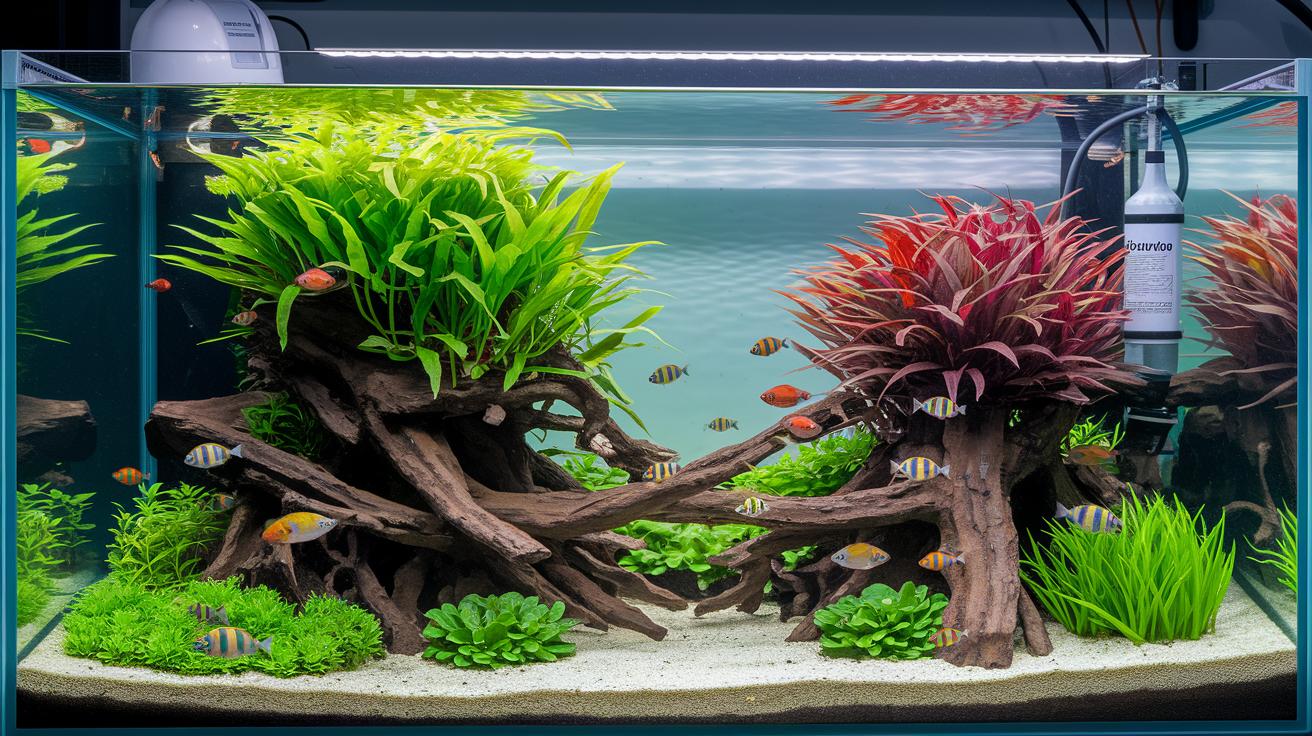
When it comes to giving your planted aquarium a healthy glow, choosing the right LED light is like setting up the perfect underwater spa. High-quality LED lights that offer a balanced mix of colors help your plants perform photosynthesis, basically, their way of eating, and keep the tank looking bright and beautiful. Try to let your aquarium enjoy 8 to 10 hours of light each day, much like a sunny day outdoors, which also helps keep pesky algae in check. For extra tips, you might want to check out this comprehensive guide to aquarium lighting options. Plus, adjusting the light based on the type of plant and the depth of your tank fine-tunes the whole setup.
Thinking about a little extra boost? Consider letting in a soft, pre-dawn light to gently mimic a sunrise. This gradual start helps your plants wake up smoothly while setting a natural rhythm in your tank. And if you notice any early signs of algae, you can try shortening the lighting period just a bit. With a bit of careful tweaking, you’ll create a balanced and lively aquatic scene that thrives every day.
CO₂ Injection Regulation for Planted Aquariums
Keeping your aquarium's CO₂ levels steady is like setting a gentle current where your plants can drink in light and grow strong. When you aim for around 20–30 mg/L, your tank looks clean and modern, and both your plants and fish benefit. Steady CO₂ also stops sudden pH changes that might upset your aquatic friends. Relying on proven CO₂ injection tools means you can keep this balance and enjoy a lively underwater garden.
Watching your CO₂ levels is simple with tools like drop checkers or pH controllers. They give you a quick look at your tank’s health, showing you when your CO₂ is just right. Adjusting the bubble flow slowly is like easing a soft current through your tank, every bubble counts without disturbing your pH balance.
For the first 4–6 months, let your setup settle into a smooth rhythm by slowly fine-tuning your bubble rates. Over time, your drop checker will show that sweet spot more and more. These easy tips remind us that a bit of patience and careful tweaks go a long way in keeping your aquatic world in perfect harmony.
Substrate Cleaning Methods and Nutrient Dosing Practices in Planted Aquariums
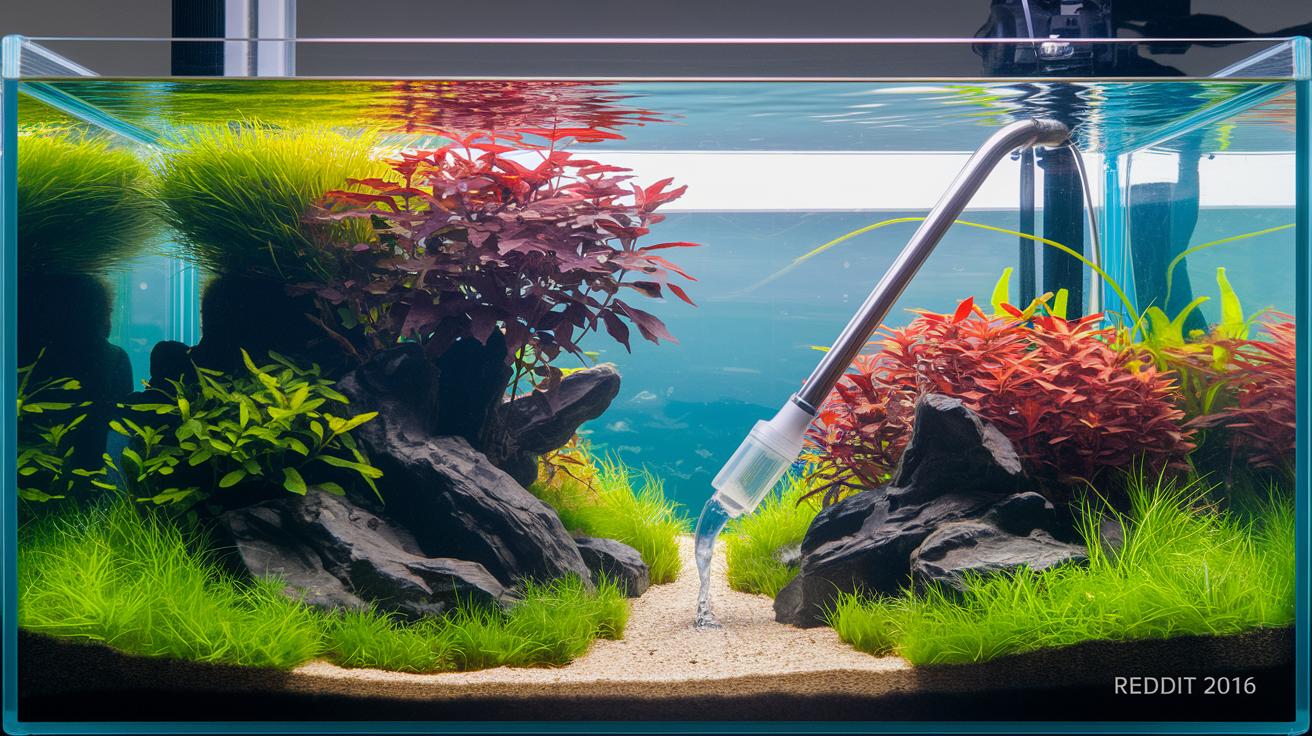
Keeping your tank's bottom clean is like setting the stage for a beautiful underwater dance. Using a gentle substrate vacuum sweeps away leftover bits of organic matter without disturbing the root zones where your plants drink in nutrients. When your substrate stays clear, your plants can grow strong and healthy without any extra stress.
Take a moment to think about these simple steps:
- Picking the right root tabs
- Measuring out macronutrients (the big building blocks that plants need)
- Adding micronutrients (tiny helpers for plant health)
- Planning when to dose
- Watching your plants' reactions
- Tweaking your approach as your tank evolves
Once you've cleared out the debris, it’s time to bring balance with your fertilizer routine. Adding root fertilizers gives your substrate layers an extra boost, kind of like laying down a nutritious carpet for your plants. For example, using a slow-release fertilizer gently feeds your plants over time. If you’re curious about picking the right product, check out this link: soil for aquarium plants.
Layering the substrate well and cleaning it periodically is like creating a natural rhythm in your tank. A soft, regular cleaning between fertilizer doses keeps everything in tune, letting plant roots spread out freely and soak up both the big and small nutrient helpers. By adjusting your nutrient mix based on how your plants respond, you turn everyday tank care into a rewarding and calming underwater garden journey.
Filter Media Replacement Techniques and Routine Water Change Schedules for Planted Aquariums
Keeping your filter in tip-top shape is key to a happy, healthy tank. Think of your oversized external canister filter like a busy water highway, it not only keeps the water flowing nicely but also gives extra space for helpful bacteria to chill out and grow. Change out the mechanical cartridge every 4 weeks because it quickly gathers debris, kinda like those tiny bits of food floating around. On the flip side, gently rinse your biological media in some tank water to save those beneficial bacteria, instead of washing them away. Using water that’s free of chlorine during these fixes is like giving your tank a gentle pat on the back; it keeps the microorganisms safe and the water quality high.
Weekly water changes are a must-have routine for any planted aquarium. Try to swap out about 25% of the water each week. Use a siphon to clean out hidden dirt and detritus from the corners and substrate, much like clearing leaves from the bottom of a pond. Once you’ve finished, top off the tank with dechlorinated water to keep the water level and chemistry steady. These regular little tweaks help set up a balanced, calm environment that controls nutrient levels, stops pesky algae from taking over, and lets your planted aquarium thrive.
Water Parameter Testing and Algae Prevention for Planted Aquariums
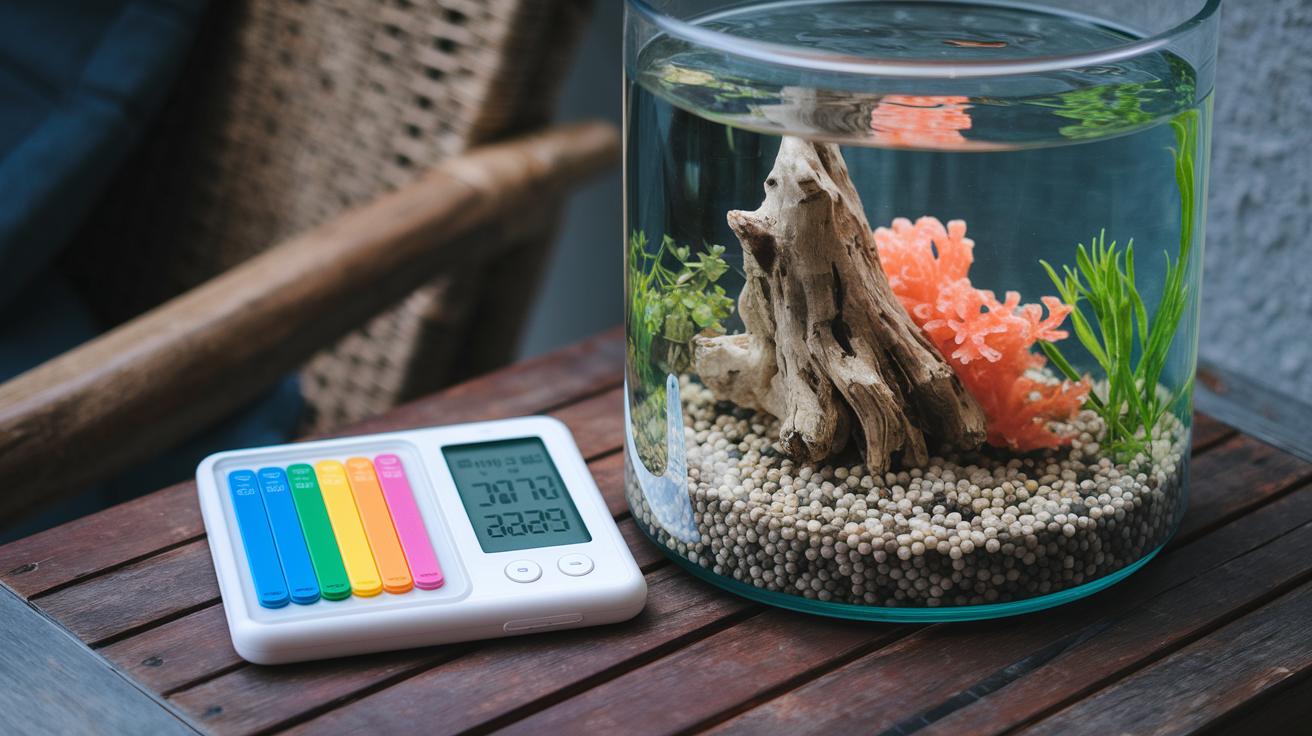
Keeping your water's pH steady and ammonia low is like creating a calm, safe pond for your fish and plants. Every week, use a quality digital test kit to check your pH, ammonia, nitrite, and nitrate. This helps you spot tiny changes early, like checking your tank every Monday so you can nudge things back on track before any big issues arise.
Make testing part of your regular routine. As you do your weekly water changes and feed your fish, those tests give you clear insights into what’s happening. It’s a little effort that makes a big difference in keeping your underwater world healthy.
When you notice algae starting to appear, don’t stress. A quick water test and a small tweak in your light schedule, like cutting the light exposure for a day, can help bring your tank back into balance. This simple step keeps your aquarium looking as beautiful and lively as a clear, sunlit pond.
Final Words
In the action, the post walks you through everything from lighting adjustments to substrate cleaning and filter media replacement. The steps, from setting up proper CO₂ balance to testing water parameters, help create both a visually appealing and healthy tank. Routine cleaning and seasonal care adjustments keep your aquatic world in balance.
Following these essential maintenance tips for planted aquariums can lead to a thriving underwater haven. Stay patient and keep smiling as your tank transforms and your fish enjoy a comfortable, vibrant home.
FAQ
What are some essential maintenance tips for planted aquariums from Reddit and YouTube?
The essential maintenance tips gathered from Reddit and YouTube include regular cleaning, proper lighting checks, steady CO₂ regulation, balanced nutrient dosing, substrate care, and algae control to keep your tank healthy.
What does “aquarium maintenance near me” refer to?
“Aquarium maintenance near me” refers to local services or experts who provide routine cleaning, water changes, equipment inspections, and overall care to keep your planted aquarium in prime condition.
What does CO₂ for aquariums involve?
The CO₂ for aquariums involves injecting and monitoring CO₂ levels, typically 20–30 mg/L, using tools like drop checkers to support robust plant growth and balance water chemistry.
What is Black beard algae and how is it managed?
Black beard algae are stubborn dark algae that grow on aquarium surfaces, managed by balancing nutrients, adjusting lighting, and targeted algae removal to prevent them from overtaking your planted tank.
How do you maintain a planted fish tank or a plant-only aquarium?
Maintaining both a planted fish tank and a plant-only aquarium means performing regular water changes, cleaning the substrate, monitoring nutrient levels, adjusting lighting, and ensuring proper CO₂ injection for optimal plant health.
What do I need to care for my aquarium plants?
Caring for aquarium plants requires proper lighting, CO₂ injection, balanced nutrient dosing, a clean substrate, stable water parameters, and routine maintenance practices that keep the aquatic environment flourishing.
How often should I clean my planted aquarium?
Cleaning your planted aquarium typically means performing weekly water changes, monthly filter checks, and regular substrate vacuuming, all tailored to your tank’s size and plant density for sustained water quality.