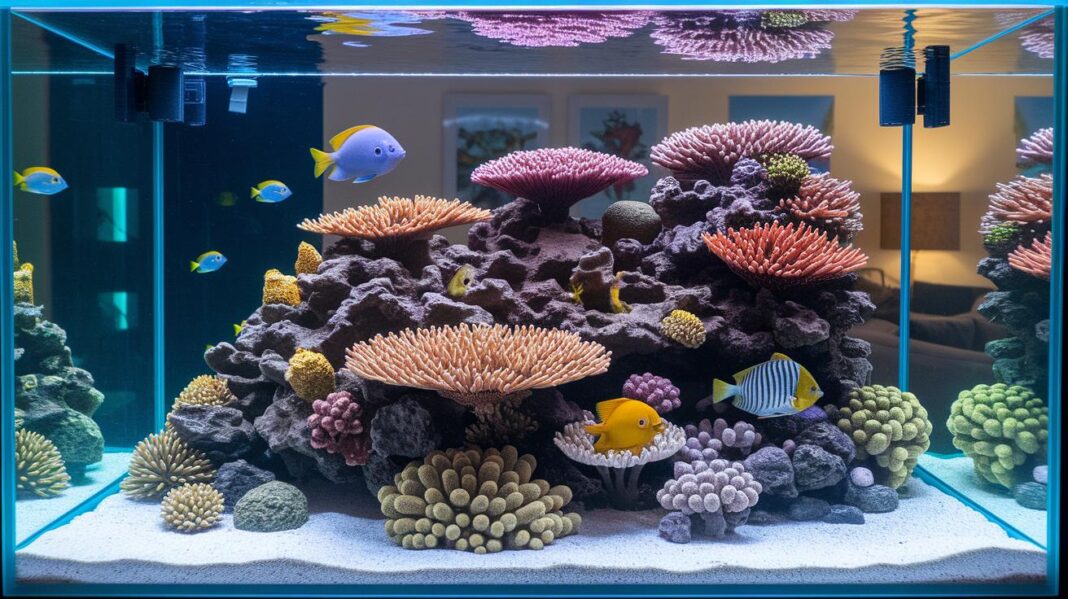

Ever wondered if your marine tank could capture the magic of the open sea? Picture laying a simple rock foundation that slowly transforms as corals begin to flourish, much like watching a tide of life gently roll in.
This little guide shows you how a bit of planning can give your tank a look that changes naturally over time. Open spaces in your setup let the water flow freely and help your corals spread out and grow strong.
Get ready to turn your marine tank into a calm, lively piece of the ocean, a perfect little underwater retreat you can enjoy every day.
Designing Your Aquascaping Marine Tank Layout
Imagine starting with a simple rock arrangement that sets the stage for a lively, ever-changing underwater scene. One setup featured a 187-gallon tank where a neat, basic rock formation was the star. Over time, as different corals like bubbles and chalices slowly spread out, they gently softened the bold rock design. It’s a reminder that your reef setup will always evolve, sometimes covering up those once-prominent rocks.
Experts from the past still agree: keeping the rocks less crowded gives the corals more space to shine and grow healthy. In another example, a 225-gallon tank had about 100 lbs of live rock carefully built into two mini islands. A wide channel was left at the back that not only cleared the water but also boosted water flow, essential for vibrant coral life. Many designers keep things neat by using only two layers of rock, which means no extra supports like acrylic rods or cement.
Next, think about the gear that helps your tank thrive. For a simple setup, check out essential aquascaping equipment for beginners to find tools that help with water flow and keeping rocks in place. And if you need more advice on picking the right devices, visit how to choose the right aquarium equipment.
Before you start, sketch your ideas. Draw out where each island and channel will go, plan for open spaces so your corals can expand, and picture how the gentle flow of water will refresh every corner of your tank. A thoughtful plan lays the groundwork for a balanced, living ecosystem that grows and changes just like nature intends.
Building a Stable Live Rock Foundation for Aquascaping Marine Tanks
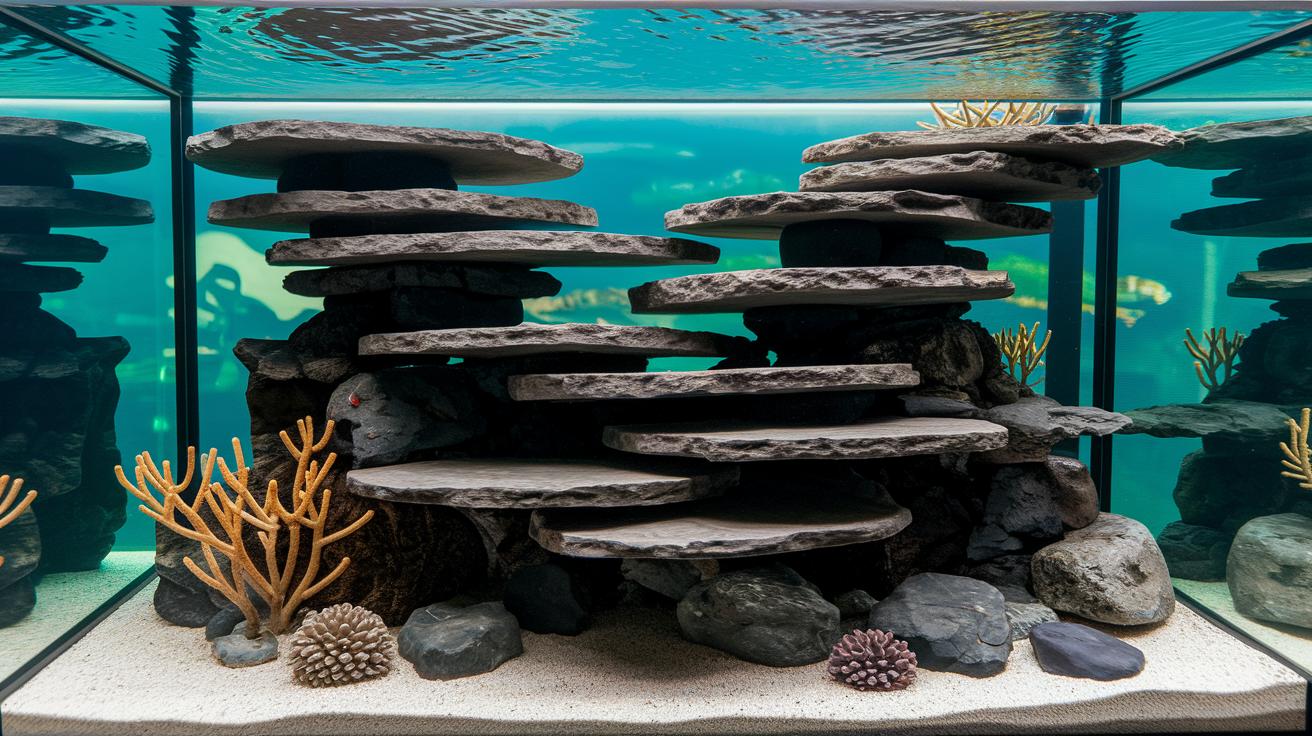
Start by using big, flat rocks as your base. They act like a steady, natural reef floor and make it easier to set everything up. Don’t let the flat pieces sit right on the glass, a little gap helps keep the area clean and makes maintenance simpler.
For instance, you can arrange these strong, flat rocks securely on your substrate, just how nature lays out a sturdy reef.
Next, place the upper layers of rock on top and stick them together with epoxy that holds up in saltwater. This glue hardens like concrete, keeping your little rock islands safe over time. Creating a two-tier setup not only keeps things neat but also skips the need for extra supports while sticking close to natural reef shapes.
You might also try using dry rock, like Marco Rocks, when you’re planning your layout. It lets you experiment with the best balance and shape before adding live rock that will bring the tank to life.
Crafting Dynamic Water Flow in Aquascaping Marine Tanks
When you design a marine tank, getting the water to move just right is key to a lively underwater scene. In a 225-gallon tank, designers made a broad channel in the back that helps push fresh water through and keeps every corner healthy. It’s much like a natural stream where every current carries nutrients and oxygen to your fish and corals.
Using trusted tools like Versia pumps and Red Dragon powerheads can really boost your water flow. When these are teamed up with smart gadgets like ProfiLux controllers and ION Director, the water moves in a pattern that feels very natural. This setup not only stops spots from getting stagnant but also helps filter out debris, kind of like how a soft current sweeps away leaves on a stream.
- Place return nozzles near caves and overhangs so they create little gentle swirls, just like the ripples of a hidden spring.
- Be careful not to pile up too many rocks, as seen in a 90-gallon tank where messy rock placements led to extra nitrate and unwanted algae.
Imagine setting up a return nozzle near a cave entrance. It stirs up soft, refreshing currents, similar to how a secret spring refreshes a quiet pond. With this careful pump and channel setup, your marine tank will stay clean, vibrant, and full of energy.
Integrating Coral Features and Aquatic Flora in Aquascaping Marine Tanks

When you're planning your marine tank, imagine how the corals will wrap themselves around the rocks over time. Take bubble coral, chalice coral, elegance coral, millepora or fire coral, and leather corals, they can grow so fully that they eventually cover the rock completely. Make sure you leave plenty of space, especially for SPS corals, so they're not squished by clusters of rock that could block water flow. This extra room helps them grow strong and free, just like watching gentle waves washing over a quiet reef.
Using macroalgae like Caulerpa or Halimeda is another clever tip. These plants add a bright splash of green to contrast the vivid colors of the corals and help soak up extra nitrates, which keeps your tank balanced. Picture soft strands of Caulerpa dancing in the current, much like seaweed swaying gracefully in a real reef.
Another neat trick is to use frag plugs and base plates. They let you set new coral pieces in top spots like small caves or under overhangs. Why not try adding a little surprise by framing a hidden nook with well-placed frag plugs to encourage corals to cluster naturally? This thoughtful planning not only makes your tank look stunning but also creates a balanced ecosystem where every living element has room to thrive, blending art and nature in a way that's as refreshing as a splash of clean water.
Essential Equipment and Lighting for Aquascaping Marine Tanks
Begin by choosing the reef starters that form the very heart of your tank. These essentials lay the foundation for your underwater world. With tools like ProfiLux controllers and ION Director, you get precise control, almost like fine-tuning the ripple of water on smooth stones. At the same time, Versia pumps and Bubble King protein skimmers keep your water sparkling clear and the flow nicely active. For your corals, whether SPS, LPS, or soft, they rely on calcium reactors and kalk reactors to keep minerals balanced, making sure they grow strong and vibrant.
LED add-on kits really change the game. They let you adjust the light’s spectrum to imitate natural ocean scenes. Picture a gentle light that moves from a bright midday shine to a softer, evening glow, highlighting the brilliant colors of your corals. High-tech saltwater lighting systems give you the freedom to showcase the lively marine life in a way that feels like a real slice of the ocean.
| Item | Purpose |
|---|---|
| ProfiLux controllers | Controls light and pump functions smoothly |
| ION Director | Keeps a close watch over water flow |
| Versia pumps | Boosts water circulation for a lively tank |
| Bubble King skimmers | Clears away excess organics from the water |
Other useful tools include automated aquarium systems like auto top-off setups that maintain the ideal salinity. Test kits are your everyday checks, making sure pH, calcium, and alkalinity levels stay on point. Plus, biopellet reactors act as natural filters, reducing nitrate and phosphate so your tank has a balanced nutrient mix. Matching your equipment to the size of your tank and the specific needs of your marine life helps create a thriving, sustainable aquascape.
Step-by-Step DIY Aquascaping Marine Tank Guide
First, start your project by drawing a clear sketch and making a list of everything you'll need. This step lays the groundwork for your underwater masterpiece. Think of your plan as a treasure map that gently guides you along the way. Write down all your essentials, like substrate, rock, sand, flow gear, lighting, and the tools to keep track. And if you need any permits, get them sorted out early so nothing holds you back.
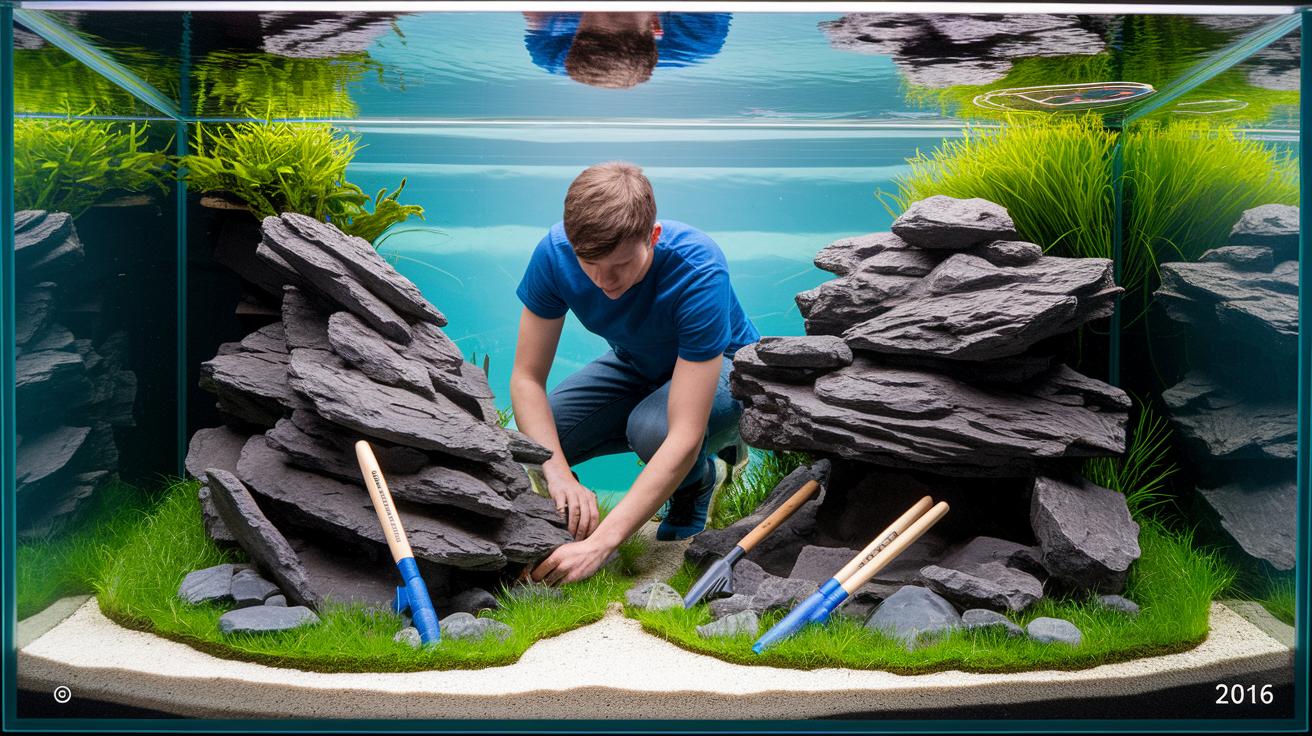
Then, spend about two hours carefully setting your rocks. Picture yourself crafting two little islands inside your tank while keeping them balanced and steady. It’s a bit like sculpting a mini seascape: you might use one hour to shape the first island and another hour to perfect the second, making sure they’re safe and secure.
Next, when your design is ready, it’s time to move your tank with care. For a 225-gallon setup, renting a box truck is a smart move. Before loading the tank, take a moment to check your home’s entryways. Imagine guiding a delicate piece of art through narrow corridors, the extra care now protects your precious tank from bumps or scratches later on.
Once your tank is in place, start the curing process for your live rock. Let the water settle and cycle until everything reaches a stable state. Only add your first corals when the tests show the water is healthy. This step-by-step approach helps ensure your new aquatic world grows strong and balanced.
- Substrate
- Rock
- Sand
- Flow gear
- Lighting
- Monitoring tools
Troubleshooting and Advanced Tips for Aquascaping Marine Tanks
Too much live rock in one spot can cause big problems. When rock pieces are really close together, dead zones form. This lets excess nitrates and phosphates build up, which feeds unwanted algae. Checking your water often is like taking your tank’s heartbeat, it helps you spot little imbalances before they turn into serious issues.
| What to Do | How It Helps |
|---|---|
| Regular Testing | Keeping an eye on pH, nitrate, and phosphate levels early on |
| Device Tuning | Adjusting skimmers and reactors to keep nutrient levels just right |
Patience really matters here. Small-polyped stony corals need plenty of space and a steady water flow to thrive properly. Instead of stuffing them in together, give each a bit of room to breathe and grow. One helpful idea is fragging, gently trimming your corals from time to time. This not only helps control their size but also reveals some hidden details in the rock that you might have missed.
Think of your aquascape as a living piece of art. A few small tweaks over time can keep your tank looking fresh and clear. That way, your corals and fish enjoy a healthy, well-balanced home, making your underwater world as serene as a quiet reef in a sunlit lagoon.
Final Words
In the action, we built a path from laying a stable live rock foundation to brief tips on gear, clear water flow, and planning zones for thriving corals and plants. Small steps helped craft layouts that avoid clutter and keep the tank bright. Each section showed how to create a balanced underwater space using careful planning and well-placed equipment. It’s all about enjoying the process and stepping closer to an aquascaping marine tank that brings joy and calm with every glance.
FAQ
Reef tank aquascape ideas
The reef tank aquascape ideas mix creative live rock arrangements with thoughtful coral placements to mimic natural underwater scenes that balance flow and light.
Aquascaping marine tank setup
The aquascaping marine tank setup involves planning a stable live rock foundation, arranging proper water channels, and selecting key equipment like pumps and lighting to support your marine life.
Reef tank aquascape for sale
The reef tank aquascape for sale offers ready-made, vibrant layouts that combine live rock and coral displays, giving enthusiasts an easy way to enjoy a natural-looking saltwater habitat.
Nano reef aquascape ideas
The nano reef aquascape ideas focus on efficient, small-scale designs that use compact rock formations and minimal coral accents while ensuring steady water flow and balanced tank chemistry.
Pre-made reef aquascape
The pre-made reef aquascape provides a complete, artfully arranged setup with live rock and coral elements so you can easily enjoy a natural and captivating marine scene without extra work.
Minimalist aquascape Reef
The minimalist aquascape reef style relies on using fewer, carefully chosen elements to create a clean, open environment that highlights the beauty of live rock and subtle coral features.
Reef Rock aquascape
The reef rock aquascape emphasizes using live rock formations smartly to form caves and channels, guiding water flow and creating natural spaces for coral and marine life to thrive.
Saltwater aquarium
The saltwater aquarium setup combines live rock, steady water flow, and strategic coral placement to create a balanced, ocean-like habitat that supports a colorful display of marine life.
What is the best tank for aquascaping?
The best tank for aquascaping is one that fits your space requirements while offering ample room for live rock, proper flow, and lighting to support both coral and marine life health.
Is 72 too cold for a reef tank?
The temperature of 72 degrees might be a bit low for many reef tanks; most marine organisms thrive in slightly warmer water, so adjustments may be needed based on specific coral and fish needs.
What is the rule of aquascaping?
The rule of aquascaping is to keep designs clear and open by using limited rock layers and ample space, balancing aesthetic simplicity with functional water flow for a healthy tank.
How difficult is it to keep a marine aquarium?
The difficulty in keeping a marine aquarium depends on proper planning and regular maintenance; with the right equipment and care, maintaining a vibrant marine tank can be a rewarding experience.