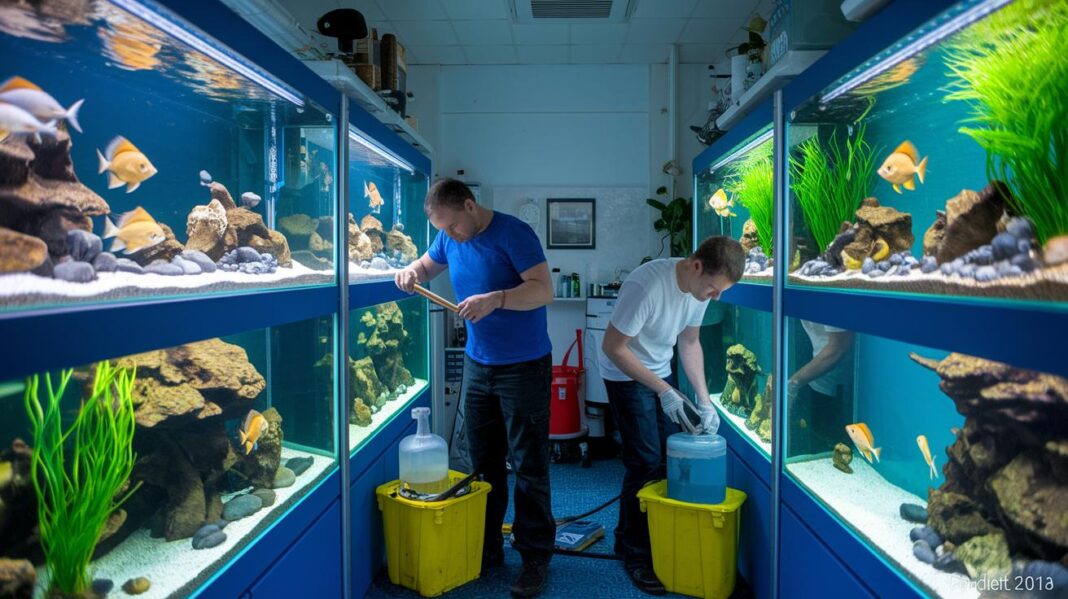

Ever wondered if a few small daily actions could turn your aquarium into a lively underwater retreat? Taking care of your tank isn’t just a task, it’s a kind act that helps your little aquatic world shine.
Wiping the glass, checking your equipment (that handy tool that cleans your water), and changing the water at regular intervals can catch tiny issues before they become big problems. It’s like noticing a small ripple before it turns into a wave.
This gentle routine not only extends the life of your gear but also creates a safe, welcoming home for your fish. Let’s dive into some simple tips that make routine upkeep a relaxing and rewarding part of your aquarium care.
Preventive Maintenance Schedule for Aquarium Equipment: Daily, Weekly, and Monthly Tasks
Every day, take a little stroll around your tank like you're admiring a miniature underwater garden. A quick wipe of the glass and a brief look at your lights, heaters, and filters work like a mini spa for your aquarium. I once saw a soft haze on my tank and a quick clean made it sparkle again.
Each week or every few days, it’s time to step up your game. Changing 15 to 25% of the water, depending on how busy your tank is, helps keep everything fresh and bright. While doing this, running a gentle vacuum through the gravel is like tidying up a cozy corner under the water. These tasks often help you catch small issues, like a slight drop in filter flow or a heater that’s not keeping the right temperature.
Then, once a month, treat your aquarium to a full check-up. Clean the filter to remove any built-up debris and take a moment to test important water markers such as pH, ammonia, nitrite, nitrate, phosphate, and hardness. This ensures your aquatic friends have the best home. Also, inspect your heater for wear and make sure your lights are shining bright for those lovely plants and corals.
| Daily Tasks | Steps |
|---|---|
| Glass wipe-down and quick equipment check | |
| Weekly/Semi-Weekly | 15% to 25% water change and gentle gravel vacuuming |
| Monthly | Filter cleaning, heater and thermometer check, light inspection, and water parameter testing |
| Periodic Checks | Monitor filter flow and perform a visual equipment audit |
Taking these steps is like letting a gentle current refresh your tank every day. It makes your aquarium a vibrant, healthy spot where every fish feels at home.
Filter Maintenance in Preventive Maintenance for Aquarium Equipment
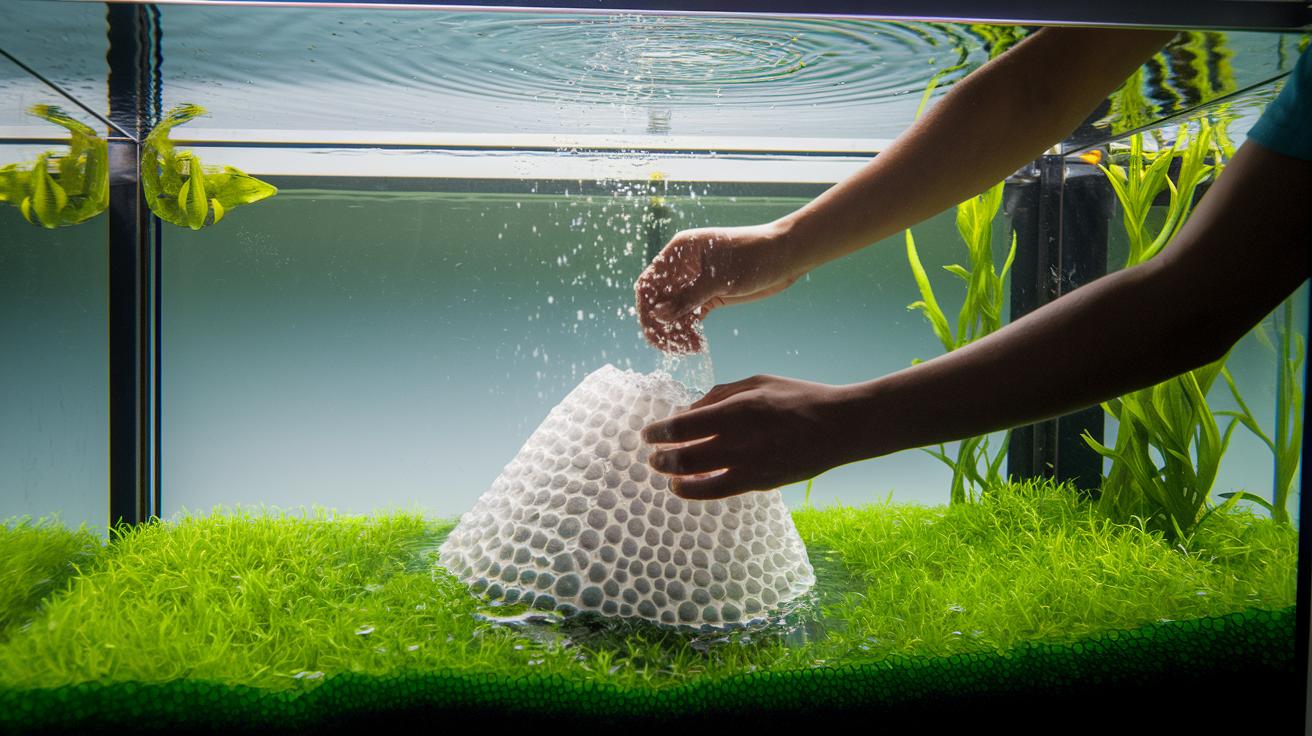
Start by giving your filter a good, careful look. Check where water comes in and where it leaves. If the flow seems slower than usual, it might be a sign of debris building up, much like noticing your bike tires need a quick check before a ride.
Next, take out the filter media and rinse it softly using water from your own tank. This gentle rinse helps keep the good bacteria that balance your water. I once said it’s like giving your media a refreshing shower without washing away all its natural benefits. While you do this, also peek at the impeller to see if any little bits of debris are stuck or if it shows signs of wear.
Then, it's time to refresh your filter media. Replace worn-out cartridge filters and update the carbon media as the manufacturer recommends. For more details on how often to switch things up, refer to the guide at aquarium equipment maintenance tips for longevity. This step is key to keeping your filter running smoothly.
Finally, test your filter after maintenance. Make sure the water flows nicely and that every part works together, like the gentle, rhythmic dance of water in a calm stream. A quick run will show you that your pump system is all set, ensuring your tank stays vibrant and thriving.
Heater Calibration and Inspection in Preventive Maintenance for Aquarium Equipment
Start by giving your heater a good, close look. Run your eyes over its body, checking for any odd color changes or warping. Gently feel along the seals, and give the power cord and plug a once-over to spot any cracks or worn spots. Think of it like checking your favorite fishing rod before a day on calm water, it’s all about making sure everything is in tip-top shape.
Next, make sure the temperature settings are just right. Compare the heater’s built-in thermostat with a trusted aquarium thermometer. If the numbers don’t match up, adjust the settings slowly, like fine-tuning the station on your old radio. That small tweak can mean a big difference in keeping your fish comfy and happy.
Then, take time to review the heater’s safety aspects. Look closely for any signs of rust, corrosion, or cracks that might have been missed. Listen for any unusual hums or rattles that could signal a problem inside. A careful check now can help you avoid unexpected issues later, much like a quick gear check before an eventful day by the water.
Finally, jot down any temperature changes and adjustments in a simple log. Keeping track of these details over time helps you maintain a stable and cozy environment for your aquatic friends.
Lighting Care and Component Checks in Preventive Maintenance for Aquarium Equipment
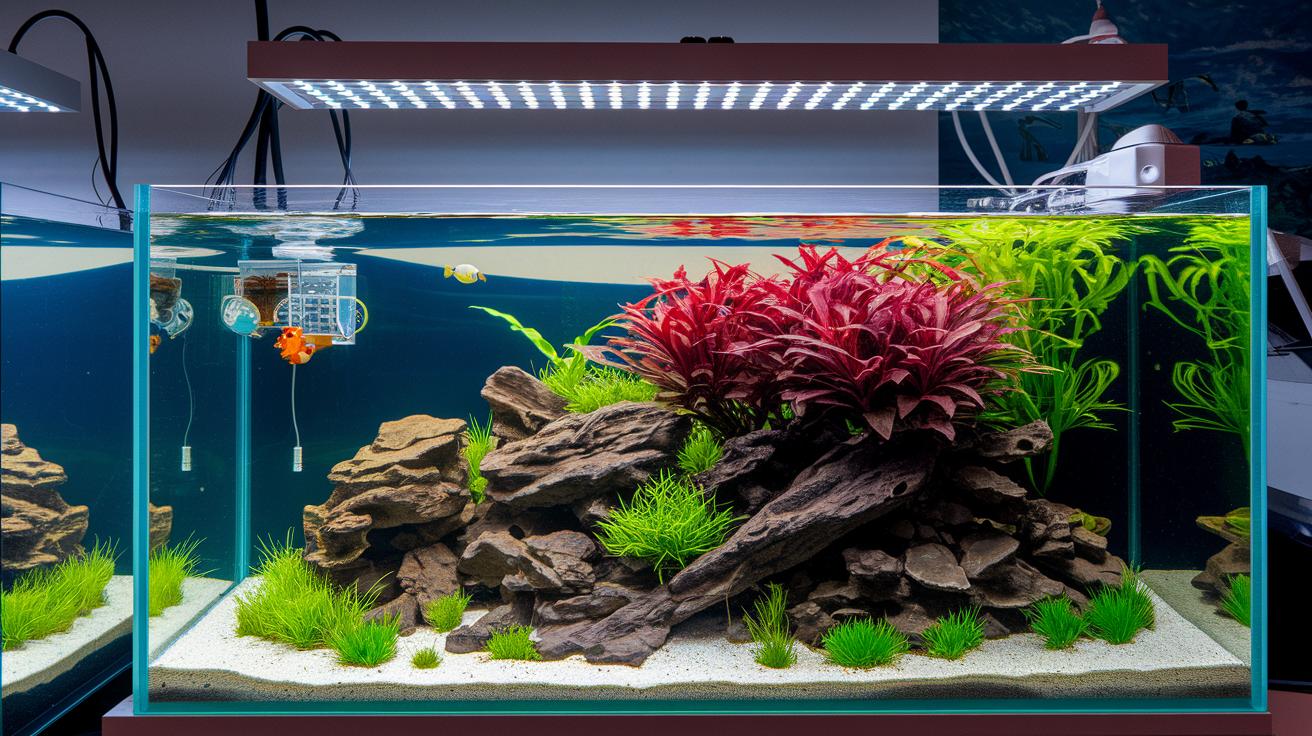
Start by giving your aquarium lights a once-a-month look-over. Check for any signs like dimming, flickering, or burnout. Sometimes you'll notice a slight color shift that hints the light might be calling for a little TLC.
Next, take a soft cloth and gently wipe away any algae or mineral buildup that’s settled on the fixtures. This keeps your tank glowing just right for your plants and corals, ensuring that every little corner gets the perfect shine.
Then, double-check your timer settings to make sure you’re hitting the right light schedule for your tank. And when it’s time, replace bulbs, tubes, or LED modules following the manufacturer’s recommendations. It’s a simple switch-up that keeps your light steady and true.
Finally, have a look at all your wiring and connectors for any wear or tear. Test out your backup lighting and surge-protection devices so that even if there's a power hiccup, your aquarium keeps sailing smoothly.
Monitoring Water Parameters in Preventive Maintenance for Aquarium Equipment
Keeping an eye on your water is really the heartbeat of a thriving tank. Every month, take a moment to test key numbers like pH (which should be between 6.8 and 7.8), ammonia (ideally 0 ppm), nitrite (less than 0.75 ppm), nitrate (below 40 ppm), phosphate (under 0.2 ppm), and the general hardness. Think of these readings as little signals letting you know how happy your aquatic friends are.
When you notice a number that’s not quite right, a quick fix can help restore the balance. For example, if the pH drifts a bit too high or low, adding some driftwood or a commercial buffer can gently guide it back on track, sort of like giving your tank a reassuring pat on the back.
Another way to keep your tank in tip-top shape is to control the organic load. Regular partial water changes help sweep away excess waste, and renewing filter media can break down unwanted compounds. And if you’re caring for a marine or brackish setup, using a refractometer to check salinity, and topping off with synthetic sea salt, keeps everything as steady as the soft ripple of water on smooth stones.
For the best results, invest in quality test kits (like those suggested in this link: what aquarium test kits do you need for proper water quality). With good tools and regular checks, you’ll keep your aquarium a safe and balanced home for every resident.
Final Words
In the action, daily glass cleaning and quick equipment checks set the stage for a thriving tank. Weekly and monthly tasks, from water changes and filter cleanings to heater and light inspections, keep your underwater world balanced. Routine monitoring of water parameters ensures your aquatic friends swim in a stable, healthy environment. Each task woven into preventive maintenance for aquarium equipment keeps your habitat vibrant and safe. Embrace these simple steps and enjoy watching your aquatic pet haven flourish with every care routine.
FAQ
Frequently Asked Questions
What is included in a preventive maintenance checklist for aquarium equipment?
A preventive maintenance checklist covers daily glass cleaning and quick equipment checks, weekly water changes with gravel vacuuming, and monthly tasks such as filter cleaning, parameter testing, and inspections of heaters and lights.
What is a regular maintenance schedule for aquariums?
A regular schedule includes daily cleaning, weekly water changes and vacuuming, monthly filter, heater, and light checks, plus periodic reviews of equipment flow and performance for a balanced tank environment.
Which task is a daily maintenance requirement for your aquarium?
Daily maintenance involves wiping the glass and a quick visual check on all equipment to spot early signs of issues and keep your aquatic home clear and lively.
What is the golden rule for tank maintenance?
The golden rule is to stick with a steady routine that cleans, checks, and records each task, helping you catch small issues early before they grow into bigger problems.
How do maintenance services and fish tank kits help aquarium beginners?
Maintenance services and kits provide ready-to-use tools and clear directions that simplify care routines, making it easier for beginners to keep their tanks clean and well-managed.
What is the purpose of keeping an aquarium maintenance log?
The log records cleaning dates, water changes, and equipment checks, helping you monitor your tank’s health and quickly spot any changes that need attention.
Where can I find fish tank maintenance services near me?
Fish tank services are available at local pet stores or through professional aquarium care providers who offer setup, routine cleaning, and repair services to keep your tank in top shape.