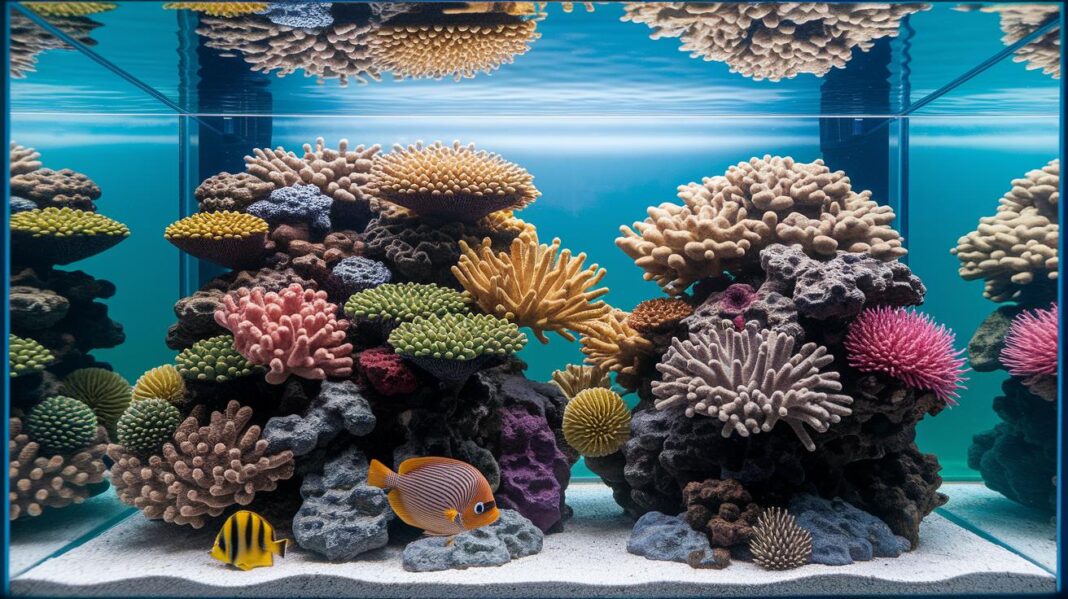

Ever thought your reef tank could become a lively work of art? Reef aquascaping lets you design your own mini ocean wonderland that sparkles like a natural coral garden. Imagine arranging rocks and coral as if you were curating a unique art display, each piece placed with care, like the gentle ripple of water over smooth stones.
In this guide, I'll share simple, fun steps to plan and test your layout. It’s much like setting up your favorite aquarium scene, where every rock and coral adds a little burst of life. Stick around and let’s dive in together to create an underwater retreat that's both beautiful and balanced.
Designing Your Reef Aquascape Layout
Getting your reef tank ready is like planning a little underwater adventure. Start by gathering ideas from online galleries, magazines, or even your friends' tanks. These snapshots help you picture how your tank might look and spark creative ideas for placing rocks and highlighting special coral spots, kind of like finding a hidden gem in the ocean.
Next, grab a tape measure and check the size of your tank. Even a small tank can seem deep if you arrange elements so they guide your eyes into the scene. Try laying out your design on cardboard, MDF, or even on the floor first so you know what to expect before you dive right in. This little test run also helps you avoid mistakes that might cause issues like unwanted nitrate buildup.
Here are five simple steps to keep in mind as you plan your layout:
| Step | Description |
|---|---|
| Gather Inspiration | Look at images from galleries, magazines, or friends’ tanks for ideas. |
| Measure Precisely | Work out your tank’s dimensions for a clear plan. |
| Draw a Sketch | Use techniques like the Rule of Thirds to balance your design. |
| Create a Mock Layout | Test your design with simple materials like cardboard or painter’s tape. |
| Make Adjustments | Refine your plan to ensure good water flow and space for coral growth. |
By taking your time and following these steps, you'll avoid rushing into a full setup. Instead, your tank will mature slowly and beautifully, with coral and rock placements evolving just like nature intended. Enjoy every step and imagine the gentle ripple of water as you create your perfect underwater haven.
Reef Aquascaping with Live Rock Foundations
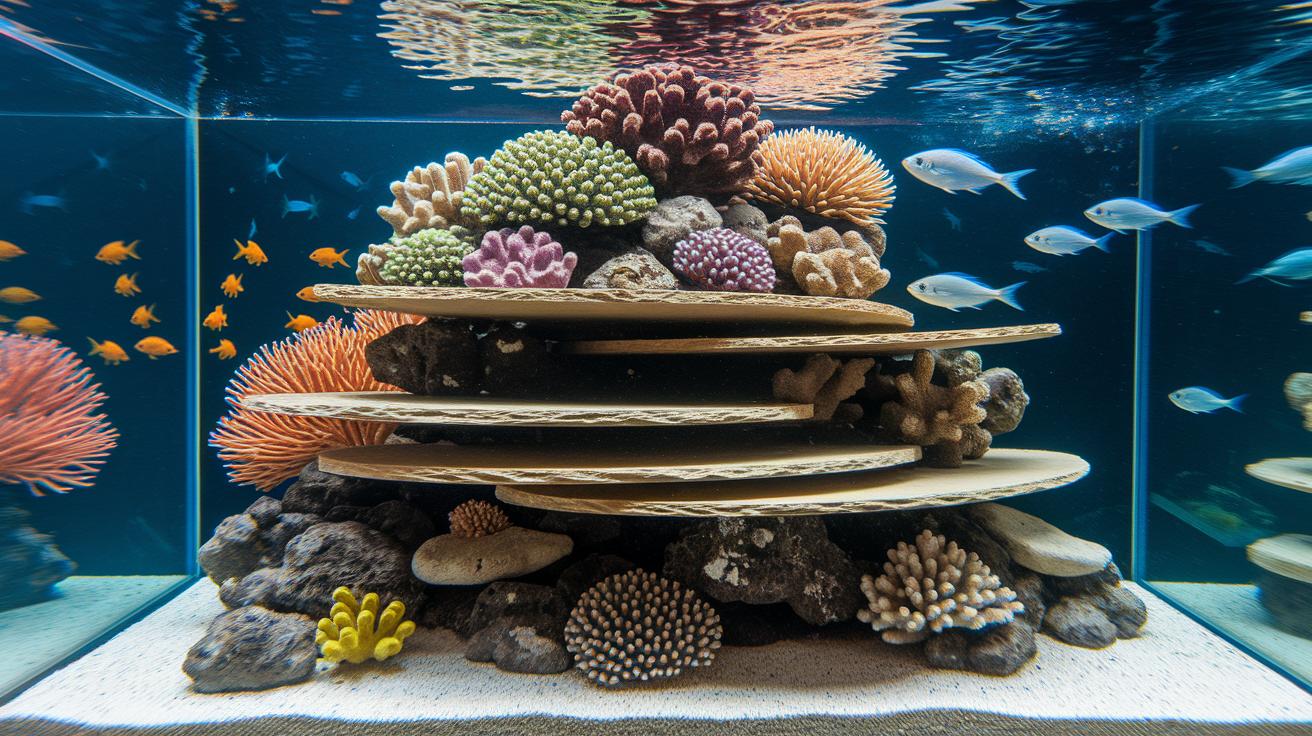
Begin by picking out big, flat rocks that can serve as a steady base. A firm foundation keeps your aquarium looking natural, almost like a little slice of a real reef. Use a saltwater-proof epoxy that hardens just like concrete to lock every rock in place so you don’t have to worry later. Imagine placing a wide, flat rock that can hold more layers on top, this is the secret to making your setup sturdy.
Then, mix in some fun features like little caves, overhangs, and tunnels for fish to swim through. These spots not only add a natural charm but also give your fish cozy nooks to hide in and play around. By creating small spaces within the rock formation, you're setting up a lively, interactive home where your fish can explore at their own pace.
Think about it this way: a 90-gallon tank with a loose wall of live rock might look cool initially, but it could cause problems later on. On the other hand, a 225-gallon tank with about 100 lbs of live rock, arranged as two separate islands, allows the water to flow better and lasts longer. Picture building two little rock islands with neat gaps for water movement, this design makes your aquarium both pretty and practical.
One great example comes from an aquascape that used Marco Rocks dry rock in a 187-gallon tank. With careful planning and top-notch materials, the setup created a secure and stunning aragonite design. This method mixes the basic ideas of reef aquascaping with creative rock placement to build a marine display that is as dependable as it is beautiful.
Reef Aquascaping Coral and Fish Selections
When you set up your reef tank, think of matching the natural flow of your corals with the fun energy of your fish. Each coral, like coral frags, bubble coral, chalice corals, elegance coral, Millepora (fire coral), leather corals, bounce shroom, and flower anemones, has its own shape and burst of color. This unique look can really bring out the best in your fish.
Pair these lovely corals with vibrant reef fish such as Banggai cardinalfish, regal blue tang, yellow tang, and a mix of wrasses like fairy, flasher, leopard, pencil, possum, and even some captive-bred Trimma sp. With the right mix, your tank will feel like a blooming underwater garden.
| Species Type | Examples |
|---|---|
| Coral Options | Coral Frags, Bubble Coral |
| Coral Options | Chalice Corals, Elegance Coral |
| Coral Options | Millepora (Fire Coral), Leather Corals |
| Coral Options | Bounce Shroom, Flower Anemones |
| Reef Fish | Banggai Cardinalfish, Regal Blue Tang |
| Reef Fish | Yellow Tang, Fairy & Flasher Wrasses, Leopard & Pencil Wrasse, Possum Wrasse, Captive-bred Trimma sp. |
Here's a fun tip: start with a surprising fact like "Bubble coral never loses its vibrant glow, even under low light conditions!" Use these nuggets of knowledge to decide where each coral should live, so they get the best light and water flow. Mix lively shapes with soft curves to create special spots where the fish can hide or play. When you strike the right balance between coral and fish, your tank becomes an enchanting aquatic showpiece, with every corner telling its very own underwater story.
Reef Aquascaping Equipment and Flow Management

Your reef aquascape thrives on having great gear and a clever plan for moving water around. Start with must-have tools like auto top-off systems, aquarium controllers, calcium reactors, chaetomorpha reactors, dosing pumps, LED lights, and trusty test kits. These gadgets help keep your tank balanced by topping off water automatically and keeping key parameters in check, much like a steady current that nourishes your underwater world.
Water flow is the heart of your aquarium. It stops unwanted dead spots where waste might settle and makes sure your corals stay bright and happy. Imagine setting up a 225-gallon tank with a special rear channel that moves water evenly all around. This kind of setup not only refreshes the water but also helps nutrients reach every nook of your tank.
Place your pumps and powerheads smartly around the tank so they mimic natural water currents. When you spot the perfect spots for them, you avoid still areas and let both light and oxygen swish through to every coral. Next, if you need more advice, check out "How to Choose the Right Aquarium Equipment" at https://sweetfysh.com?p=1902.
Think of it as creating a calm underwater dance where every gear and current moves in harmony to build your very own balanced marine home.
Reef Aquascaping Maintenance and Growth Strategies
Keeping your reef aquascape happy is all about routine care. Think of it like checking the pulse of your tank, it means testing the water, trimming coral, caring for the substrate, and tweaking the tank setup. Be patient and avoid piling too many rocks together so your corals have plenty of room to grow. Keep an eye on your nitrates and phosphates, as these are like little flags that tell you if something's off before it becomes a real problem. Even a quick daily look can catch small issues before they grow into bigger ones.
Here are some easy tasks to add to your routine:
- Test water parameters every week.
- Do regular water changes and check your equipment often.
- Trim fast-growing corals so light can reach all corners.
- Use epoxy for repairs during mid-cycles to keep things steady.
- Clean the substrate to prevent unwanted buildup.
Following these simple steps helps create a balanced, dynamic space for your marine life. Just as the tide gently carries water along, a steady routine will keep your reef aquascape vibrant and your ocean friends thriving.
Reef Aquascaping Inspirations from Natural Reefs
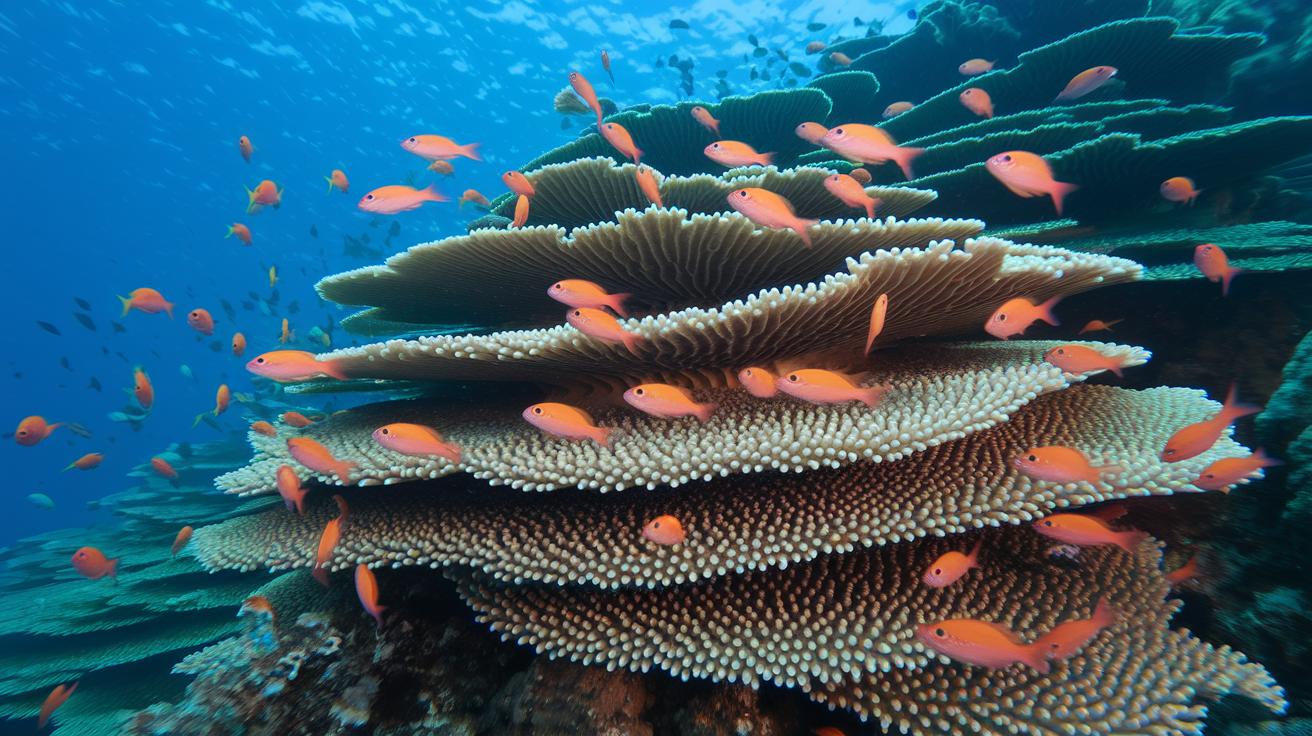
Imagine bringing the beauty of natural reefs into your aquarium, much like capturing a secret underwater dance of colors and shapes. Think of the deep blues of the Red Sea or the warm, inviting tones along South Africa's coast as your creative spark. It's like visiting a living art gallery where every hue tells a story.
Next, picture the Great Barrier Reef with its layered rock formations and gentle shifts of light and shadow. These natural elements create a calm underwater stage, much like soft ripples on a still pond. It’s as if nature itself is nudging you to design a peaceful retreat.
Then, drift over to the Dominican Republic, where coral clusters come alive with subtle color contrasts, setting a charming and artistic mood. And if you love a burst of energy, Raja Ampat offers a lively mix of vibrant shades that highlight stunning coral and playful fish pairings. It's like nature’s own fireworks show under the sea.
Over in Papua New Guinea and the Solomon Islands, you'll find natural curves, arches, and tunnels that invite you to create hidden nooks in your tank. These features provide not just beauty but shelter for aquatic life, encouraging you to add similar touches to your design. It’s a fun way to make your tank feel like a mini ocean.
Finally, let your layout celebrate diverse rock shapes that mirror the rugged terrain of these breathtaking reefs. Mix different textures and soft colors to mimic the dance of water currents and light, giving your aquarium a true taste of nature. In truth, it transforms your tank into a tiny seascape that honors the timeless artistry of the ocean.
Final Words
In the action, we explored a clear plan to design an amazing aquarium. We talked about gathering visual inspiration, balancing rock placement, and creating healthy, vibrant habitats. Remember these five steps:
- Source images
- Measure
- Sketch design
- Mock layout
- Refine for flow
Using techniques from reef aquascaping can bring natural beauty and stability to your setup. Enjoy watching your aquatic world grow and thrive every day!
FAQ
What are reef tank aquascape ideas?
Reef tank aquascape ideas offer creative approaches to arranging live rock, corals, and substrate that mimic natural ocean scenes. They emphasize balance and focal points for a captivating underwater display.
What does a reef aquascaping setup include?
A reef aquascaping setup involves planning rock placements, coral positioning, and equipment layout to mimic a natural habitat. It includes proper lighting and water flow to support healthy marine life.
What options are available for reef aquascaping for sale or pre-made reef aquascapes?
Reef aquascaping for sale options include pre-made setups complete with live rock, coral, and decorative elements. They offer a quick start for hobbyists looking to achieve a stunning aquarium without starting from scratch.
What are nano reef aquascape ideas?
Nano reef aquascape ideas focus on smaller tank designs that creatively use space with carefully arranged rock and coral elements. They show that even compact setups can exhibit dynamic and natural reef landscapes.
What defines the best reef aquascaping?
The best reef aquascaping combines artful rock placement, thriving coral, and balanced water flow. It maintains a natural look while ensuring a healthy, vibrant environment that mimics real-life marine reefs.
How does a reef rock aquascape enhance an aquarium?
A reef rock aquascape uses natural rock formations to create caves and overhangs, adding both visual interest and hiding spots for fish. It establishes a secure structure that supports a lively aquatic home.