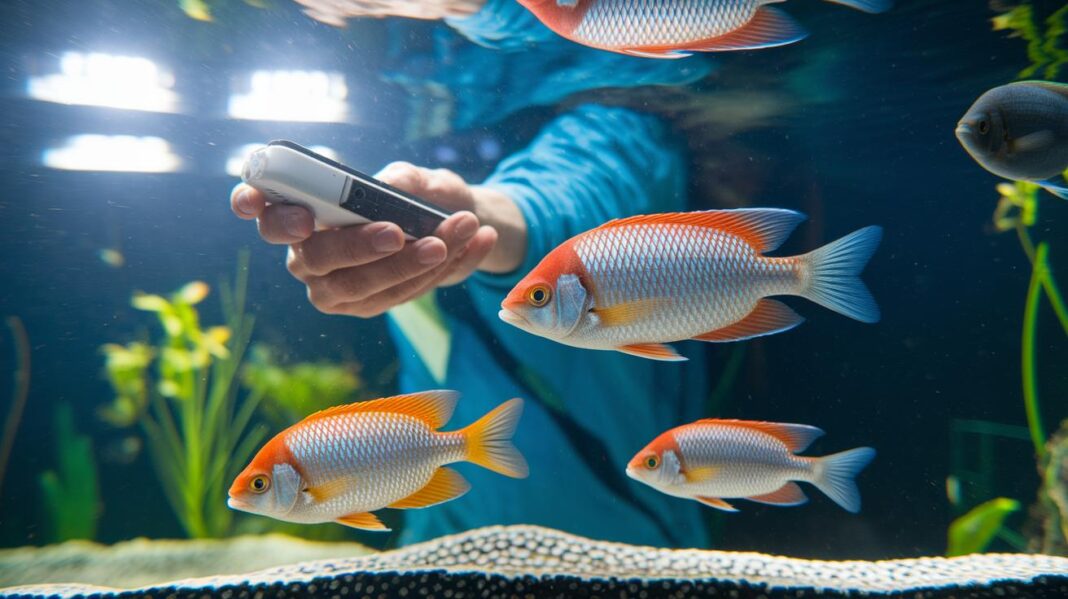

Ever wondered if your tank water is really doing its job for your fish? Taking care of your water isn’t just a chore, it’s like setting the perfect scene for a calm, underwater retreat. Checking things like your water’s pH (that tells you if the water is a little sour or a bit basic), water hardness (KH), and even ammonia levels helps keep everything in balance.
Imagine giving your tank a gentle tune-up that lets both your fish and plants flourish. With crystal-clear water and a bit of care, your underwater pals will glide through a space as inviting as a soft ripple on a sunny day. This guide will walk you through some easy, friendly steps to create that perfect aquatic haven.
Balancing Fish Tank Chemistry During Maintenance
Taking care of your fish means keeping the water just right. When the water has the proper mix of things like pH, KH (carbonate hardness, which helps keep pH steady), GH (general hardness), ammonia, nitrites, nitrates, chlorine, and oxygen, your fish stay calm and healthy. A simple weekly water change of about 10–20% is like giving your tank a gentle reset, preventing any sudden changes that might stress your aquatic pals.
Here are some easy tips to keep your tank balanced:
- Use trusted test strips or kits to check your water.
- Remember, one change can affect another. For example, adding something to adjust KH can help keep pH levels steady.
- Keep a little log of your readings so you can see patterns over time.
Start with a basic routine: test the water, make note of small changes, and adjust things slowly. This steady approach is a bit like easing into a swim, it keeps the changes gentle for your fish. When you add buffers or water conditioners, mix them slowly into the tank to keep the balance just right.
By keeping these important numbers in check, you create a peaceful space that not only supports your fish but also the helpful bacteria and plants that make your tank a lively little world.
Testing and Monitoring Essential Water Parameters

Keeping an eye on your tank’s water is like checking the heartbeat of your underwater world. Every week, grab a trusted test kit or some multi-test strips to find out the levels of pH, KH, GH, ammonia, nitrites, nitrates, chlorine, and dissolved oxygen. Fun fact: before Marie Curie became famous, she even carried test tubes with radioactive material in her pockets, showing that even the smallest readings can change everything.
For your tank, aim for a pH between 6.5 and 8.0. Keep your KH, which helps balance the pH, between 4 and 8 dKH (about 70 to 140 ppm). GH, showing the calcium and magnesium levels, is best when it’s also between 4 and 8 dGH (roughly 70 to 140 ppm). Ammonia and nitrites should always be 0 because even a little bit can stress your fish. Try to keep nitrates under 20 ppm, chlorine at 0, and dissolved oxygen above 5 mg/L for a happy, healthy tank.
| Parameter | Ideal Range |
|---|---|
| pH | 6.5–8.0 |
| KH | 4–8 dKH (70–140 ppm) |
| GH | 4–8 dGH (70–140 ppm) |
| Ammonia | 0 ppm |
| Nitrite | 0 ppm |
| Nitrate | < 20 ppm |
| Chlorine | 0 ppm |
| Dissolved Oxygen | > 5 mg/L |
It’s a smart move to mark your testing days on the calendar and jot down your findings. This way, you can watch for any changes and help your aquatic buddies stay safe and comfortable. If you need advice on which test kits to choose, check out what aquarium test kits do you need for proper water quality.
Adjusting pH Levels Safely During Maintenance
Before you make any changes in your tank, remember that pH tells you how acidic or basic the water is on a scale from 0 to 14. Most freshwater tanks do best between 6.5 and 8.0. Begin by removing chlorine using a dechlorinator. This simple step clears the way to adjust pH without any harmful chemicals interfering.
When it’s time to raise your tank’s pH, try using buffers or crushed coral. These stabilizers work slowly, much like watching the gentle ripple of water over small pebbles. A slow increase is important because too rapid a change could stress your fish, just like a sudden splash might startle a shy guppy.
If your pH gets too high, think about using RO/DI water or a product that lowers pH. Add these adjustments bit by bit, aim for less than a 0.2 shift in pH each day. This gradual process is like carefully adjusting the dial on a radio, ensuring your fish stay comfortable and stress-free.
Finally, always test your pH after making changes. Use a reliable test kit or multi-test strip to check that everything is moving at just the right pace. It’s a bit like checking the temperature of your bath before you step in, taking the time to monitor things means a safer, happier tank for your aquatic friends.
Balancing Fish Tank Chemistry During Maintenance
One fish keeper discovered that sudden changes in pH can really stress out your tank. One week, the pH was at 6.8, and the very next week, it jumped to 7.2. The fish started moving slower because the water wasn’t as friendly. By switching to smaller water changes more often, the keeper helped the pH settle back to a calm state.
Here are a few simple tips to keep your water balanced:
It’s good to remember not to overdo it, fixing one parameter too much can affect others. For example, if you change the hardness of your water abruptly, it might cause an unintended shift in pH.
One dedicated hobbyist once shared a surprising trick: they cut the weekly water change volume from 20% to 10% spread out over several days. This not only kept the pH stable but also made the fish noticeably more active.
Testing and Monitoring Essential Water Parameters
Keep an eye on your aquarium's water by using a trusted test kit or a set of multi-test strips every week. Check the water for things like pH, water hardness (that’s KH and GH), ammonia, nitrites, nitrates, chlorine, and even dissolved oxygen, which tells you how much oxygen is in the water. These tests help you make sure your fish and plants are happy and healthy.
| Parameter | Ideal Range |
|---|---|
| pH | 6.5–8.0 |
| KH | 4–8 dKH (70–140 ppm) |
| GH | 4–8 dGH (70–140 ppm) |
| Ammonia | 0 ppm |
| Nitrite | 0 ppm |
| Nitrate | < 20 ppm |
| Chlorine | 0 ppm |
| Dissolved Oxygen | > 5 mg/L |
I once heard a fellow aquarist compare water testing to the careful eye of Marie Curie in her early experiments. Just like she watched every little detail, you too can notice tiny shifts in your tank’s numbers. Check out the test kits from this handy guide at what aquarium test kits do you need for proper water quality. And remember, jotting down your test results can help you spot changes early and keep your underwater world thriving.
Adjusting pH Levels Safely During Maintenance
pH levels show you how acidic or basic your water is on a scale from 0 to 14. For most freshwater tanks, keeping the pH between 6.5 and 8.0 helps your fish feel right at home.
-
First, treat your tap water with a dechlorinator to remove chlorine. It’s like cleaning a window before you enjoy a clear view outside.
-
If you need to raise the pH, add a gentle solution like pH buffers or crushed coral. Think of it as adding a few drops of food coloring until you see a change.
-
To lower the pH, mix in RO/DI water or use additives made for that purpose. Make sure you change things slowly.
-
Adjust your pH by less than 0.2 units each day. Make a small change, then check the result before doing more.
-
Write down each step so you can track even the tiniest shift.
Following these steps will keep your water chemistry balanced and ensure a safe, happy home for your fish.
Managing Hardness: Balancing GH and KH in Your Tank

When it comes to your fish tank, water hardness is as important as the gentle ripple on a quiet pond. It helps create a safe, cozy home for your fish by balancing key elements like KH and GH, which are essential for maintaining healthy water chemistry.
KH is like the shield for your tank's pH, keeping sudden changes at bay. Aim for a KH range between 4 and 8 dKH (that's about 70 to 140 ppm) so your fish can enjoy calm, stable water. If you notice that KH levels are falling short, try adding a commercial buffer or crushed coral. These adjustments bring a subtle change, much like how a soft current refreshes a quiet stream.
GH, measuring the calcium and magnesium in your water, also needs a gentle touch. Keeping GH at 4 to 8 dGH (roughly 70 to 140 ppm) works well for most setups. For boosting GH, many aquarists choose a ready-made buffer. And if your water seems too hard, a little RO (reverse osmosis) water helps mix things up for a smoother, more balanced habitat.
Regular water testing acts like a friendly check-up for your tank. Taking small steps and making gradual changes ensures your fish stay relaxed and healthy, just like enjoying the steady flow of a bubbling brook on a sunny day.
Controlling Nitrogenous Waste: Ammonia, Nitrite, and Nitrate
When you take care of an aquarium, the first step is knowing how the nitrogen cycle works. It starts when fish waste and bits of uneaten food turn into ammonia. Friendly bacteria then work to change ammonia into nitrite. But even tiny amounts of nitrite can stress your fish because it's just as harmful. After that, another group of helpful bacteria convert nitrite into nitrate, which isn’t immediately dangerous. Still, if nitrate levels pass 20–40 ppm, it can slowly hurt your aquatic buddies.
Regular water tests are like checking the pulse of your underwater world. One aquarist put it nicely: "Test your water like you would check your pulse before a big race." Keeping a test kit nearby means you catch problems early. If you see any ammonia or nitrite, a quick water change, about 10–20% of your tank’s water, can bring things back to normal.
Caring for your biofilter is key. Think of it as a living shield that defends your tank against harmful chemicals. Using good filter media and adding bacteria boosters when needed helps the natural cycle do its job.
Here's a simple checklist to manage your nitrogen cycle:
| Task | What to Do |
|---|---|
| Water Test | Check your water chemistry at least once a week |
| Ammonia & Nitrite | Make sure readings are at 0 ppm |
| Nitrate Levels | Keep them below 20–40 ppm |
| Bacteria Supplements | Add them if your filter needs a boost |
| Partial Water Changes | Do these if you notice any spikes |
If you ever spot a sudden ammonia spike, use ammonia-neutralizing additives to protect your fish until your biofilter gets back to work. Taking these steps can help keep your tank a safe, warm home for all your aquatic friends.
Water Changes and Additives for Maintaining Chemical Equilibrium
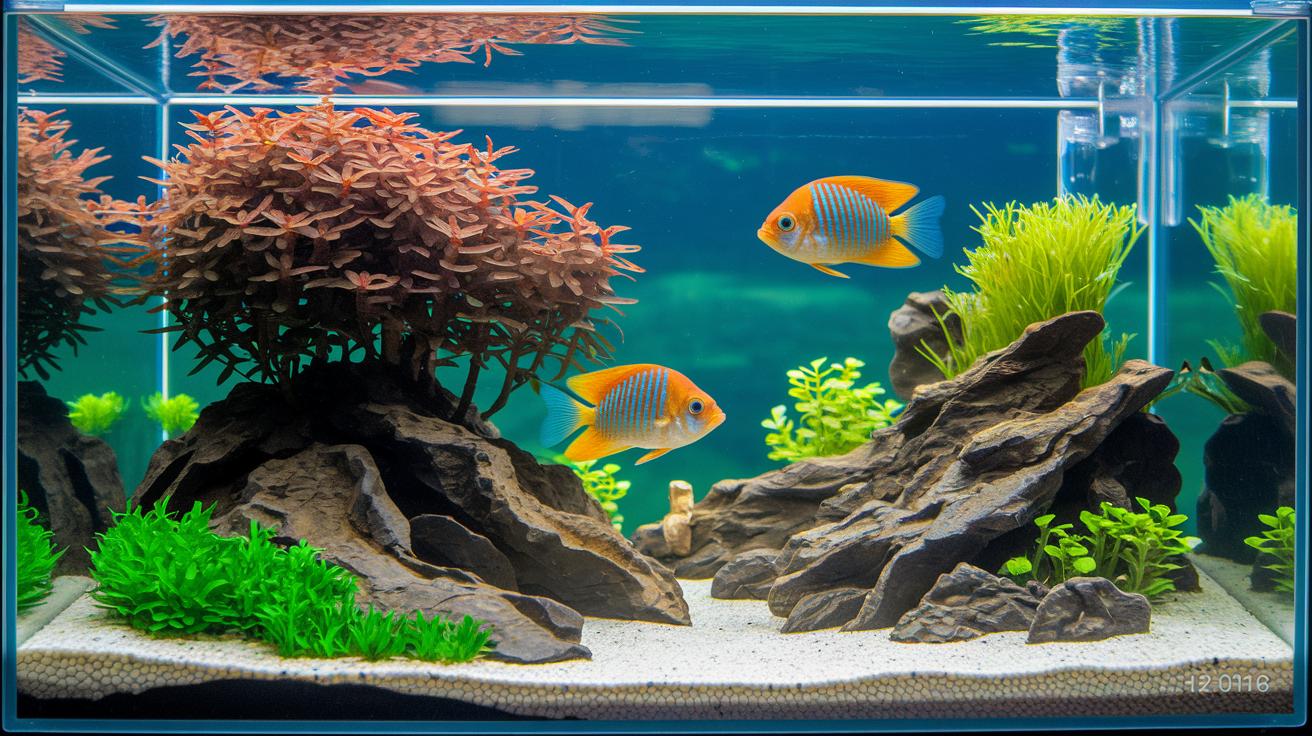
It helps to change 10–20% of your tank water each week using dechlorinated water that is the same temperature as your aquarium. This switch cleans out harmful buildup and keeps the water chemistry steady, much like a gentle stream keeping a pond fresh. Try to match the temperature closely so your fish don’t get startled by sudden shifts.
When introducing new water, start by treating your tap water with a dechlorinator. Think of it as giving your water a quick bath before it joins your tank crew, protecting the good bacteria that work hard to keep the water clean. Then, add liquid supplements like water conditioners, trace mineral boosts, and helpful bacteria during each change to support the natural balance of your aquatic home.
Stick to safe measurements, if your guide says 5 mL per 10 gallons, follow that rule. This keeps everything consistent and avoids upsetting your underwater world. Also, remember to use a gravel vacuum to clean up any debris from the tank bottom. This not only sweeps away leftover waste but also helps mix the water and additives evenly across your aquarium.
Key points to keep in mind:
- Regular, measured water changes are like a fresh breeze, keeping the chemistry stable.
- Using the right liquid additives supports the many helpful bacteria in your tank.
- Cleaning the gravel ensures every bit of your aquarium benefits from the new water and additives.
Troubleshooting Common Chemical Fluctuations During Maintenance
When you notice your tank's pH dipping sharply right after a water change, it can really throw you off. The best move is to test your water straight away with your regular testing kit. If you see a sudden drop, do a partial water change instead of a full one to gently guide your fish back to comfort.
Keeping an eye on your water's parameters might show you swings in hardness. If your KH or GH starts to shift too quickly, adjust your chemical doses slowly. For instance, if a buffer makes your water harder than expected, try reducing it little by little over several days. A buddy once compared it to dimming a lamp, small tweaks help avoid sudden dark spots.
Sometimes, tap water brings unexpected chlorine spikes. Treat your water with a dechlorinator before it hits your tank. Regular testing means you can catch these spikes early, keeping ammonia levels right where they need to be. And if nitrates rise and cause an algae bloom, a good clean or replacement of your filter media will restore balance.
Before wrapping up, always check that your equipment is calibrated correctly and retest if something seems off. Regular water tests are your best way to handle these unexpected shifts.
Final Words
In the action, we covered key steps to keep your underwater world safe and sparkly. We explored how testing, pH adjustments, hardness management, and nitrogen waste control work together. Each section offered simple tips to handle your tank’s everyday needs with care, showing how regular checks lead to better fish wellbeing.
Stay motivated and keep your aquarium thriving with expert insights on how to balance fish tank chemistry during maintenance.
FAQ
How can I balance fish tank chemistry during maintenance naturally and without harsh chemicals?
The approach to naturally balance fish tank chemistry is to use gentle water changes, dechlorinators, and biological filtration support. This method maintains pH, KH, and GH while keeping the system healthy without heavy additives.
What are the ideal freshwater aquarium water parameters?
The ideal freshwater water parameters include a pH between 6.5 and 8.0, KH and GH in the range of 4–8, ammonia and nitrite at 0 ppm, nitrate below 20 ppm, chlorine at 0 ppm, and dissolved oxygen above 5 mg/L.
How do I manage KH and overall water hardness in my aquarium?
The strategy for managing KH and water hardness involves raising KH or GH with commercial buffers or crushed coral and lowering hardness by diluting with RO water. Adjustments should be made gradually to keep fish safe.
What should I know about NO2 and NO3 levels in my aquarium?
The discussion on nitrogen levels emphasizes that nitrite (NO2) should be undetectable, while nitrate (NO3) should remain below 20–40 ppm. Keeping these levels in check helps prevent toxic conditions for your fish.
How can I keep pH levels balanced in a fish tank?
The advice for balancing pH focuses on testing regularly and using pH buffers or dechlorinators. Adjustments must be gradual—keeping changes under 0.2 pH units per day helps prevent stress on your fish.
What signs indicate poor water quality and what is the golden rule for tank maintenance?
Indications of poor water quality include cloudy water, excessive algae, or fish gasping at the surface. The golden rule is to perform regular, measured water changes and testing to keep the water parameters stable.
How do I keep my fish tank water balanced overall?
The method to maintain overall water balance is to stick to a routine of weekly water changes, regular testing of key parameters, and slow chemical adjustments. This consistent upkeep supports a healthy aquatic environment.
What are the basics of Seachem products like Equilibrium, Alkaline Buffer, Acid Buffer, Stability, Prime, and Flourish?
The overview of Seachem products is that Equilibrium raises GH, Alkaline Buffer boosts pH, Acid Buffer lowers pH, Stability supports beneficial bacteria, Prime dechlorinates, and Flourish provides nutrients for plants.