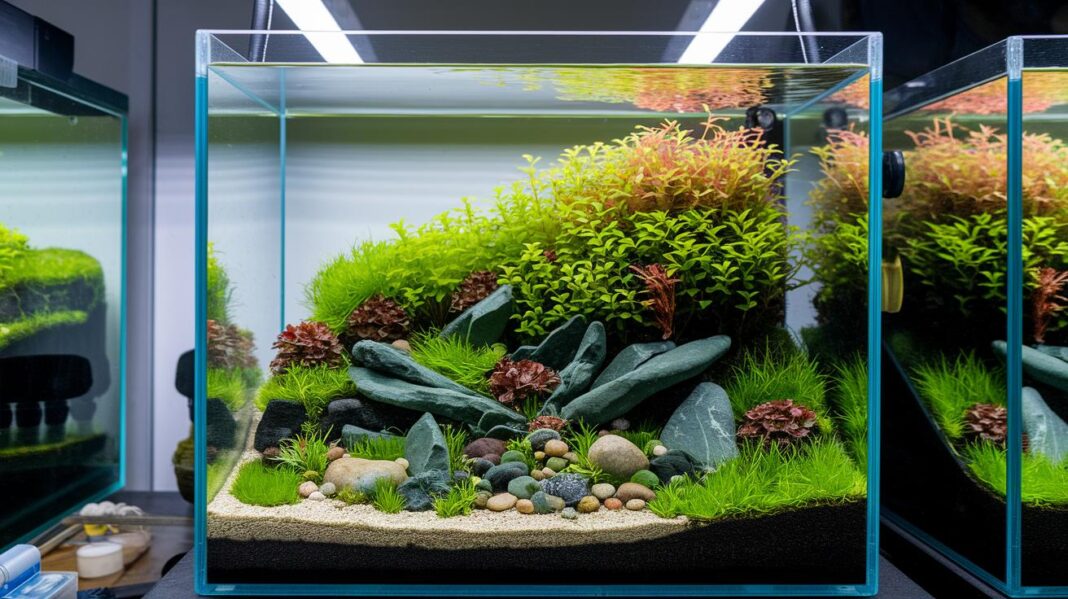

Ever wonder if your tank could shine without too much fuss? Low-maintenance aquascaping proves that a vibrant underwater garden is closer than you think. Imagine a neat 20-gallon long or a 40-gallon breeder tank, perfectly lit and set up with just a few basic supplies, coming together like the gentle flow of a quiet stream. In this piece, I'll share some simple, fresh ideas to help you create an aquatic nook that's both inviting and easy to care for. Let’s dive in and turn your aquarium into a soothing oasis.
Quick Low Maintenance Aquascaping Setup for a No-Fuss Clear Oasis
Imagine setting up a small, shallow tank like a 20-gallon long or a 40-gallon breeder. It’s like crafting a simple, clear underwater garden without spending a lot on fancy equipment. I once set up a 20-gallon long, and its cozy size made everything so much easier.
Keep your light levels around 30-50 µmol, imagine this as the soft glow that helps carpet and midground plants grow, even if you skip extra CO₂. Use a nutrient-packed aquasoil or mineralized topsoil layered with a bit of sand, then add all-in-one liquid fertilizers to keep feeding your plants without any fuss. And don’t forget a filter that moves water gently about 6-10 times the tank volume; it helps oxygenate the water while making a peaceful ripple on top. You might even check out a guide on aquarium lighting options if you're curious about picking the perfect bulbs.
Here’s a quick step-by-step outline:
- Tank Choice: Pick a shallow tank like a 20-gallon long or 40-gallon breeder.
- Lighting: Aim for medium light (30-50 µmol) to keep your plants happy.
- Substrate: Choose nutrient-rich aquasoil or mineralized topsoil with a sand cover.
- Fertilisation: Use an all-in-one liquid fertilizer for steady nutrients.
- Filtration: Select a filter with a 6-10× turnover rate to ensure oxygen and gentle surface movement.
- Plant Placement: Arrange your hardier species from the foreground to the background.
- CO₂ Considerations: Stick to setups where strong plants do well without extra CO₂.
This setup is all about simplicity and ease. It cuts down on the extra work so you can enjoy watching your little underwater world thrive, just like enjoying the gentle, refreshing flow of water on a sunny day.
Pond Ecosystem Aquascapes: Design and Budget Tips
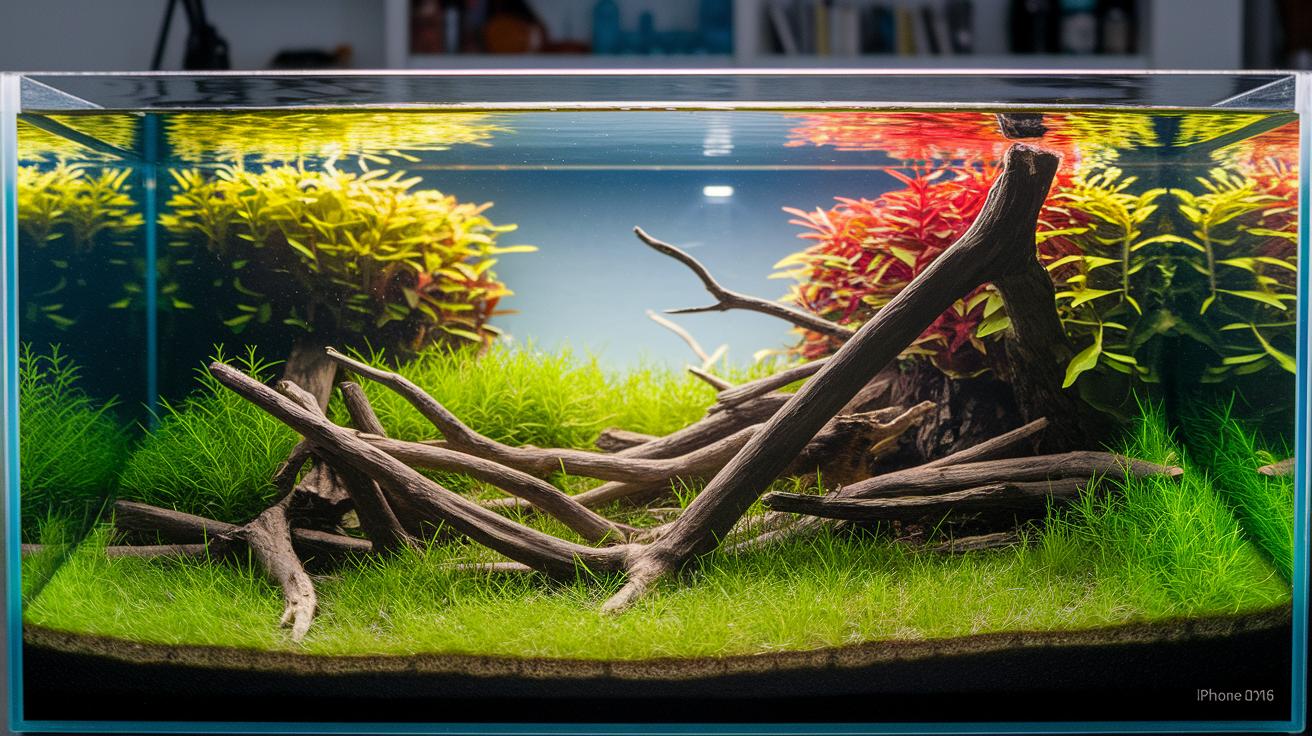
If you’re starting a pond aquascape, try a shallow tank like a 20-gal long or a 40-gal breeder. These tanks are easy to care for and let your lights shine bright. Stick with just a few chosen stones or one simple piece of driftwood so you can enjoy the gentle ripple of water without too much cleanup.
Set up your substrate by using a nutrient-rich base and topping it with a fine layer of sand. Think of it like building a solid home for your plants: the nutrient-packed soil slowly feeds them while the thin sand layer keeps everything in place and creates cozy spots for tiny helpers.
For an affordable, balanced setup, choose budget-friendly fertilizers and soft filters. A liquid fertilizer that gives both big and little nutrients works great, and an inexpensive sponge or hang-on-back filter that turns over the water about six times keeps everything smooth. Even repurposed ceramic pieces can do double duty by anchoring your plants and adding a nice touch to your aquatic space.
Simplified Liquid Garden: Choosing Easy-Care Submerged Flora
Picture your tank as an underwater canvas where strong plants like Amazon Sword and Cryptocoryne gently root into the gravel. These hardy beauties do well without extra CO2 and give your tank a steady, soothing backdrop. Similarly, Dwarf Sagittaria and Vallisneria spread out like soft, flowing carpets under a medium light of about 30 to 50 µmol. Their gentle growth creates a calm, welcoming scene that feels as natural as a quiet stream.
Next, imagine the midground filled with plants that add a touch of charm, like Java Fern and Anubias. These plants easily cling to driftwood or rocks and need only a little trim every three or four months to keep them looking neat. They thrive in low to medium light, making them perfect if you want beauty without too much fuss. Their sturdy leaves add texture and depth, helping your aquascape look layered and balanced.
Finally, at the front of your display, accents like Java Moss and Marimo Moss Balls work as slow-growing stars and natural sponges for nutrients. Along with these, Hornwort and Water Wisteria float gently on the surface, soaking up extra nitrates and keeping your water stable. If you’re new to aquascaping, trying out these plants can be a fun and inspiring way to create a lovely, low-maintenance underwater garden.
Maintenance Tips for a Pristine Low Maintenance Aquascaping Environment
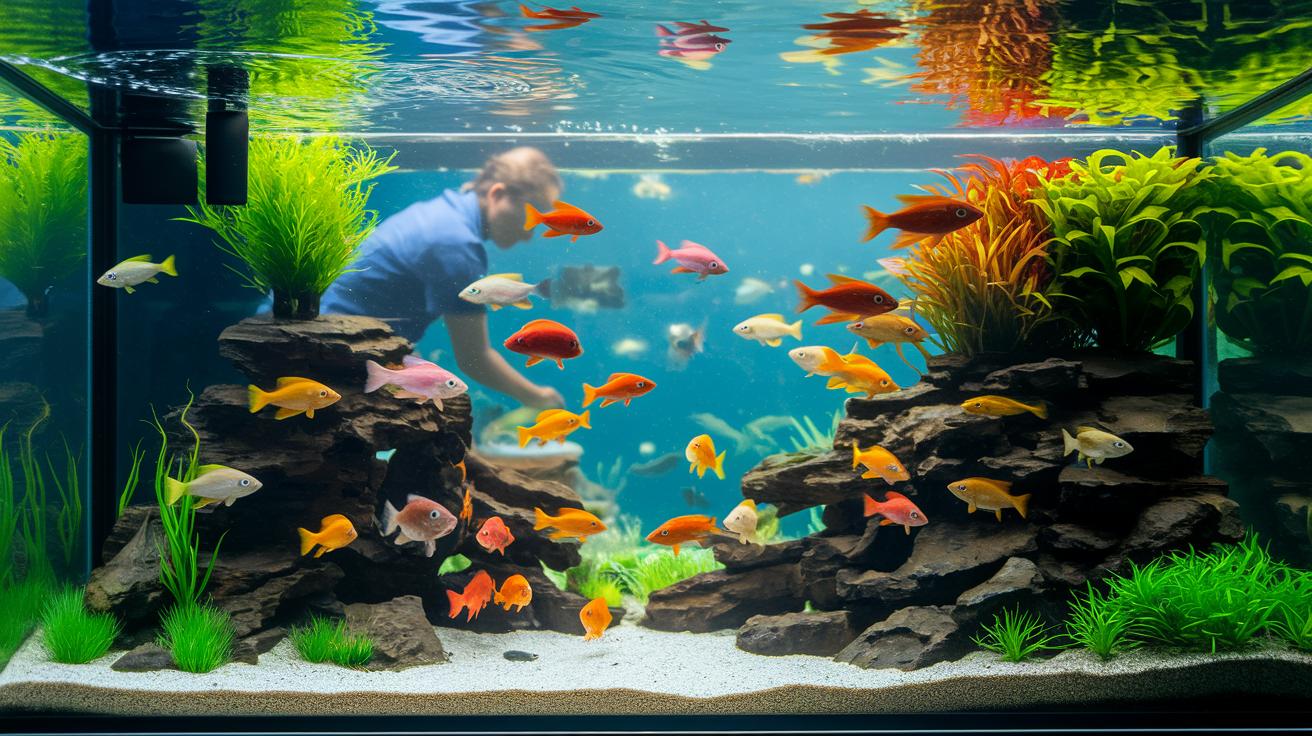
Taking care of your aquarium is like keeping a calm stream flowing smoothly. Regular tasks, such as changing part of your water and checking its key numbers, help your tank stay clear and balanced. Think of a 20–30% water change each week as giving your fish a refreshing dip, while weekly tests of pH, GH, KH, and TDS keep your plants and fish happy and healthy.
Routine Care Schedule
Set aside some time each week for these important tasks. Start with a water change of about 20–30% to wash away any unwanted chemicals, and then test your water parameters to ensure your aquatic friends feel at home. Fast-growing plants like Water Wisteria should get a trim every 2 to 4 weeks to avoid crowding, while slower growers such as Anubias and Java Fern might only need a little cut every 3 to 4 months. And don’t forget to mark your calendar monthly to rinse your filter media, this simple step keeps the water flowing clearly, just like a gentle stream over smooth stones.
Troubleshooting Common Issues
When little problems arise, handling them quickly keeps the whole system in balance. If you notice algae creeping around, check that you’re doing regular water changes and that there’s enough movement on the surface, like the soft push of filter outflow or small air stones adding a bit of bubble fun. Should you see signs of nutrient imbalances or minor gear glitches, a quick look at your water tests and equipment can help reset the harmony in your tank. Regular care and prompt fixes ensure that your low maintenance aquascaping space remains a peaceful, vibrant home for both plants and fish.
Final Words
In the action of crafting your own underwater haven, this guide offered a clear, step-by-step plan to set up a no-fuss clear oasis. You explored tank selection, plant choices, and easy care routines that nurture a balanced aquatic space. Embracing low maintenance aquascaping, you now have a blueprint to keep your tank vibrant and stress-free. Enjoy the simple pleasures of a beautifully arranged aquarium and watch your aquatic world flourish with every gentle touch.
FAQ
Low maintenance aquascaping reddit
The low maintenance aquascaping Reddit discussions share easy setups, simple tips, and firsthand advice from aquarium enthusiasts who enjoy streamlined designs that keep upkeep simple and fun.
Low maintenance aquascaping for beginners
Low maintenance aquascaping for beginners means starting with straightforward layouts and hardy plants that thrive on minimal light and care, making it easy to enjoy a clear, thriving tank from day one.
Low maintenance aquascaping kit
A low maintenance aquascaping kit bundles essential items like substrate, basic lighting, and resilient plants, helping you kick off your aquatic display with tools designed to reduce setup time and ongoing care.
Low maintenance aquascaping cost
Low maintenance aquascaping cost varies by tank size, equipment quality, and plant selection, offering budget-friendly options that balance affordability with a simple setup designed to be easy on both time and money.
What kind of aquarium is easiest to maintain?
The simplest aquarium to maintain is a shallow design with minimal hardscape and low-maintenance plants that thrive under moderate light, reducing complication and making upkeep straightforward.
What are the best low maintenance floating aquarium plants?
The best low maintenance floating aquarium plants include options like Hornwort and Water Wisteria, which naturally absorb extra nutrients and help stabilize water quality with minimal attention needed.
What is a low tech aquascape?
A low tech aquascape uses basic tools and hardy plants that flourish under moderate light levels without added CO₂, making it an ideal, uncomplicated setup for an attractive and easy-to-care aquatic scene.
What are the easiest aquarium plants to care for?
The easiest aquarium plants to care for often include species like Java Fern, Anubias, and Java Moss, known for their ability to thrive in basic conditions with minimal trimming and light requirements.