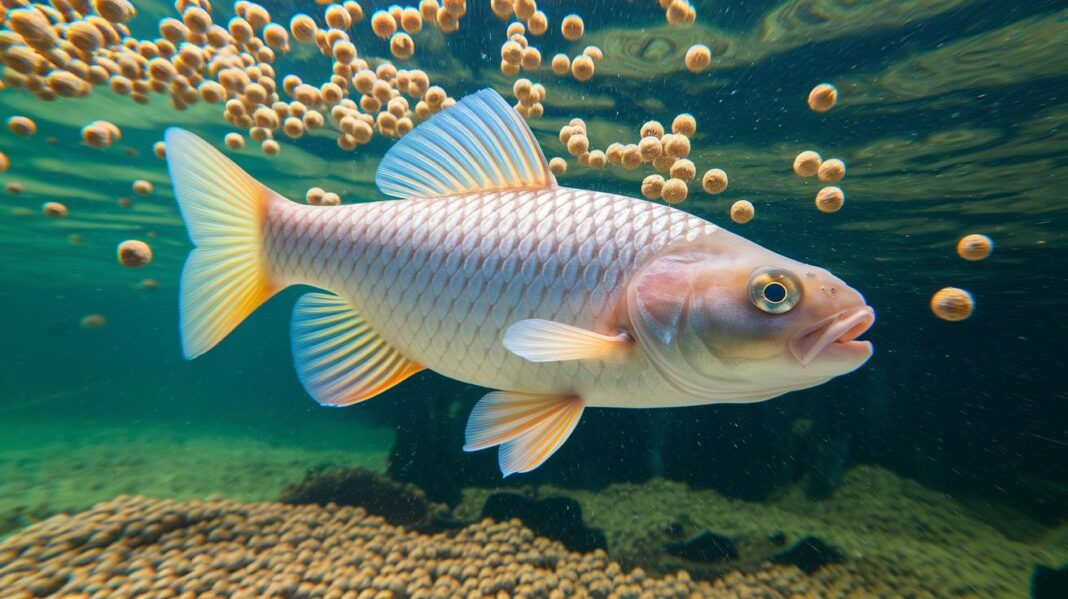

Ever wondered if catfish food pellets really give your finned friends the boost they need? Many aquarium lovers are surprised to learn that these little pellets are carefully mixed to deliver balanced nutrition. They help young catfish grow quickly while keeping older fish healthy and strong.
Let's dive into the ingredients a bit. Think of these pellets like a perfectly blended recipe of proteins and fats, a simple, affordable way to pack an energy punch for your underwater pals. Next time you feed your catfish, remember that every bite is designed to help them thrive, just like the soothing ripple of water on a quiet pond.
Overview of Catfish Food Pellets for Optimal Growth
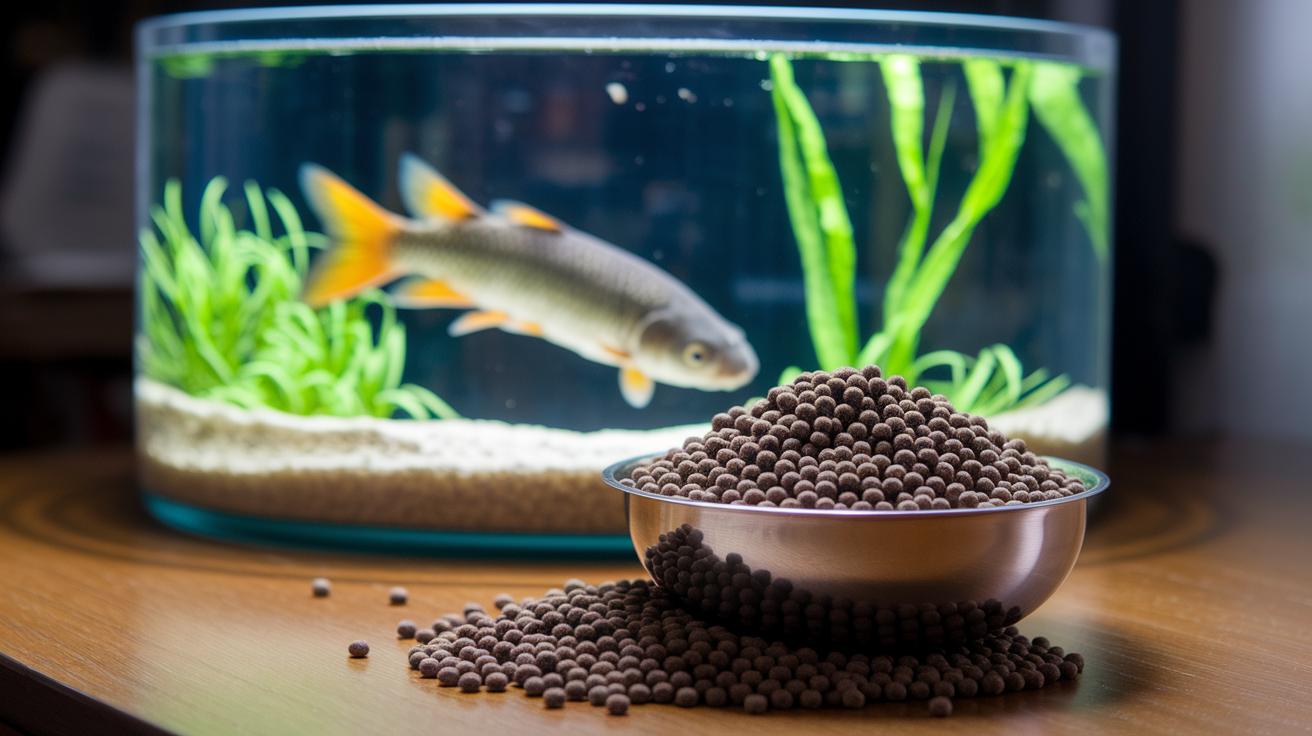
Catfish food pellets are made to blend just the right mix of protein and fats to help your fish grow quickly while keeping older catfish healthy. They pack a protein punch for the little fry and a softer dose for the grown ones. Some aquarium friends even say that floating pellets can be a clever, budget-friendly swap for regular koi food, giving almost the same nutrients for about half the price.
There are a few types to choose from. Some pellets float on the water so you can easily watch your fish enjoy their meal, while others sink right to the bottom, reaching every fish in your tank. Many fish lovers opt for a hefty 50 lb mix, which not only cuts costs but lets them explore different blends until they find the perfect meal. One friend shared, "I was amazed when a 50 lb mix not only saved money but also gave my fish more energy and a healthier look." This shows how a quality aquatic diet, even if it seems a bit expensive at first, can really boost growth and resilience.
When deciding on the best feed, it’s smart to look at both the nutritional rewards and the cost. Sure, top-notch pellets might come with a higher tag, but buying in bulk and mixing it up can even things out, giving your catfish a varied diet that keeps them lively and full of vitality.
Catfish Food Pellets Composition & Nutritional Breakdown
Catfish food pellets are like a perfect meal plan for your aquatic pals. They mix together ingredients that give your fish a balanced boost of nutrition. Makers usually blend fish meal, soybean meal, binders, and a mix of vitamins and minerals, creating a recipe that helps catfish grow strong and stay healthy. One manufacturer even boasts, "Our formula uses top-grade fish meal and soybean meal to deliver indispensable nutrients that mirror a complete meal for your fish."
Think of it as a balanced plate where about 32 to 40 percent is protein, 4 to 8 percent is fat, less than 5 percent is fiber, and water makes up around 10 percent. This mix works like a well-planned diet, giving catfish the big nutrients they need along with the little ones that keep their bodies humming. It’s a bit like enjoying a meal that fuels both energy and strength.
As catfish grow, their needs change a bit. Young fry need a little extra protein to help them develop quickly, while adult catfish do best with a more balanced formula. These carefully crafted pellets help prevent any nutritional gaps and keep fish vibrant. Some premium pellets even include special ingredients that are easier to digest and help with nutrient absorption. While the exact recipe can vary from brand to brand, it’s always a smart idea to check the labels.
For both new and seasoned aquaculturists, understanding what’s in the pellets is key. It not only helps in choosing the best feed for your catfish but also supports good aquaculture practices that keep your fish happy and healthy.
Choosing Between Floating and Sinking Pellet Formulations
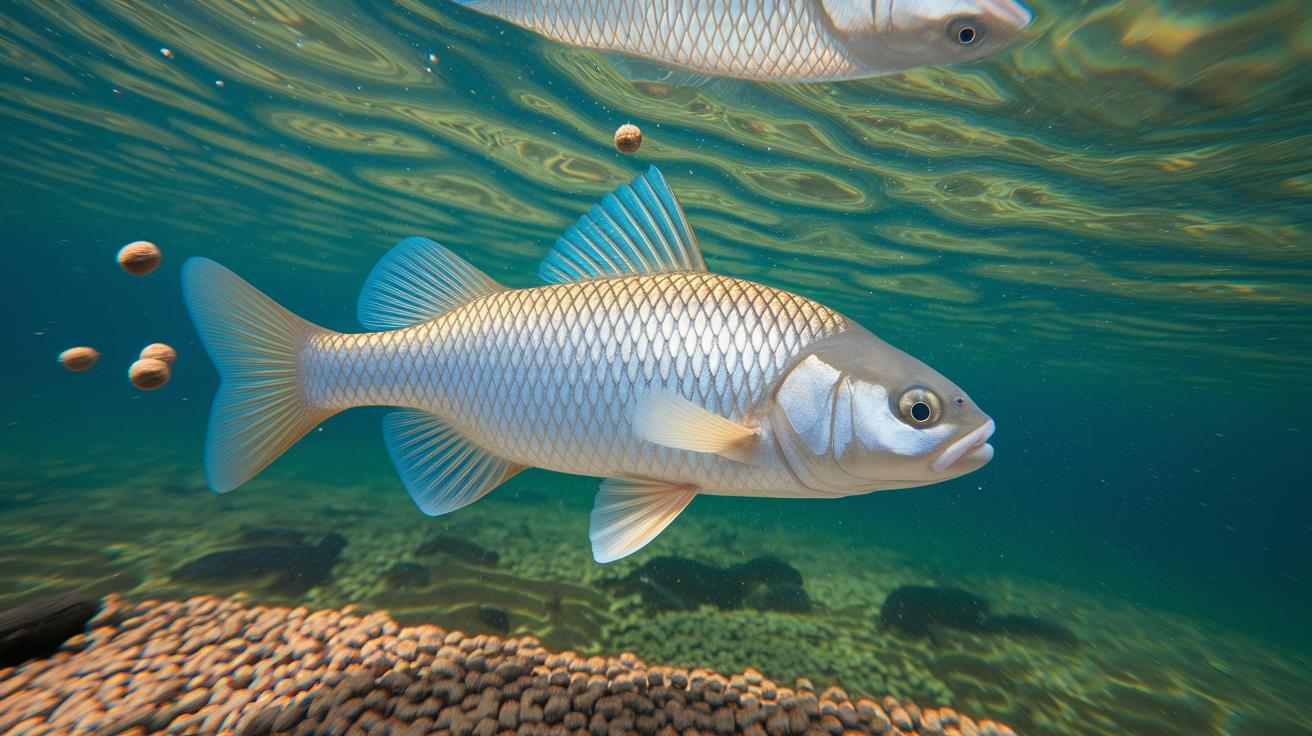
Floating pellet feed is a favorite among catfish keepers because it stays on top, making it really easy to see if your fish are ready to eat. When you watch the pellets bob on the surface, it’s like a little signal saying, “Hey, I’m hungry!” This option is popular for folks who like to check on feeding in real time and adjust portions on the fly.
Sinking pellet feed works in a different way. These pellets slowly drop to the bottom, giving a gentle boost to the whole tank by spreading nutrients evenly. This steady fall means even the little fingerlings, who don’t rush to the surface like the adults, get their share of food. Plus, as the pellets settle through the water, they can help mix oxygen into the tank. However, their pace depends on factors like pellet size and how the water moves.
• Floating pellet feed makes it super simple to see your fish’s feeding habits, winning over many aquarists.
• Sinking pellets can spread food more evenly, especially useful for deeper ponds or tanks.
• Floating types are great for active, adult catfish that quickly dive in for a bite, while sinking pellets might just be the right choice for younger fish.
• Floating pellets could encourage more surface oxygen mixing, adding a little extra spark to feeding time.
• Sinking pellets, though they settle out of sight, help keep the water cleaner by letting food drop where it’s needed most.
catfish food pellets: Superior Nutrition for Aquaculture
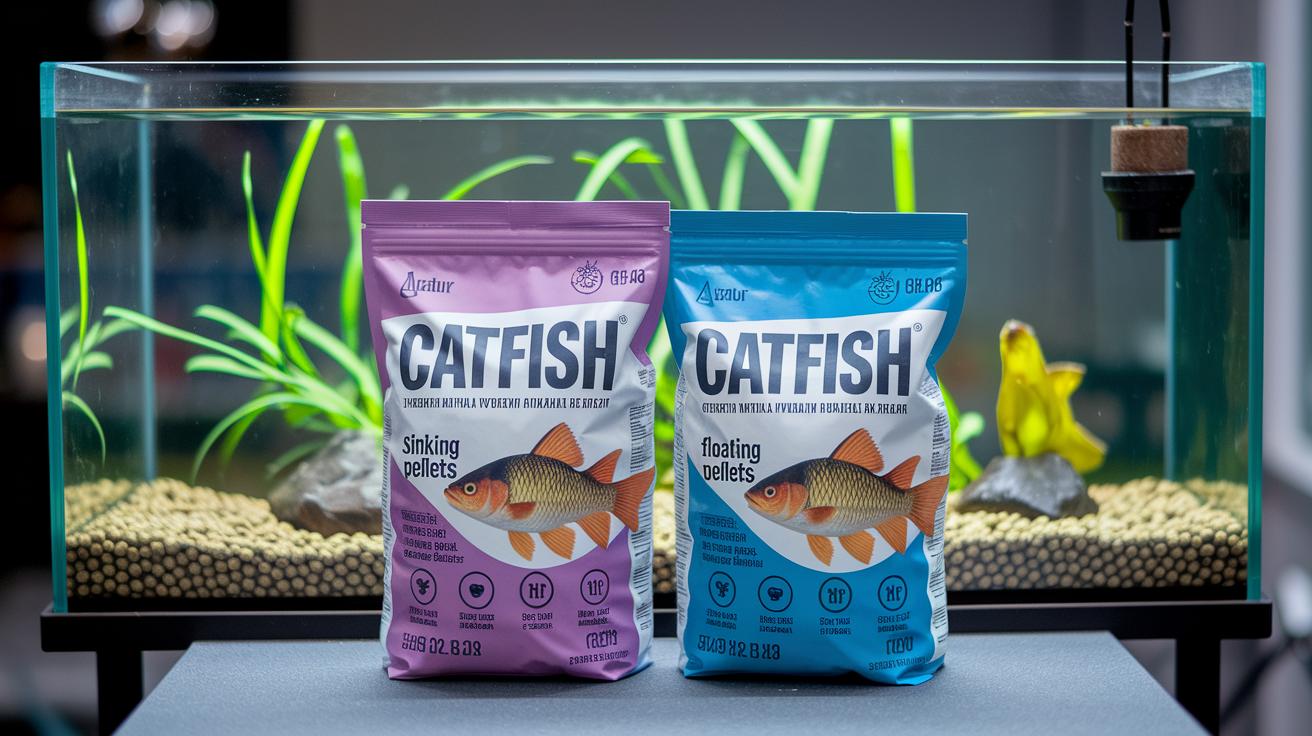
Feeding your catfish can be a fun part of your daily routine. Many fish keepers feed their catfish 2 to 4 times a day to keep them lively and strong. Whether you choose floating or sinking pellets, it’s smart to change up the amount and frequency based on the fish’s age. Young fry enjoy a protein-packed formula, while adult catfish do better with a milder mix. Rotating feeds, with options like tilapia, massivore, algae wafers, cichlid gold, frozen krill, and even beef heart, helps fill any nutritional gaps and keeps your catfish thriving.
Here’s a simple guide to age-based feed amounts that works well in ponds and other aquaculture systems:
- For fry (up to 5% of body weight): Give them a protein-rich, easy-to-digest feed to support fast early growth.
- For fingerlings (about 5-10% of body weight): Offer a bit less and mix in balanced nutrients to help them transition smoothly toward adult food.
- Juveniles (around 3-5% of body weight): Use a well-rounded diet rich in fats and essential vitamins for steady growth.
- Sub-adults (approximately 2-3% of body weight): Serve moderate portions so they get enough nutrients without overeating.
- Adults (roughly 1.5-2% of body weight): Stick to lower protein feeds paired with special formulas that boost overall health.
- Seasonal adjustments: Check and adjust feed amounts as water temperature and fish activity change, fish metabolism can shift with the seasons.
Studies have shown that gradually shifting the nutrient mix as your catfish grow leads to better feed conversion and overall health. A flexible feeding plan with various feed options makes it easier to keep your aquaculture system healthy and vibrant.
Comparing Bulk Catfish Feed Suppliers & Brand Reviews
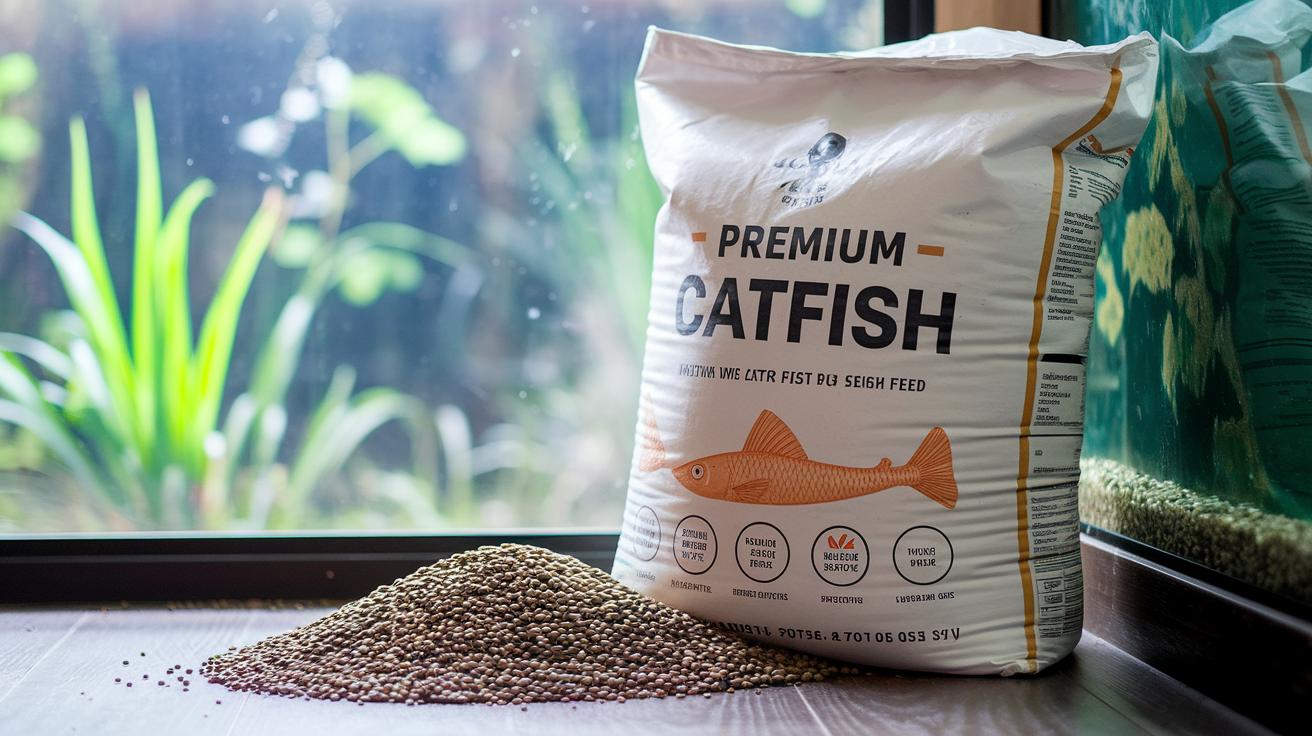
Big stores like Tractor Supply and local farm shops offer plenty of bulk catfish feed options. You get to choose between top-quality aquatic diets and budget-friendly feeds, depending on what you need. Many sellers even stock a 50 lb pellet mix, making it simple to fill up your tank with different blends. Chatting with fellow aquarists shows that while some folks try Purina Trout Chow as a cheap alternative for koi, it really isn’t built for catfish. So, remember, a great catfish feed usually costs a bit more.
Big chain stores and local suppliers often have different flavors in their offerings. Large outlets typically provide products all over the country that boast a steady protein level, kind of like a well-tuned current. Smaller local shops might offer their very own blends at lower prices, though you might find they run out more quickly. It helps to check on stock and read reviews to find that perfect mix of quality and value. This tip can come in handy when planning a nourishing meal that keeps your catfish healthy and happy.
| Brand | Price per 50 lb | Protein % | Pellet Size | Availability |
|---|---|---|---|---|
| AquaPro | $120 | 38% | 4mm | Nationwide |
| FishBest | $135 | 36% | 3.5mm | Regional |
| CatFeedPlus | $110 | 40% | 4.5mm | Nationwide |
| PremiumPellets | $150 | 38% | 4mm | Limited |
| ValueFeed | $100 | 35% | 3.8mm | Regional |
When you look at price versus how well the feed works, spending a little more can mean you’re getting a balanced mix with just the right nutrients. Still, even lower-priced feeds can be a smart catch if the reviews and supplier reputation are solid. Every aquarist has unique needs, so think about your own catfish setup, what's available where you live, and your feeding routine. This way, you'll pick a supplier that gives you both great value and a high-quality aquatic meal for your catfish.
Storage & Handling Best Practices for Catfish Food Pellets
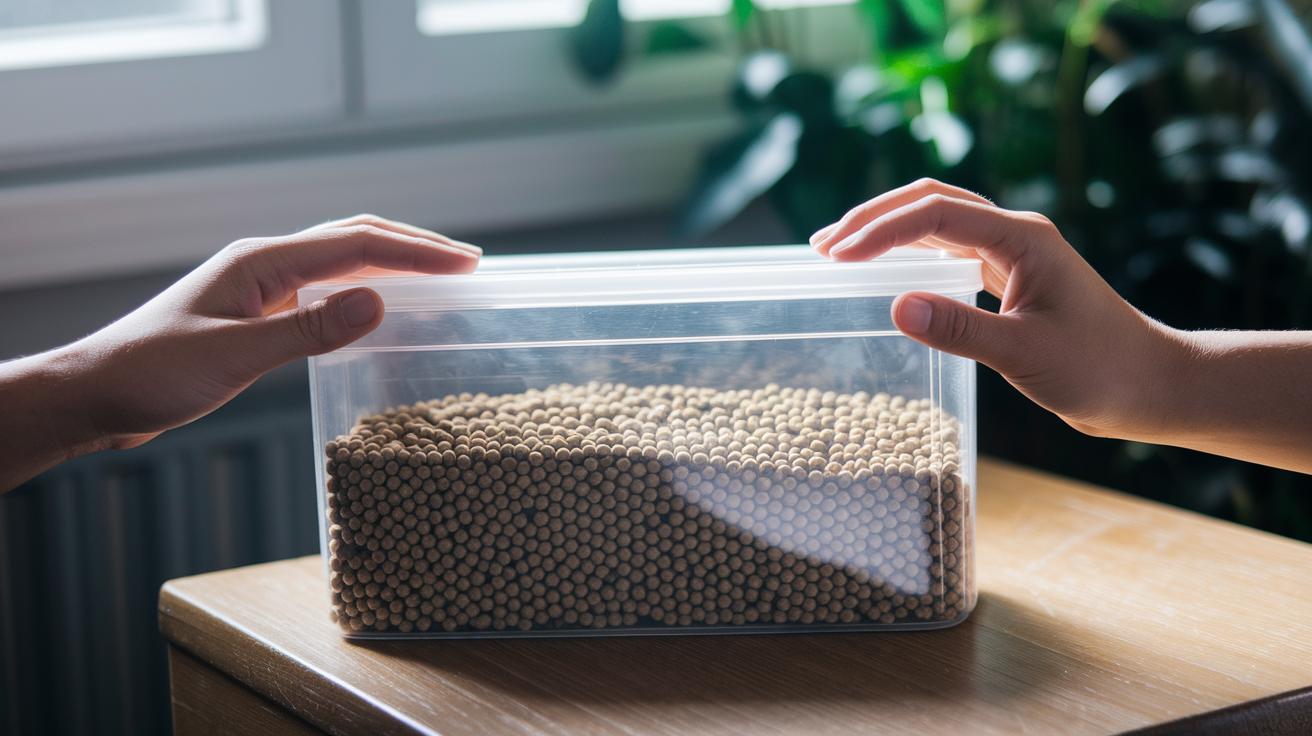
To keep your catfish food pellets in great condition, you need the right container and a simple rotation system. Use airtight, opaque containers to protect your 50 lb pellet mix from light and moisture. This helps the pellets stay fresh and last longer. Plus, using a first in, first out system means you'll serve up older feed before the new lot arrives.
Keep the pellets in a dry spot away from humidity. Try to store them in a place with a steady, moderate temperature so the nutrients don't get damaged. Seal your containers well to keep pests like rodents and insects at bay. Always check the manufacturing dates and use the pellets within their recommended time. If you ever notice any odd smells, discoloration, or clumping, it might be a sign that the feed has spoiled.
Following these steps not only helps you save money but also makes sure your fish get the best nutrition. A little care in storage goes a long way in keeping your catfish happy and healthy.
Final Words
In the action of setting up your aquarium, we took a close look at every step, from choosing quality catfish food pellets to understanding nutrient balance and proper storage. We explored feed types, rotation tips, and supplier comparisons, all aimed at keeping your underwater world healthy and inviting. Every tip helps craft a comfortable and clean environment where your aquatic pets can thrive. Enjoy creating that serene setup and watch life shimmer just like the gentle reflections in your water.
FAQ
Catfish food pellets near me
Catfish food pellets near you are available from local pet shops, aquaculture stores, and online retailers. These options come in various sizes and nutrient blends to support your catfish’s growth and health.
Catfish food pellets 50 lbs
Catfish food pellets in a 50 lbs option are a bulk and cost-effective solution for pond or aquaculture use. They provide consistent nutrition that supports stable growth.
Floating Catfish Food 50 lbs
Floating catfish food in a 50 lbs package is crafted to remain on the water surface for easy feeding. This design aids quick consumption and helps monitor feeding habits.
Catfish food pellets bulk
Catfish food pellets bought in bulk are a budget-friendly alternative that comes in large bags. They work well for maintaining a steady feeding schedule in pond or farm environments.
Best catfish food pellets
The best catfish food pellets are those with a balanced mix of protein, fats, and vitamins. High-quality brands offer well-designed feeds that support buoyancy, growth, and overall fish health.
Catfish food pellets 50 lb bag
A catfish food pellets 50 lb bag is a convenient solution for regular feeding routines. It delivers a nutritious blend that meets the dietary needs of both adult catfish and younger fish.
Fish Food Pellets for ponds
Fish food pellets for ponds are designed to provide balanced nutrition for various pond fish, including catfish. Their formulation supports easy feeding while promoting overall vitality in the water.
Catfish food pellets for sale
Catfish food pellets for sale can be found at specialized aquatic suppliers, online marketplaces, and pet stores. They are offered in different bag sizes, nutrient mixes, and buoyancy options suited for pond life.
What pellets do catfish eat?
Catfish eat pellets made specifically for their dietary needs. These typically contain a balanced mix of fish and soybean meals, vitamins, and minerals that promote steady growth and health.
Do catfish pellets work?
Catfish pellets work by providing a nutrient-rich diet that supports healthy growth. Their balanced ingredients improve feed conversion and maintain overall fish vitality in various pond settings.
What is the best feed for catfish?
The best feed for catfish features a balanced formula with the right levels of protein, fats, and micronutrients. Top brands offer feeds designed for taste and optimal growth at competitive prices.
How many pellets to feed catfish?
How many pellets to feed catfish depends on their size and age. A general guideline is to feed an amount equivalent to 2%-5% of the fish’s body weight, stopping when extra food accumulates.
Purina Game Fish Chow
Purina Game Fish Chow is known for its balanced nutrient blend used by some aquarists as a cost-effective option. Although not designed exclusively for catfish, it can serve as a substitute in some cases.
Purina AquaMax 4000 Pond Fish
Purina AquaMax 4000 Pond Fish offers a nutrient-rich feed formulated for pond fish. Its balanced mix supports the health and vibrant appearance of catfish and other aquatic species.
Purina AquaMax Sport Fish 600
Purina AquaMax Sport Fish 600 is a fast-feeding option that provides a balanced nutrient mix. It helps maintain a healthy body condition in various pond fish, including catfish.
Purina Catfish 32 50lb
Purina Catfish 32 50lb is a bulk feed featuring a 32% protein formula meant for catfish. It is designed to support consistent growth and maintain the fish’s overall well-being.
Purina Aquamax Sportfish MVP Fish Feed
Purina Aquamax Sportfish MVP Fish Feed is tailored for sportfish like catfish, offering a blend rich in proteins and fats. It supports robust growth and overall vitality in pond settings.
Purina AquaMax Sport Fish 500
Purina AquaMax Sport Fish 500 provides a well-rounded nutrient profile ideal for pond fish, including catfish. Its formulation promotes healthy growth and helps maintain strong overall fish condition.