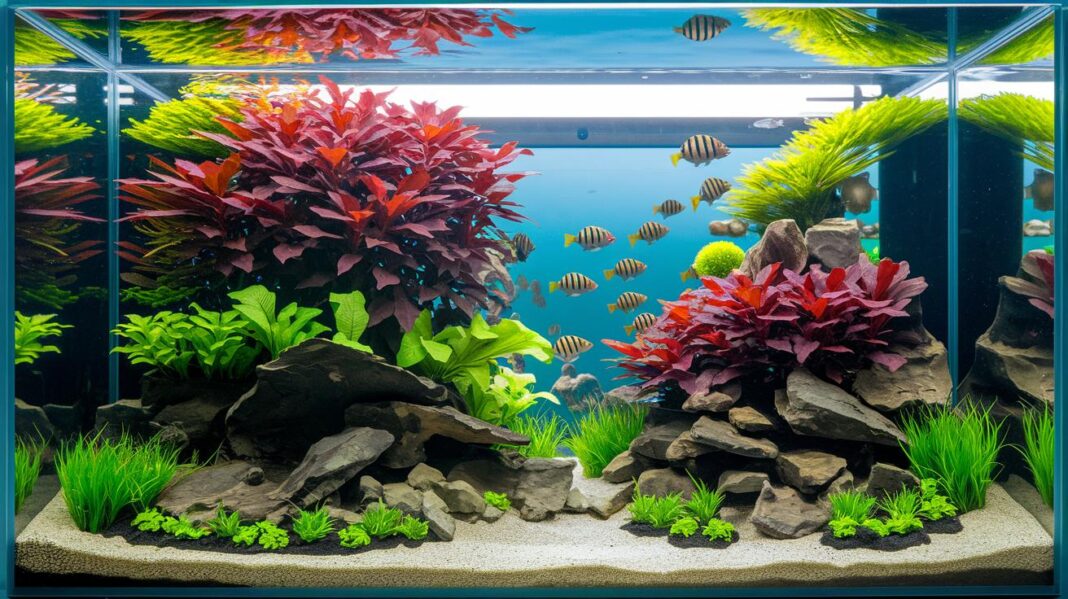

Have you ever noticed how an aquarium can look like a living painting? Imagine your tank as a vibrant underwater scene that fills your room with calm and color. You don’t need to be a pro to make that magic happen.
With a few friendly styling tips, you can enhance the beauty and depth of your setup and turn it into the centerpiece of your home. This guide shares simple ways to play with light, texture, and layout so your tank can tell its own, stunning story.
Ready to dive into a refreshing new look for your aquarium? Let’s create a beautiful underwater world together.
Aquascape styling tips: Elevate Your Aquarium Look
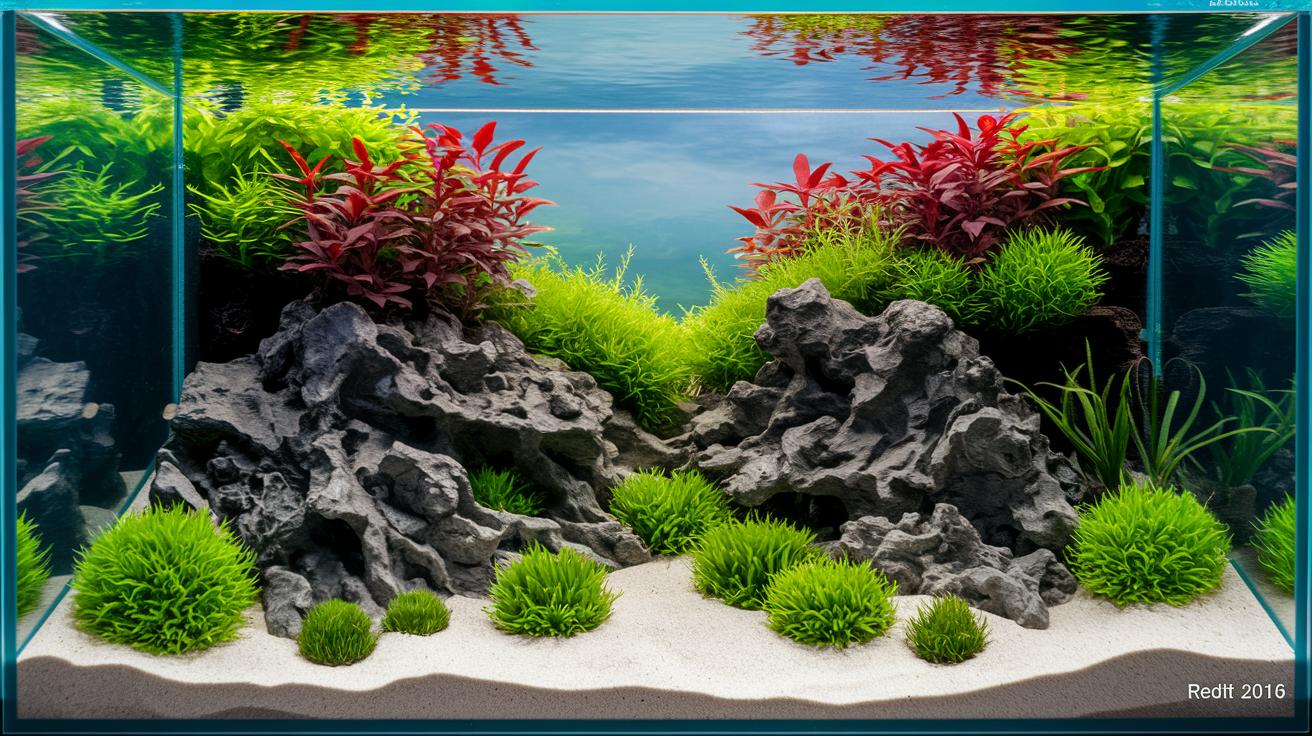
Building a beautiful aquascape can turn your fish tank into a lively underwater world. Start with a clear idea in mind, and try these seven friendly tips to combine smart design with creative flair.
- Keep the sand or gravel light at the front and make it gradually deeper toward the back. Think of it like soft little ramps where the front is about a half inch and the back rises to around two inches.
- Pick a gentle, neutral sand and mix in some rough pebbles. This blend gives your tank a natural, textured look while keeping most of the color on the front.
- Snap photos of your tank using soft, indirect daylight. This kind of light shows off the true colors of your setup, kind of like catching that perfect moment at dusk.
- Start planting stem plants thickly in the middle area. A tight group of greens fills the space nicely and sets up a vibrant stage.
- Trim those plants often to help them branch out. Regular snipping keeps the design neat and makes your plants look fuller and happier.
- Keep the low-growing carpeting plants just a few inches in front. This little boundary creates a sense of depth and gives a clear focus right at the front.
- Mix in different types like dwarf hairgrass and Marsilea in loose, natural groupings. This adds variety in textures and layers, letting the design flow as naturally as a gentle stream.
Each of these steps offers a simple map to brighten up your tank. They help balance open space with lush growth, adding depth and contrast that work wonderfully for both new fishkeepers and seasoned aquarists. Enjoy turning your tank into a living piece of art!
Understanding core design principles in aquascape styling
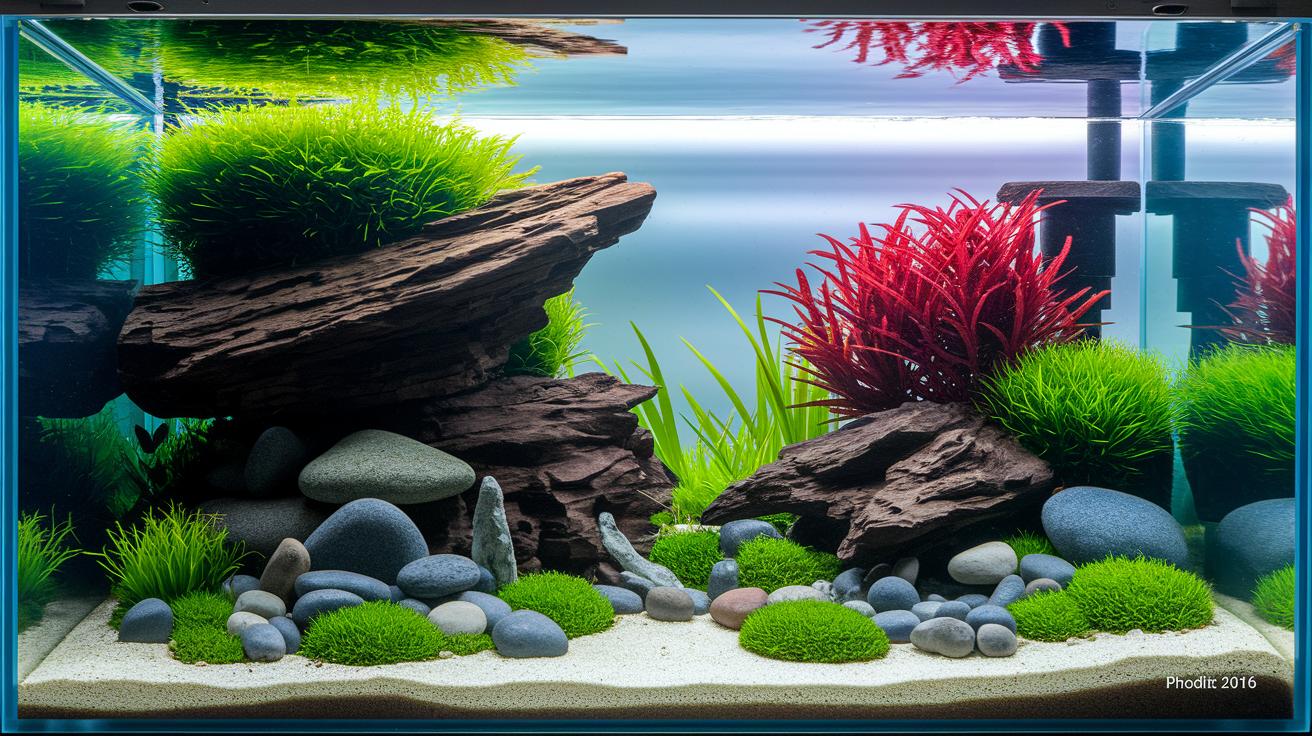
When you design your tank, think of it as painting your own underwater masterpiece. Start by placing a standout rock or piece of driftwood to catch the eye; it’s like choosing a bold color on your canvas. Imagine this rock set off to one side, much like a postcard scene that draws you in. Then, add layers of different plants and stones to create a feeling of hidden paths and surprises in 3D, as if your tank holds secret little worlds.
Light, space, and color work together to create a peaceful underwater garden. Use soft, spread-out light that highlights the delicate details, letting lighter spots gently blend into richer areas. Keep some spots open and airy while tucking in dense patches of green to give your tank a lively yet calm feel. Combine solid hardscape features with vibrant plants, and mix in different textures and colors, like adding a playful brushstroke, to create a scene that’s naturally inviting and full of life.
Mastering substrate shaping in aquascape styling
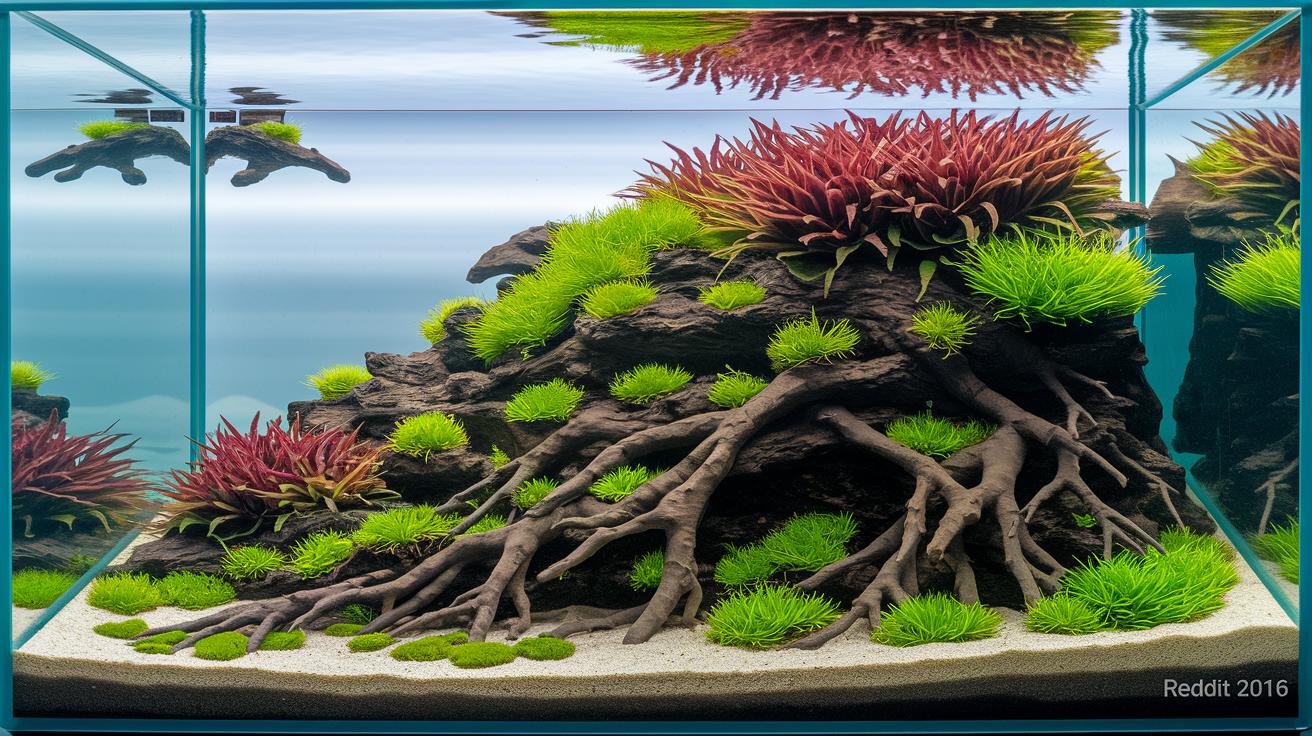
When you’re setting up your aquascape, try advanced substrate layering to help your plants grow strong and keep waste under control. Start with a shallow layer of about 0.5–1 inch at the front and gradually thicken it to 2–3 inches at the back. This gentle slope gives your plant roots plenty of space to spread out while keeping waste neatly confined. Think of it like a little garden bed: the front stays tidy and the back forms a soft hill for extra support.
Next, add a layer of neutral sand and rough pebbles to catch any debris. Imagine laying down a soft carpet that slowly builds into a gentle mound, clearly separating your planting areas from the open space. The table below shows the perfect substrate depths for each zone in your tank:
| Tank Zone | Substrate Depth | Purpose |
|---|---|---|
| Front | 0.5–1″ | Highlight foreground plants & open space |
| Midground | 1.5–2″ | Support stem plant groupings |
| Background | 2–3″ | Create hill effect & 3D depth |
Plant selection and placement strategies in aquascape styling
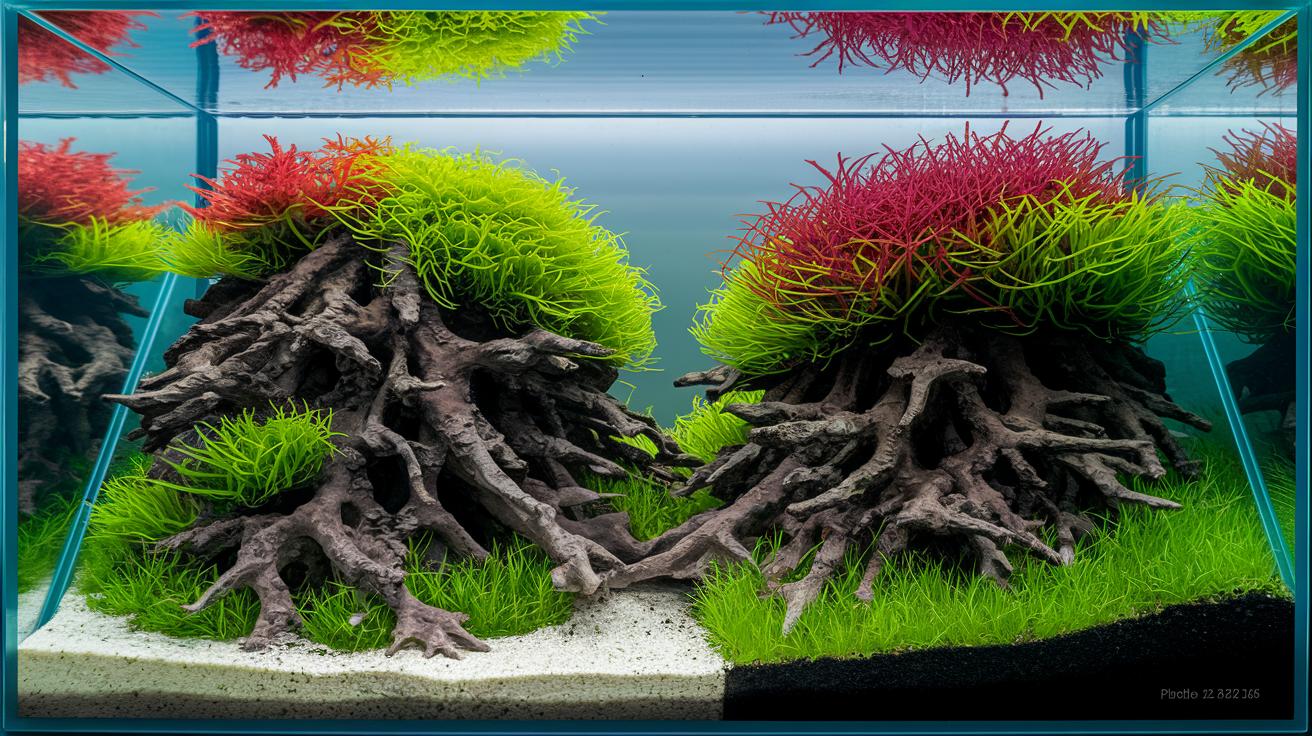
Choosing the right plants can really change your aquascape into a vibrant underwater garden. I like to start by getting high-quality plants, either in tissue-culture or potted form from a local store so you can check each one for good health. This way, you know your new green friends are ready to blend into your setup.
Mixing slow-growing species with fast-growing ones gives your tank a balanced, lively feel. Grouping stem plants densely in the middle creates a rich look that gently transitions into open spaces with ease.
For the foreground, try using low carpet plants like dwarf hairgrass or Marsilea. Place them carefully to keep a clear focal line without crowding your scene. Let these low plants form a soft base layer that highlights the entire design. Combining different textures, strong stem clusters with delicate carpet plants, adds a nice depth and harmony to your aquascape. For more ideas on placing low-growing varieties, check out the advice on foreground plants aquarium.
Hardscape arrangement tips in aquascape styling
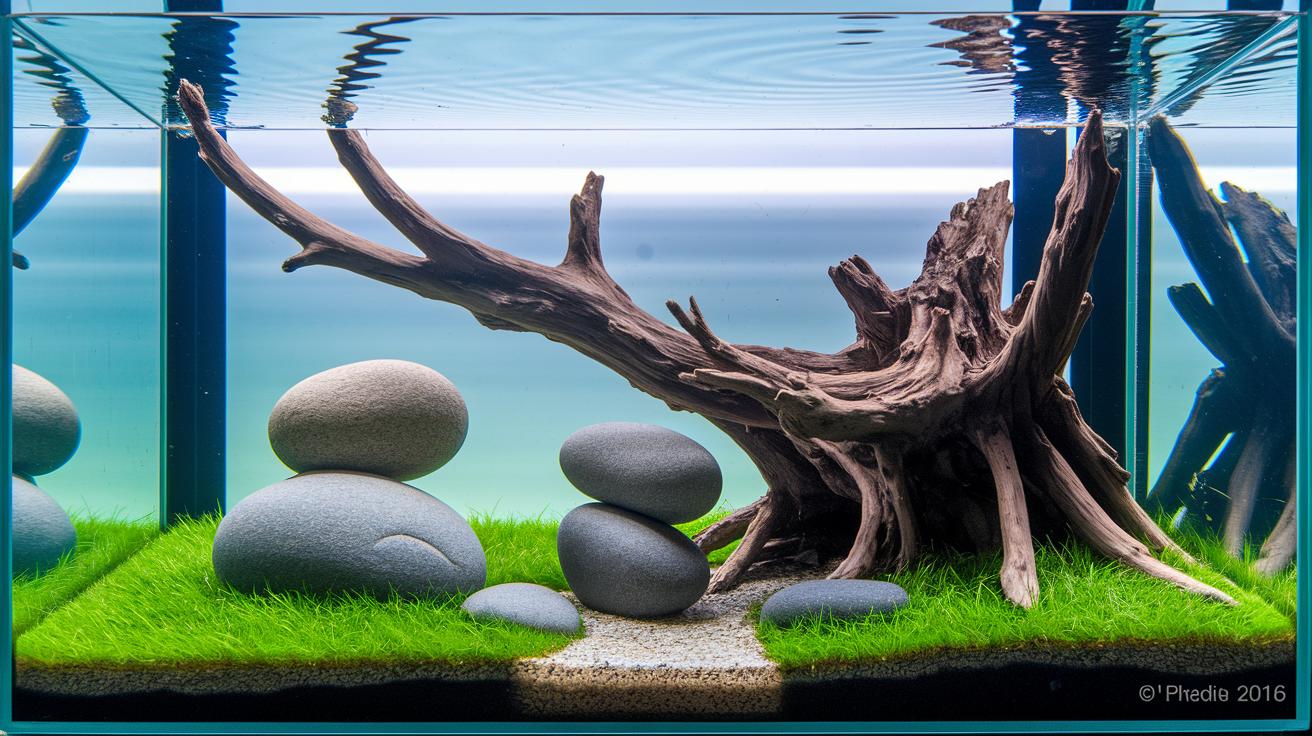
When you plan your aquarium’s layout, start by soaking any driftwood for one to two weeks. This helps remove tannins that could color your water, keeping your tank’s background clear and bright.
Pick rocks in different sizes and textures. Big, rough stones paired with smaller, smooth ones can give your tank a nice, layered look. And try placing your main hardscape pieces off to one side. It’s a bit like following a natural rule of thirds, inviting your eyes to wander around the tank.
Using an odd number of stones, three to five works best, adds a natural, uneven feel. This little grouping mimics the look of a wild riverbed or a rugged mountain scene. For example, arranging three stones with one slightly bigger than the others can create a relaxed, organic vibe.
Mix in some wood with your rocks for an effortless blend of elements. This combination not only looks natural but also forms a solid base that helps your plants grow and gives your fish plenty of space to swim.
Tailoring aquascape styling tips to popular styles: Nature Aquarium, Iwagumi & Dutch
Nature Aquarium Styling Tips
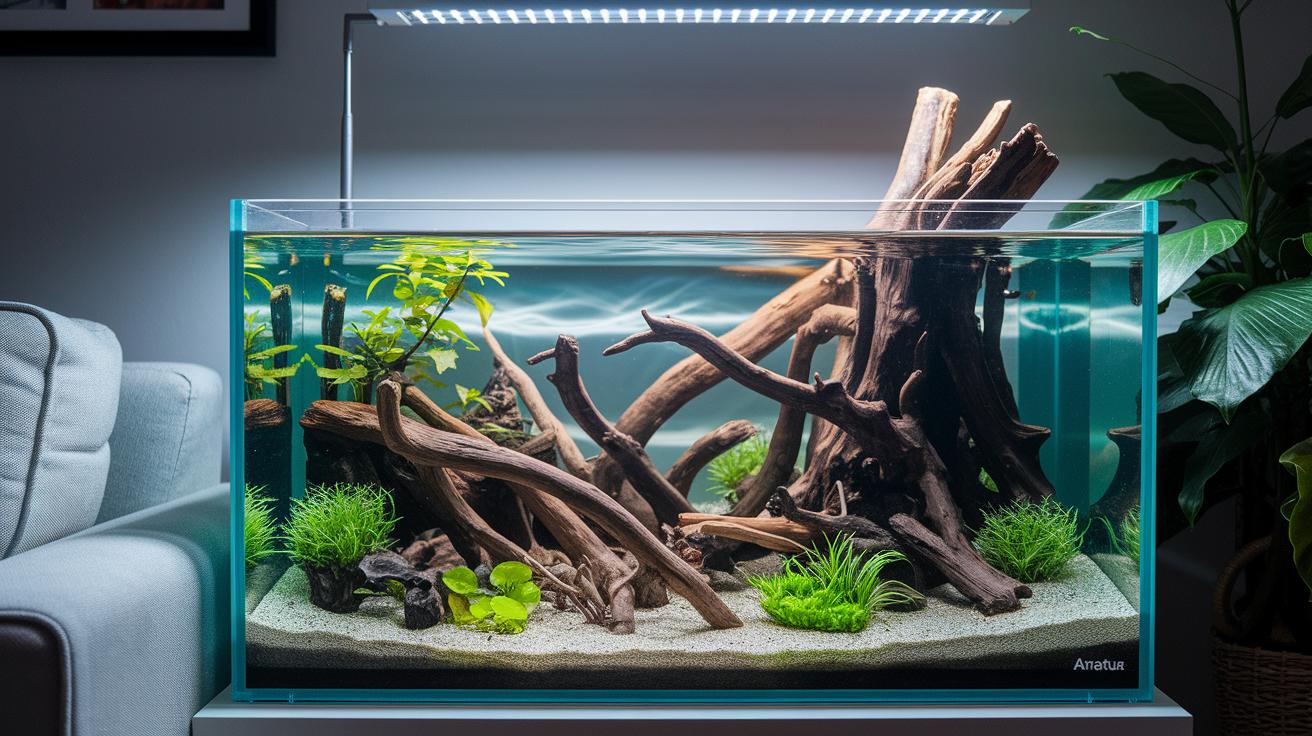
Imagine setting up your tank like a little slice of the wild. In a Nature Aquarium, lush plants mix with driftwood and stones to mimic a real mountain or rainforest scene. Try placing a special piece of driftwood to one side and surround it with clusters of stones that form gentle hills. The soft shadows these elements cast add a natural contrast and guide the eye to exciting focal points. Think of arranging a curved branch with different-sized rocks, much like a winding path you might find during a peaceful forest walk. Keeping some open water amid the greenery lets every part of your scene sparkle with calm.
Iwagumi Styling Tips
The Iwagumi style is all about simple charm with a hint of drama. Pick three to five stones of different sizes and let them stand out as a natural centerpiece. Add one or two slow-growing plants to highlight the beauty of the stones without taking over the space. Try something called the Dry Start Method, where you plant in a nutrient-rich soil before filling the tank with water, which helps the plants settle in nicely. Arrange the stones in an off-balance way that still feels whole and natural. With gentle lighting that highlights each texture, your tank becomes a quiet showcase of natural simplicity.
Dutch Aquarium Styling Tips
The Dutch style brings a burst of organized color to your aquarium. Start by creating neat terraces of plants, with each layer showing off a mix of colors. Aim for about three different types of plants per foot of tank to form striking lines and layers. Fast-growing stem plants work wonderfully here, filling in each level quickly. You might even see your fish adding some joyous movement against this vibrant backdrop. Picture a row of bright greens neatly trimmed to create a smooth flow from one tier to the next. The result is a dynamic mosaic that feels both precise and full of life.
Lighting and maintenance best practices for aquascape styling
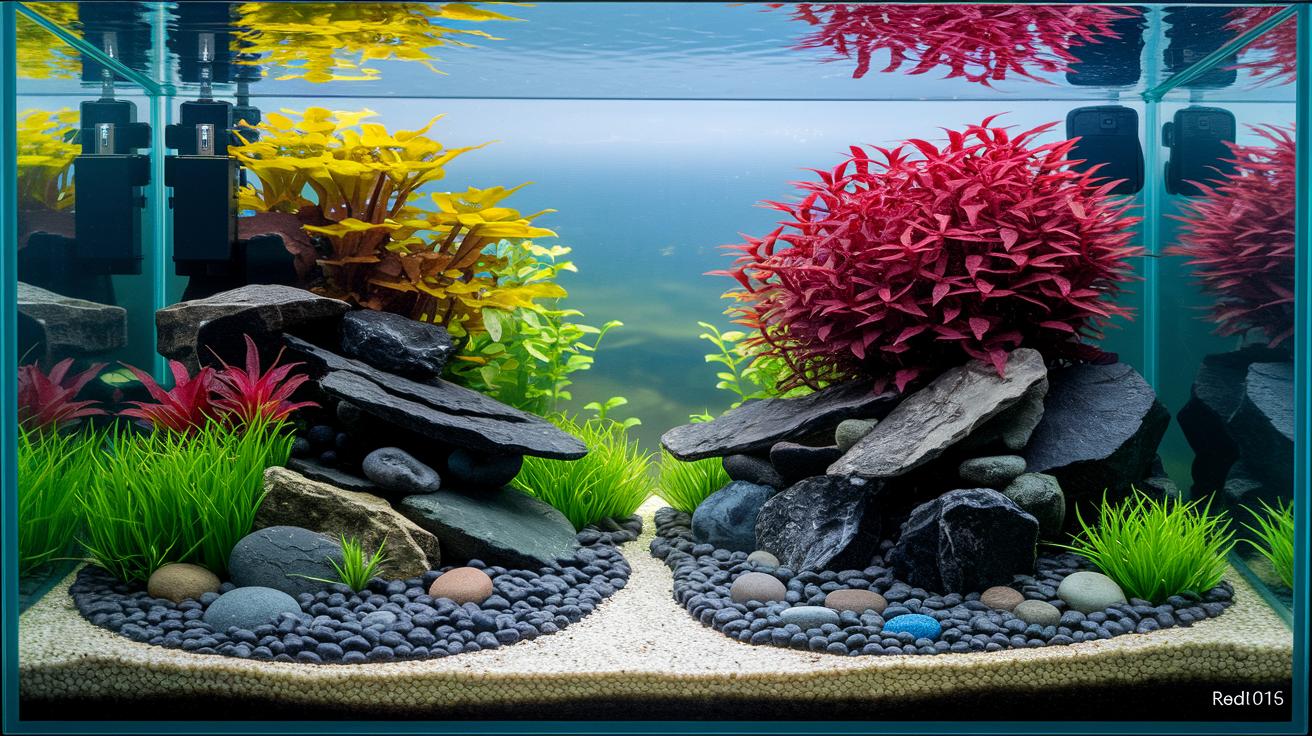
When setting up your tank, try using soft, indirect light or full-spectrum LED light to really make its colors pop. It gently highlights each leaf and pebble, like watching sunlight dance on a calm pond. Picture it like setting a relaxed mood for a quiet evening, each plant and rock comes to life in its natural shade.
Taking care of your aquarium is just as important. Trim your plants every week so they grow fuller and healthier. Think of it like giving your garden a little haircut just to keep things neat. Cleaning the glass and removing algae is like wiping a smudge off a clear window that lets you admire every little detail.
Keep an eye on your plants and their overall health, making sure they have the right conditions to flourish. A regular trim and a clean-up are like small touch-ups that keep your underwater scene balanced and vibrant. When your tank is well-lit and cared for, every ripple and leaf sparkles, inviting you to enjoy the natural beauty inside.
Using digital design tools for precise aquascape styling
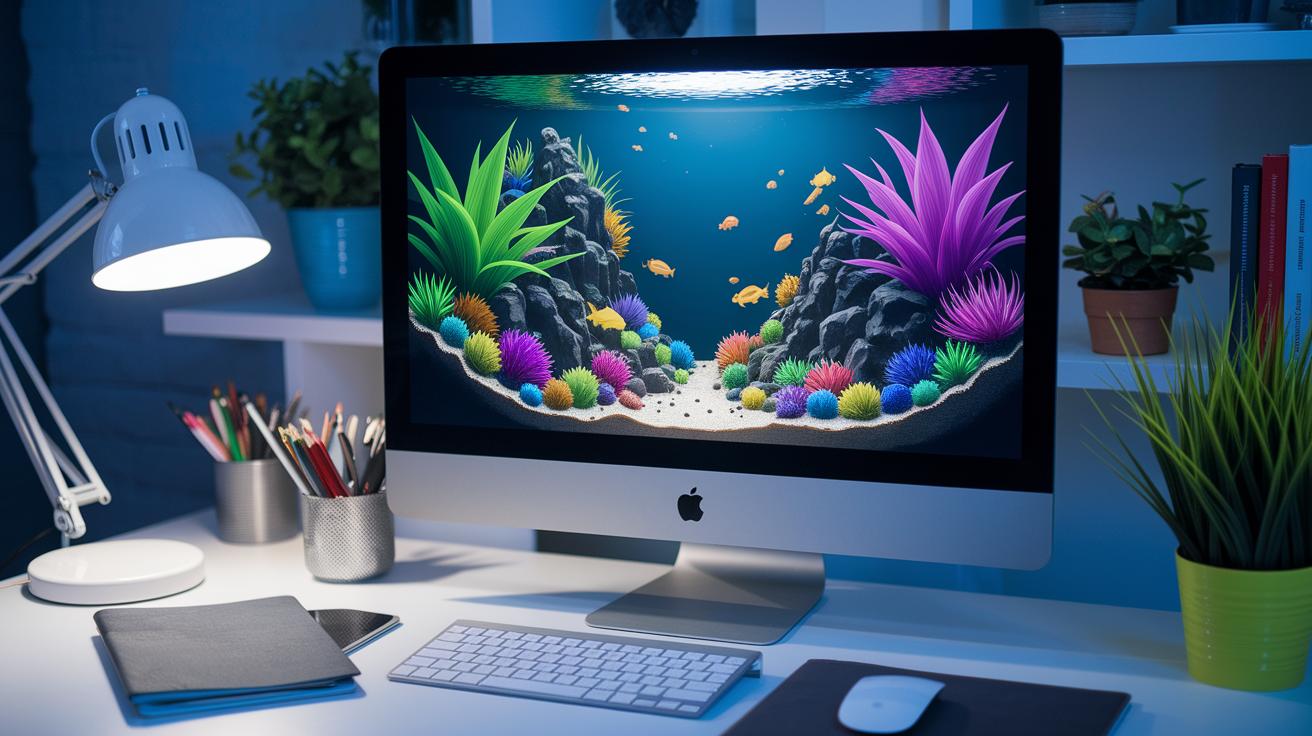
Imagine planning your aquarium like sketching a picture with watercolors. Digital tools like CAD and SketchUp let you play with plant spots, rock sizes, and light angles before you even dive in. It's like having a magical sketchpad where you can try out different layouts until the scene looks just right.
I remember when I first set up my tank, I used a quick CAD model to map out every rock and plant group. The result was amazing and saved me from a ton of trial-and-error. Planning your aquarium in 3D means you get a clear view of how all the parts work together, making the process smoother, like watching a gentle current shape a pebble.
By merging creativity with digital precision, every detail in your aquascape feels intentional and beautifully balanced. It's a true blend of art and science that helps you create a living underwater masterpiece.
Final Words
In the action, we covered seven smart styling moves, detailed substrate shaping, and plant placement ideas. We also explored rock- and driftwood-based hardscape techniques along with themed design touches, lighting tricks, and digital planning tools.
This overview gives you practical aquascape styling tips to boost your tank's look while keeping care routines simple. Enjoy creating a balanced, vibrant underwater home that brings both beauty and calm, just like watching water ripple in a quiet stream.
FAQ
What are some aquascape styling tips shared on Reddit?
The aquascape styling tips shared on Reddit highlight real-life, hands-on ideas like creative plant arrangements and budget-friendly hardscape setups that help transform your aquarium into a natural, inviting underwater display.
How can I approach aquascape styling with DIY methods?
Aquascape styling DIY methods encourage using everyday, affordable materials like driftwood and neutral sand, letting you craft a balanced aquatic scene while enjoying the creative process as you learn and experiment.
What aquascape styling tips work well for beginners?
Aquascape styling tips for beginners focus on simple, manageable steps such as gradual substrate layering, strategic plant grouping, and placing a few standout stones that together create an appealing and balanced underwater look.
What are considered the best aquascape styling tips?
The best aquascape styling tips combine practical steps like creating depth with substrate shaping, mixing plant textures, and arranging hardscape elements to build a clear focal point that enhances the overall feel of your tank.
Which aquascape ideas are ideal for beginners?
Aquascape ideas for beginners emphasize easy-to-follow layouts, using simple natural elements like driftwood and stones, that help you develop a visually engaging tank without overwhelming setup techniques.
How does the Iwagumi aquascape styling method work?
The Iwagumi aquascape styling method works by using an odd number of stones arranged in a balanced yet asymmetrical layout, paired with minimal plant placements to draw focus to the natural textures of the hardscape.
What different aquascaping styles can I explore?
Aquascaping styles you can explore include the nature aquarium, Dutch aquarium, and Iwagumi styles—all using different balances of plant groupings, hardscape elements, and focal points to bring a unique, natural underwater scene to life.
How can driftwood be effectively used in aquascape ideas?
Aquascape ideas with driftwood show that well-treated wood serves as a striking focal point, adding texture and structure to your tank while complementing plant groupings and enhancing the overall natural feel.