

Have you ever wondered if your aquarium might need a little extra love? Taking care of your fish and plants could be easier than you think.
Just a few small steps each week can transform a simple tank into a lively home. In this guide, we'll walk you through a straightforward routine that works like a trusty recipe to keep your water clear and your plants safe.
So, join us on this journey and see how easy it is to keep your underwater world happy and healthy.
Comprehensive Post-Setup Aquarium Care Checklist
After you set up your aquarium, following a clear routine keeps the water pure and your plants safe and happy. Think of it as following your favorite recipe; every step adds to a healthy home for your fish and plants.
Start by working through a set order of tasks so nothing gets mixed up. First, scrape the algae off surfaces to stop spores from coming back. Then, clear out the gravel of any debris. Here’s the order to follow:
- Scrape algae off surfaces to get rid of spores.
- Vacuum the gravel to remove leftover organic bits.
- Do a 30% water change to help refresh the water.
- Clean the filter after the water change so it keeps the water clean.
- Add new water slowly to protect the plant roots.
- Clean the glass last so you can see all your beautiful fish.
Try to spend about 30 minutes each week on these tasks for a 20-gallon tank. This regular routine not only keeps everything clean but also helps keep the water balanced and the plants healthy. In the long run, sticking to this order means less extra work and a lively, inviting tank that both you and your aquatic companions will enjoy.
Post-Setup Aquarium Filter Cleaning Routine
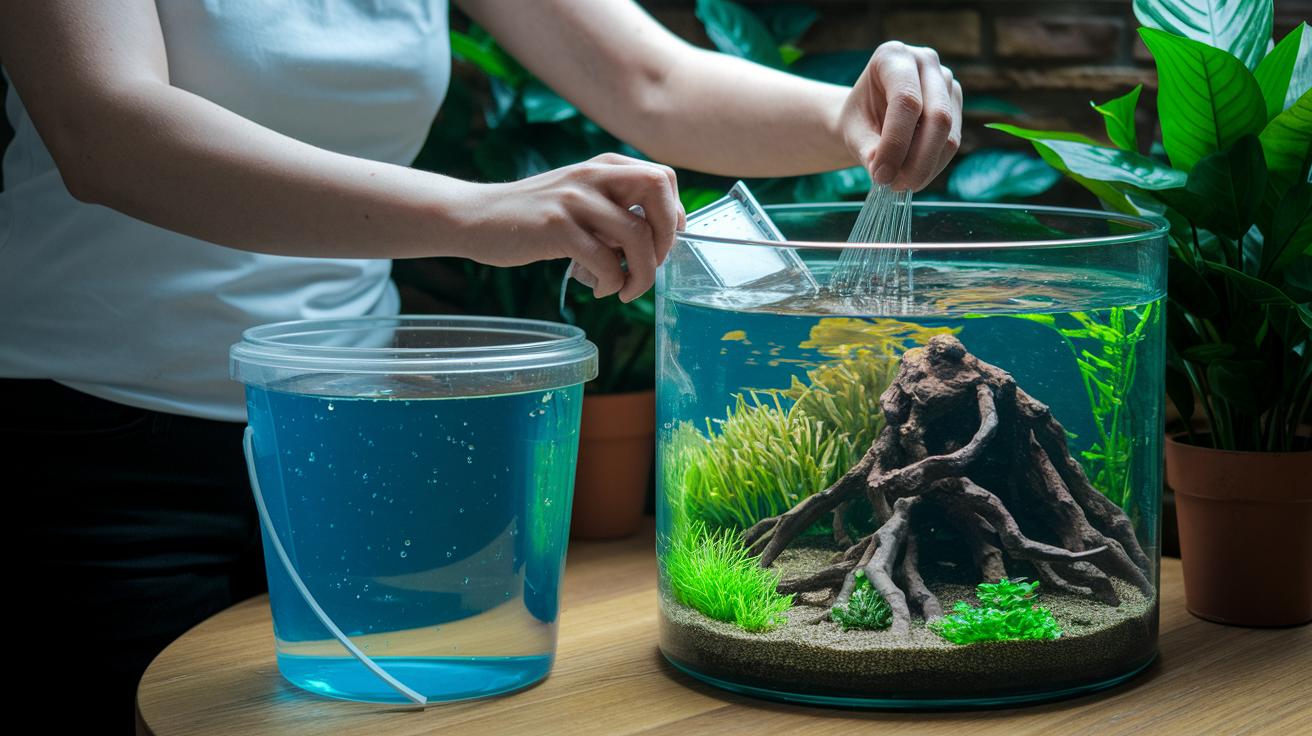
HOB filters are a favorite in many planted tanks, keeping your water clear and your little underwater world healthy. It’s best to clean your filter right after you change your water because it lets you get rid of all the extra debris. This helps your filter work well on freshly changed water while keeping the friendly bacteria safe. For more tips on keeping your aquarium gear in tip-top shape, check out this link: https://sweetfysh.com?p=2355.
When cleaning your filter, remember that the mechanical parts and the biological media need different care. Rinse the mechanical parts with water taken from your tank so you gently wash away the sludge without shocking your fish. At the same time, carefully swirl the biological media in the same water to keep those beneficial bacteria happy and healthy.
Also, be sure to follow the manufacturer’s advice on when to replace media – usually on a monthly schedule. If you notice your filter isn’t working as well and the flow seems slower, take a moment to look for clogs or debris. A regular routine of weekly mechanical rinses and careful attention to the biological media will help keep your filter performing like new.
Post-Setup Aquarium Water Quality Testing Procedures
Before you dive into any maintenance, give your water a quick check. This simple step is like taking a pulse on your aquarium, it shows if your fish and plants are living in a safe spot. Regular checks help you see that everything is just right, keeping your aquatic pals relaxed and your plants happy.
Begin by testing the main factors with dependable liquid kits or digital meters you trust. Look for ammonia and nitrite; both should be 0 ppm. Nitrate needs to stay below 20 ppm, and the pH should usually hover between 6.8 and 7.5. Jot down your readings every time you change the water. That way, you can track trends and spot little shifts that might be important.
When your readings stray from these targets, it’s time for a gentle fix. If the pH wanders out of the 6.8–7.5 range, slowly add a buffer solution to nudge it back. If nitrates creep above their safe mark, a partial water change should help bring them down. By watching these numbers and making small adjustments when needed, you set up an environment where your fish and plants can truly flourish.
Substrate Vacuuming Techniques for Post-Setup Aquariums

When your tank has built up extra gunk, water quality can drop, making your gravel look murky and keeping light from reaching your plants. Over time, the organic waste that settles down not only looks off, but it can also cause the water to get cloudy and even invite more algae. Regularly using a gravel vacuum helps clear out this debris so that the good bacteria can work their magic. Clean water means happier fish and more colorful plants in your little underwater world.
Start by picking a siphon vacuum that matches the depth of your tank. Begin working slowly, cleaning about 2 to 3 inches of gravel at a time. This careful method helps protect your plant roots and keeps the tank’s balance intact. Move the vacuum steadily over the substrate to suck up the waste without upsetting the whole bed. With this routine step during your weekly water change, your aquarium will stay clear and healthy, making it a perfect home for your fish and plants.
Lighting and Plant Care Strategies for Post-Setup Aquariums
Keep your tank's lighting on a steady schedule, about 8 to 10 hours each day works best. This routine gives your plants enough brightness and helps keep pesky algae at bay. When it's cleaning time, gently scrape the surfaces to clear off any algae left from extra light. Before you know it, your aquarium will feel just as calm and clear as a peaceful pond.
Every week, trim your fast-growing plants. Think of it as giving them a little haircut that boosts their health and keeps your tank looking neat. A well-pruned plant uses nutrients wisely, letting every leaf enjoy its share of light and space without overcrowding its neighbors.
When dosing liquid fertilizer, follow each plant's specific needs like a simple recipe. This careful approach helps avoid overfeeding, which might otherwise trigger too much algae. And if you're adding CO₂ to your tank, keep a close eye on the levels because just the right amount creates the perfect underwater garden. With these little steps, you'll maintain a balanced, vibrant tank where both plants and fish can truly thrive.
Post-Setup Aquarium Fish Health Monitoring and Troubleshooting
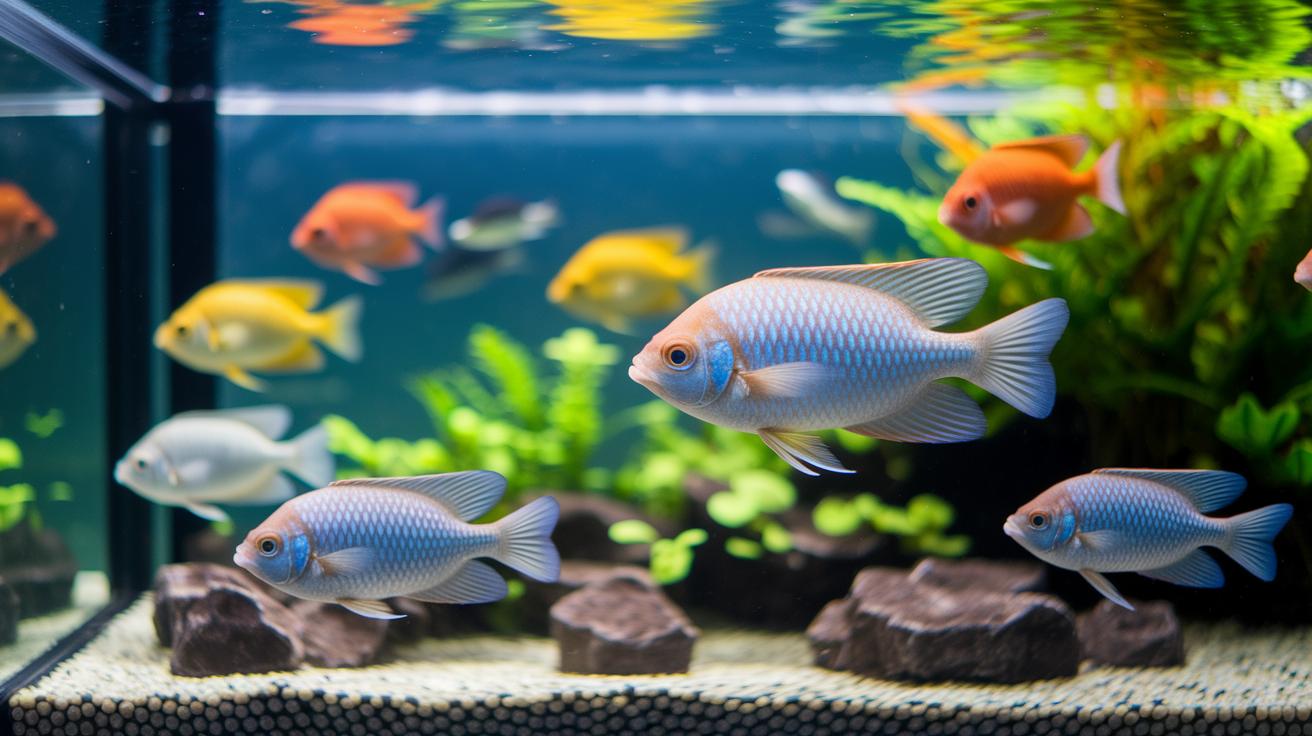
Take about ten minutes each day to simply sit back and watch your fish. Notice if they start gasping at the surface, keep their fins tight against their bodies, lose a bit of their vibrant color, swim in a weird, erratic way, or just seem generally sluggish. These are common signs that your fish might be feeling stressed (you can learn more about these signs here: common signs of fish stress). Spending a few minutes each day not only helps you catch any trouble early but also lets you build a little diary of how your fish usually behave. That way, when something feels off, you know right away.
While you’re checking in on your fish, take a moment to glance at your tank’s water and equipment too. A change in how your fish act can mean there’s an issue with things like the filter flow or the water temperature. If you see any strange behavior, it’s a good idea to inspect your gear. Maybe give the filter a clean or see if the heater is keeping the water nice and steady. Keeping up with these small checks every day goes a long way in making sure your aquatic friends stay safe and happy.
Maintenance Schedule Planning for Post-Setup Aquariums
Having a clear plan for your tank makes caring for it feel as easy as a gentle swim on a sunny day. Breaking down tasks into regular steps helps keep your water sparkling and your aquarium balanced. A simple schedule can include weekly, monthly, quarterly, and yearly jobs. The table below shows the basic chores and how often to tackle them.
| Frequency | Tasks |
|---|---|
| Weekly | 30% water change and substrate vacuum |
| Monthly | Filter media rinse and equipment check |
| Quarterly | Full media replacement and decor inspection |
| Annual | Deep substrate cleaning and system evaluation |
Adapting your plan to match the changing seasons can help you fine-tune care for shifts in water temperature or plant growth. Try setting aside a special time each season to review your routine and adjust tasks as needed. This thoughtful planning keeps your tank steady and inviting, making it a soothing oasis all year long.
Post-Setup Aquarium Equipment Inspection: Heater and Circulation Checks

Keeping your heater in good shape is key for a stable tank environment. A heater that stays between 78°F and 80°F helps guard your fish and plants from sudden changes, much like a steady current keeps the water calm. As water evaporates, the level can drop, potentially exposing the heater’s element, a risk we all want to avoid. That’s why it’s smart to check your heater once a week, making sure there are no exposed parts and that the temperature stays steady, just like double-checking your favorite recipe before serving.
Now, let’s chat about your pumps and water flow. Think of the circulating water as the gentle flow of a stream, smoothing out every corner of your tank. Start by checking the pump intake for any bits of debris and then compare the flow rate you see with what the maker suggests. Take a moment to confirm that water reaches all areas, so stubborn spots don’t become hiding places for waste. Keeping your circulation in tip-top shape is like ensuring that every ripple in a peaceful pond reaches each bank.
Final Words
In the action, this post has answered key steps for setting up and caring for your aquarium. We covered a checklist for post-setup care, proper filter cleaning techniques, water quality testing, substrate vacuuming, lighting adjustments, fish health monitoring, a clear maintenance schedule, and equipment inspections. Following a post-setup aquarium maintenance guide helps keep your tank balanced and inviting. Keep your aquatic home thriving with regular checks and simple routines. Enjoy watching your underwater world flourish every day!