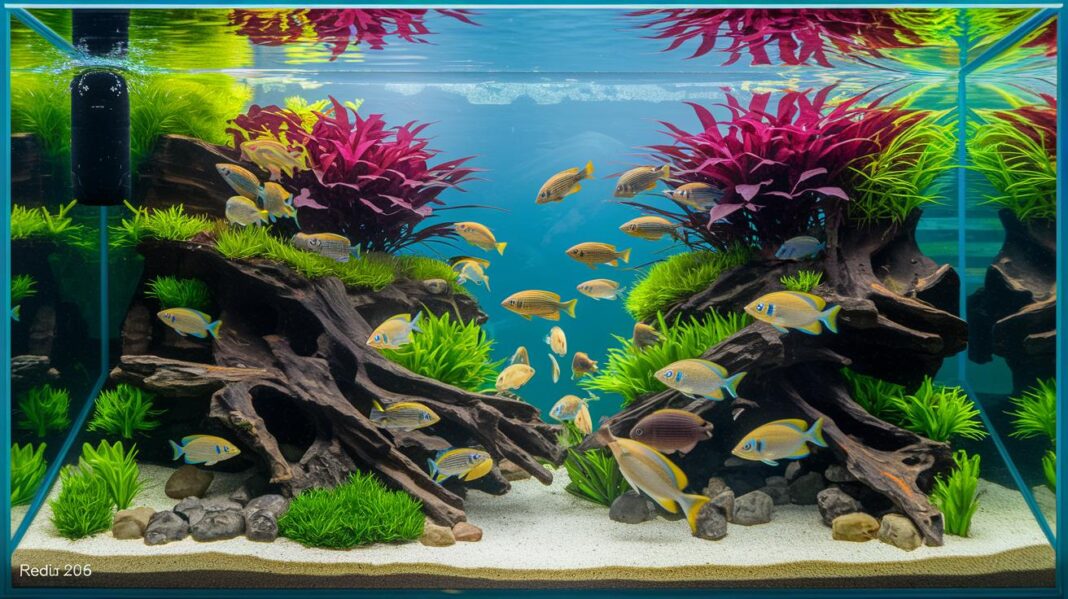

Ever wonder if letting small changes in your tank go unnoticed might lead to bigger issues? A simple daily routine flows through your tank like a gentle current, keeping your fish cheerful and your plants vibrant. Taking just a few minutes each day helps catch problems before they have a chance to grow. In this post, I share easy tips for daily, weekly, and monthly upkeep to keep your underwater world sparkling. Stick with these ideas and you’ll soon enjoy a lively, healthy aquatic display at home.
Implementing a Consistent Aquascaping Maintenance Routine
Keeping a steady routine for your aquascape is like letting a gentle current guide you. Spending just a few minutes each day can help you catch little issues before they grow into bigger problems, all while keeping the charm of your underwater world intact.
-
Daily: Take about 5–10 minutes to simply watch your tank. Look for any odd behavior from your fish, notice any changes in plant colors, and keep an eye out for extra algae. Add a little liquid fertilizer for those fast-growing plants and feed your fish only what they can finish in 2–5 minutes. And, be sure to check your important gear like the CO₂ tank, timers, valves, water flow, and filter to make sure they’re all running smoothly.
-
Weekly: Change out 20–30% of the water to help wash away extra dissolved stuff and bring back key minerals like calcium and magnesium, as well as fresh oxygen and CO₂. While you’re doing that, take the time to clean the glass and vacuum the substrate to remove any loose debris. This not only keeps the water clear but also helps keep the nutrients balanced.
-
Monthly: Gently clean your filter by rinsing the mechanical media, like foam, fiber, or filter socks, with some old tank water until the water runs clear. Trim any overgrown plants and give driftwood and rocks a little scrub to remove any buildup. This careful step helps preserve the good bacteria in your tank and keeps the setup looking lively.
A regular schedule like this makes caring for your aquascape feel natural and easy. Just a few minutes here and there each day, week, and month can keep your underwater haven both beautiful and healthy.
Water Quality Management for a Thriving Aquascape
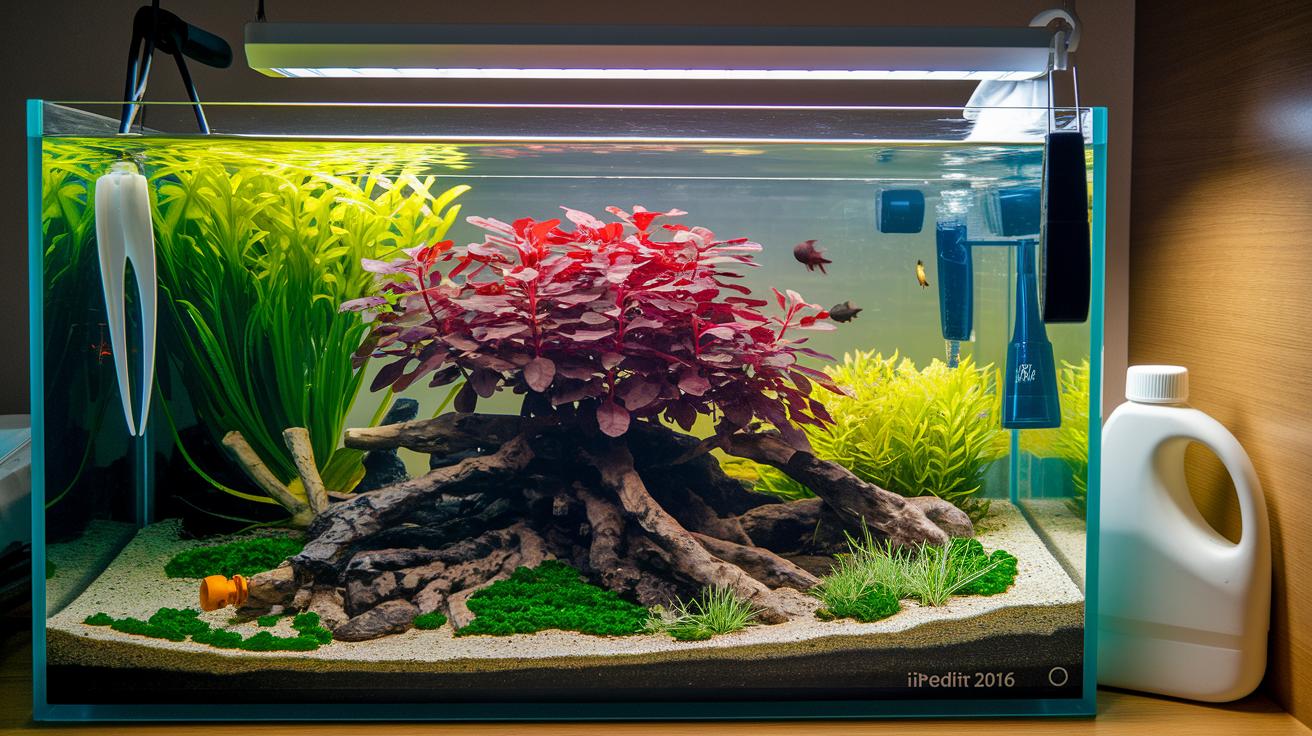
Keeping your tank's water chemistry just right is like creating the perfect backdrop for lively plants and happy fish. Regular tests let you spot tiny changes in pH or hardness, kind of like noticing a subtle ripple in calm water before it turns into a wave. It’s a simple way to keep algae at bay and let your aquatic garden flourish.
Using a liquid test kit or strips along with a digital thermometer gives you a clear peek into your tank's mood. It’s like checking on a dear friend to make sure everything feels just right, helping you adjust things early on before any problems start bubbling up.
| Parameter | Ideal Range |
|---|---|
| pH | 6.5–7.2 |
| GH/KH | 3–8 dGH / 1–4 dKH |
| Nitrate | <20 ppm |
Weekly water tests and fresh water changes work hand in hand to wash away extra nitrates and bring back important minerals like calcium and magnesium. If you notice your pH or water hardness starting to drift, it’s a good idea to add a bit of buffer or remineralizer slowly and gently, like easing into a swim on a cool morning, to help everything settle back into place.
With a trusty testing routine and careful adjustments, your aquascape stays balanced and beautiful, creating a peaceful little world for both plants and fish alike.
Aquatic Plant Trimming and Fertilization Techniques
Taking care of your aquascape is a bit like nurturing a little underwater garden. Each week, spend a few minutes trimming overgrown stems and snipping away yellow or brittle leaves. This simple routine lets light ripple gently through the water and keeps everything flowing nicely. And hey, those clippings can be re-planted in a nutrient-rich base to help your favorite plants start fresh and flourish anew.
Fertilizing is equally important. For fast growers, it's a good idea to treat them with a small daily drop of liquid fertilizer. Then, once a week, give your aquatic friends a full dose of either liquid or root fertilizer. This method supplies both the tiny bits and the big building blocks they need to thrive, much like a balanced meal helps you feel your best. It also keeps pesky algae at bay.
Selecting the Right Pruning Tools
For delicate spots, curved scissors work like a charm, while straight shears handle tougher stems with ease. Remember to clean your tools between cuts to avoid passing on any unwanted germs.
When replanting, give the roots a quick rinse with tank water to wash off any debris. This little step makes a big difference for keeping your underwater garden clean and full of life.
Practical Algae Control Strategies for Clear Aquascapes
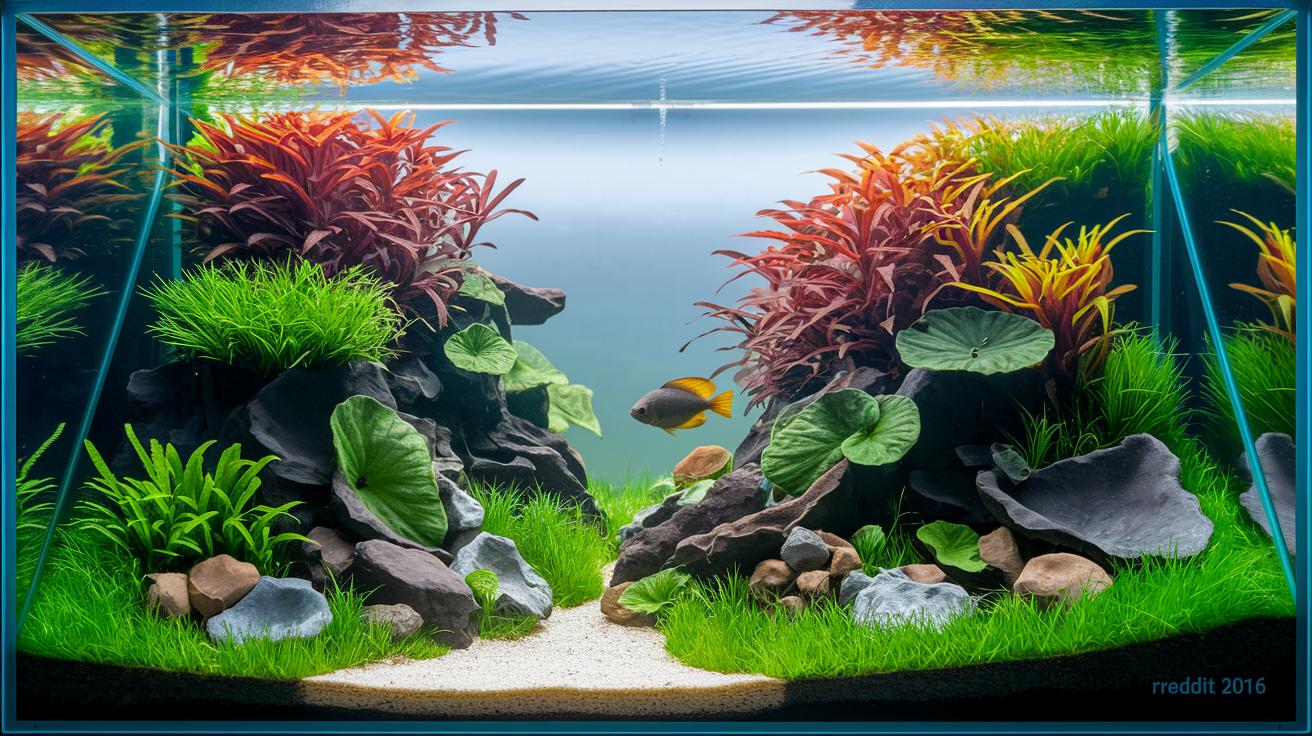
If you're noticing algae in your aquascape, it usually means there are too many nutrients and too much light in your tank. Sometimes, overfeeding your fish and leaving the lights on for too long creates the perfect setting for those unwanted green spots. The key is to keep things balanced by controlling extra nutrients and managing light exposure so that algae don't take over.
- Feed your fish only what they can finish in 2–5 minutes, and remember regular water changes to wash away extra nutrients.
- Keep your tank light on for just 8–10 hours a day to avoid giving algae too much energy.
- Gently scrub off algae from surfaces with a magnetic or handheld scraper.
- Consider adding algae-eaters like Amano shrimp or Otocinclus to naturally keep algae in check.
- For stubborn patches, try spot-treating with phosphate binders or a little diluted hydrogen peroxide.
- Vacuum the gravel often to remove debris and extra nutrients that fuel algae growth.
Keep a close eye on your tank by checking nutrient levels, light settings, and watching for early signs of algae every day. Regular check-ups not only help stop small blooms from turning into big problems but also create a thriving home for both your plants and fish. With some routine care, managing algae becomes an easy habit, keeping your aquascape clear, vibrant, and inviting.
Filtration System Cleaning and Equipment Checks
Each month, take some old tank water and gently rinse your mechanical filters like foam, fiber filters, or filter socks. This simple rinse washes away debris while keeping the helpful bacteria in the bio media undisturbed.
Every day, give your equipment a quick look-over and a pressure check. Make sure your CO2 regulators and diffusers are working right, double-check your heater with a second thermometer, and test timers and valves to catch any small issues early.
Here are a couple of extra tips:
- Check the CO2 pressure gauge on your diffuser weekly to spot any changes before they become problems.
- Once a month, clean the ceramic parts of your CO2 diffuser so the gas can spread evenly throughout your tank.
Substrate, Hardscape, and Decor Upkeep in Aquascaping
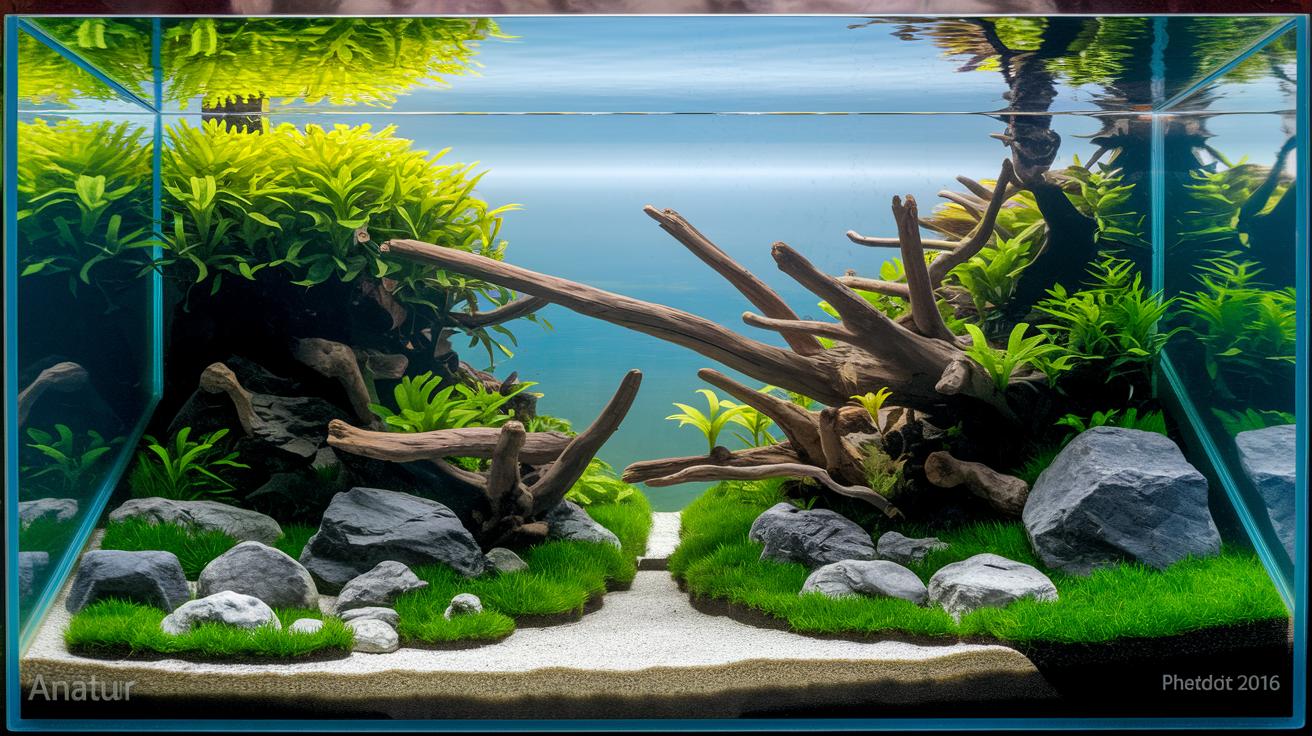
A calm, well-kept substrate lays the perfect foundation for your aquascape. Each week, do a gentle water change using a siphon that only disturbs the top 5 mm of the substrate. This light touch clears away debris without disturbing the plant roots, much like a soft ripple caressing a quiet pond. Once a month, take a quick peek at the substrate depth, it should be between 5 and 8 cm to give your aquatic friends a sturdy place to anchor. This small step can save you from bigger issues down the road.
Keeping your hardscape pieces in great shape is just as important as caring for the substrate. Every two or three months, take some time to brush your rocks and driftwood gently. Use a soft brush or an aquarium-safe sponge to sweep away any stubborn biofilm, ensuring that the natural beauty and interesting textures remain intact. Rotating or repositioning your decorations now and then helps prevent any hidden spots from forming, keeping your tank vibrant and fresh.
Safe Rock and Driftwood Maintenance
| Item |
|---|
| Soft toothbrush |
| Aquarium sponge |
| Clean water bucket |
Troubleshooting and Balancing Your Underwater Garden
Keep an eye out for little hints that your underwater garden might need some love. If you see plant leaves turning yellow, it often means they’re not getting enough nutrients like nitrogen. And if the leaves have tiny pinholes, they might be missing potassium. Meanwhile, if your fish are gasping at the surface or acting more sluggish than usual, they could be feeling the effects of low oxygen or high ammonia and nitrate levels. These signs are like a friendly tap on the shoulder, telling you it’s time to check things over before a bigger problem pops up.
- Look closely at your plants for any color changes or damage and keep an eye on your fish to spot any odd behavior.
- Use liquid test kits or strips to check your water’s pH, ammonia, nitrate, and oxygen levels so you know if something’s off.
- Add a little extra fertilizer or buffers in small doses to fix any imbalances, making sure the changes are slow and gentle.
- Quarantine new plants (unless they come from tissue culture) for about two weeks to stop any unwanted pests or diseases from joining your garden.
- Boost your tank’s health by adding live rock or friendly bacteria, which helps sustain the natural nutrient cycle.
Restoring the natural balance in your underwater garden is all about nurturing those good bacteria and keeping the flow of nutrients steady. When you check on your plants and fish regularly, test your water, and make small, thoughtful adjustments, you create a lively ecosystem where every part, from plant growth to bacterial activity, works together to keep your aquatic world vibrant.
Final Words
In the action, we explored a structured routine that balances both beauty and biology. Daily checks, weekly water changes, and monthly deep cleans come together to form a strong basis for your underwater habitat. From equipment inspections to plant care and algae control, every step supports a thriving tank that feels just right.
Following reliable aquascaping maintenance tips for a healthy aquarium turns routine work into a rewarding experience. Enjoy every moment as your aquatic world blossoms into a clear and vibrant underwater retreat.
FAQ
FAQs
What does aquascaping maintenance tips for a healthy aquarium YouTube video cover?
The YouTube tutorial explains step-by-step routines that include daily checks, water quality management, plant trimming, and equipment inspections to maintain a thriving aquascape.
What aquascaping tips and tricks or ideas can improve my tank design?
The aquascaping ideas share creative design steps and simple techniques that balance plant arrangement, lighting, and natural structure to boost the beauty and health of your tank.
How do I maintain and keep an aquascape aquarium clean?
The methods for a clean aquascape combine daily observations, measured water changes, proper feeding, and routine equipment checks to preserve both the clear view and balanced ecosystem inside your tank.
What is the golden rule or rule of aquascaping for tank maintenance?
The golden rule of aquascaping is to blend design with care by following a consistent routine that promotes clear water, healthy plant growth, and stable biological balance in your aquarium.
What are the recommended aquascaping steps for a fish tank or reef tank?
The steps for aquascaping a fish or reef tank begin with careful planning, proper substrate placement, plant and hardscape setup, and ongoing maintenance to keep the underwater scene both appealing and balanced.
Where can I find quality aquascaping supplies or an aquascaping kit?
The aquascaping store options and kits offer ready-to-use tools, fertilizers, and substrates that simplify setup and help you create a functional and stunning underwater garden.